
The German Shepherd is one of the most loved and recognized dog breeds in the world. Known for their intelligence, loyalty, and courage, these dogs are the perfect mix of beauty and brains. Whether working as a police dog, service dog, or loyal family companion, a German Shepherd gives their heart to everything they do.
They are smart, confident, and always ready to protect their loved ones. But owning a German Shepherd is also a big responsibility. They need the right care, nutrition, training, and attention to live their happiest life.
Let’s explore everything you need to know about this incredible breed.
German Shepherd Dog History
The German Shepherd dog breed was developed in Germany in the late 1800s. A man named Captain Max von Stephanitz is credited for creating the breed. He wanted a smart, loyal, and hardworking dog that could herd sheep and help farmers.
He carefully bred dogs with the best traits for intelligence, obedience, and strength.
When herding work started to disappear, people discovered how useful German Shepherds were in other roles. During World War I and II, they were used as messenger dogs, rescue dogs, and guard dogs. Their bravery and loyalty impressed soldiers from around the world.
Soon, the breed became popular outside Germany. They became police and military dogs, guide dogs for the blind, and even movie stars like the famous Rin Tin Tin. Today, German Shepherds are known not just for their work skills but also for their loving nature and loyalty as family pets.
German Shepherd Dog Breed and Characteristics

German Shepherds are large, muscular dogs with an athletic build. They usually stand between 22 to 26 inches tall and can weigh from 50 to 90 pounds.
Their body is strong and balanced, built for power and speed. Their double coat helps protect them from the weather. The outer coat is straight and dense, while the undercoat is soft and thick.
Common colors include black and tan, sable, black and red, or all black.
Personality Traits
What truly makes a German Shepherd stand out is their personality. They are:
- Extremely loyal and protective of their family
- Very intelligent and quick learners
- Energetic and love to have a job to do
- Confident yet gentle when trained properly
German Shepherds are great with children when socialized early. They are calm, loving, and form deep bonds with their owners. However, they are naturally alert and may be suspicious of strangers, which makes them excellent watchdogs.
German Shepherd Dog Food and Nutrition
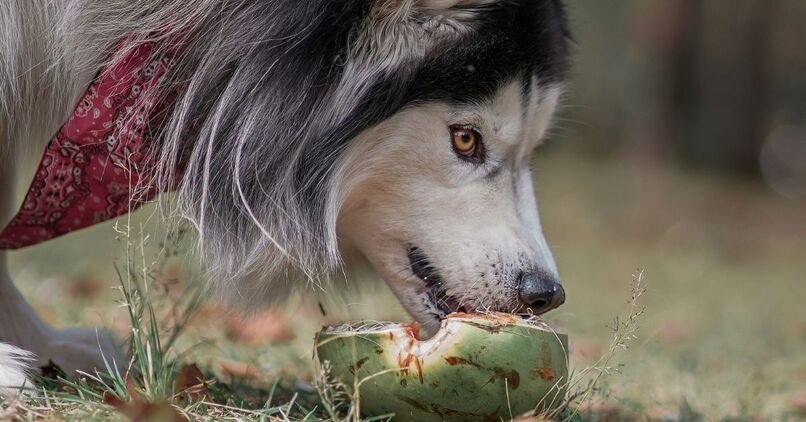
Feeding your German Shepherd the right diet is one of the best ways to keep them healthy. Because they are active dogs, they need food rich in protein and healthy fats.
Puppy Nutrition
For puppies, choose a high-quality puppy formula made for large breeds. It helps them grow strong bones and muscles without putting too much pressure on their joints.
Adult Nutrition
Adult German Shepherds should eat balanced meals that include:
- Lean proteins like chicken, beef, or fish
- Whole grains like brown rice or oats
- Vegetables and fruits for vitamins and fiber
- Healthy fats from fish oil or flaxseed for shiny coats and brain health
Avoid foods with fillers like corn or soy, as they can cause digestion issues. Always provide clean, fresh water.
Feed them in portions. Overfeeding can lead to obesity, which causes joint problems. Ask your vet about the right amount of food based on your dog’s weight and activity level.
German Shepherd Dog Health Issues

German Shepherds are strong dogs, but like any breed, they can face some health problems. Knowing what to look for helps you take care of your dog better.
Common Health Concerns
Hip and Elbow Dysplasia: These joint issues are common in large breeds and can cause discomfort or limping. Regular vet checkups and a healthy weight help prevent this.
Digestive Problems: Some German Shepherds have sensitive stomachs. Feeding them high-quality food and avoiding sudden diet changes helps keep their digestion smooth.
Allergies: They can develop allergies to certain foods or environmental factors. Watch for signs like itching, redness, or ear infections.
Degenerative Myelopathy: This is a spinal disease that affects older dogs. While it can’t be fully prevented, regular exercise and vet care help manage symptoms.
Preventive Care Tips
To keep your German Shepherd healthy, make sure to:
- Visit the vet regularly
- Give vaccinations and parasite prevention on time
- Brush their teeth and check their ears weekly
- Keep them at a healthy weight
A healthy German Shepherd lives around 9 to 13 years, full of energy and joy.
Behaviour and Training Tips for German Shepherd Dogs
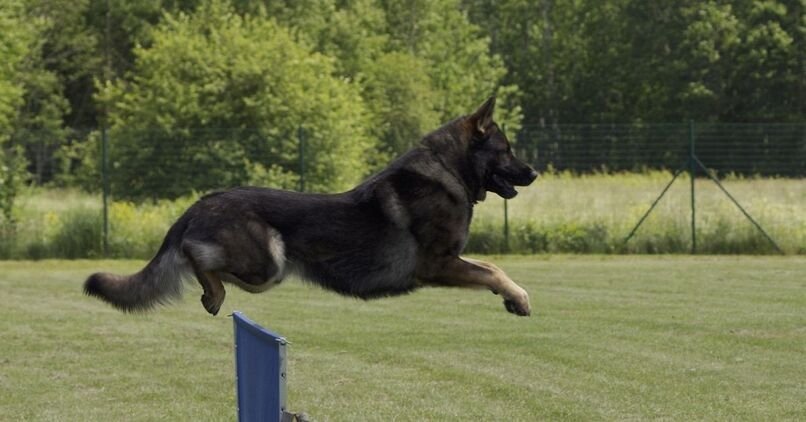
German Shepherds are one of the smartest breeds in the world, which makes training fun and rewarding. They love to learn and please their owners.
Training Basics
Start training your puppy early. Basic commands like sit, stay, come, and down help build good behavior. Positive reinforcement works best using treats, praise, and play to reward them.
Socialization and Exercise
Socialization is very important. Expose your German Shepherd to different people, pets, and places from a young age. This helps them grow into confident and friendly adults.
Since they are active dogs, they need both mental and physical exercise every day. Try:
- Long walks or runs
- Playing fetch or frisbee
- Obedience games
- Puzzle toys
Without enough activity, they may become bored or restless. A tired German Shepherd is a happy one!
German Shepherd Dog Grooming Guide

German Shepherds have a double coat that sheds year-round, with heavier shedding twice a year. Regular grooming keeps their coat shiny and reduces shedding around the house.
Brush them at least three times a week. During heavy shedding seasons, daily brushing helps remove loose fur. Use a slicker brush or de-shedding tool for best results.
Bathe your dog once every 2 to 3 months or when they get dirty. Too many baths can remove natural oils and cause dry skin. Always use a gentle dog shampoo.
Trim their nails every few weeks and clean their ears regularly to prevent infections. Brush their teeth two to three times a week to keep their mouth healthy.
FAQs
1. Are German Shepherds good family dogs?
Yes! German Shepherds are loving, protective, and loyal. They bond closely with their families and are great with children when properly trained and socialized.
2. How much exercise does a German Shepherd need?
They need at least 1 to 2 hours of daily exercise. This includes walks, playtime, and training sessions to keep them healthy and happy.
3. Do German Shepherds shed a lot?
Yes, they shed quite a bit. Regular brushing helps manage shedding and keeps their coat healthy.
4. Are German Shepherds easy to train?
Absolutely. They are intelligent and eager to please, which makes them one of the easiest breeds to train with positive methods.
5. How long do German Shepherds live?
The average lifespan is between 9 to 13 years, depending on their diet, exercise, and overall health.
Conclusion
The German Shepherd dog breed is a true symbol of loyalty, courage, and intelligence. They are not just pets; they are lifelong friends and protectors.
With proper care, good nutrition, regular exercise, and consistent training, your German Shepherd will stay strong, healthy, and full of love for many years.
Owning a German Shepherd means embracing their energy, respecting their intelligence, and enjoying every moment of companionship they bring.
They truly are one of the world’s most amazing dog breeds, the ultimate family protector.