Your Poodle is a charming, intelligent, and graceful dog known for its playful energy and stunning curly coat. Whether you have a Toy, Miniature, or Standard Poodle, one thing remains true: good nutrition is the key to their long, happy life. The right diet helps them stay active, keeps their coat shiny, and supports their smart, lively personality.
Let’s explore how to nourish your Poodle from puppyhood to their golden years, what nutrients matter most, and how to keep them at a healthy weight with every meal.
Poodle Life Stage Nutrition (Puppy, Adult, Senior)

Every stage of your Poodle’s life comes with unique nutritional needs. Understanding these changes helps you choose the right food at the right time.
Poodle Puppy Nutrition
Poodle puppies grow fast and need a diet packed with calories, protein, and healthy fats. Look for puppy formulas rich in high-quality animal protein like chicken, salmon, or lamb. These help build strong muscles and support healthy growth.
Calcium and phosphorus are also essential for bone development, especially for Standard Poodle puppies who grow larger. DHA, an Omega-3 fatty acid, supports brain and eye development, helping your puppy stay sharp and alert.
Feed your Poodle puppy three to four small meals a day to keep their energy levels steady. Avoid overfeeding since Poodles can gain weight quickly if portions aren’t controlled.
Adult Poodle Nutrition
When your Poodle becomes an adult, their metabolism stabilizes. At this stage, maintaining lean muscles and energy balance is key. Choose adult dog food with a balance of protein (around 22-26%), moderate fat (8-15%), and essential vitamins.
For Toy and Miniature Poodles, smaller kibble sizes are ideal to prevent choking and support dental health. Standard Poodles, being more active, can handle higher calorie foods, especially if they get regular exercise.
Keep meals consistent and measured. Avoid giving too many treats, and watch for any food sensitivities as adults may develop allergies to certain ingredients like wheat, corn, or soy.
Senior Poodle Nutrition
As your Poodle ages, their metabolism slows down, and joint health becomes more important. Senior dog foods are usually lower in calories but enriched with joint-supporting nutrients like glucosamine and chondroitin.
Older Poodles also benefit from Omega-3 fatty acids, which help reduce inflammation and keep their coat soft. Antioxidants like Vitamin E and C support immune health and slow the effects of aging.
Feed smaller, more frequent meals to help digestion and maintain steady energy. Always provide fresh water, especially since seniors can become dehydrated more easily.
Best Dog Food for Poodles with Sensitive Stomachs
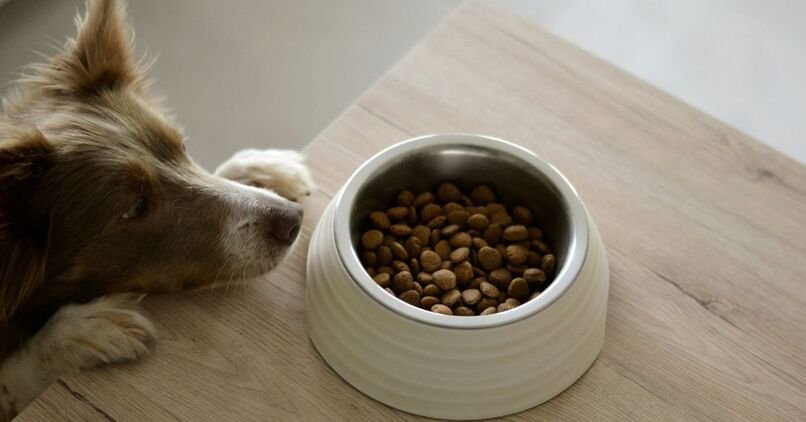
Some Poodles have sensitive stomachs, making digestion a bit tricky. Symptoms like frequent gas, loose stool, or itching can signal food intolerance.
To help your Poodle thrive, choose a limited-ingredient dog food that avoids fillers and artificial additives. Look for simple protein sources like turkey, duck, or salmon paired with easily digestible carbohydrates such as sweet potatoes or brown rice.
Probiotics are another great addition, as they promote gut health and improve digestion. If your Poodle’s tummy troubles persist, consult your vet about potential allergies or intolerances. Sometimes, switching to a grain-free or hydrolyzed protein diet can make a big difference.
Omega-3 Fatty Acids for Poodle Coat and Skin Health
A Poodle’s curly coat is one of their most stunning features, but it needs the right nutrition to stay shiny and soft. Omega-3 fatty acids play a big role in maintaining healthy skin and fur.
Foods that contain fish oil, flaxseed, or salmon are great sources of Omega-3s. These fatty acids reduce dryness, prevent itching, and give that signature Poodle coat its luster.
If your Poodle’s coat seems dull or they scratch often, they might need more Omega-3s in their diet. You can also add vet-approved fish oil supplements to their meals for an extra boost.
Nutritional Requirements for Toy, Miniature, and Standard Poodles

Each size of Poodle has slightly different nutritional needs. Let’s look at what suits each one best.
Toy Poodles
Toy Poodles have tiny stomachs but big energy needs. They do best on calorie-dense, small-bite kibble that provides lasting energy throughout the day. Feed them small, frequent meals to prevent low blood sugar, a common issue in smaller breeds.
Protein-rich diets support their active little bodies, while healthy fats maintain their shiny coat. Since Toy Poodles are prone to dental issues, crunchy kibble helps keep teeth clean.
Miniature Poodles
Miniature Poodles need balanced meals that support their agility and playful nature. They benefit from diets rich in lean protein, moderate fat, and added antioxidants for immune health.
Like Toys, Miniature Poodles also need smaller kibble, but their portion sizes can be slightly larger. Avoid overfeeding since this breed can easily gain weight if not exercised enough.
Standard Poodles
Standard Poodles are athletic and energetic, requiring more calories to fuel their active lifestyle. High-protein foods with ingredients like chicken, fish, or beef are excellent choices.
Because of their size, Standard Poodles are more prone to joint problems. Including glucosamine, chondroitin, and Omega-3s helps support joint strength and flexibility. Divide their daily food into two meals to avoid bloating.
Poodle Joint Health Supplements (Glucosamine and Chondroitin)
Healthy joints are essential for Poodles, especially the larger Standard variety. Supplements like glucosamine and chondroitin help maintain cartilage, reduce stiffness, and keep your dog moving comfortably.
Look for dog foods that already include these ingredients. If not, you can use vet-approved supplements to support joint health. Combining these nutrients with a balanced diet rich in Omega-3s can help prevent arthritis and keep your Poodle playful into old age.
Poodle Weight Management and Portion Control
Poodles love food, and it’s easy for them to gain weight if portions aren’t monitored. Obesity can lead to joint stress, heart disease, and diabetes, so portion control is key.
Follow the feeding guidelines on your dog food package, adjusting for your Poodle’s activity level. Active Standard Poodles may need more calories, while smaller or older Poodles require less.
Avoid free-feeding and measure meals with a scoop or scale. Include healthy treats like carrot sticks or apple slices in moderation. Regular walks and playtime also help maintain a healthy weight.
Practical Feeding Tips for Poodle Owners
- Feed consistent meals at the same times each day.
- Always keep a bowl of clean, fresh water available.
- Rotate between different protein sources to prevent boredom.
- Watch for any signs of allergies like itching or upset stomach.
- Choose high-quality, vet-recommended brands for trusted nutrition.
Conclusion
Feeding your Poodle right is one of the best ways to show love and care. By choosing foods suited to their life stage, size, and health needs, you help them live a longer, happier life.
Remember, every Poodle is unique. What works for one may not suit another, so observe your dog closely and adjust their diet when needed. With the right nutrition, your elegant, intelligent Poodle will stay full of life, joy, and sparkle.
FAQs
What is the best food for Poodles?
The best food for Poodles is one that contains high-quality animal protein, moderate fat, and essential nutrients like Omega-3 fatty acids for coat health.
How often should I feed my Poodle?
Puppies need three to four small meals daily, while adults do well with two meals per day. Seniors may benefit from smaller, more frequent meals.
Can Poodles eat human food?
Some human foods like plain chicken, carrots, or blueberries are safe. Avoid chocolate, grapes, onions, and anything seasoned or fatty.
Do Poodles have food allergies?
Yes, some Poodles are sensitive to grains, chicken, or soy. If your dog shows signs like itching or stomach upset, try a limited-ingredient diet.
Are supplements necessary for Poodles?
Supplements like Omega-3s, glucosamine, and probiotics can support coat, joint, and digestive health but should always be vet-approved.