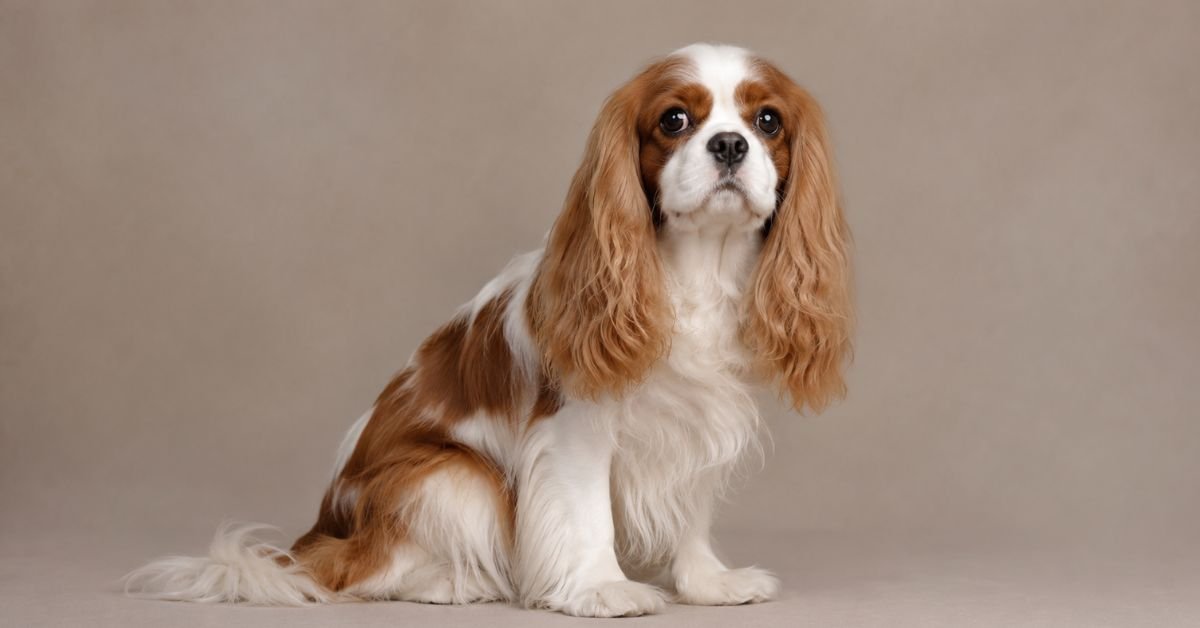
Cavalier King Charles Spaniels are famous for their soulful eyes and affectionate nature, but their longevity depends heavily on what goes into their bowl. When it comes to Cavalier King Charles Spaniel food and nutrition, a “one size fits all” approach simply doesn’t work because this breed is genetically predisposed to heart issues and rapid weight gain
. While most pet websites offer generic feeding lists, a responsible owner must understand the specific dietary requirements needed to support their unique cardiac and neurological health. This guide dives deep into the hidden nutritional strategies that help manage breed-specific vulnerabilities, ensuring your companion stays vibrant, healthy, and by your side for years to come.
Quick Answer Box
Cavalier King Charles Spaniels thrive on high-quality protein-rich diets with heart-supporting nutrients like taurine and L-carnitine. Adults need ½ to 1 cup of quality kibble twice daily. Avoid BHA/BHT preservatives and excessive fillers. Life stage feeding (puppy, adult, senior) is critical for this breed’s unique health vulnerabilities.
Who is this article for?
This guide is for:
- First-time Cavalier owners worried about heart health and weight management.
- Experienced owners managing a Cavalier with MVD or Syringomyelia.
- Anyone frustrated by picky eating, tear staining, or constant begging.
If you’ve searched “best food for Cavalier” and only found generic lists read on.
Why Cavalier king Charles Spaniel food and nutrition is different

Most dog food articles treat all breeds the same. That’s a mistake.
Nearly all Cavaliers develop some degree of Mitral Valve Disease by age 10. A significant percentage also face Syringomyelia. These two conditions alone reshape how and what you should feed your dog.
Cavaliers are also notorious “food vacuum cleaners.” They act starving after every meal, pushing owners to overfeed and adding dangerous strain on an already fragile heart.
The hidden content: what competitor sites miss
Taurine and L-carnitine: the heart nutrients your Cavalier needs
Most dog food guides skip this entirely. But if your Cavalier has MVD or if you want to help prevent early onset these two nutrients deserve your full attention.
Taurine is an amino acid that supports cardiac muscle function. Studies have linked low taurine levels to dilated cardiomyopathy (DCM) in dogs. While Cavaliers are more prone to MVD than DCM, maintaining adequate taurine intake supports overall cardiac health.
L-carnitine helps the heart muscle metabolize fatty acids for energy. Some veterinary cardiologists recommend supplementation for Cavaliers showing early MVD symptoms. Always consult your vet before adding supplements but knowing to ask puts you ahead.
What to look for on labels: Foods with lamb, beef, fish, and chicken as primary proteins naturally contain higher taurine. Grain-free foods with heavy legume content (peas, lentils) have been flagged by the FDA for potentially disrupting taurine absorption more on that in the FAQ.
Syringomyelia-friendly feeding postures

This tip is almost never mentioned and it can meaningfully reduce your dog’s daily discomfort.
Syringomyelia (SM) causes fluid-filled cavities in the spinal cord. Dogs with SM experience pain when lowering their head to a floor-level bowl. Repeated neck extension during meals can aggravate symptoms.
The fix elevated bowl height:
Use a raised feeder set 4 to 6 inches off the ground. At this height, your Cavalier eats with a neutral neck position, reducing pressure on the cervical spine. The diagram above shows the correct bowl height relative to your dog’s chest across all three scenarios.
Many SM owners on r/Syringomyelia report that their dogs eat more consistently, scratch less during meals, and show fewer signs of discomfort after switching to a raised bowl at this exact height range.
The “pickle” of the Cavalier: managing obesity vs. high-reward training

Here’s the breed-specific dilemma nobody talks about openly: Cavaliers are extremely food-motivated, which makes them wonderful to train. But that same food-motivation combined with their tendency toward weight gain creates a real problem.
Overweight Cavaliers are at higher risk for:
- Accelerated progression of MVD
- Joint issues (especially hips and patellas)
- Breathing difficulties
Yet trainers and behaviorists often recommend high-value food rewards. The solution isn’t to stop training it’s to count training treats as part of daily caloric intake, use low-calorie rewards (small pieces of carrot, blueberry, or lean chicken), and reduce the main meal slightly on heavy training days.
Community pain points: what Cavalier owners are actually asking
“My Cavalier is so picky won’t eat the same food twice!”
This is one of the most common complaints on Cavalier-specific Reddit communities like r/CavalierKingCharlesSpaniels.
A few things are happening here:
- Owners accidentally train pickiness by offering something better when the dog refuses. The dog learns: “refuse = upgrade.”
- Dental pain often mimics picky eating. Cavaliers are prone to dental disease — a sore mouth makes dry kibble unappealing.
- Underlying nausea from SM or medication side effects.
The fix for true pickiness: pick one high-quality food, stick with it for 2 weeks, and don’t offer alternatives. If appetite doesn’t normalize, see your vet.
Tear staining and the filler connection
On Quora and dog food forums, tear staining in Cavaliers is a recurring topic. Many owners don’t realize the connection to diet.
Tear staining (the reddish-brown marks under the eyes) can be worsened by:
- Corn, wheat, and soy fillers these are common allergens that increase eye discharge in sensitive dogs.
- Artificial food colorings Red 40 and similar dyes are linked to increased tearing in some dogs.
- Low-quality mineral-heavy tap water is also a culprit.
Switching to a limited-ingredient diet or a food and nutrition without corn/wheat/soy often reduces staining within 4 to 6 weeks. Pair this with filtered water for best results.
Safe human foods vs. toxic foods for Cavaliers

Cavaliers have sensitive digestive systems. Here’s a quick reference:
| ✅ Safe (in moderation) | ❌ Toxic / Avoid |
| Cooked chicken (plain) | Grapes and raisins |
| Blueberries | Onions and garlic |
| Carrots (raw or cooked) | Xylitol (artificial sweetener) |
| Plain cooked sweet potato | Macadamia nuts |
| Plain pumpkin (not pie filling) | Chocolate |
| Watermelon (seedless) | Avocado |
| Plain cooked rice | Cooked bones |
Cavalier-specific note: Because of their heart vulnerability, avoid adding excessive sodium to their diet. Many “dog-safe” human foods like deli meats or cheese are fine occasionally but shouldn’t be regular additions due to salt content.
Life stage nutrition: puppy, adult, and senior
Cavalier puppy food (8 weeks to 12 months)
Cavalier puppies need food labeled for “all life stages” or specifically “growth.” Look for:
- DHA and ARA omega fatty acids critical for brain and eye development.
- Calcium-to-phosphorus ratio of approximately 1.2:1 to support bone development without promoting too-rapid growth.
- Small kibble size Cavaliers have small mouths and can struggle with large pieces.
Feed 3 times daily until 6 months, then transition to twice daily. Avoid overfeeding Cavalier puppies can develop pudgy habits that follow them into adulthood.
Adult Cavalier food (1 to 7 years)
This is the stage to prioritize heart health proactively. Key criteria:
- High-quality named protein as the first ingredient (chicken, salmon, lamb, turkey)
- No BHA, BHT, or ethoxyquin as preservatives
- Added omega-3s (EPA and DHA) for coat, joint, and cardiac support
- Moderate fat content (12–16%) to manage weight
Cavalier weight chart (approximate)
| Age | Healthy weight range |
| 6 months | 8–12 lbs |
| 12 months | 11–18 lbs |
| Adult (1–7 yrs) | 12–18 lbs |
| Senior (7+ yrs) | 11–17 lbs |
Anything above 18 lbs in most Cavaliers indicates overweight status. Ask your vet about a body condition score (BCS) assessment the scale, not just the number, matters.
Senior Cavalier food (7+ years)
By 7 years, most Cavaliers have some level of MVD. This changes nutritional priorities:
- Lower sodium supports heart and kidney health.
- Higher-quality, easily digestible protein aging kidneys work harder with low-quality protein sources.
- Joint-supporting nutrients glucosamine and chondroitin for age-related stiffness.
- Increased omega-3s helps manage inflammation systemically.
Consider a senior-specific formula or transition to a prescription cardiac diet if your vet recommends it post-diagnosis.
Essential ingredients vs. red flags
Scan this table before buying any Cavalier food:
| ✅ Green flag | Why it matters | ❌ Red flag | Why to avoid |
| Named meat protein first (“deboned chicken”) | Guarantees quality protein source | Generic “meat” or unnamed by-products | Unknown species, inconsistent quality |
| Fish oil / flaxseed | Omega-3s for heart, coat, joints | BHA / BHT preservatives | Synthetic; carcinogenic concerns |
| Mixed tocopherols (natural preservative) | Safer shelf-life extension | Ethoxyquin | Banned in human food; still in pet food |
| Whole vegetables and fruits | Antioxidants, fiber, micronutrients | Corn syrup or added sugars | Empty calories, promotes weight gain |
| Chelated minerals | Superior absorption | Artificial colors (Red 40, Yellow 5) | No nutrition; linked to tear staining |
Feeding schedule and portion control
For a healthy adult Cavalier weighing 14–16 lbs:
- Twice daily morning and evening; never free-feed
- Portion: ½ to ¾ cup quality kibble per meal (adjust for activity level)
- Measure every meal use a kitchen scale for accuracy
- Fresh filtered water always available
On heavy training days, reduce the main meal to offset treat calories.
Raw diet vs. kibble for Cavaliers
This is genuinely debated in the Cavalier community. Here’s the honest breakdown:
Raw diet benefits: Higher nutrient bioavailability, improved coat, reduced stool volume.
Raw diet risks for Cavaliers: Bacterial contamination (Salmonella, Listeria) poses added danger for dogs on immunosuppressive SM medications. Homemade raw diets are frequently nutritionally incomplete.
Bottom line: If you try raw, work with a veterinary nutritionist and use commercially prepared formulas. Quality grain-inclusive kibble remains the safest, most balanced default for most Cavaliers.
Conclusion:
Cavaliers give us everything: their warmth, their silly ears, their unshakeable loyalty. What they need in return is informed care, starting with what’s in their bowl. When you understand which nutrients protect their heart, why a raised bowl matters, and how portion control adds years to their life, you’re not just feeding a dog. You’re nourishing a family member.
FAQs
Why is my Cavalier always hungry?
Cavaliers are selectively bred to be highly food-motivated it’s genuinely in their genetics. Their brains are wired to seek food more persistently than many other breeds. Constant hunger can also signal hypothyroidism, diabetes, Cushing’s disease, or steroid side effects. If your Cavalier seems insatiably hungry despite adequate portions, mention it to your vet.
Is grain-free food safe for Cavaliers?
Approach with caution. The FDA has investigated a potential link between grain-free diets (heavy in peas and lentils) and dilated cardiomyopathy (DCM). Research is ongoing, but Cavaliers’ existing cardiac vulnerability makes this a real concern. Most veterinary cardiologists recommend grain-inclusive diets unless a documented allergy requires otherwise.
What’s the best food for a Cavalier with heart disease?
Once MVD is diagnosed, your vet or cardiologist should guide dietary choices. Early stages typically call for a high-quality food with low sodium, quality protein, and added omega-3s. Later stages may require a prescription cardiac diet. Never change the diet of a cardiac patient without veterinary guidance.
Can I feed my Cavalier a home-cooked diet?
Yes but only with a veterinary nutritionist’s guidance. Home-cooked diets frequently lack calcium, zinc, and essential vitamins. A board-certified veterinary nutritionist can design a balanced recipe tailored to your Cavalier’s life stage and health needs.
How do I know if my Cavalier is overweight?
The rib test is reliable: run your hands along your dog’s sides. You should be able to feel the ribs with gentle pressure but not see them. If you can’t feel them easily, your Cavalier is likely carrying excess weight. Also look from above a healthy dog should have a visible waist tuck. When in doubt, ask your vet for a formal Body Condition Score (BCS) assessment on the 1–9 scale; a healthy Cavalier typically scores 4 to 5.