Great Danes are known as gentle giants loyal, elegant, and full of heart. But when it comes to swimming, they aren’t as naturally gifted as breeds like Retrievers or Poodles. Some Great Danes love splashing around, while others prefer to stay dry on the shore. Each dog is unique, and their comfort level in the water depends on their personality, build, and experiences.
Because of their large size and deep chest, Great Danes aren’t the most buoyant swimmers. They can enjoy swimming safely with the right training, encouragement, and safety measures. This guide will help you understand your Great Dane’s swimming abilities, teach safe techniques, and make water time enjoyable for both of you.
Can Great Danes Swim?
Yes, Great Danes can swim, but most are not natural swimmers. Their tall, heavy build and deep chests make staying afloat more challenging than it is for lighter, water-bred dogs.
Unlike breeds designed for water, Great Danes don’t have webbed feet or water-resistant coats. However, they are strong, athletic dogs who can learn to swim with the right support. Early introduction to water and positive experiences can help build their confidence.
If your Dane seems unsure, start slow. Shallow areas like a kiddie pool or calm lake are great for first sessions. Never forcing them in fear can quickly lead to panic. Use gentle encouragement and treats to make it a positive experience.
Great Dane Puppies Swimming
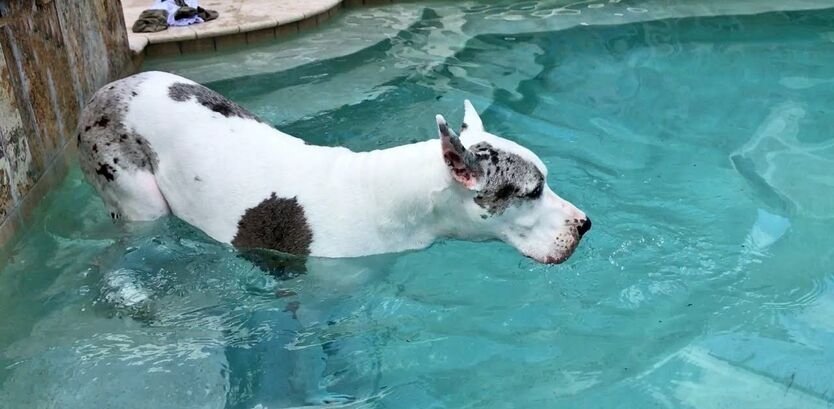
Introducing Great Dane puppies to water early helps them become confident swimmers later. Puppies are curious and more open to new experiences, so this is the best time to teach basic water comfort.
Here are a few tips to get started:
- Begin in a shallow, calm spot with warm water.
- Let your puppy explore the edge and splash around.
- Always use a properly fitted life jacket designed for puppies.
- Keep sessions short 5 to 10 minutes is plenty.
- Use praise and treats to associate water with fun.
Never toss your puppy into the water or pressure them to swim. Instead, support their body as they start paddling, so they feel secure. Building comfort now lays the foundation for safe swimming habits as they grow.
Are Great Danes Good Swimmers?
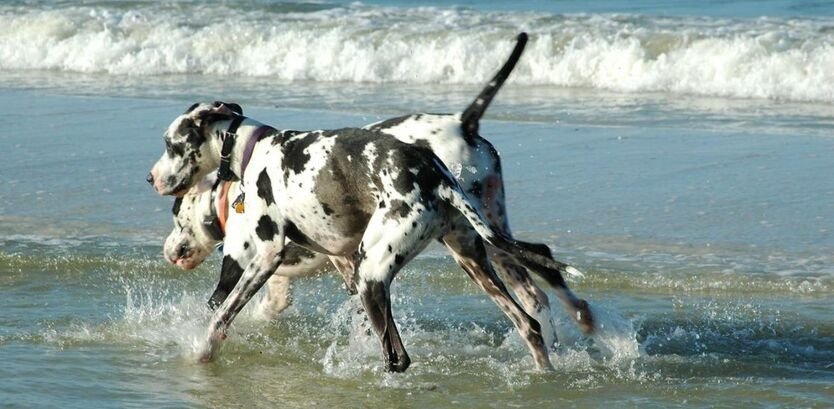
Most Great Danes are average swimmers at best, but that doesn’t mean they can’t enjoy the water. With training and safety precautions, many can swim comfortably for short distances.
Their large frame makes it harder to stay buoyant for long. The extra weight of their body means they tire faster than smaller dogs. Deep water swimming should be kept brief, with breaks on shore or in shallow areas.
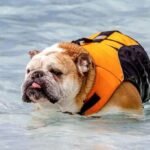
If your Great Dane loves the water, invest in a high-quality life jacket. This will provide extra floatation and ease the strain on their muscles. Look for one with a sturdy handle on the back, so you can help lift them out if needed.
Keep an eye on temperature too. Great Danes have short coats, which means they can get cold easily. Avoid letting them swim in cold water, and always dry them thoroughly afterward to prevent chills or skin irritation.
Great Dane Swimming Ability
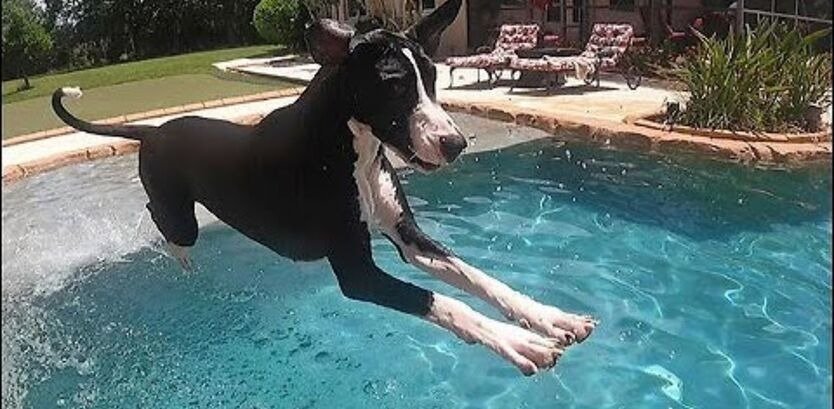
A Great Dane’s swimming ability depends on their build, age, and health. Younger, fit Danes with strong legs often perform better in water than older or overweight ones.
Because their chest is deep, their front end may sit lower in the water, making balance tricky. That’s why swimming practice is important; it helps them build strength and coordination.
Here are some signs of good progress:
- Smooth, steady paddling motion
- Relaxed body posture in the water
- Ability to turn and exit without panic
- Increased stamina during short swims
Always supervise your Dane closely. Even experienced swimmers can get tired quickly or struggle to exit the water. Plan your swimming spots carefully pools should have a ramp or steps, and natural water areas should have a gentle slope.
Great Dane Swimming Facts
- Great Danes are not natural-born swimmers.
- Their size and weight affect buoyancy and stamina.
- Life jackets are strongly recommended.
- Calm, shallow water is best for beginners.
- Swimming builds muscle, supports joint health, and boosts confidence.
- Always provide a clear, safe exit route.
Understanding your Dane’s physical limits helps you keep them safe while still enjoying the benefits of swimming. It’s a low-impact exercise that can be great for joints, especially in senior dogs.
Training Tips for Great Dane Swimming
Training your Great Dane to swim safely takes time and patience. Follow these steps to make the process easy and fun:
- Start on land. Get your dog comfortable wearing a life jacket before entering the water.
- Use shallow areas first. Begin in ankle-deep water so they can feel secure.
- Join them. Walk into the water with your dog—your presence gives reassurance.
- Support their chest. Gently lift their belly as they start paddling to help them balance.
- Encourage them with toys or treats. Floating toys can make swimming exciting.
- Keep sessions short. Ten to fifteen minutes at a time is ideal.
- Rest often. Give your Dane plenty of breaks to prevent exhaustion.
Over time, your dog will associate water with fun and exercise rather than stress. Always end swimming sessions on a positive note that helps reinforce their confidence for next time.
Great Dane Swimming Safety Checklist
Before every swim, run through this quick checklist:
- Fit a snug, high-quality life jacket
- Check water temperature (avoid cold)
- Choose calm water with easy exits
- Bring fresh water for drinking
- Avoid deep or fast-moving currents
- Watch for signs of fatigue or stress
- Dry your Dane completely after swimming
A little preparation goes a long way toward keeping your Great Dane safe and happy in the water.
Conclusion
Swimming can be an amazing activity for Great Danes when done safely. It keeps them active, strengthens muscles, and boosts their confidence. While they might never be Olympic-level swimmers, they can enjoy splashing, paddling, and cooling off on warm days with your support.
Start slow, use the right gear, and always prioritize safety. With time, patience, and encouragement, your Great Dane can transform from a cautious wader into a confident, happy swimmer ready to make a splash!
FAQs About Great Dane Swimming
1. Do Great Danes like water?
Some do, and some don’t. Like people, every Great Dane has their own preferences. Early exposure, patience, and positive reinforcement can make most Danes comfortable in water.
2. How long can a Great Dane swim?
Usually around 10 to 15 minutes per session. Their large frame and low buoyancy mean they get tired faster, so frequent breaks are essential.
3. Should Great Danes wear life jackets?
Absolutely. A life jacket provides crucial buoyancy and safety, especially for deep or open water. Choose one with a sturdy handle so you can assist them easily.
4. Can swimming replace regular exercise?
No, but it’s a great supplement. Swimming is low-impact and builds muscle without stressing joints. Combine it with walks or playtime for balanced fitness.
5. How can I tell if my Great Dane is tired while swimming?
Look for slower paddling, head dipping low in the water, or heavy breathing. These are signs your dog needs a break. Bring them to shallow water and let them rest.