
If you are looking for a dog that is full of life, loyalty, and love, the Boxer dog breed might just steal your heart. Boxers are known for their fun personalities, strong bodies, and deep devotion to their families. These playful dogs are always ready for action, whether it’s running around the yard, going for walks, or simply spending time with their favorite humans.
Boxers are intelligent, alert, and affectionate. They love being part of the family and are known to be excellent with children. Their loyal and protective nature makes them great watchdogs too. Even though they look tough, Boxers have a goofy and loving side that makes them one of the most popular family pets around the world.
Boxer Dog History
The Boxer dog breed has a rich and fascinating history that dates back to Germany in the 1800s. They were originally bred from the now-extinct Bullenbeisser and English Bulldog. These dogs were used for hunting large game like boars and deer, thanks to their strength, agility, and courage.
Later, Boxers became known for their intelligence and loyalty, making them valuable as working dogs. They served in World War I and World War II as messenger dogs, guard dogs, and even medics. Their bravery and loyalty made them heroes on the battlefield.
In the 1900s, the Boxer made its way to America and quickly became a favorite among families. Today, they are known as playful companions, loyal protectors, and even therapy and service dogs.
Boxer Dog Breed and Characteristics

Boxers are medium to large-sized dogs with strong, muscular bodies. They have a square build, a short coat, and expressive eyes that seem to show their emotions. Their faces are distinctive, with a short muzzle and strong jaw that gives them a confident look.
Adult male Boxers usually weigh between 65 to 80 pounds, while females weigh between 50 to 65 pounds. They stand around 21 to 25 inches tall. Despite their size, Boxers are full of energy and love to play.
Their personality is one of the most lovable things about them. Boxers are known for their boundless enthusiasm and playful behavior. Even as adults, they often act like puppies, always curious and ready to have fun. They are gentle with family members but alert and protective when needed.
Boxers are also intelligent and eager to please, making them relatively easy to train with positive reinforcement. They love learning new tricks and enjoy spending time with their owners during training sessions.
Boxer Dog Food and Nutrition

Feeding your Boxer the right food is key to keeping them healthy and active. Since Boxers are energetic dogs, they need a balanced diet that supports their muscles and energy levels.
High-quality dog food with real meat as the main ingredient is best. Protein helps keep their muscles strong, while fats provide energy. Whole grains, vegetables, and fruits add essential vitamins and minerals.
Adult Boxers typically need two meals per day, while puppies may need three to four smaller meals. Always provide clean water and avoid feeding them table scraps or human foods that could upset their stomach.
Some Boxers may have allergies to certain ingredients like chicken, wheat, or corn, so it’s important to monitor how your dog reacts to different foods. If you notice any itching, digestive problems, or ear infections, talk to your vet about switching to a hypoallergenic diet.
Because Boxers can be prone to bloating (a serious condition where the stomach fills with gas), it’s best to feed them smaller meals and avoid heavy exercise right after eating.
Boxer Dog Health Issues

Boxers are generally healthy dogs, but like all breeds, they can have certain health concerns. Knowing what to watch for helps you keep your Boxer in good shape and catch any issues early.
Some common health issues in Boxers include:
- Heart Problems: Boxers can be prone to a condition called Boxer cardiomyopathy, which affects the heart muscle. Regular vet check-ups are important for monitoring heart health.
- Hip Dysplasia: This is a joint condition that can cause discomfort or arthritis in older dogs. Keeping your Boxer at a healthy weight helps reduce the risk.
- Allergies and Skin Issues: Boxers often have sensitive skin, so watch for itching, redness, or hair loss.
- Cancer: Unfortunately, Boxers are more prone to certain cancers, especially as they age. Early detection through regular vet visits is key.
- Bloat: This can happen suddenly and is life-threatening. Feeding smaller meals and avoiding intense activity after eating can help prevent it.
Despite these possible health issues, most Boxers live long, happy lives when cared for properly. Regular exercise, a healthy diet, and routine vet visits will help your Boxer thrive.
Behaviour and Training Tips for Boxer Dog

Boxers are intelligent and eager to learn, but they can also be a bit stubborn at times. Starting training early helps your Boxer develop good habits and become a well-mannered adult.
Use positive reinforcement techniques like treats, praise, and playtime. Boxers respond best to encouragement and kindness. Harsh training methods can make them fearful or resistant.
Socialization is also very important for Boxers. Expose them to different people, pets, and environments from a young age. This helps them grow into confident and friendly adults.
Boxers love to stay busy, so mental stimulation is just as important as physical exercise. Teach them tricks, play fetch, or provide puzzle toys that challenge their minds. They enjoy being part of family activities and thrive on attention.
Daily exercise is a must. Boxers are high-energy dogs and need at least an hour of active play or walks each day. Without enough exercise, they can become bored and may develop destructive behaviour like chewing or digging.
Boxer Dog Grooming Guide
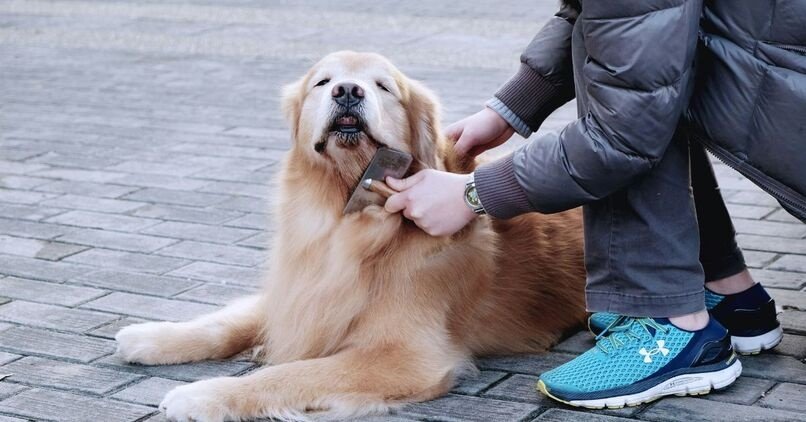
Grooming a Boxer is simple compared to many other breeds. Their short coat is easy to care for, but regular grooming keeps them looking and feeling their best.
Brush your Boxer once or twice a week to remove loose hair and keep their coat shiny. They don’t shed too much, but brushing helps reduce the amount of hair around your home.
Bathing should be done every few months or when your dog gets dirty. Use a gentle dog shampoo to avoid drying out their skin.
Check their ears weekly for dirt or redness, and clean them gently if needed. Trim their nails regularly to prevent overgrowth, and brush their teeth several times a week to maintain good oral health.
Since Boxers are very active, it’s a good idea to inspect their paws after outdoor play to make sure there are no cuts or irritations.
Conclusion
The Boxer dog breed is truly one of a kind. With their fun-loving personality, strong loyalty, and protective instincts, they make wonderful companions for active families. They love to play, cuddle, and be involved in everything their humans do.
By giving your Boxer the right care, nutrition, exercise, and love, you’ll have a best friend for many years. These dogs bring joy, laughter, and endless affection into any home lucky enough to have one.
FAQs
- Are Boxer dogs good family pets?
Yes, Boxers are great family pets. They are loyal, affectionate, and patient with children. - How much exercise does a Boxer need daily?
Boxers need at least one hour of active exercise each day to stay healthy and happy. - Do Boxer dogs shed a lot?
Boxers have short coats and shed moderately. Regular brushing helps keep shedding under control. - What is the average lifespan of a Boxer dog?
The average lifespan of a Boxer is around 10 to 12 years with proper care. - Are Boxer dogs easy to train?
Yes, Boxers are smart and eager to please, but they need consistent, positive training. - Can Boxer dogs live in apartments?
Yes, if they get enough daily exercise and mental stimulation, Boxers can adapt well to apartment living.