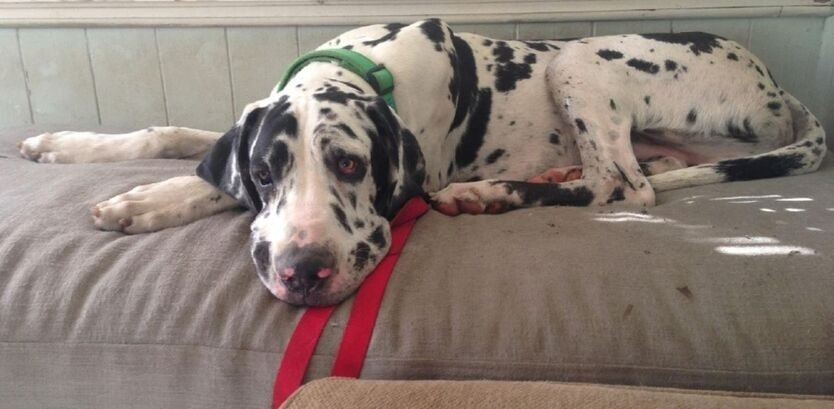
The Great Dane, often called the “Apollo of dogs,” is truly a majestic and gentle giant. With their towering presence, deep chests, blocky heads, and sweet, loyal personalities, they make wonderful family pets.
Unfortunately, their colossal size, which makes them so impressive, also presents a unique set of challenges. Great Danes have one of the shortest life expectancies in the canine world, averaging just 6 to 8 years.
The very anatomy and genetics that define the breed also make them vulnerable to serious health conditions. Being a Great Dane owner means being a proactive, vigilant caregiver.
The single biggest obstacle to keeping these dogs healthy is not knowing their specific risks. Some conditions are inherited and linked to the pure breed, while others are a direct result of their immense size and rapid growth.
Educating yourself about the most common Great Dane health issues is the first step in giving your gentle giant the longest, happiest life possible.
Here is a deep dive into the major health concerns you need to know about and the proactive steps you can take.
Common Great Dane Health Issues
The most dangerous and most frequently discussed conditions for the breed fall into this category. These are the life-threatening emergencies and major diseases that all Great Dane owners must be prepared for.
Bloat (Gastric Dilatation-Volvulus, or GDV)
Bloat is, tragically, the number one killer of Great Danes. It is a terrifying, life-threatening emergency that can cause death in just hours. Up to 40% of Great Danes may experience this condition in their lifetime.
This condition has two parts:
- Gastric Dilatation (Bloat): The stomach fills rapidly with gas, food, or fluid, causing it to swell or distend.
- Volvulus (Twist): The distended stomach then twists on itself, completely pinching off the entry and exit points.
When the stomach twists, it traps the gas inside, cuts off the blood supply to the stomach tissue, and severely impairs blood flow back to the heart. The dog quickly goes into shock.
Recognizing the Emergency
You need to know the signs of GDV and treat them as an extreme emergency, requiring immediate veterinary attention. Time is critical for survival.
Key Symptoms of Bloat:
- Non-productive Retching: The dog repeatedly tries to vomit but nothing comes up, or only foamy saliva is produced. This is the most consistent and important sign.
- Restlessness and Pacing: Your dog may seem anxious, uncomfortable, and unable to settle down.
- Distended or Swollen Abdomen: The belly, especially the left side behind the ribcage, may look visibly larger, tight, and sometimes feel hard.
- Weakness or Collapse: As shock sets in, the dog may become weak, pant excessively, or even collapse.
- Excessive Drooling.
Proactive Prevention
Because bloating is so dangerous, prevention is the best medicine. Discuss these preventive measures with your veterinarian.
- Small, Frequent Meals: Feed two to three smaller meals a day instead of one large meal. This reduces the amount of food and gas in the stomach at any one time.
- Avoid Exercise Around Mealtime: Do not let your Great Dane engage in vigorous exercise or play for at least one hour before and one hour after eating or drinking large amounts of water.
- Slow Down Eating: Use a slow-feeder bowl or puzzle toy to prevent rapid ingestion of air and food.
- Prophylactic Gastropexy: This is a preventative surgery where the stomach is “tacked” or permanently sewn to the abdominal wall. It does not prevent the initial bloating, but it does prevent the stomach from twisting (volvulus), which is the life-threatening component. Many owners opt to have this procedure done when their Dane is spayed or neutered.
Dilated Cardiomyopathy (DCM)
The Great Dane’s massive frame requires a powerful heart, but they are genetically predisposed to a serious condition called Dilated Cardiomyopathy (DCM).
DCM causes the heart muscle to become thin, weak, and enlarged (dilated). This prevents the heart from pumping blood efficiently to the rest of the body. This is a progressive disease, meaning it gets worse over time and can eventually lead to congestive heart failure and sudden death.
Symptoms of DCM
The signs can be subtle at first, but become more noticeable as the disease progresses:
- Tiring Easily: The dog may become less tolerant of exercise or tire out quickly during play or walks.
- Coughing or Hacking: This is often caused by fluid buildup in the lungs (pulmonary edema).
- Rapid or Difficult Breathing.
- Decreased Appetite and Weight Loss.
- Fainting or Collapse (though this is a sign of an advanced stage).
Management and Early Detection
Regular cardiac screening is essential for Great Danes, especially since the disease often strikes in middle age (3 to 6 years old).
- Annual Heart Checks: Your vet should listen for a heart murmur.
- Echocardiogram (Echo): This ultrasound of the heart is the best way to diagnose DCM and monitor its progression. Many breeders and owners recommend screening breeding stock and getting an early baseline for all Danes.
- Medication: While DCM cannot be cured, it can be managed with medication to improve the heart’s function and control fluid retention, giving your dog a better quality of life.
Great Dane Health Concerns
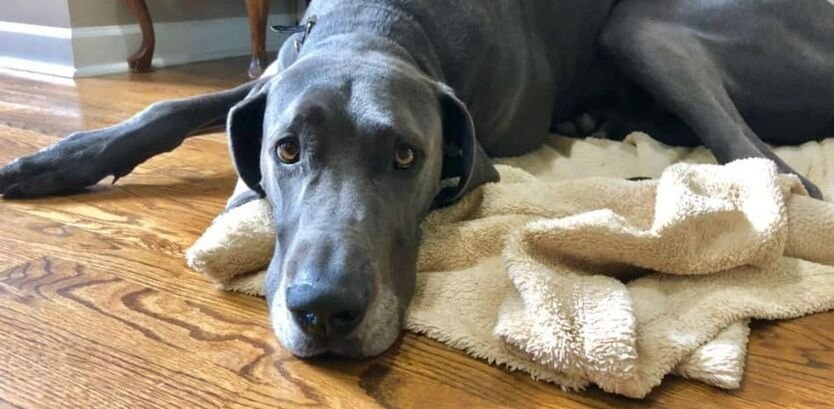
These conditions are primarily linked to the structure and rapid growth of the Great Dane, especially the challenges their joints and spine face.
Joint and Bone Problems
The sheer weight and rapid growth rate of a Great Dane puppy put immense stress on developing joints. This makes them highly susceptible to orthopedic issues.
Hip Dysplasia
This is a hereditary condition where the hip joint doesn’t fit together perfectly. The femur (thigh bone) doesn’t sit snugly into the hip socket, leading to abnormal wear and tear, pain, and eventually arthritis.
Signs often appear early, but arthritis from the condition may not become obvious until the dog is middle-aged.
Elbow Dysplasia
Similar to hip dysplasia, this involves the abnormal development of the elbow joint, resulting in a poor fit, pain, and arthritis.
Osteochondritis Dissecans (OCD)
OCD is a painful condition where a flap of cartilage separates from the underlying bone, often in the shoulder, elbow, or ankle joints. This is closely linked to improper, overly rapid growth in puppies.
Wobbler Syndrome (Cervical Spondylomyelopathy)
Wobbler Syndrome affects the spine in the neck area. Because of their long necks, Great Danes can develop instability in the cervical vertebrae, causing the bones to press on the spinal cord.
This pressure leads to nerve issues, causing the dog to have an unsteady, “wobbly” gait, especially in the hind legs. Symptoms usually start in young adults (around 1 to 2 years old).
Practical Joint Protection
Weight management and controlled growth are the core of joint health for a Dane.
- Large Breed Puppy Food: Feed a high-quality food specifically formulated for large breed puppies. These foods are designed to be less calorie-dense and have precise calcium and phosphorus ratios, promoting slower, more controlled bone growth. Do not let your puppy grow too fast.
- Strict Weight Control: Keep your Great Dane lean, especially during the first two years of life. Every extra pound puts undue strain on developing and aging joints.
- Appropriate Exercise: Avoid excessive, high-impact exercise (like long-distance running, jumping, or intense fetching) until the dog is fully grown (around 18 to 24 months). Moderate, regular, low-impact exercise, such as controlled walks and swimming, is best.
- Joint Supplements: Many owners and vets recommend starting joint supplements containing ingredients like glucosamine, chondroitin, and Omega-3 fatty acids early in the dog’s life.
Hypothyroidism
Hypothyroidism is an endocrine disorder where the thyroid gland doesn’t produce enough hormones, which regulate the dog’s metabolism. It is a common concern for the breed, often caused by an immune system issue (autoimmune thyroiditis).
While it sounds serious, it is one of the more manageable conditions.
Symptoms of Hypothyroidism:
- Lethargy and Low Energy: The dog seems more tired or less active than normal.
- Weight Gain without a change in diet.
- Changes to the Coat: Hair loss, thinning coat, or a dry, brittle, or greasy coat.
- Skin Issues: Dry, flaky skin, or recurrent skin infections.
Treatment: This condition is easily treated with a daily thyroid hormone replacement pill. Regular blood tests are needed to monitor the hormone levels and ensure the medication dosage is correct.
Great Dane Health Risks
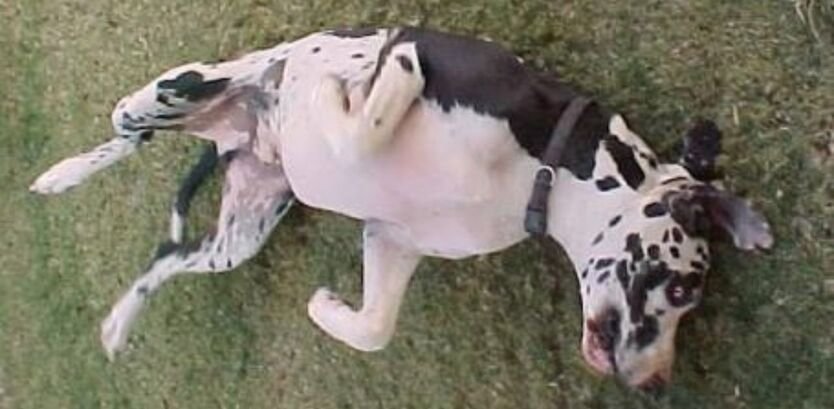
The remaining health risks cover a range of internal, autoimmune, and age-related conditions.
Cancer
Sadly, cancer is a leading cause of death in Great Danes due to their accelerated aging process. Their cells divide and regenerate faster than those of smaller dogs, which increases the likelihood of abnormal cell development.
Osteosarcoma (Bone Cancer)
Great Danes are at a high risk for this very aggressive form of bone cancer. It typically affects the long bones of the legs (near the shoulder, wrist, or knee).
Signs to watch for:
- Unexplained or persistent lameness (limping).
- Swelling or a lump on a leg or joint.
- Pain in a specific bone.
If your Dane develops a persistent limp, especially if it doesn’t get better with rest, a trip to the vet for X-rays is vital.
Addison’s Disease (Hypoadrenocorticism)
Addison’s disease is another serious endocrine disorder, though it is less common than hypothyroidism. It occurs when the adrenal glands, located near the kidneys, do not produce enough essential hormones like cortisol.
Because the symptoms are often vague and mimic other less severe conditions, it is sometimes called the “Great Pretender.”
Key Symptoms to Watch For:
- Chronic, Intermittent Illness: The dog seems sick, gets better for a while, and then gets sick again.
- Lethargy and Depression.
- Vomiting, Diarrhea, and Loss of Appetite.
- Weakness or Shaking.
In severe, undiagnosed cases, the dog can experience an Addisonian Crisis, which is life-threatening and requires immediate emergency care.
Eye Conditions
Great Danes can be prone to certain structural issues with their eyelids:
- Entropion: The eyelid rolls inward, causing the eyelashes to rub against the cornea (the surface of the eye). This is painful and can lead to ulcers and vision problems.
- Ectropion: The eyelid rolls outward, leaving the sensitive inner tissue exposed. This can cause dryness, irritation, and chronic eye infections.
Both conditions can usually be corrected with a relatively simple surgery. Regular eye exams by your vet are important for early detection.
Cervical Instability
Beyond full-blown Wobbler Syndrome, the immense neck structure of the Great Dane can lead to general cervical instability and pain, often requiring a careful approach to leashes and collars.
Pro Tip: Always use a well-fitted harness instead of a neck collar when walking your Great Dane. This prevents pressure on their neck and throat, reducing strain and the risk of injury or aggravating existing spinal issues.
Great Dane Puppy Health Issues
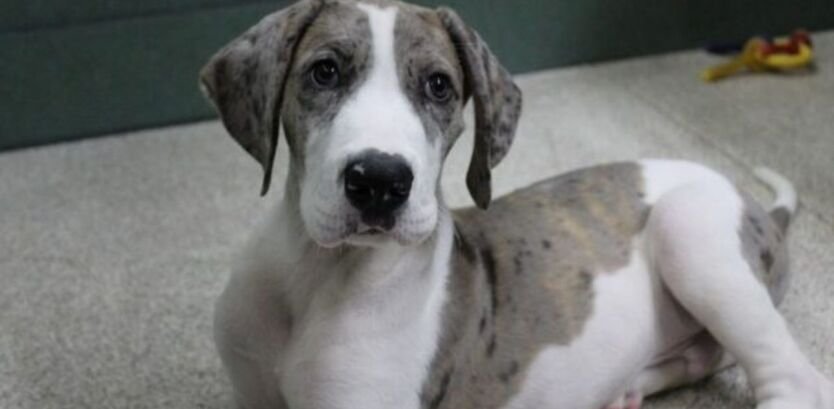
The puppy phase is the most critical time for establishing a healthy, long life for a Great Dane. Their growth must be slow and controlled to prevent irreversible skeletal damage.
The three primary concerns for Great Dane puppies are all related to growth and development.
1. Rapid Growth and Over-Nutrition
A Great Dane puppy can grow from a tiny ball of fluff to over 100 pounds in its first year. This accelerated growth is the root cause of many orthopedic issues.
Actionable Advice:
- Choose the Right Food: Feed a high-quality commercial diet specifically labeled for large or giant breed puppies. These formulas are crucial because they contain a lower concentration of calories, fat, and, most importantly, calcium.
- Control Calcium Intake: Too much calcium (and phosphorus) can disturb the normal process of bone development, leading to conditions like Hip Dysplasia and OCD. Avoid supplementing your puppy’s diet with extra vitamins, minerals, or joint supplements unless specifically instructed by your vet.
- Strict Portion Control: Free-feeding (leaving food out all day) is highly discouraged. Feed measured meals to maintain a lean body condition. You should always be able to easily feel your puppy’s ribs.
2. Panosteitis (“Pano” or “Growing Pains”)
Panosteitis is a temporary, painful condition that affects the long bones of the legs in rapidly growing large-breed puppies, typically between 5 and 18 months of age.
The puppy will often have a shifting lameness, meaning they might limp on one leg one week and a different leg the next. It’s painful, but it is not a devastating, long-term condition like dysplasia.
Management:
- A vet diagnosis is required to rule out more serious issues like bone cancer or a fracture.
- It is treated with pain medication and strict rest until the symptoms pass. Pano almost always resolves completely as the dog matures.
3. Exercise Management
The playful nature of a Dane puppy often leads owners to over-exercise them, which is extremely dangerous for their soft, developing growth plates.
- No Forced Running or Jumping: Never take a young Dane puppy for long-distance runs or encourage repetitive jumping on hard surfaces.
- The “Five-Minute Rule”: A good rule of thumb is to limit structured exercise to about five minutes per month of age, twice a day (e.g., a 4-month-old puppy gets 20 minutes, two times a day). Their free play in the yard should be supervised and not overly strenuous.
- Rest is Critical: Ensure your puppy has plenty of access to soft surfaces for rest and sleep to avoid putting pressure on their developing joints.
Do Blue Great Danes Have More Health Problems?
This is a very common question among prospective owners, and the answer is nuanced, but generally, Blue Great Danes are not significantly more prone to the major life-threatening health issues (like Bloat or DCM) than any other color variation.
The major risks are tied to the breed’s size and general genetics, not the blue coat gene itself. All Great Danes share the same high risk for GDV, DCM, and Hip Dysplasia, regardless of whether they are Blue, Fawn, Black, or Harlequin.
However, there are health issues tied to specific coat color genes, and these are important to understand.
Color-Linked Health Issues
Health problems associated with color are typically linked to the Merle gene and the presence of excessive white on the coat, rather than the solid blue gene.
Merle Gene Risks
The Merle gene is what creates the beautiful dappled Harlequin coat pattern.
When a dog inherits two copies of the Merle gene (a “double merle” or sometimes appearing as a mostly white dog), the dog has a significantly higher risk of serious health defects.
- Blindness and Vision Issues: Dogs with two copies of the Merle gene often have underdeveloped eyes, leading to microphthalmia (small eyes) and partial or complete blindness.
- Deafness: Double Merle dogs also have a high incidence of partial or total deafness.
Important Note for Owners: Responsible Great Dane breeders who produce Harlequins and Merles are very careful about which colors they breed together to avoid creating the Double Merle risk. Always ask your breeder about their breeding philosophy and genetic testing.
Blue Color and Skin
The blue color itself is simply a diluted black pigment. In some breeds, this dilution gene can cause a condition called Color Dilution Alopecia (CDA), which is a skin and coat issue.
While Blue Danes are considered low-risk compared to breeds like the Doberman, some may develop:
- Thinning Hair: Usually on the blue coat patches.
- Dry or Flaky Skin: Which can be prone to secondary infections.
CDA is a cosmetic issue and not life-threatening, but it can require specific shampoos and skin management.
In summary, choosing a Blue Great Dane does not mean you are taking on a higher risk of the life-threatening conditions. Your focus should remain on proper feeding, controlled growth, and routine cardiac screenings, just as it would be for any other color of Great Dane.
Takeaways and Proactive Care Summary
Caring for a Great Dane is a commitment, but the reward is the love of a truly gentle and affectionate companion. Being prepared is the greatest act of love you can offer.
The Great Dane Owner’s Health Checklist
| Health Area | Proactive Steps to Take |
| Bloat (GDV) | Feed 2-3 small meals daily. Use a slow-feeder bowl. No exercise 1 hour before or after eating. Discuss preventative gastropexy surgery with your vet. |
| Heart (DCM) | Schedule annual physical exams and an annual echocardiogram (Echo) starting around age 3-4. Maintain a lean body weight. |
| Joints/Growth | Use a Large Breed Puppy Formula until 18-24 months. Never supplement a puppy’s diet with extra calcium. Keep the dog lean throughout life. |
| Exercise | Moderate, consistent exercise (controlled walks). Avoid long-distance running or high-impact jumping until fully mature. Use a harness instead of a collar. |
| Endocrine (Thyroid) | Get a baseline thyroid test as part of a routine blood panel. Watch for signs of lethargy or unexplained weight gain. |
| Emergency Prep | Know the signs of Bloat. Have the emergency vet’s number and directions saved in your phone. |
Conclusion
Caring for a Great Dane is a significant commitment, but the love they return as a gentle, loyal companion is immense. By understanding and proactively managing the major Great Dane health issues, especially the risks of Bloat, DCM, and joint problems you are giving your giant the best chance at a long, healthy life. Vigilance, controlled growth, and routine veterinary care are the cornerstones of ensuring your majestic, gentle colossus thrives for years to come.
Frequently Asked Questions (FAQs)
What is the average life expectancy for a Great Dane?
The average life expectancy for a Great Dane is typically around 6 to 8 years. Their shorter lifespan is due to their accelerated aging process, which is common for giant dog breeds.
Is prophylactic gastropexy surgery safe, and should I get it for my Great Dane?
Yes, a prophylactic gastropexy is highly recommended and generally safe.
- Purpose: It permanently attaches the stomach to the abdominal wall.
- Benefit: This prevents the stomach from twisting (volvulus), which is the fatal part of Bloat (GDV).
- Timing: It is often performed at the same time as spaying or neutering.
What are the signs of arthritis in a Great Dane?
Watch for signs of joint pain, which are common due to issues like dysplasia:
- Difficulty standing up or rising after rest.
- Reluctance to climb stairs or jump.
- Noticeable stiffness or lameness, especially after exercise.
- Licking or chewing at a specific joint.
Is it true that raised food bowls cause bloat in Great Danes?
Recent studies suggest that raised food bowls increase the risk of Bloat (GDV) in Great Danes and other deep-chested dogs. It is currently recommended to:
- Feed your Great Dane from a bowl placed on the floor.
- Focus prevention efforts on multiple small meals, slow-feeding bowls, and avoiding exercise near mealtime.
How long is a Great Dane considered a puppy?
Great Danes have a long growth period:
- They reach their full height around 12 to 18 months.
- They continue to fill out and gain muscle mass until they are about 24 to 36 months (2 to 3 years) old.
- Proper large breed puppy food and controlled exercise should be maintained for the first 18-24 months to protect their developing skeletal structure.