The Pug: a small dog with a famously large personality. They are silly, charming, affectionate, and bring endless joy to any home with their expressive, soulful eyes and adorable snorts.
But don’t let their cute wrinkles and sturdy little frames fool you. Pugs, like many purebred dogs, have specific physical characteristics that, while endearing, can make them prone to certain health challenges.
One of the most important things every prospective and current Pug parent should know is the health issues specific to this breed. Understanding these risks is the first step to ensuring your companion lives the longest, happiest, and healthiest life possible.
This comprehensive article will serve as your essential guide, helping you understand the common Pug health issues, recognize the symptoms, and learn practical steps for proactive care.
pug dog health problems
The majority of health issues with Pugs stem from one primary factor: their unique facial structure. The technical term for breeds with flattened faces, like Pugs, French Bulldogs, Boxers, and Shih Tzus, is “brachycephalic.”
This short-headed structure means that the tissues in their mouth, windpipe, and nose are all compressed and squeezed into a smaller space. This anatomical arrangement has ripple effects throughout their entire body system, leading to the most common pug dog health problems in four main areas: breathing, eyes, skin, and joints.
pug health issues
Let’s dive deeper into the specific health issues that Pug owners need to be hyper-aware of. We’ll start with the most critical, which is their breathing.
Brachycephalic Obstructive Airway Syndrome (BOAS)
The flattened face of a Pug is cute, but it’s the primary cause of BOAS, a condition where the structure of the upper airway restricts breathing. It’s like trying to breathe through a small straw for your whole life.
This syndrome is actually a combination of several possible issues:
- Stenotic Nares: These are nostrils that are too small or narrow, restricting the amount of air that can enter the nose.
- Elongated Soft Palate: The soft tissue at the roof of the mouth is too long and extends into the throat, partially blocking the entrance to the windpipe.
- Everted Laryngeal Saccules: Small pockets of tissue near the vocal cords get sucked into the airway because the dog is struggling so hard to breathe.
All these factors together make it difficult for Pugs to get enough oxygen, especially when they are excited, exercising, or, most critically, hot.
Eye Problems (Protruding Eyes)
Those big, round, expressive eyes are a hallmark of the breed, but they are also very vulnerable. Because a Pug’s eye sockets are shallow, their eyes naturally protrude, making them susceptible to injury.
Common eye-related pug health issues include:
- Corneal Ulcers: The cornea, the clear outer layer of the eye, can be easily scratched by a paw, a piece of dust, or even dry eye, leading to painful ulcers.
- Dry Eye (Keratoconjunctivitis Sicca or KCS): This is a chronic lack of tear production, which causes the eye to become dry, red, and irritated. If left untreated, it can lead to blindness.
- Entropion: This is a condition where the eyelid rolls inward, causing the eyelashes and fur to rub painfully against the cornea.
Skin Fold Dermatitis
The charming wrinkles around a Pug’s face and, sometimes, near their tail are perfect places for moisture, dirt, and yeast to hide. If these folds are not cleaned and dried regularly, they create a warm, moist environment for bacteria and fungus to grow.
This can lead to skin fold dermatitis, which is a painful and itchy infection that requires veterinary attention.
Orthopedic and Spinal Issues
Pugs are sturdy, but their unique body structure, including a naturally short, curled tail, predisposes them to joint and spinal problems.
- Hip and Elbow Dysplasia: Although more common in larger breeds, Pugs can suffer from these hereditary conditions where the joint (either the hip or elbow) doesn’t fit together properly, leading to pain and arthritis over time.
- Luxating Patella: This is a condition where the kneecap (patella) temporarily slips out of its groove. It often causes a Pug to skip or limp for a few steps before the kneecap pops back into place.
- Hemivertebrae: This is a condition specifically related to their screw-tail appearance, where one or more of the vertebrae (spinal bones) are malformed or wedge-shaped. This can put pressure on the spinal cord, potentially causing pain, weakness, or even paralysis in the back legs.
pug health problems symptoms
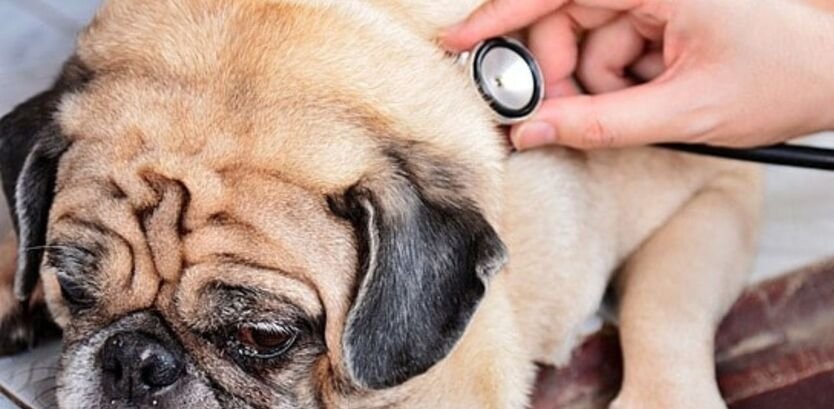
Recognizing the early signs of distress is the single most important thing a Pug owner can do. Do not mistake signs of struggle for “normal Pug sounds” or quirks.
Here are the key pug health problems symptoms to watch out for, broken down by system:
Respiratory Distress (BOAS Symptoms)
The moment your Pug starts making loud noises while breathing, it’s a red flag.
- Loud, Snorting, or Rasping Noises: Especially when inhaling, resting, or sleeping. If it’s loud enough to wake you up, it’s a symptom.
- Exercise Intolerance: Your Pug tires out much faster than expected or refuses to walk after a short distance.
- Gagging or Retching: This often happens when they are drinking water, eating quickly, or getting excited. The elongated soft palate can trigger a gag reflex.
- Blue or Purple Gums (Cyanosis): This is an emergency! If their gums or tongue turn a bluish color, it means they are not getting enough oxygen. Seek immediate veterinary care.
- Overheating/Heatstroke: Excessive, panicked panting with little cooling relief, followed by weakness or collapse. Pugs cannot efficiently cool themselves, making any heat a danger.
Eye Problem Symptoms
A Pug’s eyes should always look clear, shiny, and comfortable.
- Redness or Bloodshot Appearance: A sure sign of irritation or inflammation.
- Excessive Tearing or Discharge: Tearing that stains the fur is common, but watery, pus-like, or thick discharge could signal an infection or dry eye.
- Cloudy or Opaque Spot on the Eye: This can be a sign of a corneal ulcer. It will often look like a tiny, foggy spot on the clear surface of the eye.
- Frequent Pawing or Rubbing at the Face: Your Pug is trying to relieve pain or irritation.
- Holding an Eye Shut: This is usually a sign of intense pain, often due to a corneal scratch or ulcer.
Skin and Allergy Symptoms
Skin issues manifest as irritation and the dog’s attempts to relieve it.
- Redness and Wetness in Folds: Look deep inside the facial and tail wrinkles. If it’s red, moist, smells bad, or has black debris, it’s likely a skin fold infection.
- Excessive Scratching, Licking, or Chewing: Allergies often cause intense itchiness, usually focused on the paws, belly, ears, and face.
- Recurring Ear Infections: Frequent head shaking or dark, waxy discharge from the ears can be a sign of underlying skin allergies.
- Hair Loss: Patchy areas of missing fur can be related to chronic licking or underlying hormonal issues like hypothyroidism (which Pugs are also prone to).
Mobility and Joint Symptoms
Watch how your Pug moves, especially after resting or first waking up.
- Limping or “Skipping” Walk: A characteristic sign of a luxating patella.
- Stiffness: Trouble getting up from a lying position, especially in the morning or cold weather, which points to arthritis or hip dysplasia.
- Wobbly or Unsteady Hind Legs (Ataxia): The back end seems uncoordinated or drags slightly. This is a serious symptom that could point to spinal issues like Hemivertebrae or Pug Myelopathy (a progressive neurological condition).
- Trouble Jumping: Suddenly unable or unwilling to jump onto the sofa or go up stairs.
pug health risks
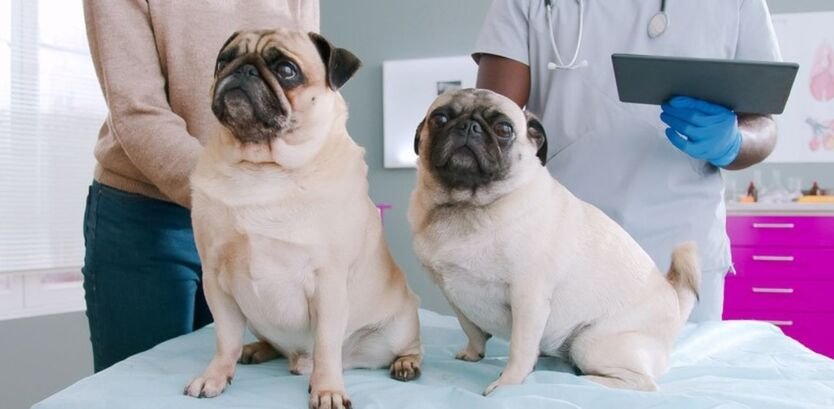
As an owner, you have control over several major factors that increase the pug health risks. Proactive management can dramatically improve your dog’s quality of life and may even reduce the severity of their inherited conditions.
Risk Factor 1: Obesity
Pugs love to eat, and their low exercise needs make them prone to weight gain. Obesity is arguably the most significant pug health risk because it severely worsens their pre-existing conditions.
- Worsens BOAS: Extra weight around the chest and neck compresses the already-narrowed airways, making breathing and cooling even harder.
- Strains Joints: Every extra pound puts stress on their small, sturdy frames, accelerating arthritis and pain from hip dysplasia and luxating patella.
Actionable Takeaway: Strict portion control is crucial. Work with your vet to determine an ideal target weight and feeding plan. Don’t rely on free-feeding and limit treats. Focus on shorter, stimulating walks and play rather than long, strenuous activity.
Risk Factor 2: Heat and Humidity
Due to their brachycephalic structure, Pugs cannot pant efficiently to cool themselves down. They are extremely susceptible to overheating and heatstroke, which can be fatal very quickly.
Actionable Takeaway: Never leave a Pug outside unattended in warm or humid weather. Walk them only during the coolest parts of the day (early morning or late evening). Carry a portable water bowl and, if traveling, a cooling mat. If your Pug starts panting heavily, get them into an air-conditioned space immediately and apply cool (not ice-cold) water to their belly, paws, and neck.
Risk Factor 3: Neglect of Skin Folds
Allowing the facial and tail wrinkles to remain moist or dirty is a direct path to painful skin infections.
Actionable Takeaway: Make daily fold cleaning a habit. Gently wipe the inside of the folds with a soft cloth or cotton ball dampened with a veterinarian-approved cleanser or just plain water, then be sure to dry them completely. The tail fold, often missed, is especially important to keep clean.
Risk Factor 4: Collars
Using a standard collar puts pressure directly on a Pug’s throat and windpipe, which can restrict their breathing and even cause them to collapse, especially if they pull on the leash.
Actionable Takeaway: Always use a harness for walks. A good harness redistributes the pressure safely across the chest and shoulders, leaving the neck and airway clear.
do pug dogs have health problems
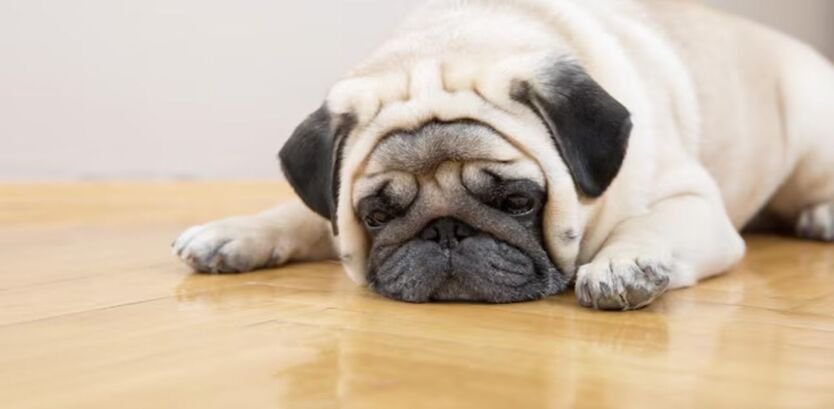
The short answer is yes, pug dogs have health problems that are strongly linked to their breeding and anatomical features. This is not a judgment, but a simple fact that every responsible owner must accept. Their unique characteristics that we find so charming are also the source of their medical vulnerabilities.
Understanding their inherited predispositions is not a reason to avoid the breed, but rather a call to provide the very specific care they need to thrive.
A Proactive Health Checklist for Pug Owners
Caring for a Pug means being proactive and consistent. Here is a summary of the most important preventative actions:
- Routine Veterinary Care: Annual (or twice-yearly for seniors) check-ups are non-negotiable. Discuss BOAS, joint pain, and weight management with your vet at every visit.
- Eye Protection: Check their eyes daily for redness, discharge, or injury. Keep bushes trimmed low in your yard to avoid scratches. Never allow them to hang their head out a car window, as fast-moving debris can cause serious eye trauma.
- Dental Care: Due to their compacted face, Pugs often have crowded teeth, which increases the risk of dental disease. Regular brushing is essential.
- Genetic Testing Awareness: If you are buying a puppy, choose a responsible breeder who performs genetic testing for conditions like Pug Dog Encephalitis (PDE) and screens for hip/elbow dysplasia. While PDE is rare, it is an extremely serious, fatal inflammatory disease of the brain specific to the breed.
The Pug is a resilient, loving, and deeply entertaining companion. With diligence and knowledge, you can manage their unique health needs and ensure that your silly, snorting friend enjoys a long life full of cuddles, play, and happy snorts.
Conclusion
The relationship you share with your Pug is one of unwavering devotion, laughter, and endless cuddles. While this delightful breed comes with specific health challenges, knowledge is your best tool. By being vigilant about their weight, protecting them from the heat, keeping their wrinkles clean, and scheduling routine veterinary care, you are actively managing their unique needs and ensuring your silly, snorting companion enjoys the longest, happiest life possible.
Frequently Asked Questions (FAQs)
Are the breathing issues just “normal” Pug sounds?
No. While some quiet snuffling is typical, loud, labored breathing, snorting, or wheezing, especially after light activity, is a key symptom of Brachycephalic Obstructive Airway Syndrome (BOAS). This indicates restricted airways and is a serious sign that requires veterinary attention. Don’t mistake distress for a quirky breed sound.
What is the best way to exercise a Pug without causing breathing problems?
Keep walks short and gentle. Only exercise in the coolest parts of the day (early morning or late evening). Use puzzle toys and short training sessions for mental stimulation instead of hard physical activity. Always use a harness, not a collar, to keep their airway clear. Stop immediately if they start breathing loudly.
How often do I need to clean my Pug’s wrinkles?
Daily cleaning is highly recommended. Focus on the deep facial wrinkle over the nose and the fold around the tail base. These areas trap moisture quickly, which can lead to infection. The process is simple: clean, and then thoroughly dry the folds every day.
Do Pugs have a shorter lifespan because of their health issues?
On average, yes, their health issues can affect their lifespan compared to some other breeds. However, with committed, proactive care, excellent weight management, and early intervention for conditions like BOAS, many Pugs can live happy lives into their early to mid-teens. Your diligence as an owner makes a huge difference.