Got a Newfoundland? Then you already know these fluffy giants are basically walking teddy bears who happen to drool and shed everywhere. And let’s be honest, grooming a Newf isn’t exactly a quick Saturday morning task.
But here’s the thing: when you get it right, your gentle giant will look absolutely stunning and feel incredible. These water-loving pups come with coats that were literally designed to handle icy ocean rescues. Pretty cool, right?
But that same amazing double coat that keeps them comfortable in freezing water can turn into a tangled nightmare if you don’t stay on top of it. Beneath that majestic, soot-colored coat and massive frame beats the heart of a gentle, water-loving giant!
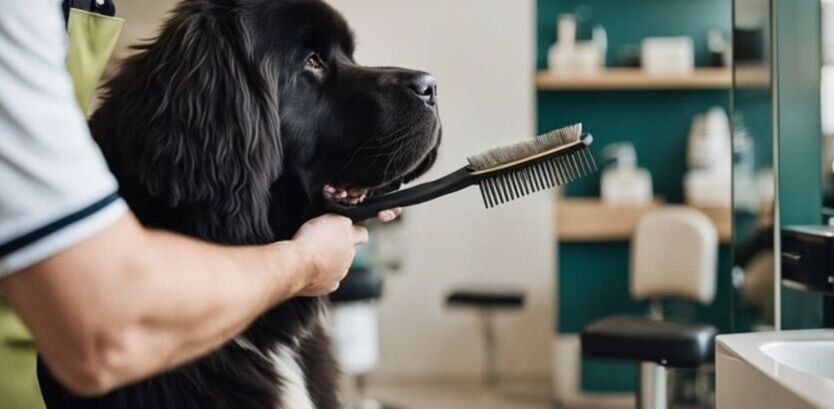
To master your Newfoundland grooming guides, consistency is your ultimate power move for managing that legendary double coat. These nanny dogs are prone to heavy shedding and tangles, making a high-quality slicker brush your best friend for maintaining their silky luster.
Because of their impressive size and love for the outdoors, regular ear cleaning and nail trims are the golden rule for total comfort. Prioritize deep-brushing sessions to prevent painful matting, ensuring your big explorer stays cool and debris-free.
Stay patient and thorough, and you’ll transform that fluffy bear into a pristine, majestic companion who truly rules the roost.
Newfoundland Dog Grooming Requirements
The Newfoundland is a unique breed. They were bred to be swimmers, haulers, and gentle companions. This history defines their grooming needs. Their coat is water-resistant and consists of two distinct layers.
The outer coat is long and flat, while the undercoat is soft and very dense. This double layer protects them from freezing water, but it also traps dirt, sticks, and loose fur like a magnet. This is why understanding Newfoundland dog grooming requirements is the first step for any owner.
You need to realize that these dogs shed year-round. However, twice a year, they blow their coats. This is a massive shedding event where the undercoat comes out in huge clumps. During these times, you will need to brush them every single day.
Standard requirements involve more than just hair. You have to think about their ears, paws, and skin health. Because they have heavy, floppy ears, air doesn’t circulate well inside. This can lead to infections if you don’t clean them regularly.
Their paws are also special because they are webbed for swimming. This means hair grows between the toes and can trap mud or ice, causing discomfort. Keeping this hair trimmed is a basic requirement for a happy Newfie.
When we talk about requirements, we also have to talk about space and time. You need a dedicated area where you can safely secure your dog. Because they are so large, many owners find that a professional-grade grooming table with a heavy-duty arm is the only way to save their own backs.
Hydration is another hidden requirement. A dog with this much coat can overheat quickly during a grooming session. Always make sure they have access to fresh water and that the room is well-ventilated. If the dog gets too stressed or hot, take a break.
Proper skin assessment is a weekly requirement. You aren’t just looking for knots. You are looking for ticks, fleas, or any changes in skin color. Because the coat is so thick, problems can hide for a long time before they become visible on the surface.
Newfoundland Dog Puppy Grooming
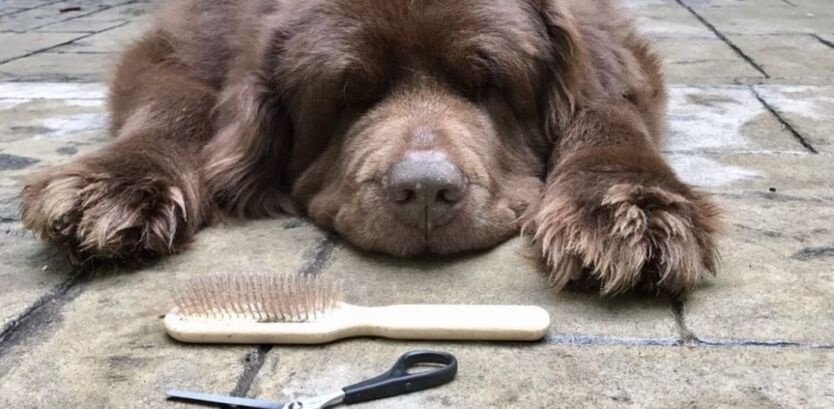
Starting early is the secret to success. A Newfoundland dog puppy groom is less about removing massive amounts of fur and more about training. You want your puppy to love being handled.
Puppies have a softer, fluffier coat that doesn’t matte as easily as the adult coat, but don’t let that fool you. If you wait until they are 150 pounds to start grooming, you are going to have a hard time.
Introduce the brush while they are calm. Let them sniff the tools. Use plenty of treats to create a positive association. Focus on touching their paws, ears, and belly. These are sensitive areas where most dogs get nervous.
A puppy groom should also include getting them used to the sound of a blow dryer. Since Newfies are huge, air-drying takes forever and can lead to skin issues. A high-velocity dryer is a staple tool, and your puppy needs to know it isn’t a monster.
Start by running the dryer in the same room without pointing it at the puppy. Let them get used to the loud humming noise. Once they are comfortable, use the lowest setting to blow air near them. Gradually move closer until they realize the warm air feels good.
Even if they don’t look like they need a bath, give them one. Practice standing in the tub or on a grooming table. This builds the muscle memory they need for the rest of their lives.
You should also practice checking their teeth and cleaning their ears at least once a week. Puppies are much easier to manage when they weigh 30 pounds than when they weigh 130 pounds. If they learn that grooming is a time for calm attention and snacks, they will be much better behaved as adults.
Don’t forget the nails! Puppy nails are like little needles. Trimming just the very tips every week gets them used to the sensation of the clippers. This prevents a lifetime of “paw-shyness” which is common in giant breeds.
Newfoundland Grooming Tips
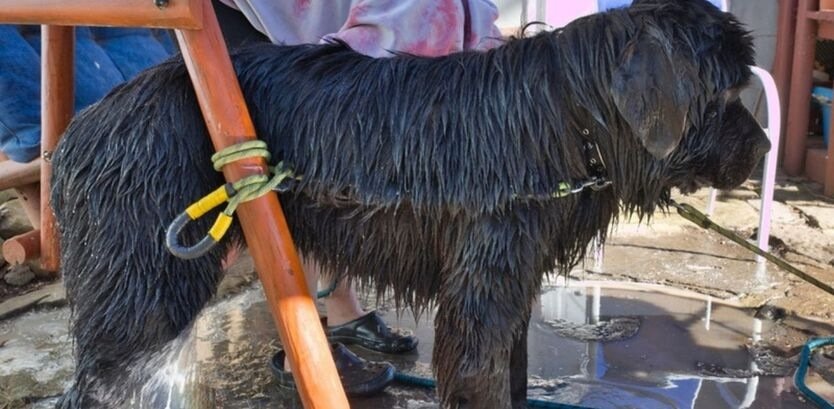
If you want to save your sanity, you need some expert Newfoundland grooming tips. The first tip is to never brush a dry coat. Brushing dry hair can cause the fur to break and create static.
Use a conditioning spray or even a simple mix of water and a little conditioner in a spray bottle. Lightly mist the fur before you start. This makes the brush glide through and helps release tangles without pulling the skin.
Another big tip is the line brushing technique. This is where you pull the hair up with one hand and brush the hair down underneath it, layer by layer. This ensures you are reaching the skin and not just skimming the top of the coat.
Many owners overlook the importance of hot spot care. Newfies are prone to these painful skin irritations because moisture gets trapped in their thick fur. If your dog goes swimming or gets a bath, they must be dried completely.
Check for any red or damp spots on the skin daily. If you find one, keep the area clean and dry. Many breeders recommend using a dedicated hot spot spray to soothe the area before it gets worse.
For more visual learners, check out Newfoundland dog grooming videos. Seeing the motion of the brush and how to handle the shears can make a world of difference. There are great resources on YouTube, such as the LivingwithBIGdogsNewfangled channel, which offers Part 1 and Part 2 guides for big dog maintenance.
One professional tip is to use a high-velocity dryer even when the dog is dry. This is called “blowing out” the coat. The powerful air can blast out dust, dander, and loose undercoat that a brush might miss. It is a great way to freshen up the dog between baths.
When you find a stubborn knot, try using a little cornstarch. Rubbing cornstarch into a mat helps lubricate the hair fibers, making it much easier to pull apart with your fingers or a comb. It’s an old groomer’s trick that works wonders on Newfies.
Always work from the bottom up. Start with the legs and move toward the body. This prevents you from pushing tangles down into areas you have already finished. It also makes the task feel more organized and less overwhelming.
Standard Newfoundland Grooming Guide
The standard Newfoundland grooming guide is built around the breed’s function. In the show ring, the goal is to emphasize the dog’s natural silhouette. This means the dog should look like a powerful swimmer and hauler.
The standard emphasizes a natural look. You shouldn’t clip a Newfie like a Poodle. Instead, you use thinning shears to tidy up the outline. The ears should be trimmed of excess “fuzz” to look neat and blend into the head.
The feet should be trimmed into a neat, round “cat foot” shape. This prevents the dog from tracking in too much debris and helps them move efficiently. The hocks, which are the back parts of the lower legs, should also be trimmed to show a clean line.
Underneath the tail and around the sanitary areas, keep the hair shorter for cleanliness. However, the rest of the body should maintain its thick, protective coat. The Standard is a set of criteria that judges use, and maintaining that look helps preserve the breed’s majestic appearance.
Type comprises those characteristics which distinguish the Newfoundland from other breeds. A well-groomed Newfie should look strong, balanced, and ready for work. The coat should be oily enough to repel water but clean enough to touch without feeling greasy.
Judges look for a dog that appears “fit for purpose.” If the coat is too long and shaggy around the legs, it looks like it would snag on brush or weigh the dog down in the water. That is why the neatening of the feathers on the legs is so important.
The chest should look broad and deep. You can achieve this by lightly thinning the hair on the front of the chest so it doesn’t look like a messy “lion’s mane.” You want to show the structure of the dog without removing the essential protection of the fur.
Proper evaluation of type and soundness takes years of study. But for a pet owner, following the standard just means your dog looks like the majestic creature they were born to be. It keeps them functional and comfortable in their environment.
Proper Grooming for Newfoundland Dog
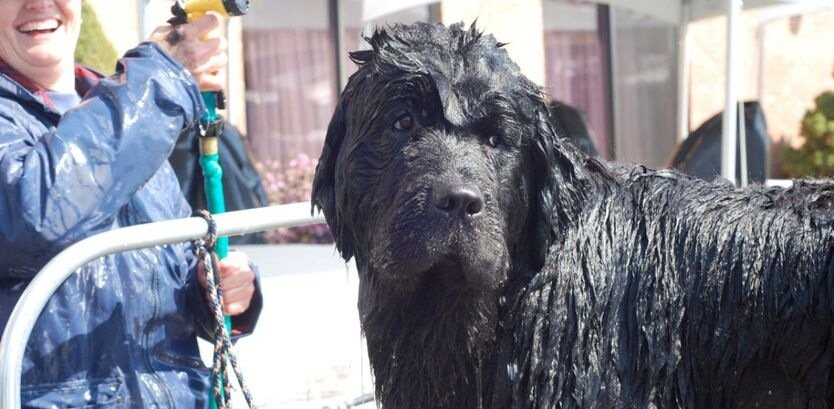
Achieving proper grooming for a Newfoundland dog requires the right toolkit. You cannot get by with just a cheap brush from the grocery store. You need heavy-duty equipment.
A high-quality slicker brush is your most used tool. It helps pull out loose undercoat and breaks up small tangles. You will also need an undercoat rake. This tool reaches deep into the thickest parts of the fur to remove dead hair before it turns into a mat.
A long-toothed metal comb is essential for checking your work. After you think you are finished brushing, run the comb through. If it catches, there is still a knot that needs attention.
Essential Grooming Tools
- Slicker Brush: For daily maintenance and smoothing.
- Undercoat Rake: For removing the heavy winter fluff.
- High-Velocity Dryer: To get the skin completely dry after a swim.
- Thinning Shears: For shaping the ears and paws.
- Metal Greyhouse Comb: For finding hidden mats.
- Ear Cleaning Solution: To prevent infections in those heavy ears.
Bathing a Newfie is a big project. You need a shampoo that is designed for double-coated breeds. It should clean deeply without stripping the natural oils that make their coat water-resistant.
Make sure you rinse until the water runs completely clear. Any soap left in the coat will cause itching and skin problems. This is where that high-velocity dryer comes in again. It literally blows the water off the skin, which is much faster than towel drying.
Maintaining the Majestic Look
To keep your Newfie looking like a pristine, majestic companion, you have to be consistent. It is much easier to spend 15 minutes a day brushing than five hours once a month trying to cut out mats.
Pay special attention to the “friction areas.” These are the spots behind the ears, under the armpits, and around the tail. These areas mat the fastest because of the movement of the dog.
If you do find a mat, don’t just reach for the scissors. Cutting a mat out can leave a hole in the coat that takes months to grow back. Instead, use a de-matting tool or your fingers to gently pull it apart after soaking it in some conditioner.
Dealing with the Drool
We can’t talk about Newfie grooming without mentioning the drool. It gets everywhere, including their chest and neck fur. This “slime” can harden and cause the fur to stick together.
Keep a “drool bib” or a towel handy. Wiping their face after they drink can save you a lot of grooming time later. If the fur on their chest gets crusty, a quick wipe with a damp cloth and a little bit of leave-in conditioner will keep it soft.
Nail and Paw Care
Because Newfoundlands are so heavy, their nails need to be kept short. Long nails can change the way the dog walks and lead to joint pain or even arthritis over time.
If you can hear their nails clicking on the floor, they are too long. Use a heavy-duty nail clipper or a grinder. Since many Newfies have black nails, it is hard to see the “quick” or the blood vessel. Take small snips to avoid hurting them.
Trim the hair on the bottom of the paws so it is flush with the pads. This gives them better traction on slippery floors and prevents them from sliding around. It also stops them from bringing half the garden into your living room!
The Importance of the Blow Dry
Many owners make the mistake of letting their Newfoundland “air dry.” Because the coat is so dense, it can take over 24 hours for the skin to get dry on its own.
This creates a warm, damp environment that is perfect for bacteria and fungus. This is the primary cause of hot spots. Investing in a high-velocity dryer is the best thing you can do for your dog’s skin health.
When drying, work in sections. Start at the rear and move forward. Use the air to push the water away from the skin. You will see the water fly off in a mist. Keep going until the base of the hair feels warm and dry to the touch.
Seasonal Changes and “Blowing” the Coat
As the seasons change, your Newfoundland will go through a major shedding phase. This is most common in the spring and fall. You will notice “tufts” of fur sticking out from the coat.
During this time, the undercoat rake is your best friend. You may fill up several trash bags with fur in a single week. Don’t be alarmed; this is a natural process. Removing this dead hair allows the new coat to grow in health and keeps the dog’s temperature regulated.
If you don’t remove the dead undercoat, it will “compact.” Compacted fur blocks airflow to the skin and can lead to severe matting that requires a professional to shave the dog down. For a Newfie, being shaved is a last resort, as it exposes their sensitive skin to the elements.
The Role of Nutrition in Coat Health
Proper grooming starts from the inside out. A dog’s coat is a reflection of their overall health. If your Newfie has a dull, brittle coat, they might be missing essential nutrients.
Omega-3 fatty acids, often found in fish oil, are excellent for maintaining that “silky luster” we all want. Consult with your vet about adding a supplement to their diet. High-quality protein is also essential for hair growth.
A healthy coat is much easier to groom. It will have more elasticity and be less likely to snap or tangle. When the skin is healthy and moisturized from within, you will see fewer flakes and less itching during the dry winter months.
Conclusion
Grooming a Newfoundland is a labor of love. It is a time for you to bond with your dog and check their body for any lumps, bumps, or pests like ticks.
When you follow these Newfoundland grooming guides, you aren’t just making your dog look good. You are ensuring they stay healthy, cool, and comfortable in their massive frames.
It might seem like a lot of work at first, but once you establish a routine, it becomes a relaxing part of your life together. Your Newfoundland will thank you with plenty of leans and gentle paw-pats.
Frequently Asked Questions
How often should I brush my Newfoundland?
You should aim for a thorough brushing at least two to three times a week. During shedding season, daily brushing is necessary to keep the hair in your house under control and prevent mats from forming at the skin level.
Can I shave my Newfoundland in the summer to keep them cool?
No, you should never shave a double-coated dog like a Newfie. Their coat acts as insulation against the heat just as much as it does against the cold. Shaving them ruins the coat texture and makes them more prone to heatstroke and sunburn.
How do I get my Newfie to stay still during grooming?
Start young and use high-value treats like pieces of chicken or cheese. Break the grooming session into small parts so the dog doesn’t get bored or tired. You don’t have to do the whole dog at once; do the front half one day and the back half the next.
What is the best way to handle “Newfie slime” in the coat?
Use a damp microfiber cloth to wipe the chest and neck daily. If the drool has dried and become crusty, use a bit of waterless shampoo or grooming spray to soften it before gently brushing it out with a slicker brush.
How do I know if my Newfoundland has a hot spot?
Look for an area where the dog is constantly licking or biting. The skin will look red and wet, and the hair may look “glued” to the skin. If you find one, dry it immediately and consult your vet if the area continues to grow or looks infected.
What kind of shears should I use for trimming?
For pet owners, a pair of thinning shears (shears with teeth on one or both sides) is safer and more forgiving than straight scissors. They allow you to remove bulk and tidy up the ears and feet without leaving harsh “chopped” lines in the fur.
How long does a full grooming session take
If you stay on top of daily brushing, a full “deep” groom including a bath and dry can take between 3 to 5 hours depending on the size of the dog and the thickness of their coat.