Bulldogs come in a number of varieties including French, American, English, and the Old English Bulldog. Each has a different set of physical characteristics, including size and weight, but most share a few similarities. These include the smooshed face like Pugs, thick muscles, and heavy bones. All of these features add up to a dog that isn’t built for swimming.
You may have seen videos of Bulldogs swimming before and wonder why some do and some don’t. Why can’t some Bulldogs swim? Should you take your Bulldog swimming? What if you have a dog who loves the water? How can you keep your Bulldog safe? While certain traits can be desirable to breeders, they can increase the number of health issues the animal experiences over their lifetime.
Many veterinarians consider Bulldogs as the breed they wouldn’t want to own because of the extensive respiratory problems they face. Because of this, Bulldogs shouldn’t be allowed to swim recreationally without extreme care. Summer has officially arrived and here at the sanctuary, we couldn’t be more happy about it! This is a great season for bonding with your dog and enjoying summer activities outdoors.
With so much to look forward to, it’s likely you’ll already be planning ways to make the most of the longer, sunny days any chance you get. Our Bulldog Swimming Guide is here to help you navigate these waters safely. We want to ensure your courageous companion stays cool and happy without ever being in danger.
Can Bulldog Swim
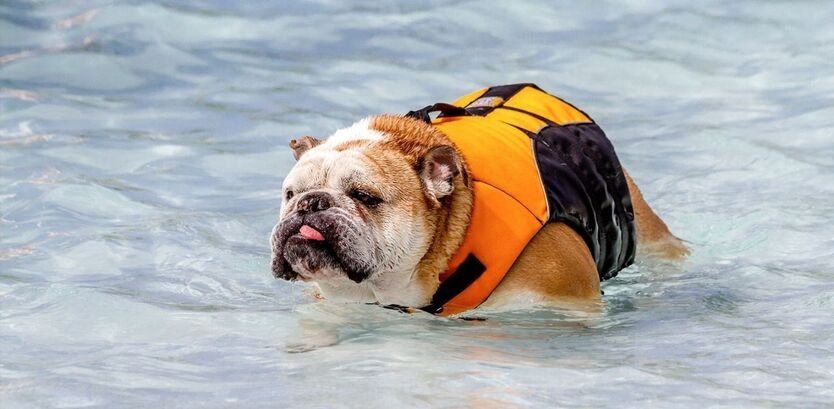
The short answer is: not naturally. While almost all dogs have an instinct to “doggy paddle” when they hit the water, Bulldogs face massive physical challenges. Their bodies are simply not designed for buoyancy. If you place a Bulldog in deep water without a life jacket, they will likely sink like a stone.
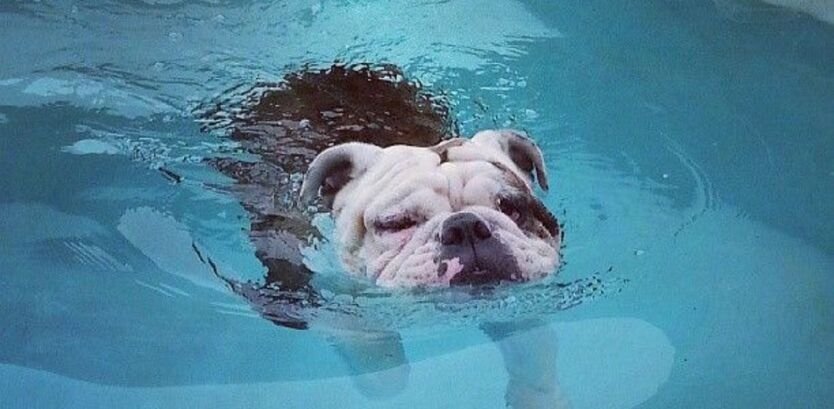
One major reason is their weight distribution. Bulldogs are very front-heavy. They have large, dense heads and broad chests. This means that when they try to swim, their front end tips forward. This forces their nose and mouth under the water. Because they have short legs, they can’t kick hard enough to keep that heavy front end up.
Another factor is their breathing. Bulldogs are a brachycephalic breed. This is a fancy word for dogs with short, flat faces. Because their airways are smaller, they have to work much harder to breathe. Swimming is a very tiring exercise. A Bulldog can get out of breath very quickly, leading to panic or even secondary drowning if they inhale water.
So, while a Bulldog can move their legs in the water, they cannot swim in the traditional sense. They need human help, constant supervision, and the right equipment to stay afloat. Without these, the water can be a very dangerous place for them.
Bull Dog Puppies Swimming
If you have a young Bulldog, you might be tempted to start their water training early. This is actually a great idea, but it must be done with extreme caution. Bulldog puppies swimming sessions should be more about “water play” than actual swimming. At a young age, they are still developing their muscles and coordination.
Start by using a very shallow kiddie pool. The water should only reach their ankles. This helps them get used to the sensation of water on their paws without the fear of sinking. Use lots of praise and treats to make the experience positive. You want them to associate the water with fun and rewards.
As they grow, you can slowly increase the water level, but never leave them alone. Even a few inches of water can be dangerous for a puppy if they trip or get tired. Always make sure they are wearing a tiny life vest, even in a small pool. This builds the habit early on.
Puppies also tire out much faster than adult dogs. Keep your sessions very short. Five to ten minutes is plenty of time for a young pup. If you see them shivering or slowing down, take them out immediately, dry them off, and let them rest in a warm spot.
Are Bull Dog Good Swimmers
To be honest, Bulldogs are not good swimmers. In the world of dogs, they are at the bottom of the list when it comes to aquatic talent. Breeds like Labradors or Golden Retrievers were bred to swim. They have long legs, athletic bodies, and often have webbed feet. Bulldogs, on the other hand, were bred for strength and stability on land.
Because they lack a tail that acts as a rudder and have very short limbs, they struggle to steer in the water. Most of their energy goes into just trying to keep their head above the surface. This makes them very inefficient in the water. They burn through their energy reserves in a matter of minutes.
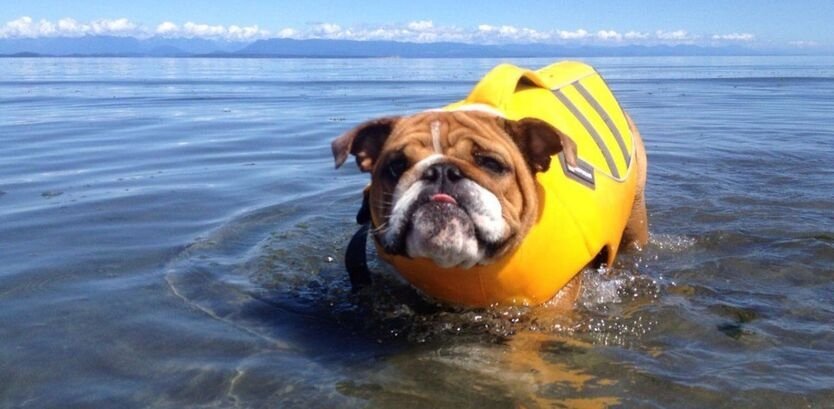
However, just because they aren’t “good” swimmers doesn’t mean they can’t enjoy the water. With a high-quality life jacket, a Bulldog can enjoy a cool dip in the pool. The life jacket does the work of keeping them buoyant, allowing them to paddle around without the risk of sinking.
In this context, they can become “confident” in the water, even if they aren’t “good” at it naturally. The key is to manage your expectations. Your Bulldog will never be a champion diver, but they can certainly be a happy splasher with your help.
Bull Dog Swimming Ability
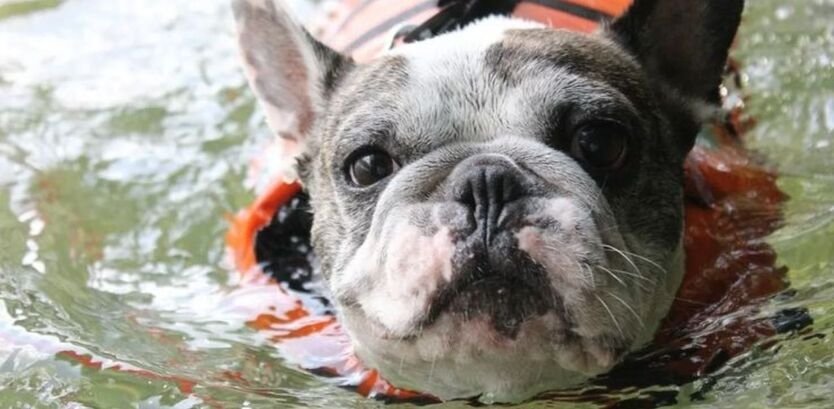
When we talk about Bulldog swimming ability, we are really talking about their endurance and physical limits. Their ability is limited by three main things: their shape, their weight, and their lungs.
The Physical Shape A Bulldog’s body is like a brick. Bricks don’t float. Their center of gravity is very far forward. In the water, this causes their back end to rise and their head to dip. To counter this, they have to strain their necks upward, which makes it even harder for them to breathe.
Muscle Density Bulldogs are incredibly muscular. While muscle is great for looking tough, it is much denser than fat. Dense muscle sinks. This is why a Bulldog feels so heavy when you pick them up. In the water, that weight pulls them down constantly.
Respiratory Limits Because of their flat faces, Bulldogs often suffer from “Brachycephalic Airway Syndrome.” This means they have narrow nostrils and a long soft palate. When they get excited or work hard, they can’t get enough oxygen. Swimming is a full-body workout that demands lots of oxygen. This is why Bulldogs often overheat or struggle to catch their breath in the water.
To improve their ability safely, you can use hydrotherapy. This is swimming in a controlled environment with a professional. It is a low-impact way to help them lose weight and build muscle without putting stress on their joints.
Bull Dog Swimming Facts
Understanding the facts can help you become a better owner. Here are some essential Bulldog swimming facts every parent should know:
- Fact 1: Bulldogs can develop “dry drowning” or “secondary drowning.” This happens if they inhale even a small amount of water. It can cause lung issues hours after they have left the pool. Always watch for coughing or lethargy after swimming.
- Fact 2: Most Bulldogs actually enjoy being cooled down. Since they overheat easily, a shallow splash pad can be their favorite summer toy.
- Fact 3: Life jackets are not optional. For a Bulldog, a life jacket is a life-saving medical device in the water.
- Fact 4: They are top-heavy. If a Bulldog falls into a pool, they often fall head-first, making it very hard for them to turn around or find the stairs.
- Fact 5: Sunburn is a real risk. Bulldogs have sensitive skin, especially on their noses. If they are out in the sun swimming, they need pet-safe sunscreen.
Tips for a Safe Swim
If you decide to let your Bulldog enjoy the water, follow these steps to keep them safe:
- Invest in a Life Jacket: Look for one with a handle on the back. This allows you to grab them quickly if they get into trouble.
- Stay in the Shallows: Keep them in areas where they can touch the bottom. This reduces panic and exhaustion.
- Rinse Off After: Chlorine and salt can irritate a Bulldog’s sensitive skin and wrinkles. Always give them a good fresh-water rinse after a swim.
- Dry the Wrinkles: This is the most important step! Bulldogs have deep skin folds. If water stays trapped in there, it can cause nasty infections. Dry every single fold thoroughly.
- Watch the Temperature: If it is too hot outside, the exercise of swimming can cause heatstroke. Only swim during the cooler parts of the day.
Conclusion
The goal of this Bulldog Swimming Guide is to help you enjoy the summer with your best friend. You don’t have to keep your Bulldog away from the water entirely. You just need to be their protector.
Think of yourself as their personal lifeguard. When you take the right precautions, the water can be a place of joy and exercise. Whether it’s a backyard pool, a calm lake, or just a plastic tub in the garden, your Bulldog will appreciate the chance to stay cool.
Remember to keep sessions short, keep the gear on, and always keep your eyes on them. With these steps, your “aquatic powerhouse” can make a splash without any of the risks.
Common Questions About Bulldogs and Water
Can Bulldogs ever swim without a life jacket?
It is highly recommended that you never let a Bulldog swim without a life jacket. Even if they seem to be doing okay, they can tire out in seconds. Because of their physical build, they cannot tread water like other breeds. Safety should always come first.
How do I know if my Bulldog is tired?
Watch for signs like heavy panting, their rear end sinking lower in the water, or a look of panic in their eyes. If they stop moving their legs or start splashing frantically, they are exhausted. Take them out immediately.
Is swimming good for Bulldog joints?
Yes! Swimming is an excellent, low-impact exercise. Many Bulldogs suffer from hip dysplasia or joint pain. In a life jacket and a controlled environment, water allows them to move their joints without the pressure of their body weight.
What should I do if my Bulldog falls in the water?
Stay calm but act fast. Reach for the handle on their life jacket or scoop them up from under their chest. Once they are out, keep them calm and monitor their breathing. If they were submerged for any amount of time, a quick trip to the vet is a good idea to check for water in the lungs.
Are some Bulldogs better swimmers than others?
American Bulldogs and Old English Bulldogges sometimes have slightly longer legs and longer snouts than English or French Bulldogs. This can give them a minor advantage. However, the rule remains the same for all: they are generally poor swimmers and need supervision.