Golden Retrievers are known for their friendly nature, intelligence, and loyalty, making them one of the most popular dog breeds worldwide. As highly social and active dogs, Golden Retrievers require a well-rounded approach to care, including proper diet, grooming, exercise, and mental stimulation. This guide provides everything you need to know to care for a Golden Retriever, ensuring your pet enjoys a happy and healthy life.
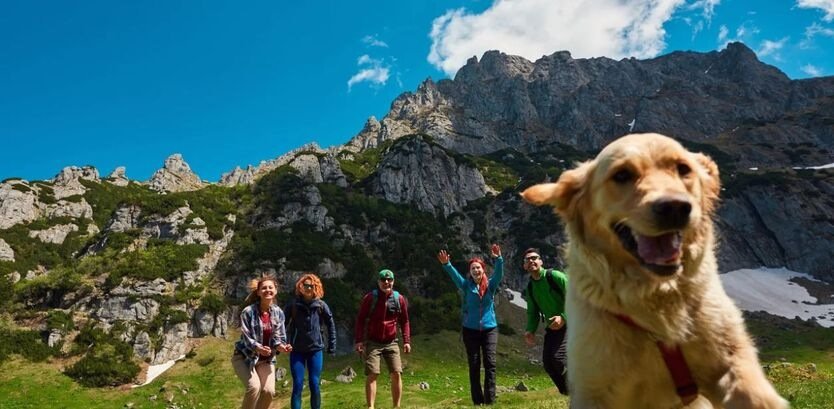
Hiking combines multiple beloved canine activities into a single outing: sniffing, adventuring, barking, running, and maybe even swimming, depending on where you hike. For your dog, it’s the equivalent of taking a child into a candy store. They’re bombarded with sensory input that keeps them motivated, excited, and interested, all day long.
Meanwhile, you get to relax, take in nature, and enjoy a bit of time away from your regular hustle and bustle. Now, here’s the catch: hiking can be dangerous for both you and your dog if you don’t take the right precautions. From the dangers of standing water to how to determine your dog’s endurance, we’ll teach you how to make it safer in this post.
can golden retrievers hike
The short answer is a resounding yes! Golden Retrievers were originally bred as gun dogs to retrieve waterfowl and upland game birds. This history means they are built for stamina, agility, and spending long hours outdoors. Their athletic build and natural “will to please” make them one of the best breeds for hitting the trails.
However, just because they can hike doesn’t mean they should jump into a ten-mile mountain trek without preparation. Like humans, Goldens need to build up their fitness levels. If your dog is used to short walks around the block, a steep hike might be too much too soon.
When asking if they can hike, you also have to consider their thick double coat. This coat is great for protecting them from brambles and light rain, but it can cause them to overheat quickly in the sun. Always check the weather before you go. If it’s over 75 degrees and humid, your Golden might struggle.
hiking with golden retriever puppy
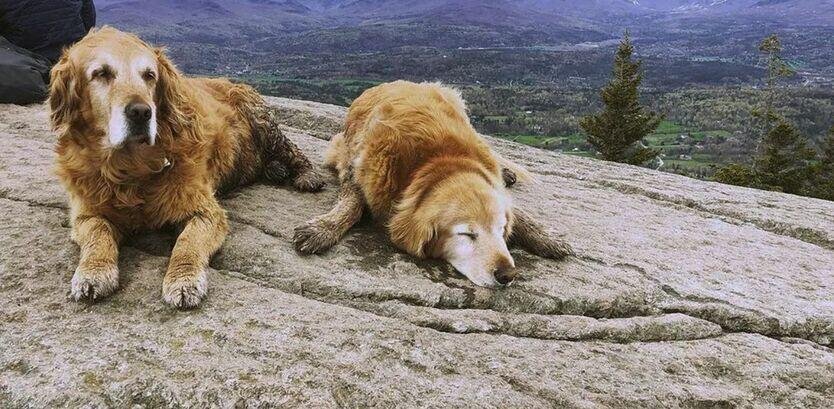
Taking a puppy on a hike is a dream for many owners, but you have to be very careful. A Golden Retriever puppy’s bones and joints are still developing. Their growth plates don’t fully close until they are between 12 and 18 months old. Pushing a puppy too hard too early can lead to lifelong joint issues like hip dysplasia.
A good rule of thumb is the five-minute rule. This means five minutes of structured exercise per month of age, up to twice a day. For a four-month-old puppy, that is only 20 minutes of walking. A “hike” for a puppy should really just be a short, slow exploration of a flat trail.
Focus on socialization rather than distance. Let your puppy experience different textures like mud, leaves, and gravel. Use this time to practice basic commands in a new environment. Keep the sessions short and fun, and always be ready to carry them if they start to lag behind.
golden retriever walking guide
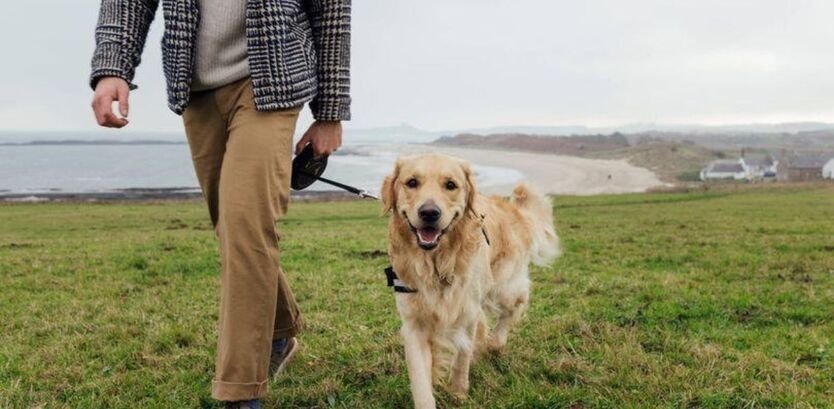
Before you graduate to mountain peaks, you need a solid foundation. A proper walking routine is the best way to condition your dog for future adventures. Start with daily walks on varied terrain. Walking on grass, sand, or dirt helps toughen up their paw pads and builds the stabilizer muscles they’ll need on a rugged trail.
Master the Leash First Goldens are strong and can be “pullers” when they get excited by a squirrel or a new scent. Practice loose-leash walking in your neighborhood before trying it on a narrow trail. A front-clip harness is often a great tool for Goldens because it gives you more control without putting pressure on their neck.
Work on Recall Even if you plan to keep your dog leashed, a strong “come” command is a lifesaver. If a leash breaks or you encounter a dangerous animal, you need to know your dog will return to you instantly. Practice this with high-value treats in increasingly distracting environments.
Pace Your Progress Don’t jump from a 20-minute walk to a 2-hour hike overnight. Add about 10% more distance or time each week. This slow build-up gives their heart, lungs, and joints time to adapt to the increased workload.
golden retriever hike
When you are finally ready for a real Golden Retriever hike, the preparation shifts to gear and safety. You aren’t just taking a walk; you are embarking on a mission where you are the pack leader responsible for all logistics.
Water is Non-Negotiable Golden Retrievers are notorious for drinking from puddles and streams. While it looks natural, these water sources can carry parasites like Giardia or Leptospirosis. Carry a collapsible bowl and plenty of fresh water. A good rule is to offer your dog a drink every time you take one.
Protect Those Paws While their paws are tough, jagged rocks or hot summer pavement can cause painful tears or burns. Consider using a paw balm before the hike to create a protective barrier. For very rocky or icy terrain, high-quality dog booties are the best way to prevent injury.
The Post-Hike Inspection Once you get back to the car, the job isn’t done. Give your Golden a full “nose-to-tail” check. Look for ticks, especially in their thick “feathers” around the legs and ears. Check their paw pads for thorns or small stones stuck between their toes. A quick brush-down will also help remove any burrs or seeds they picked up.
golden retriever good hiking dogs
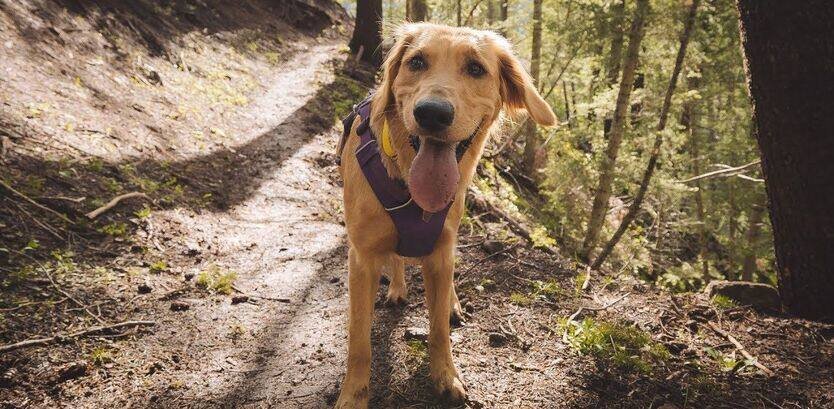
So, are Golden Retrievers good hiking dogs? Absolutely. They rank near the top of the list for outdoor companions for several reasons. Their temperament is a huge factor. They are generally friendly toward other hikers and dogs, which makes trail etiquette much easier to manage.
Natural Athleticism Goldens have a powerful gait and a deep chest that allows for good oxygen intake. This makes them capable of handling moderate inclines and long distances once they are conditioned. Their love for water also means they won’t hesitate to cross a shallow stream, which can be a hurdle for less adventurous breeds.
Unlike some hounds or terriers that might catch a scent and disappear, Goldens tend to be “Velcro dogs.” They want to stay near their humans. This natural instinct makes them safer on the trail because they are less likely to wander off into dangerous territory.
Versatility Whether you are doing a brisk forest loop or a weekend backpacking trip, a Golden can adapt. They are sturdy enough to carry a small dog pack with their own poop bags and water, though you should never load a pack that weighs more than 10-15% of their body weight.
Essential Gear for Your Golden Retriever
To make your hiking experience as smooth as possible, having the right kit is essential. Here is a quick checklist of what your Golden needs:
- A sturdy, non-retractable leash: Retractable leashes are dangerous on trails as they can get tangled in brush or trip other hikers.
- Brightly colored harness: This helps you spot your dog in dense brush and lets other hikers know they are a pet, not wildlife.
- Collapsible bowl: Lightweight and easy to clip to your bag.
- High-calorie treats: Hiking burns a lot of energy. Bring “jackpot” treats to keep their motivation high.
- Pet first aid kit: Include tweezers for ticks, antiseptic wipes, and self-clinging bandages.
Common Trail Hazards to Watch Out For
Even the most athletic Golden Retriever faces risks in the wilderness. Being aware of these common issues will keep your trip “tail-waggingly” safe:
Overheating and Heatstroke Because Goldens have such a thick coat, they can’t cool down as efficiently as humans. Watch for excessive panting, a dark red tongue, or stumbling. If you see these signs, get your dog into the shade immediately and apply cool (not ice-cold) water to their belly and paws.
Toxic Plants and Algae Be careful around ponds with “pea soup” looking water, as blue-green algae can be fatal to dogs. Also, learn to identify local toxic plants like foxtails, which can get stuck in your dog’s ears or between their toes and cause serious infections.
Wildlife Encounters Goldens are friendly, but a bear, coyote, or rattlesnake will not be. Keep your dog close. If you encounter wildlife, stay calm, keep your dog quiet, and back away slowly. Never let your dog “investigate” a wild animal.
Conclusion
Hiking with your Golden Retriever is one of the best ways to bond. By following these Golden Retriever hiking tips, you ensure that every trip to the mountains is a safe, happy, and memorable experience. The mountains are calling, and your best friend is ready to lead the way!
Frequently Asked Questions
How many miles can a Golden Retriever hike in a day?
A healthy, adult Golden Retriever that is properly conditioned can often hike 10 to 15 miles. However, this depends entirely on the terrain, elevation, and weather. Always start small and watch for signs of fatigue like lagging behind or lying down.
Do Golden Retrievers need boots for hiking?
It depends on the trail. For soft forest floors, they are usually fine barefoot. For sharp volcanic rock, snowy trails, or very hot sand, boots provide necessary protection. If you don’t use boots, apply a paw wax to help prevent cracking.
At what age can I start taking my Golden on long hikes?
Most vets recommend waiting until your Golden is at least 12 to 18 months old before doing strenuous or long-distance hikes. This ensures their joints are fully formed and strong enough to handle the impact.
Should I let my Golden Retriever off-leash while hiking?
Only if the trail allows it and your dog has 100% reliable recall. Even then, it’s often safer to keep them leashed. Off-leash dogs can disturb wildlife, run into aggressive dogs, or get lost if they chase a scent.
How do I keep my Golden Retriever cool during a summer hike?
Hike during the early morning or late evening. Choose trails with plenty of shade or water access. You can also use a “cooling vest” that you soak in water to help regulate their body temperature through evaporation.