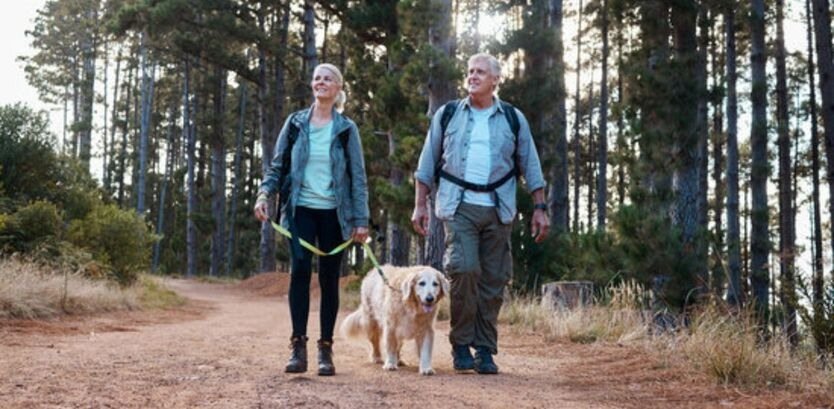
It is no secret to those of us who love the outdoors that dogs are the ultimate adventure companions! Honest and true, hard-working and dependable, it is no wonder that dogs have earned the reputation of “man’s best friend.” I am lucky to have two incredible pups that make my life and my outdoor exploration a never-ending parade of laughs, fun, and adventure.
I have been getting a lot of comments and questions from people who are looking to bring their dogs on the sorts of adventures that experienced trail dogs get to enjoy on a regular basis. I figured it would be best to put together a post detailing the process from puppy to trail warrior.
Most dogs, regardless of size, make excellent hiking companions if they are physically fit for the level of hiking that you plan to do, if they are obedient, if they are socialized among people and other dogs, and if the weather is not too hot. These are important “ifs.”
In short, hiking with dogs takes more thought and preparation than simply starting up a trail. If you are thinking of taking a four-legged pal on a hike, here are some things to keep in mind that will keep you, your dog, and other hikers happier and the environment healthier.
can Labrador Retriever hike
Yes, Labrador Retrievers can definitely hike! In fact, they are often cited as one of the best breeds for outdoor adventures. Because they were originally bred as working dogs to retrieve game in rugged conditions, they have the natural stamina and “work hard, play hard” attitude that fits perfectly with life on the trail.
However, just because they can hike does not mean every Lab is ready for a ten-mile mountain trek today. You have to consider their current fitness level. A Lab that spends most of its time on the couch will need several weeks of conditioning before tackling steep switchbacks or rocky peaks.
Temperature is another huge factor. Labs have a thick double coat that is great for cold water but can cause them to overheat quickly on land. If the temperature is high, your Lab might struggle. Always plan your hikes for the cooler parts of the day to keep them safe.
Another consideration is their weight. Labrador Retrievers are prone to obesity. If your Lab is carrying a few extra pounds, the strain on their heart and joints during a steep hike can be dangerous. It is always a good idea to visit your vet for a check-up before starting a new, intense hiking routine.
hiking with Labrador Retriever puppy

Taking a Labrador Retriever puppy hiking is a wonderful way to bond, but you must be very careful with their growing bodies. Puppies have soft growth plates at the ends of their bones that do not fully harden until they are between 12 and 18 months old.
If you take a young puppy on a long, strenuous hike, you risk causing permanent joint damage or hip dysplasia later in life. A good rule of thumb is the 5-minute rule: give your puppy 5 minutes of formal exercise for every month of their age, up to twice a day. So, a 4-month-old puppy should only be doing about 20 minutes of steady walking.
For a Labrador Retriever puppy, the “hike” should feel more like a slow exploration. Let them sniff, climb over small logs, and get used to the sounds of the woods. Focus on training rather than distance. This is the perfect time to practice “sit,” “stay,” and a reliable recall while in a new environment.
You should also wait until your puppy is fully vaccinated before taking them to popular trailheads. Parvovirus and other diseases can live in the soil and are easily picked up by young pups who do not have full immunity yet. Safety starts with their health first.
Labrador Retriever walking guide
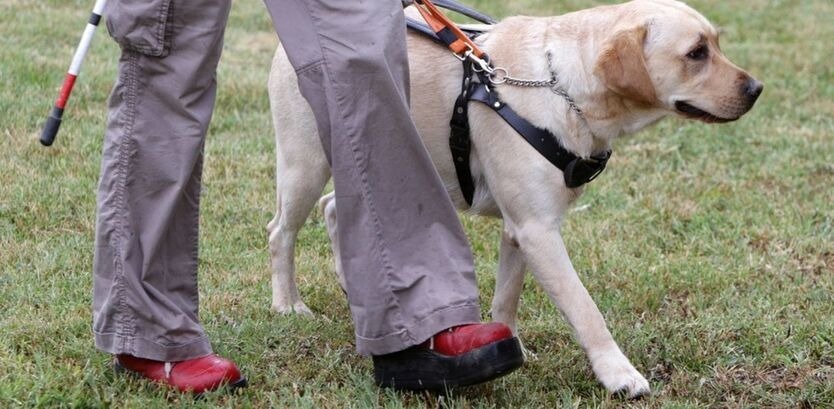
Before you hit the mountains, you need a solid foundation. A Labrador Retriever walking guide starts in your own neighborhood. Teaching your Lab to walk on a loose leash is essential for trail safety. You do not want a 70-pound dog pulling you down a slippery, narrow path!
- Loose Leash Training: Practice keeping your dog by your side without tension on the lead. Reward them frequently with treats when they look at you or stay in the “heel” position. If they pull, stop walking immediately. Only move forward when the leash is slack.
- Conditioning: Start with 30-minute walks on flat ground and gradually increase the time and incline. This builds up the pads on their paws and strengthens their muscles. Think of it like training for a marathon; you wouldn’t run 26 miles on your first day, and your dog shouldn’t either.
- The “Leave It” Command: This is perhaps the most important skill. On a trail, your Lab will find dead animals, toxic plants, or trash. A strong “leave it” can literally save their life. Practice this with high-value treats at home first.
- Trail Manners: Teach your dog to move to the side of the path and sit when other hikers or horses pass. This makes the trail a better place for everyone. Not everyone loves dogs as much as we do, and some people may be fearful of a large, energetic Lab.
Labrador Retriever hike
When you are finally ready for a real Labrador Retriever hike, preparation is everything. You are the pack leader and the safety officer for your dog.
Start by checking the trail regulations. Not all trails allow dogs, and many require them to be on a leash at all times. Even if a trail allows off-leash roaming, it is often safer to keep your Lab on a 6-foot lead to prevent them from chasing wildlife or getting lost.
Hydration is your top priority. Labs are notorious for drinking from stagnant puddles, which can contain harmful bacteria like Leptospirosis or Giardia. Bring a collapsible bowl and plenty of fresh water. A good rule is to offer your dog water every time you take a sip yourself. If your Lab refuses to drink, try adding a little bit of low-sodium chicken broth to the water to encourage them.
Don’t forget the post-hike check! Once you get back to the car, run your hands over your Lab’s coat to check for ticks, burrs, or cuts. Check between their toes for sharp rocks or thorns. A quick “paws-and-reflect” moment ensures they stay healthy for the next trip.
Labrador Retriever good hiking dogs
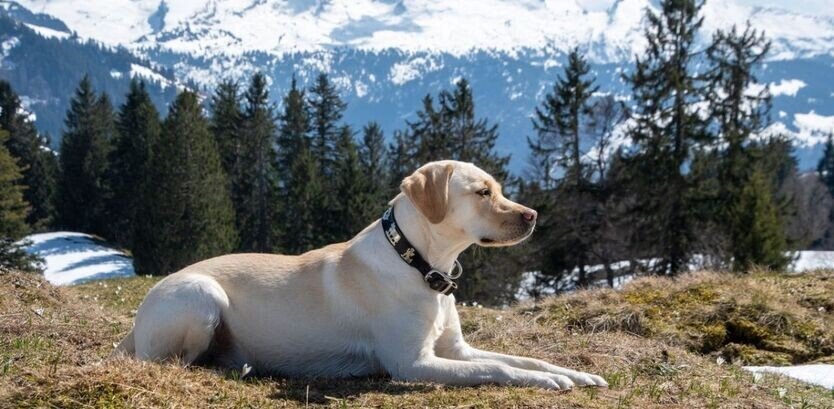
Why are Labrador Retrievers good hiking dogs? It comes down to their legendary temperament and athletic build.
English Labradors are renowned for their gentle nature, making them wonderful companions if you hike with children. They are patient and social, which is a huge plus when you encounter other pets on a crowded trail. Their affectionate nature means they want to stay close to you, which makes training for off-leash recall much easier than with more independent breeds.
Beyond personality, their physical traits are built for the outdoors. Their “otter tail” helps them balance on tricky terrain, and their powerful legs can handle long climbs. Plus, if your hike includes an alpine lake, your Lab will be the first one in the water! Their water-resistant coat dries quickly, so they won’t stay soggy for the whole trek back.
They also have a natural desire to please. This “biddability” means they are more likely to listen to your commands when distractions arise. Whether it is a squirrel darting across the path or another group of hikers, a well-trained Lab will look to you for guidance.
Protecting Your Lab’s Joints on the Trail
Because Labs are prone to hip and elbow dysplasia, joint health is a major part of any Labrador Retriever hiking tips guide. High-impact jumping and steep descents are the hardest on their bodies.
When coming down a mountain, your dog’s front legs take a lot of the shock. If you see your Lab hesitating before a big drop, help them down or find a flatter path around the obstacle. Using a harness with a handle on the back is perfect for this. You can give them a little lift to take the pressure off their joints.
Consider adding a joint supplement like Glucosamine or Chondroitin to their diet. Many hikers find that these supplements help keep their Labs mobile and pain-free as they age. Always talk to your vet about the right dosage for your specific dog.
Nutrition and Energy Management
Hiking is a high-energy activity. Just like you might pack a granola bar, your Lab needs extra fuel. However, you should never feed a large meal right before or right after a hike. Large breeds like Labs are at risk for bloat, a life-threatening condition where the stomach twists.
Instead, give your dog small, frequent snacks throughout the day. High-protein dog treats or a small portion of their regular kibble can keep their blood sugar stable. After the hike, wait at least 30 to 60 minutes for your dog to cool down completely before feeding them their dinner.
Trail Etiquette and Wildlife Safety
Being a responsible hiker means respecting the environment and other trail users. Labrador Retrievers are friendly, but they are also large and can be intimidating.
Always yield to hikers coming uphill. Step off the trail and have your Lab sit quietly. If you encounter horses or mountain bikers, keep your dog close and calm. Horses can be easily spooked by dogs, so it is best to give them as much space as possible.
Keep your Lab away from wildlife. While it might seem cute for them to chase a marmot or a deer, it is stressful for the wild animals and dangerous for your dog. They could get lost, injured, or encounter a predator like a bear or a mountain lion. Stick to the trail to protect the local ecosystem.
Essential Gear for Your Lab
To make your adventure a success, consider packing these items:
- A sturdy harness: This gives you more control than a collar and is safer for their neck if they trip.
- Collapsible water bowl: Lightweight and easy to clip to your bag.
- Dog-specific first aid kit: Include bandages, tweezers for ticks, and paw antiseptic.
- High-calorie treats: Hiking burns a lot of energy, so give them a little extra fuel.
- Poop bags: Always pack out what your dog leaves behind to keep the wilderness beautiful.
- Long lead: A 15-foot or 30-foot lead can give your dog more freedom to sniff while still keeping them under your control.
- Cooling vest: If you hike in warmer weather, a vest that you soak in water can help keep your Lab’s core temperature down.
Safety Tips for the Trail
- Watch the Paws: If the ground is too hot for your hand, it is too hot for their paws. Consider dog booties for rocky or snowy terrain. Rough granite can act like sandpaper on a dog’s pads.
- Identify Your Dog: Ensure your Lab is microchipped and wearing a collar with an ID tag that has your current phone number. Having a secondary tag with your vet’s info is also a good idea.
- Know the Signs of Fatigue: If your Lab is lagging behind, panting excessively, or looking for shade, it is time to stop and rest or head back. A tired dog is more prone to injury.
- Protect the Joints: For older Labs, avoid trails with massive vertical drops or huge boulders they have to jump off. This protects their elbows and hips.
- Weather Watch: Check the forecast for thunderstorms. Many Labs are afraid of thunder, and being caught on a mountain peak during a storm is dangerous for both of you.
Post-Hike Recovery and Care
Once you are back home, your job isn’t quite finished. Proper recovery helps your Lab stay ready for the next adventure.
Give your Lab a thorough cleaning, especially if they jumped into a lake or mud. Check their ears for moisture to prevent infections. If they seem stiff the next morning, a gentle walk can help loosen up their muscles. If the stiffness lasts more than a day, consult your vet to make sure they didn’t pull a muscle or strain a ligament.
Make sure they have a soft, supportive bed to sleep on. Memory foam beds are great for older Labs who need a little extra cushion for their joints after a long day of climbing.
Conclusion
Mastering the wilderness with your Labrador is one of the most rewarding experiences you can have as a pet owner. By focusing on safety, training, and conditioning, you ensure that every summit and every forest trail is a joy for your best friend. From the first ascent to that final “paws-and-reflect” summit photo, these Labrador Retriever hiking tips will help you create memories that last a lifetime.
Frequently Asked Questions
How far can a Labrador hike in one day?
A healthy, conditioned adult Labrador can typically hike between 5 and 10 miles. Some very fit Labs can go further, while older dogs or those with joint issues might be limited to 2 or 3 miles. Always start small and see how your dog feels the next day before increasing the distance. If your dog is sleeping all day after a hike and won’t get up, you probably went too far.
Do Labradors need boots for hiking?
It depends on the trail! If you are hiking on sharp volcanic rock, hot sand, or through deep snow and ice, booties are a great idea to prevent cuts and frostbite. If the trail is mostly dirt or soft pine needles, their natural pads are usually enough. It is a good idea to bring them in your pack just in case the terrain gets rougher than expected.
Can my Lab swim in mountain lakes?
Most Labs love swimming, and it is a great way for them to cool down. Just be careful of “Limber Tail,” which can happen if a dog swims in very cold water. This condition causes the tail to hang limp and can be quite painful. Also, ensure there are no blue-green algae warnings in the area, as this can be toxic and even fatal if ingested.
Should I use a harness or a collar for hiking?
A harness is generally better for hiking. It provides a handle if you need to help your dog over an obstacle and prevents choking if the dog pulls or slips on a steep incline. It also keeps the leash away from their legs so they don’t trip while navigating rocky paths.
How do I know if my Lab is too hot?
Signs of heatstroke include excessive panting, bright red gums, drooling, and weakness. If you notice these signs, get your dog into the shade immediately and offer water. You can also wet their belly and paws with cool water. Do not use ice-cold water, as this can cause them to go into shock.
Can I take my Lab hiking in the winter?
Yes! Labs generally enjoy the cold. However, you should watch for ice balls forming between their paw pads. You can use paw wax or booties to prevent this. Also, remember that shorter days mean you need to carry a light for your dog’s collar so you can see them in the dark.