The Bichon Frise is a small, cheerful, and affectionate dog that looks like a little cotton ball with legs. Known for their fluffy white coats, bright eyes, and friendly nature, Bichons are a favorite among families, singles, and seniors alike.
These adorable pups are full of personality and love to be the center of attention. Playful and affectionate, the Bichon Frise is a member of the non-sporting group and is well-known for its happy-go-lucky personality.
They adore being around people, are great with children, and usually get along well with other pets. But beyond their cuteness, this breed is intelligent, curious, and always eager to please.
History of the Bichon Frise Dog
The Bichon Frise has a fascinating history that dates back hundreds of years. Originally, these dogs were believed to have descended from the Barbet, a type of water spaniel. The word Bichon comes from barbichon, which means small Barbet.
Bichons were first bred in the Mediterranean region and became popular among European sailors. They traveled across the seas, charming people wherever they went.
Eventually, they caught the eye of French nobles and became beloved companions of the royal courts during the Renaissance.
When times changed and royalty lost favor, the Bichon found a new life as a performer. Street entertainers loved how intelligent and trainable they were, often using them in circus acts to delight crowds.
Today, they remain entertainers at heart, always eager to make their families smile.
Bichon Frise Breed and Characteristics

The Bichon Frise is a small but sturdy dog. They usually weigh between 10 to 18 pounds and stand around 9 to 12 inches tall. Despite their small size, they have a strong and confident presence.
Their most striking feature is their soft, white, curly coat that makes them look like walking clouds. They have dark round eyes full of warmth and curiosity and a tail that arches gracefully over their back.
Bichons are cheerful, gentle, and incredibly social. They thrive on human companionship and dislike being left alone for long periods.
If you’re looking for a dog that loves to be part of every family activity, the Bichon Frise is perfect. They are adaptable and can live happily in apartments or houses as long as they get enough love and playtime.
They don’t shed much, making them a good option for people with mild allergies, though their coat does require regular grooming.
Food and Nutrition for Bichon Frise Dogs
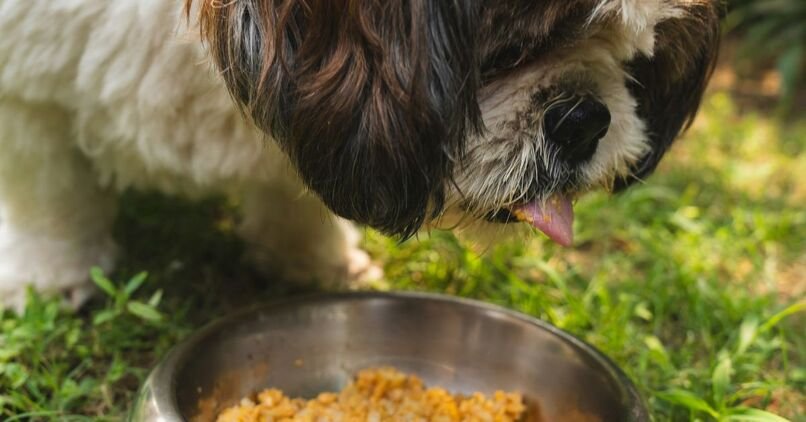
A balanced diet is key to keeping your Bichon Frise healthy and full of energy. Since they’re small dogs, they don’t need large portions, but the quality of their food matters a lot.
Look for high-quality dog food that lists real meat, poultry, or fish as the first ingredient. Avoid foods with fillers like corn or soy.
Because Bichons can gain weight easily, measure their meals and avoid giving too many treats.
Fresh vegetables like carrots and peas can be a healthy addition to their diet. Always provide clean water and try to feed them on a consistent schedule usually twice a day works best.
If you prefer homemade meals, consult your vet to make sure your Bichon is getting the right balance of nutrients like protein, fat, and vitamins. Some Bichons are prone to food sensitivities, so it’s wise to introduce new foods slowly and watch for any allergic reactions.
Common Health Issues in Bichon Frise Dogs
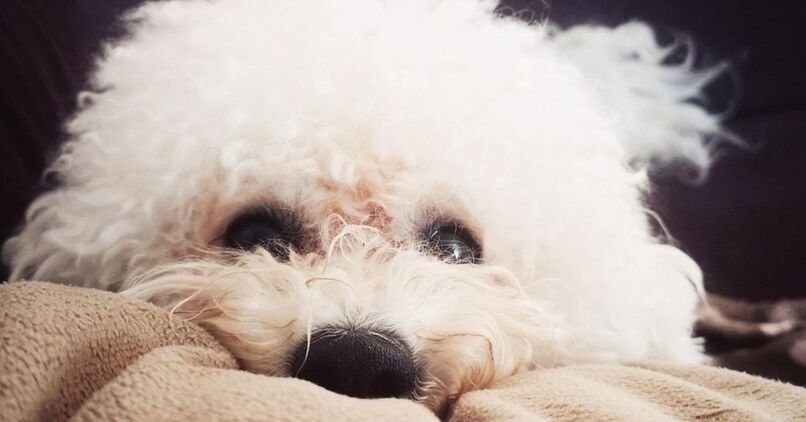
The Bichon Frise is generally a healthy breed with a lifespan of about 12 to 15 years. However, like all dogs, they can face certain health challenges.
Common Health Concerns:
- Allergies: Bichons can be sensitive to certain foods, shampoos, or environmental triggers.
- Dental Problems: Because of their small mouths, they are prone to tartar buildup and gum disease.
- Bladder Stones: They can develop urinary issues, so plenty of fresh water and regular vet checkups are important.
- Patellar Luxation: This occurs when the kneecap slips out of place, which can cause discomfort.
- Ear Infections: Their curly hair can trap moisture, so regular ear cleaning helps prevent this.
To keep your Bichon healthy, schedule annual vet visits, brush their teeth several times a week, and maintain a healthy diet. Regular exercise, like short walks and play sessions, keeps them fit and happy.
Behaviour and Training Tips forBichon Frise Dogs
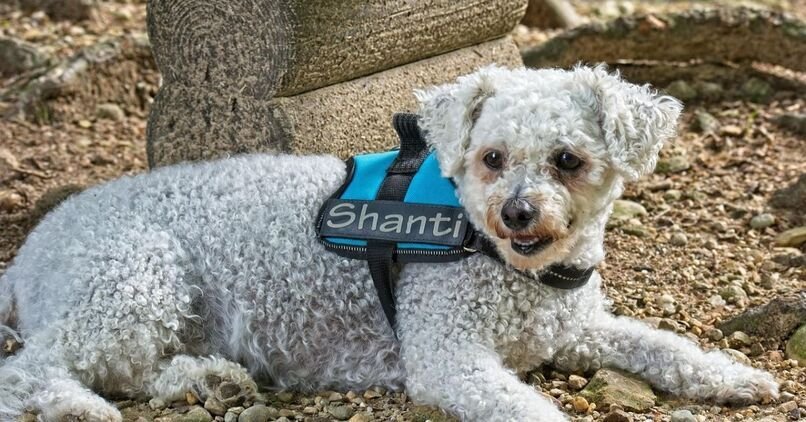
Bichons are intelligent, eager to learn, and love to make their owners proud. However, their playful spirit can sometimes make them a little stubborn.
Consistent, positive training works best for this breed. Start training early with gentle methods. Use treats, praise, and affection to reward good behaviour. Harsh methods don’t work well with Bichons, as they are sensitive and thrive on encouragement.
Socialization is also important. Expose your Bichon to different people, places, and other pets from a young age. This helps them grow into confident, well-mannered adults.
Potty training may take a little patience, so stay calm and consistent. Crate training can help with housebreaking and give your Bichon a safe, cozy space to relax.
Bichons love learning tricks. Teaching them fun commands like “spin,” “shake,” or “high five” keeps their minds active and strengthens your bond.
Grooming Guide for Bichon Frise Dogs
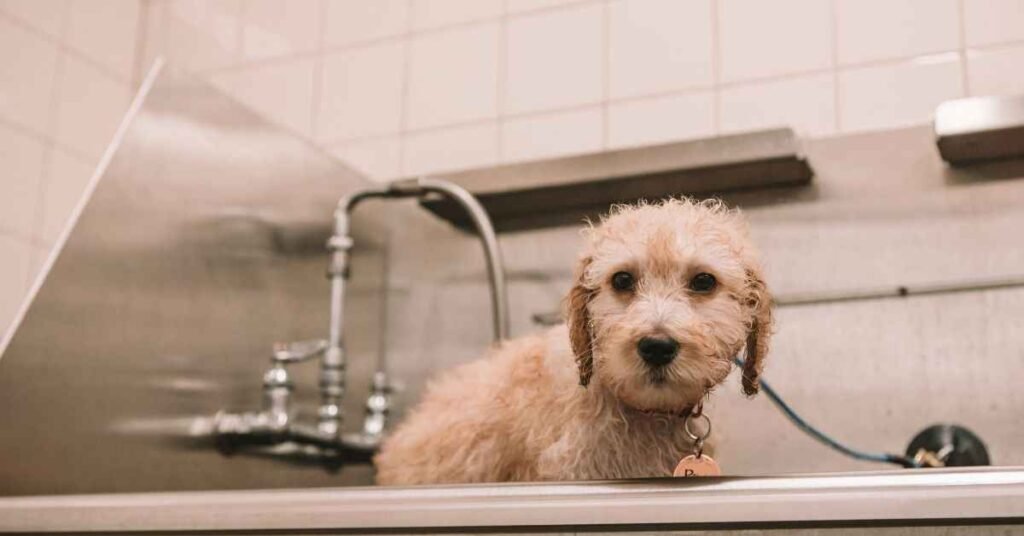
Grooming is an essential part of caring for your Bichon Frise. Their beautiful white coat needs regular maintenance to stay soft and tangle-free.
Brush your Bichon’s coat every day to prevent mats and tangles. Regular brushing also keeps their coat looking bright and clean.
Many owners choose to visit a professional groomer every 4 to 6 weeks for trimming and maintenance.
Bathing should be done every few weeks or as needed, using a gentle dog shampoo. Be sure to dry them completely to prevent skin irritation.
Keep their ears clean and dry, trim their nails regularly, and brush their teeth several times a week. Grooming time can be a fun bonding experience, so keep it calm and positive.
Conclusion
The Bichon Frise is more than just an adorable face. They are smart, loyal, and full of life. Their cheerful nature and loving personality make them one of the most delightful companions any dog lover could ask for.
With the right care, diet, grooming, and training, your Bichon Frise will reward you with endless joy and affection. Whether you live in a busy city apartment or a cozy home, this little cloud of happiness will fill your life with smiles and love.
FAQs
1. Are Bichon Frises good for families with kids?
Yes. Bichons are gentle, playful, and love children. They enjoy being part of family activities.
2. Do Bichon Frises bark a lot?
They can bark when excited or lonely, but early training helps manage this behavior.
3. Are Bichon Frises easy to train?
Yes. They are smart and eager to please. Positive training methods work best.
4. How often should I groom my Bichon Frise?
Daily brushing and professional grooming every 4 to 6 weeks keep their coat healthy.
5. Do Bichon Frises shed?
They shed very little, making them a great choice for allergy-sensitive owners.
6. What is the average lifespan of a Bichon Frise?
They typically live between 12 to 15 years with proper care and nutrition.