Feeding your Bichon Frise well isn’t just about filling their bowl; it’s about fuelling their body, supporting their health, and giving them the best chance to thrive. You more than likely already know this, which is why you’re here. Whether you’re raising a pup and need a Bichon Frise puppy feeding guide, wondering what to feed a Bichon Frise, or comparing diets, you’re probably looking for more than just convenience; you want to do the very best for your dog.
The Bichon Frise is a playful and affectionate member of the non-sporting group. They are good with children, friendly with other dogs, and enjoy meeting new friends. With its cheerful disposition and plush, cotton-ball appearance, the Bichon Frise makes for an adorable, lively companion.
Dogs are classified as facultative carnivores. That means meat is their biological staple, but they can survive by scavenging and eating other food types, including some plant matter. For the Bichon Frise, a small and active dog, a high-quality diet is essential to maintain a healthy coat, strong muscles, and playful energy.
Bichon Frise Tear Stain Food
Tear stains are a common concern for Bichon Frise owners. The reddish-brown marks under their eyes can be caused by genetics, tear overproduction, or diet. Choosing the right food can make a difference.
Look for foods that are:
- Free from artificial dyes and preservatives
- Rich in omega-3 and omega-6 fatty acids
- Easily digestible proteins
- Low in fillers and grains that can cause allergies
High-quality protein supports overall health and helps maintain a clean, healthy coat. Additionally, foods formulated with antioxidants and vitamins can improve eye health and potentially reduce tear staining.
Practical Takeaways:
- Choose grain-free or limited-ingredient foods if your Bichon has a sensitive stomach.
- Look for high-quality fish or chicken protein.
- Consider foods with natural sources of omega fatty acids like salmon oil or flaxseed.
Best Food for Bichon Frise Allergies

Bichons can be prone to food allergies, which may show as itchy skin, hot spots, or gastrointestinal upset. Identifying allergens and choosing the right diet can greatly improve your dog’s quality of life.
Common allergens include:
- Beef, chicken, or dairy
- Wheat, corn, or soy
- Artificial additives
Hypoallergenic or limited-ingredient diets can help reduce allergic reactions. These diets focus on one protein source and one carbohydrate, making it easier to pinpoint the cause of allergies.
Practical Takeaways:
- Work with your vet to identify potential allergens.
- Slowly transition to a limited-ingredient diet.
- Monitor your dog’s skin, coat, and digestion for improvements.
Bichon Frise Sensitive Stomach Food
A sensitive stomach is another common concern for Bichons. Dogs with digestive issues may experience diarrhea, vomiting, or gas. Choosing foods that are easy to digest can make mealtimes stress-free for both you and your pet.
Key considerations include:
- Easily digestible proteins like fish or lamb
- Gentle carbohydrates like rice or sweet potato
- Prebiotics and probiotics to support gut health
- Avoiding fillers and artificial ingredients
Feeding smaller, frequent meals can also help prevent digestive upset and maintain energy levels.
Practical Takeaways:
- Stick to high-quality, single-source protein diets.
- Avoid sudden changes in food.
- Consider supplements like digestive enzymes if recommended by your vet.
Small Breed Senior Dog Food

As Bichons age, their nutritional needs change. Senior Bichons may require diets lower in calories to prevent weight gain but rich in nutrients to support joint health and maintain lean muscle mass.
Important nutrients for senior Bichons include:
- Glucosamine and chondroitin for joint support
- High-quality protein to maintain muscle
- Antioxidants to support immunity
- Omega fatty acids for skin and coat health
Practical Takeaways:
- Monitor your senior Bichon’s weight regularly.
- Adjust portion sizes to prevent obesity.
- Include supplements or foods that support joint and heart health if needed.
Bichon Frise Puppy Feeding Schedule
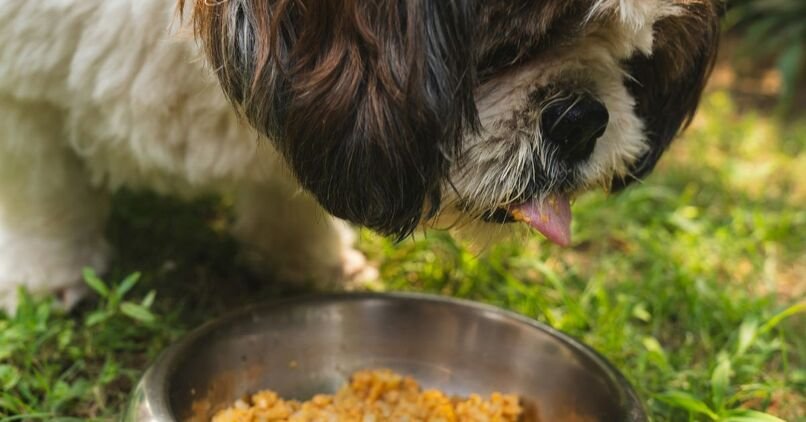
Feeding a Bichon Frise puppy correctly sets the stage for a healthy adult life. Puppies need more calories and nutrients than adult dogs to support rapid growth and development.
General guidelines:
- 8–12 weeks: 4 meals per day
- 3–6 months: 3 meals per day
- 6–12 months: 2–3 meals per day
Focus on:
- High-quality protein for muscle growth
- Healthy fats for energy
- Vitamins and minerals for strong bones and immune health
Practical Takeaways:
- Avoid overfeeding to prevent obesity and skeletal issues.
- Choose a puppy-specific formula with balanced nutrition.
- Monitor growth and adjust portions as needed.
Bichon Frise Weight Management

Maintaining a healthy weight is essential for your Bichon’s overall well-being. Obesity can lead to joint problems, diabetes, and heart disease.
Tips for weight management:
- Measure food portions carefully.
- Use healthy treats in moderation.
- Encourage regular exercise, including walks and playtime.
- Monitor body condition and adjust food as necessary.
Practical Takeaways:
- Avoid free-feeding; stick to a feeding schedule.
- Choose foods with high-quality protein and moderate fat.
- Consult your vet if weight gain or loss is sudden or concerning.
Conclusion
Feeding your Bichon Frise the right food is about more than just taste. It’s about supporting their health, energy, and happiness throughout their life. By understanding their unique dietary needs and choosing high-quality, balanced foods, you can help your Bichon maintain a shiny coat, strong body, and joyful spirit.
Remember, every Bichon is unique. Monitor their health, adjust feeding as needed, and consult your vet for guidance. With the right nutrition, your furry friend can thrive and continue being the cheerful, loving companion you adore.
FAQs
What is the best food for a Bichon Frise with tear stains?
Foods rich in high-quality protein, omega fatty acids, and free from artificial additives can help reduce tear stains.
Can Bichon Frises eat grain-free dog food?
Yes, grain-free dog food can be suitable, especially for dogs with sensitive stomachs or allergies.
How often should I feed my Bichon Frise puppy?
Puppies should be fed 3–4 times per day, gradually reducing meals to 2–3 times as they grow.
What should I feed my senior Bichon Frise?
Senior Bichons benefit from diets lower in calories, rich in protein, antioxidants, and joint-supporting nutrients.
How can I manage my Bichon Frise’s weight?
Feed measured portions, use healthy treats sparingly, ensure regular exercise, and monitor their body condition.