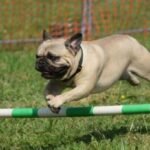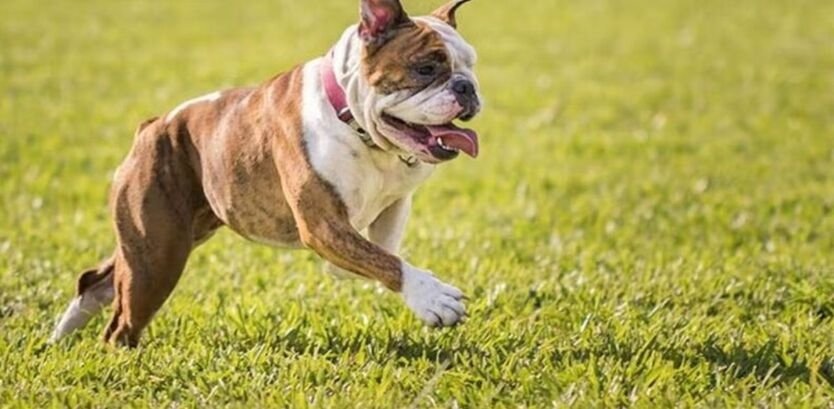
English Bulldogs are pure sweethearts, but they also have a very stubborn temperament, making them difficult to train. The best English bulldog care and training techniques revolve against force and instead focus on positive reinforcement via voice commands and treats. Because dogs of this breed suffer from health conditions that affect their breathing and joints, you must take care to prevent overexerting your dog during training.
Bulldogs have unique features that make them adorable but can also make training a bit different. They are strong, loving, and sometimes a little stubborn! Their short noses and thick bodies give them a special look. Because of this, they may react differently to training compared to other dogs. Use gentle and patient methods, as bulldogs respond well to kind words and actions.
Why Training Matters
Training matters for many reasons. First, it helps your bull dog behave better. When they know what to do, they feel more secure and safe. This can make them happier! Also, training helps create a strong bond between you and your pet.
The time you spend learning together brings you closer and makes your friendship special. With good training, you both can enjoy a wonderful life together! Beneath those iconic wrinkles and that sturdy, muscular frame beats the heart of a devoted, playful spirit. To master your bull dog training tips, positive reinforcement is your ultimate power move.
bulldog training techniques
When we talk about bulldog training techniques, we have to start with the “gentle bruiser” mindset. These dogs are food-motivated souls who thrive on tasty rewards. However, they can show a major stubborn streak if they feel the “fun factor” is missing.
One of the most effective techniques is the Focus Command. Teaching your bulldog to look at you on command ensures your walks are a smooth stroll rather than a huffing tug-of-war. To do this, hold a treat near your eyes and say “Look” or “Focus.” When they make eye contact, give them the reward immediately.
Because of their heavy-set build and unique breathing, keeping training sessions short and cool is your golden rule. A bulldog’s flat face makes it hard for them to cool down. If they start huffing or puffing too much, it is time to stop. Always train in a cool room or during the early morning hours.
Another great technique is Hand Targeting. You can teach your bulldog to touch their nose to your palm. This is a great way to move them around without pushing or pulling on their heavy bodies. Since they are so strong, physically forcing them to move usually leads to them digging their heels in.
Patience is your best friend here. Bulldogs often take a few seconds to process a command. It is not that they didn’t hear you; they are just deciding if the reward is worth the effort! Stay upbeat, keep your voice high and happy, and never yell. Shouting only makes a bulldog shut down and ignore you.
Managing the Environment
The environment plays a huge role in how well your bulldog learns. These dogs are easily distracted by sounds or smells. When you first start, try training in a quiet room with no other pets or people around.
As they get better at their commands, you can slowly move the training sessions to the backyard or a quiet park. This is called “adding distractions.” If you jump to a busy park too soon, your bulldog will likely ignore you, and you will both end up frustrated.
The Power of Positive Associations
Every interaction you have with your dog is a training moment. If you only call them to give them medicine or a bath, they will learn that “Come” means something bad is about to happen.
Instead, use positive associations for everything. Call them to get a treat, call them for a belly rub, or call them to play with a favorite toy. This makes them excited to listen because they always expect a win.
bulldog puppy training tips
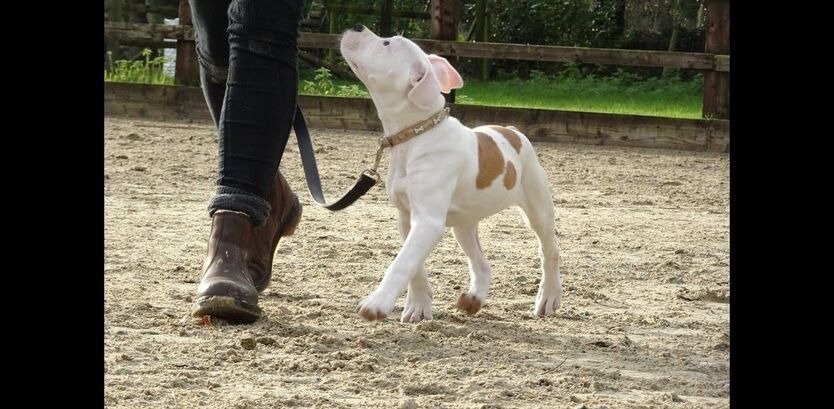
Starting early is the secret to a well-behaved adult dog. Between 8 and 16 weeks, your puppy is like a little sponge. This is the best time to implement bulldog puppy training tips that will last a lifetime.
Socialization is Priority One Bulldogs are social creatures who adore people, but they need to learn how to play nicely with other dogs. Arrange playdates with calm, friendly dogs. This teaches your puppy that new friends are fun, not scary. Keep these meetings short so your pup doesn’t get overwhelmed.
Socialization isn’t just about other animals. It is about the whole world. Let your puppy walk on different surfaces like grass, tile, and carpet. Let them hear the vacuum cleaner from a distance and give them treats so they aren’t afraid of the noise.
Potty Training Success Consistency is the key to housebreaking. Take your puppy outside every two hours, especially after they eat or wake up from a nap. When they go in the right spot, celebrate like they just won a gold medal! Use a specific word like “Potty” so they associate the action with the command.
If your puppy has an accident inside, do not scold them. Bulldogs are sensitive, and yelling can make them hide the next time they need to go. Simply clean it up with an enzymatic cleaner to remove the scent and try to take them out sooner next time.
Crate Training for Safety A crate is not a punishment; it is a safe den. Bulldogs love to sleep, and a cozy crate with a soft blanket gives them a place to call their own. It also helps with potty training because dogs naturally avoid making a mess where they sleep. Start by leaving the door open and tossing treats inside to make it a happy place.
Mouthy Behavior and Chewing Bulldog puppies love to chew on everything! This is especially true when they are teething. Instead of getting upset when they grab a shoe, quickly replace it with a sturdy rubber toy. Always praise them when they chew on their own toys. This teaches them what is “theirs” and what is “yours.”
Learning to Handle Touch It is very important to touch your puppy’s paws, ears, and tail often. Bulldogs will need a lot of cleaning throughout their lives. If they are used to you touching their feet, nail trims will be much easier later on. Reward them with a tiny treat every time they let you inspect a paw or look in an ear.
bulldog tips and tricks
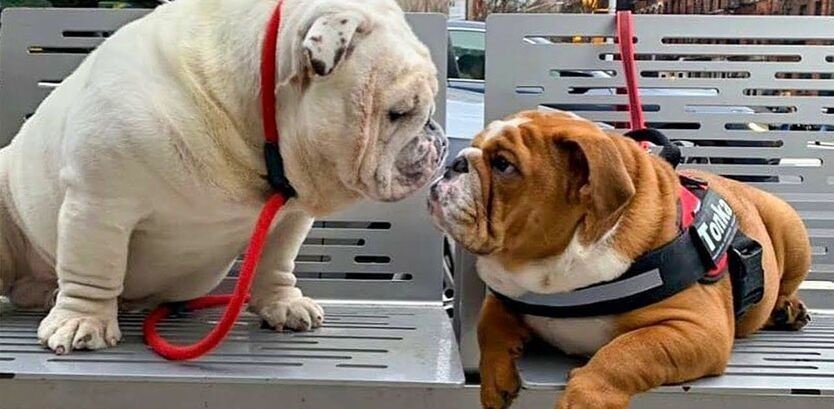
Sometimes the standard “sit” and “stay” aren’t enough. You need a few bulldog tips and tricks to handle their specific needs, like grooming and skin care.
The Peanut Butter Grooming Game Bulldogs have deep wrinkles that need daily cleaning to stay healthy. Many bulldogs hate having their faces touched, but you can turn this into a game. Smear some peanut butter or canned pumpkin on a lick mat or even the front of your refrigerator.
While your pup is busy licking the treats, you can gently wipe down their wrinkles with a soft cloth. This creates a positive association with grooming. Instead of a chore, they start to see it as “snack time.” Make sure the peanut butter does not contain xylitol, which is dangerous for dogs.
The Chin Scratch Reward While food is a great motivator, bulldogs also crave physical affection. To keep their clever minds engaged without overexertion, prioritize quick bursts of obedience followed by the legendary chin scratches they crave. This keeps the energy level low but the happiness level high.
Use a Harness, Not a Collar Because bulldogs have thick necks and unique airway structures, a traditional collar can put too much pressure on their throat. Using a front-clip harness gives you better control during walks and protects their breathing. It makes “heel” training much easier because the harness gently redirects them toward you if they try to pull.
Weight Management During Training Since bulldogs are prone to obesity, you have to be careful with treats. You can use a portion of their daily kibble for training rewards instead of extra high-calorie snacks. If you do use high-value treats like chicken or cheese, keep the pieces tiny no bigger than a pea! Keeping your bulldog lean is the best way to protect their joints.
Cooling Down Tricks During training, if you notice your bulldog’s tongue becoming very wide or turning a darker red, they are getting too hot. A great trick is to keep a damp, cool towel nearby. You can let them lie on it during breaks. This helps them regulate their body temperature so they can stay focused and safe.
bull terrier training tips
While they share the “bull” name, bull terriers have a different energy level. These dogs are the “class clowns” of the dog world. They are a mix of bulldog power and terrier tenacity. Here are some specific bull terrier training tips to keep them on track.
Channel Their Energy Bull terriers have much more stamina than English bulldogs. They need “jobs” to do. If they get bored, they will find their own jobs—which usually involve chewing your favorite rug! Use puzzle toys and hide-and-seek games to burn off their mental energy.
The Power of the “Reset” Bull terriers can get very excited and start “zooming” around the house. If they get too hyper during training, use a “reset.” This means ignoring them for a minute or asking for a very simple “Sit” to calm their brain down. Once they are calm, you can go back to the fun stuff.
Firm but Fair Leadership These dogs are independent thinkers. They need to know that you are the leader, but they don’t respond well to harshness. Be firm and consistent with your rules. If they aren’t allowed on the couch today, they shouldn’t be allowed on it tomorrow either.
Focus on “Leave It” Because terriers have a high prey drive, they might want to chase squirrels or cats. Mastering the “Leave It” command is essential for their safety. Start practicing in a quiet room with low-value items before trying it outside with real distractions.
Impulse Control Exercises Bull terriers can be very impulsive. A great way to train this is to make them wait for their food. Have them sit and stay while you put the bowl down. They should only move to eat when you give them a release word like “Okay!” This builds patience and focus.
bulldog obedience training
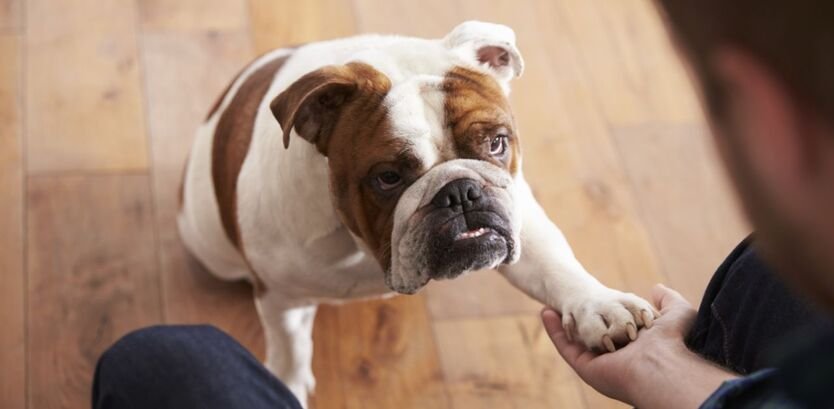
Mastering bulldog obedience training is all about building a foundation of trust. If your dog trusts you, they will want to work with you.
Essential Commands for Every Bulldog
- Sit: The foundation of all manners. Use a treat to lure their nose up and back toward their tail; their bottom will naturally go down.
- Stay: This is vital for safety. Start with just two seconds and gradually increase the time as they get better.
- Drop It: Bulldogs have very strong jaws. Teaching them to release a toy or an object is a must for preventing resource guarding.
- Come (Recall): This can be a life-saver. Always make coming to you the best thing that happens in their day with lots of praise and high-value treats.
- Wait: This is different from “Stay.” “Wait” is a short pause, like waiting at the front door before going for a walk. It prevents them from bolting outside.
Keeping it Short and Sweet
Remember, a bulldog’s attention span is not very long. Aim for sessions that are 5 to 10 minutes max. It is much better to do three tiny sessions throughout the day than one long, exhausting hour. If your dog sits down and refuses to move, the session is over. Don’t fight it; just try again later when they are rested.
Handling the Stubborn Streak
When your bulldog decides to be stubborn, don’t take it personally. They aren’t trying to be “bad.” They are usually just tired, hot, or bored. Change the treat you are using, move to a cooler spot, or turn the training into a game of “find the toy.” Making them think the training was their idea is the ultimate pro tip!
Dealing with “The Bulldog Brake”
Almost every bulldog owner knows the moment their dog just stops and becomes an immovable statue. This usually happens on walks. Instead of dragging them, try to figure out why. If they are tired, let them rest. If they are bored, try walking in a different direction. Carrying a “special” toy that only comes out on walks can often get the engine running again.
Advanced Obedience and Mental Games
Once your dog knows the basics, don’t stop! Bulldogs are smarter than people give them credit for. You can teach them to “Find It” by hiding treats around the living room. This uses their nose and keeps their brain sharp without putting stress on their bodies.
Consistency Across the Family
It is very important that everyone in the house uses the same commands. If one person says “Down” to mean lie down, and another person says “Down” to mean get off the couch, the dog will get very confused. Make a list of your command words and stick them on the fridge so everyone is on the same page.
Conclusion
Training your bulldog is a journey of love, snacks, and a whole lot of patience. By focusing on positive reinforcement and keeping their unique physical needs in mind, you can overcome that famous stubborn streak.
Whether you are working with a wrinkly English puppy or a spunky Bull Terrier, the secret is always the same: make it fun, keep it short, and always have a treat ready! Stay patient and upbeat, and you’ll transform that snorting pup into a well-behaved, loyal sidekick who truly rules the roost.
FAQ:
Are bulldogs hard to train?
Bulldogs are not “dumb,” but they are very independent. They were bred to be courageous and think for themselves. This means they might question why they should do what you ask! If you make the training rewarding and fun, they are very capable of learning everything a Lab or a Golden Retriever can.
Why does my bulldog stop walking and refuse to move?
This is often a sign of physical limits. Because of their short legs and heavy bodies, they use a lot of energy to move. It could also be heat-related. Always check the temperature. If it is above 75 degrees Fahrenheit, your bulldog might be struggling to breathe and is simply telling you they need a break.
How do I stop my bulldog from pulling on the leash?
- Stop walking the second they pull.
- Use a front-clip harness to help steer their weight.
- Practice “leash manners” inside the house where there are no distractions.
- Use treats to keep them walking right by your side.
- Be patient bulldogs are built like tanks and don’t always realize how strong they are!
Can bulldogs learn tricks?
Absolutely! They love being the center of attention. Tricks like “Shake,” “High Five,” and “Spin” are very easy for them to learn because they involve movements they naturally do. Just avoid tricks that require jumping, as this can be hard on their elbows and hips.
What is the best reward for a bulldog?
Every dog is different, but most bulldogs are highly motivated by food. High-value rewards include:
- Small bits of plain turkey or chicken.
- Blueberries or small pieces of apple (no seeds).
- Low-calorie training treats.
- Verbal praise in a high, happy voice.
- A good, long scratch right behind the ears.