
English Bulldogs are those charming, wrinkly dogs with a distinctive pushed-in face and a sturdy build. They are known for their friendly and laid-back nature, but their unique appearance can come with some big health challenges.
Bulldogs are prone to a variety of health issues like breathing problems, skin infections, and joint issues. Having pet insurance can be a real lifesaver. It helps cover the costs of managing these conditions and ensures your Bulldog gets the best care possible.
A big part of responsible pet ownership is researching your desired family addition. This lets you make an educated decision about whether they will fit well into your home. You want to make sure you can give them the life they deserve.
Many people love the bulldog look, but some don’t know what they are getting into with the breed. The Bulldog is a wonderful pet that is full of personality. However, they are predisposed to certain diseases. Careful observation of your pet’s daily routine is very important.
Any significant change in this routine is a reason for a vet visit. The breeding that gave the bulldog its look has come at a price. These diseases are often chronic. This means they can only be controlled or managed, not always cured. You may be dealing with them for the dog’s whole life.
are bulldogs prone to health problems
Yes, bulldogs are very prone to health problems. In fact, research shows they are about twice as likely to have at least one health issue compared to other dog breeds. Their unique body shape is the main reason for this.
Their flat faces, deep skin folds, and heavy bodies make them look cute. But these same features cause problems with breathing, skin health, and joint movement. Most bulldogs will face at least one of these issues during their lifetime.
Because their bodies are so different from a “standard” dog shape, they struggle with things other dogs find easy. For example, they can’t cool themselves down very well. They also have a harder time running or jumping without getting tired quickly.
bull terrier health issues
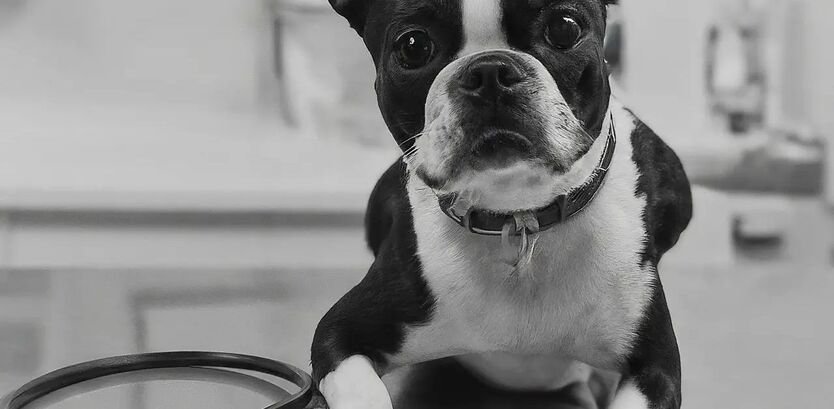
While we are talking about “bull” breeds, it is good to look at the Bull Terrier too. They are different from English Bulldogs, but they have their own set of concerns. Bull Terriers are often more active, but they still have genetic risks.
One common issue for Bull Terriers is kidney disease. This can show up early in life or as they get older. They are also known for having heart problems, specifically with their heart valves. Regular vet checks are a must for them.
Skin allergies are another big one for Bull Terriers. They often get itchy skin that leads to scratching and sores. Some are even born deaf, especially those with mostly white coats. Checking a puppy’s hearing early on is very important for this breed.
bulldog health concerns
The biggest concern for most bulldog owners is their breathing. This is called Brachycephalic Obstructive Airway Syndrome, or BOAS for short. Because their faces are flat, their airways are often squashed or too small.
This makes them noisy breathers. You might hear them snorting, wheezing, or snoring loudly. While some people think this is “normal” for the breed, it actually means the dog is working hard just to get air.
Another major concern is heat. Bulldogs cannot handle hot weather. Since they can’t breathe efficiently, they can’t pant well enough to cool down. A short walk on a warm day can quickly turn into a heatstroke emergency.
Joint problems are also high on the list. Their heavy frames put a lot of pressure on their hips and elbows. Many bulldogs develop hip dysplasia or arthritis early on. Keeping them at a healthy weight is the best way to help their joints stay strong.
bulldog health problems symptoms

Knowing what to look for can save your dog’s life. Symptoms of health problems in bulldogs aren’t always obvious at first. You have to be a bit of a detective.
For breathing issues, watch for blue-colored gums or tongue. This means they aren’t getting enough oxygen. If they are gasping for air or collapsing after a little bit of play, they need help immediately.
Skin problems usually show up as a bad smell or red, moist skin. Check their wrinkles every day. If you see brown gunk or the skin looks angry and sore, it’s likely an infection. They might also scratch their face against furniture to try and itch it.
For joint issues, look for a “bunny hop” when they run. They might also be slow to get up in the morning or refuse to go up stairs. These are signs of pain, even if the dog isn’t crying out. Bulldogs are very tough and often hide their discomfort.
bulldog breed health problems

There are several specific problems that are very common in this breed. One of the most famous is “Cherry Eye.” This is when a red lump pops out of the corner of the eye. It looks scary, but it is usually easy for a vet to fix with surgery.
They also suffer from “Screw Tail” issues. Their tails can be so tight and curled that moisture gets trapped underneath. This leads to very painful infections right near their spine. Sometimes, the tail even needs to be surgically removed to keep the dog comfortable.
Digestive issues are common too. Bulldogs are known for being gassy. This is often because they gulp air while they eat due to their mouth shape. They can also have sensitive stomachs, so finding the right food is key.
Dental disease is another big factor. Their teeth are often crowded because their jaws are so short. This makes it easy for food to get stuck and cause rot. Regular teeth brushing is a must for a bulldog.
Practical Tips for Bulldog Care
To keep your bulldog healthy, follow these simple steps:
- Clean the folds: Use a damp cloth to clean their wrinkles every single day. Make sure to dry them completely afterward.
- Watch the weight: Even a few extra pounds can make it much harder for a bulldog to breathe. Keep them lean.
- Stay cool: Never leave your bulldog outside in the heat. Use air conditioning and keep walks very short when it’s warm.
- Use a harness: Don’t use a neck collar for walks. A harness puts the pressure on their chest instead of their throat, which helps them breathe.
- Slow down meals: Use a slow-feeder bowl. This stops them from gulping air and reduces gas and bloating.
Conclusion
Owning an English Bulldog brings immense joy, but it requires a commitment to their specific physical needs. By staying proactive with wrinkle cleaning, weight control, and heat safety, you can prevent many common health struggles. Building a relationship with a vet who understands the breed ensures your dog gets the specialized care they deserve. These affectionate companions rely on you to manage their environment and keep them comfortable. With the right attention and love, your Bulldog can enjoy a happy life as your favorite low-rider friend.
Frequently Asked Questions
How long do bulldogs usually live?
Most English Bulldogs live between 8 and 10 years. With excellent care, some can live a bit longer, but their health issues often shorten their lifespan compared to other breeds.
Why does my bulldog snore so loudly?
Snoring is caused by the extra tissue in their throat and their small nostrils. While common, very loud snoring can be a sign of BOAS, and you should talk to your vet about it.
Can bulldogs swim?
Most bulldogs are not good swimmers. Their heavy heads and short legs make it hard to stay afloat. Always put a life jacket on your bulldog if they are near a pool or lake.
How often should I clean my bulldog’s ears?
You should check their ears once a week. Because of their ear shape, they can trap wax and moisture, leading to infections. Clean them with a vet-approved solution if you see any dirt.
Is it expensive to own a bulldog?
Yes, bulldogs can be expensive. Between special food, regular grooming supplies, and potential vet bills for their unique health needs, you should be prepared for the extra cost.