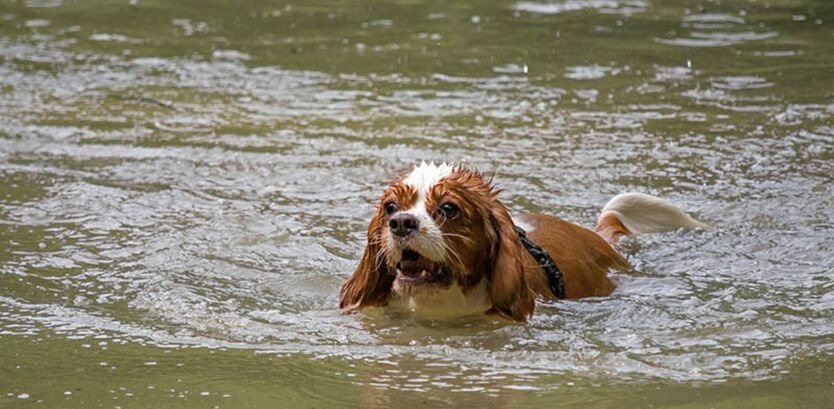
Beneath those silky, feathered ears and soulful eyes beats the heart of a surprisingly sporty adventurer! While they are famous for being the ultimate lap dogs, these affectionate spaniels have a sporting heritage that makes them curious aquatic explorers.
As a breeder and lover of these dogs, I often get asked: “Can Cavalier King Charles Spaniels swim?” While these dogs are playful and active, whether they like water varies depending on each individual dog.
Understanding if your Cavalier likes to swim, what risks to watch for, and the benefits of water activities will help you keep your dog safe and happy. Drawing from years of experience raising and observing these beauties, I will share everything you need to know about their natural skills and potential risks.
Cavalier King Charles Spaniels are fantastic companions for youngsters and adults alike. They possess a number of traits that make them at home both in the water and on sandy beaches. They have plenty of energy, can be trained with ease, and are extremely people-oriented.
While it differs from dog to dog, many Cavaliers love water. Most will know how to swim instinctively, and due to their desire to please you, it is generally easy to train them to be better swimmers. Because they are comfortable around people, your Cavalier generally won’t feel scared at a busy beach or a pool.
Can Cavalier King Charles Spaniel swim
The short answer is yes! All Cavalier King Charles Spaniels are physically capable of swimming. However, it is important to remember that they were not specifically bred to be water retrievers like Labradors or Poodles. Instead, they were bred as companion toy spaniels.
Even though they are small, they have a sturdy build that allows them to paddle through calm water. They are naturally agile and possess a “can-do” attitude that often surprises their owners. If you place them in water, most will instinctively start the “doggy paddle” to stay afloat.
It is worth noting that while they can swim, their endurance is not as high as larger breeds. Their beautiful, long coats can also act like a sponge. Once that silky fur gets soaked, it becomes heavy and can make it harder for them to stay above the surface for long periods.
Because of this, you should always view your Cavalier as a “recreational” swimmer rather than a long-distance athlete. They are perfect for splashing in the shallows or enjoying a quick dip in a backyard pool, but they should never be left to swim in deep or rough water without help.
Cavalier King Charles Spaniel puppies swimming
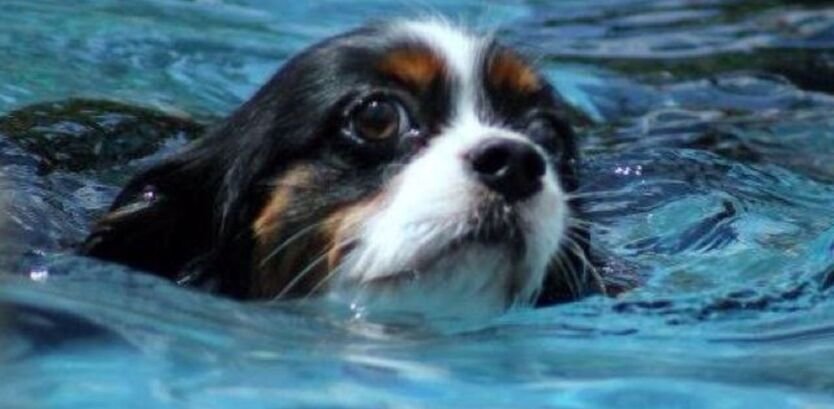
When it comes to Cavalier King Charles Spaniel puppies swimming, early and positive exposure is everything. Puppies are like little sponges, and if they have a fun time in the water while they are young, they will likely grow up to love it.
You should never rush a puppy into deep water. Start by letting them explore a very shallow area, like a plastic kiddie pool or the very edge of a calm lake. Let them sniff the water and get their paws wet on their own terms.
Use plenty of treats and happy “baby talk” to reward them for being brave. If they see that the water leads to snacks and cuddles, they will want to go back in. This builds a foundation of trust between you and your pup.
Safety is even more critical for puppies. Because they are smaller and tire out much faster than adults, they can get overwhelmed quickly. Always use a tiny life jacket, even in shallow water, to give them extra confidence and keep them safe.
Step-by-Step Training for Puppies
- The Empty Pool Method: Start with a dry plastic pool. Put toys and treats inside so they associate the “pool” with fun.
- Adding an Inch: Gradually add just an inch of lukewarm water. Let them walk through it to get used to the sensation on their paws.
- Treat Tossing: Throw floating treats into the water. This encourages them to put their nose near the surface without fear.
- Supportive Holds: When the water is deep enough for them to float, keep your hand under their belly. This makes them feel secure while they learn to use all four legs.
Are Cavalier King Charles Spaniel good swimmers
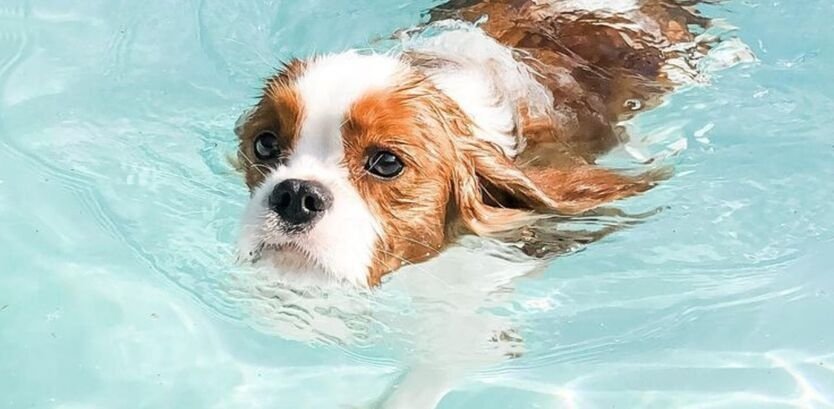
Many owners want to know: are Cavalier King Charles Spaniels good swimmers? Generally, they are considered competent swimmers, but they are not “elite” water dogs. They have the coordination to move through the water gracefully, but they lack the oily, water-resistant coats of true water breeds.
Their swimming ability is often tied to their personality. Some Cavaliers are “water babies” who will jump into every puddle they find. Others are more “regal” and prefer to keep their paws dry on the shore.
The good news is that they are very eager to please. If you are in the pool and calling them with a smile, they will likely try their best to reach you. This makes them much easier to train for water safety compared to more stubborn breeds.
To help them become better swimmers, focus on their exit strategy. A “good” swimmer is a dog that knows exactly how to get out of the water. Spend time showing them where the pool steps are or which part of the bank is easy to climb.
Cavalier King Charles Spaniel swimming ability
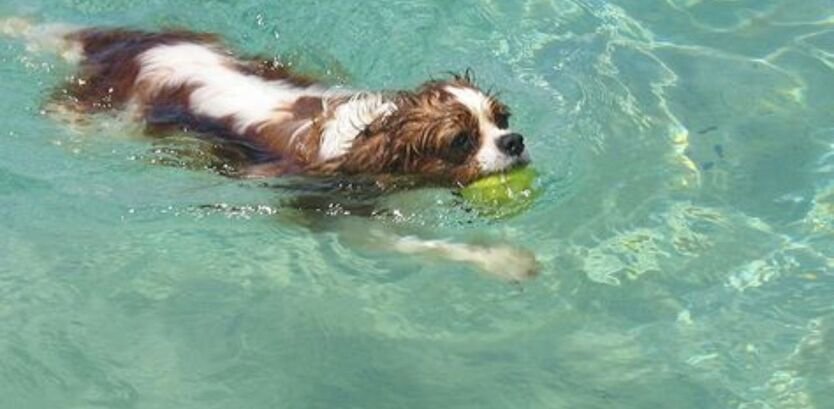
The Cavalier King Charles Spaniel swimming ability is influenced by their unique physical traits. They are athletic enough to enjoy the activity, but they have some limitations that owners must be aware of.
First, their size plays a role. Being a small breed means they have to work harder to move through the water than a larger dog. Waves or currents that seem small to us can feel like a massive tide to a Cavalier.
Second, consider their health. Cavaliers are known for certain heart and respiratory conditions. Swimming is a great workout, but it is also very tiring. Always check with your vet to make sure your dog’s heart is healthy enough for the exertion of swimming.
Finally, their coat is a major factor. Those iconic “feathered” ears and legs look beautiful, but they trap water. This added weight can pull a dog down if they get too tired. Keeping their coat trimmed in a “puppy cut” can actually help improve their swimming ability by reducing drag and weight.
Cavalier King Charles Spaniel swimming facts
To help you understand your pup better, here are some fun and important Cavalier King Charles Spaniel swimming facts:
- Hunting Roots: Despite being lap dogs today, their ancestors were small hunting spaniels that often had to cross streams or retrieve small game from wet areas.
- Ear Care is Key: Their long, floppy ears trap moisture easily. Always dry their ears thoroughly after a swim to prevent painful ear infections.
- Heat Sensitivity: Cavaliers can overheat easily in the sun, but they can also get chilled in cold water. Aim for “Goldilocks” water—not too hot and not too cold.
- Desire to Please: This breed is one of the easiest to train in the water because they value your praise more than almost anything else.
- Buoyancy Issues: Because of their body fat distribution and heavy coats, many Cavaliers are “butt-heavy” in the water. A life jacket helps keep them horizontal and swimming correctly.
Critical Health Considerations
Before making swimming a regular habit, you must consider the specific health needs of this breed. Mitral Valve Disease (MVD) is common in Cavaliers. Since swimming is high-intensity cardio, a dog with an undiagnosed heart murmur could be at risk. Always get a cardiac clear from your vet before hitting the pool.
Another concern is Brachycephalic Airway Syndrome. While not as extreme as Bulldogs, some Cavaliers have shorter snouts that make breathing under exertion difficult. If your dog snorts or gasps after a short swim, they may need more frequent breaks.
Lastly, be mindful of Syringomyelia (SM). This is a condition affecting the spinal cord and skull. If your dog shows sensitivity around the neck or shoulders, a harness-style life jacket is much safer than a traditional collar, which can put pressure on sensitive areas.
Pool vs. Lake vs. Ocean Safety
Each water environment poses different challenges for your small spaniel.
The Backyard Pool: This is the safest place to start. However, chlorine can be very drying for their skin. Always provide a bowl of fresh water nearby so they don’t drink the pool water. Teach them exactly where the steps are dogs don’t naturally see pool exits like humans do.
The Calm Lake: Lakes are great because they usually have a sloped “beach” entry. This allows your Cavalier to choose how deep they want to go. Watch out for blue-green algae, which can be toxic. If the water looks murky or has a “scum” on top, keep your dog out.
The Big Ocean: The ocean is the most dangerous. Even small waves can overwhelm a 15-pound dog. Saltwater is also very harsh on their coat and can cause “salt toxicity” if they drink too much of it. Stick to the very edge of the water and always use a leash.
The Ultimate Post-Swim Grooming Routine
Rinsing your dog is a must. Chlorine, salt, and lake bacteria can irritate their sensitive skin and lead to hot spots.
After a good rinse, use a super-absorbent towel to get as much water out as possible. Pay special attention to their paws and under their ears. Those long ear leathers act like sponges and can stay damp for hours, leading to yeast infections.
To prevent matting, never let your Cavalier air dry without a quick brush. When the fur is damp, it tends to curl and tangle. Using a leave-in conditioner spray before brushing can make the process much smoother and keep those royal curls looking shiny and soft.
Quick Tips for Success
- Always Supervise: Never leave your dog alone near a pool or lake, even if they are great swimmers.
- Use a Life Jacket: It provides safety and boosts their confidence. Look for one with a “neck float” to keep their head up.
- Check the Temperature: If the water is too cold for you, it is definitely too cold for your Cavalier.
- Bring Treats: Make every water experience a “snack party.”
- Watch for Fatigue: If their tail starts to sink, they are getting tired.
Conclusion
Mastering the Cavalier King Charles Spaniel swimming guide is all about blending safety with fun. These little “royal” dogs have a wonderful spirit and a natural curiosity that makes them great partners for summer adventures.
By taking things slow, using the right gear, and providing lots of praise, you can help your Cavalier transition from a cozy lap dog to a confident aquatic explorer. Whether you are at the lake, the beach, or just splashing in the backyard, these moments in the water are a fantastic way to bond with your best friend.
So, grab a life jacket, pack some treats, and get ready for a royal splash! Your clever Cavalier is just a few paddles away from becoming the star of the summer.
Faqs
How long should a swimming session last?
For most Cavaliers, 10 to 15 minutes is plenty of time. Keep an eye on their breathing. If they start to pant heavily or their movements look slow, it is time to take a break and rest in the shade.
What if my dog is afraid of the water?
Never force or throw your dog into the water. This can cause a lifetime of fear. Instead, sit near the water with them and give them treats. Let them see that the water is a safe and happy place.
Can they swim in the ocean?
Yes, but only if the water is very calm. Big waves can easily knock over a small dog and cause them to inhale water. Stick to calm bays or the very edge of the shoreline where the water just laps at their feet.
Is swimming good for older Cavaliers?
Swimming is actually one of the best exercises for senior dogs! It is very easy on the joints. As long as your vet says their heart is healthy, a gentle “float” or a light swim can help keep their muscles strong without causing pain