If you like swimming, you’re probably enjoying the sweltering weather. Swimming in a pool is a great way to cool down on a hot day. Swimming is another activity that many of our canine companions enjoy. However, much like humans, dogs must learn to swim. While some breeds seem to take to the water like a duck, others need a bit of a helping hand to feel confident.
Cocker Spaniels are unique in the dog world. They have a history that is deeply tied to the water, but every dog is an individual with its own personality and fears. Whether you have a tiny puppy or an adult dog who has never seen a pond, this guide is here to help. Continue reading for suggestions on teaching Fido to swim from a local veterinarian’s perspective, backed by years of breed-specific research.
At What Age Should Puppies Learn To Swim?
As a general rule, four months is considered a decent age to start formal swimming lessons. By then, your puppy has a strong grasp on how to work all of his legs and understands the fundamentals of being a dog. At this stage, their coordination is developed enough that they won’t just “sink” or “panic paddle” ineffectively.
This is also the prime window for socialization. Between three and four months, puppies are like sponges, soaking up new experiences. If you introduce them to water now, it becomes a normal part of their world. If you wait too long, your dog may develop a natural fear of the water, making it much harder to train them later in life.
If your puppy were any younger, they might not be physically strong enough to actually swim properly. Their muscles are still developing, and they can tire out in just a few seconds. Of course, if your puppy has any health issues, you should follow your veterinarian’s recommendations. It is also vital to wait until your little friend has fully healed after being spayed or neutered before letting them submerge in any body of water.
To get started, make it a game. Don’t just toss them in! Instead, wade into the shallow water yourself and encourage the puppy to follow you. Walk around in areas where the water only reaches their chest so they don’t even have to swim yet. This build-up helps them realize the water isn’t going to “grab” them.
As soon as possible, use a “dummy” or a bird wing to encourage him to get wet. Cocker Spaniels are natural retrievers, and their brain is hardwired to want to go get things. Toss the toy a few feet out in very shallow water and encourage the puppy to go in and get it. If he is at all interested in retrieving, he’ll rush in and grab it without even thinking about the water.
To make the game more attractive, you can even put a bit of bird scent on the toy. If you always throw it into the wind, the scent will blow right into his nose as he goes after it. This makes the “hunt” even more exciting and gives him a job to focus on rather than his fear of the wetness.
Can Cocker Spaniel Swim
The short answer is a resounding yes! Cocker Spaniels are historically water dogs through and through. They were originally bred to hunt and retrieve game from marshy areas, thick brush, and lakes. This means the ability to swim is literally written into their genetic code. They weren’t just lap dogs; they were hardy field workers who had to cross streams and ponds to bring back a hunter’s prize.
However, while they have the physical tools to swim, not every individual dog is born a natural athlete. Some might be natural “water babies” who jump in the second they see a puddle, while others might be a bit more cautious. This often depends on their early experiences and even their specific lineage.
If a Cocker Spaniel is introduced to water gently, they usually become very strong, confident swimmers. Their medium size and sturdy, athletic build give them a great power-to-weight ratio in the water. This allows them to paddle effectively for long periods without getting tired too quickly, provided they are in good physical shape.
One of the most important things to understand is their “swimming style.” Cocker Spaniels tend to have a very focused, steady stroke. They don’t splash around wildly like some smaller breeds. Instead, they use their powerful hind legs to drive them forward while their front paws steer. When you see a Cocker Spaniel swimming well, it looks almost effortless, like they are gliding.
Cocker Spaniel Puppies Swimming
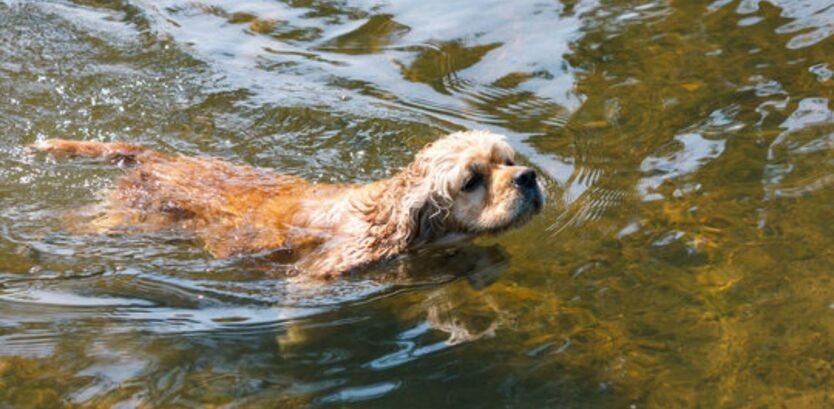
When it comes to Cocker Spaniel puppies swimming, the “slow and steady” approach wins the race every single time. You want to build positive associations from day one. A great way to start is with a simple plastic kiddie pool in your backyard. Don’t use the big family pool right away it’s too deep and can be intimidating.
Fill the kiddie pool with just an inch or two of lukewarm water. Let your puppy sniff it, splash in it, and retrieve their favorite toys from the middle. This builds “water confidence” before they ever have to worry about the physics of floating. If they are having fun in the kiddie pool, they won’t be as scared when the water gets deeper later on.
Once they are around four months old and have had their full round of vaccinations, you can move to a calm pond or a pool with a shallow “beach entry.” Avoid moving water like fast-running rivers or wavy oceans for their first few times. The goal is to make sure they never feel overwhelmed or out of control.
During these first deep-water sessions, stay right next to them. You might even want to place your hand under their belly to give them a bit of extra support. This helps them keep their body horizontal in the water. If a puppy’s back end starts to sink, they will naturally try to “climb” the water with their front paws, which leads to splashing and panicking. Keeping them level is the key to a calm swimmer.
Are Cocker Spaniel Good Swimmers
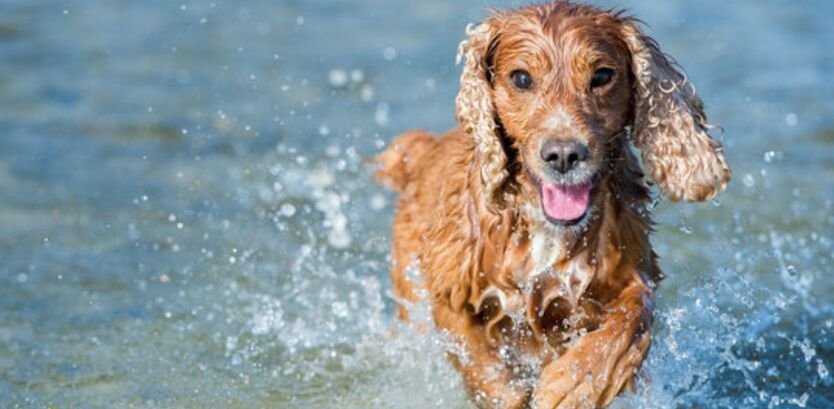
Most experts and long-time owners agree that Cocker Spaniels are among the best swimmers in the entire sporting dog group. They are known for their “otter-like” qualities when they get moving. Because they were bred to work in the field for hours at a time, they have a natural stamina that helps them keep paddling long after other dogs have headed for the shore.
One thing that makes them such good swimmers is their intense desire to please their owners. If you are in the water and calling them with an excited voice, or if there is a tennis ball that needs “saving,” their drive to reach you usually overrides any tiny bit of fear they might have. They are brave little dogs that don’t like to back down from a challenge.
It is important to remember that being “good” at swimming doesn’t mean they are invincible. Even the best swimmer in the world can get tired, get a cramp, or get caught in a hidden current. You should always supervise your dog when they are near any body of water.
Consider a high-quality life jacket if you are out on a boat, near a lake with steep edges, or in deep water. A life jacket isn’t just for dogs that can’t swim; it’s a safety tool that ensures they can stay afloat even if they get exhausted. Plus, most dog life jackets have a handle on the back, which makes it much easier to pull them back onto a boat or a dock.
Cocker Spaniel Swimming Ability
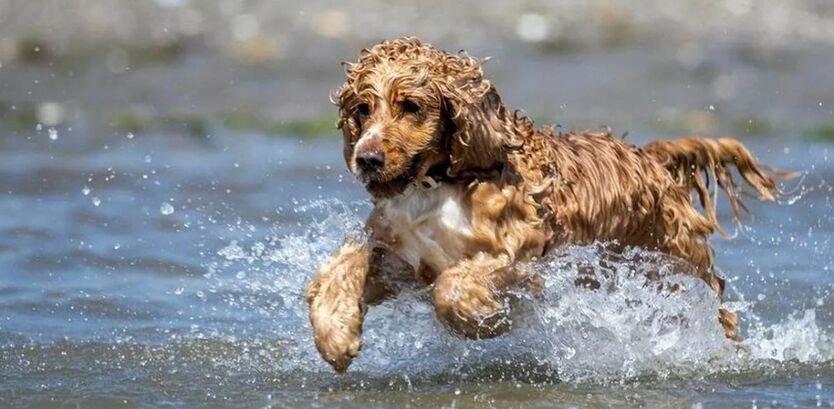
The Cocker Spaniel swimming ability comes down to their unique physical traits and anatomy. They have a compact, muscular body that helps them stay buoyant and move with agility. Unlike some “top-heavy” breeds like Bulldogs or Pugs, Cocker Spaniels have a balanced center of gravity that makes staying level in the water much easier.
Interestingly, many Cocker Spaniels have slight webbing between their toes. While not as pronounced as a Newfoundland or a Labrador, this webbing acts like a natural swim fin. It allows them to push significantly more water with every stroke than a dog with “cat-like” feet. This efficiency is why they can swim for a long time without burning out.
Another major factor is their coat. While their long, silky hair can get heavy when it’s fully soaked, it also provides a bit of insulation against colder water. However, this beautiful coat requires a lot of maintenance. After a swim, that thick hair holds a lot of water and can hide debris like sticks, mud, or even tiny water insects.
A good drying session is a must to keep them comfortable. If you leave them wet, they can develop “hot spots” (skin irritations) or get a chill. Always have a couple of large, absorbent towels ready the moment they step out of the water.
Cocker Spaniel Swimming Facts
To truly understand your water-loving companion, here are some fascinating Cocker Spaniel swimming facts that every owner should know:
- The Scent Factor: Cocker Spaniels have an incredible sense of smell. They can actually pick up scents off the surface of the water or rising from underneath. This is why they are so effective at finding “lost” toys or fallen game in marshy areas.
- Working Roots: Their name comes from the “Woodcock,” a specific type of game bird they were bred to hunt. These birds often live in wet, muddy areas, which required the dogs to be fearless when it came to getting their paws wet.
- Ear Protection: Their long, heavy ears are iconic, but they serve a purpose in the field by stirring up scents. However, in the water, they can be a liability. You must be very careful to dry their ears well after a swim to prevent painful infections.
- Energy Burn: Swimming is one of the best exercises for this breed. Just 15 minutes of active swimming is roughly equivalent to an hour-long walk. It burns a lot of energy without putting any stress on their joints, which is perfect for keeping them fit as they age.
- Natural Buoyancy: Because they carry a healthy amount of muscle but have relatively light bones compared to giant breeds, they have excellent natural buoyancy. They tend to float much easier than “sinker” breeds.
Training Your Cocker Spaniel to Dive and Retrieve
Once your dog is comfortable swimming, you can move on to more advanced water skills. Cocker Spaniels love to retrieve, so teaching them to fetch a floating toy is usually the next step. Start by tossing the toy just a few feet away into the water. Use a “fetch” or “get it” command that they already know from playing on land.
When they bring the toy back, celebrate like they just won an Olympic gold medal! Give them plenty of praise, a small treat, and maybe a quick belly rub. Positive reinforcement is the fastest way to turn a “casual paddler” into a “water enthusiast.”
If your dog is very confident, you can even try teaching them to “dive” for toys that sink just slightly below the surface. Use a toy that is easy to grab and start in very shallow water where they only have to dip their nose in. As they get used to it, you can move to slightly deeper spots. This is great mental and physical stimulation for a smart breed like the Cocker Spaniel.
Essential Tips for Dog Parents
To make your swimming trips a success and keep your furry friend safe, keep these practical tips in mind:
- Check the Temperature: If the water is too cold for you to stand in comfortably, it is likely too cold for a young puppy or an older dog. Stick to warm, sunny days for your training sessions to avoid “cold water tail” (a painful but temporary condition where the tail goes limp).
- The “Shake” Cue: Teach your dog to shake on command. You can do this by gently blowing on their ear or touching their shoulder when they are wet, then saying “shake!” and rewarding them. This prevents you from getting soaked and helps them shed excess water weight quickly.
- Fresh Water is Key: Always bring a bowl and plenty of fresh drinking water. Many dogs will try to drink the water they are swimming in, whether it’s a salty ocean or a chlorinated pool. This can lead to salt poisoning or stomach upset.
- Rinse After Every Dip: Always rinse your dog with fresh water after they swim. Chlorine in pools can dry out their skin and bleach their coat, while salt and sand from the ocean can cause severe itching and irritation.
- Ear Care is Non-Negotiable: Use a vet-approved, drying ear cleaner after every swimming session. Because their ears hang down, they trap moisture inside the canal. If left wet, this is a perfect breeding ground for bacteria and yeast infections.
Safety First: Recognizing Fatigue
Even the most enthusiastic Cocker Spaniel doesn’t always know when to quit. It is your job to watch for signs that they are getting tired. A tired dog is a dog at risk of drowning. Look for these “red flags”:
- The “Vertical” Swim: If their back end starts to sink and they are swimming more vertically than horizontally, they are exhausted.
- Heavy Panting: If their tongue is hanging far out and they are gasping for air even while paddling, it’s time to get out.
- Slow Response: If they aren’t coming when called or are ignoring the toy they usually love, they are likely focused entirely on just staying afloat.
- Red Eyes: Constant splashing can irritate their eyes. If they look bloodshot, it’s time for a break and a fresh water rinse.
Conclusion
Teaching your Cocker Spaniel to swim is a rewarding journey that strengthens the bond between you and your pup. It’s not just about exercise; it’s about giving them the confidence to explore the world around them. By starting slow, keeping every session positive, and using their natural instincts to your advantage, you’ll soon have a confident water companion ready for any summer adventure.
Remember to prioritize safety, keep those beautiful ears dry, and most importantly—have fun splashing around! Your Cocker Spaniel was born for the water, and with your guidance, they will truly thrive in it.
Frequently Asked Questions
Do all Cocker Spaniels like water?
Most do because of their history, but every dog is an individual. Some might prefer just dipping their paws on a hot day, while others will dive right in. If your dog is hesitant, never force them. Forcing a dog into the water can cause a lifelong phobia that is very hard to fix.
Can my dog get sick from swimming?
Yes, they can. Drinking too much pool water or stagnant pond water can cause an upset stomach or even parasites like Giardia. Always supervise what they are putting in their mouths. Also, be aware of “Blue-Green Algae” in ponds during the summer, as this is highly toxic to dogs.
How long should a swimming session last?
For beginners and puppies, 5 to 10 minutes is plenty of time. As they get stronger and more conditioned, they can swim for 20 to 30 minutes at a time. Always provide a shaded area for them to rest in between “laps.”
Is a life jacket necessary for a breed that can swim?
It is highly recommended! Even if your dog is a great swimmer, a life jacket provides peace of mind. It’s essential for puppies who are still learning, senior dogs who might tire easily, or any dog swimming in deep or moving water. It also makes them much more visible to boats and other people.
How do I dry my Cocker Spaniel’s ears properly?
Use a soft, dry towel to pat the outside and the visible part of the inner ear. Never stick Q-tips down into the ear canal. Use a veterinarian-recommended drying solution that helps evaporate any trapped water deep inside.