
Dog training is the recipe for a good dog, friendly, obedient, and well-mannered. Cocker spaniels are easy-to-train dogs, thanks to their happy nature that makes them keen to learn and impress their owners. If you’re planning to own one of these dogs, you may be stuck wondering how to train a cocker spaniel and make coexistence easier.
Training a cocker spaniel dog involves crate and house training, lead training, and obedience training. In the rest of this article, I’ll take you through the above steps on how to train a cocker spaniel. I’ll go through each step in detail so that by the time you’re done reading, you’ll know where to start and end your canine friend’s training. Let’s dive right in.
Cocker Spaniels are adorable, expressive little dogs with hearts of gold and bags of energy. They’re smart, sensitive and eager to please. But they’re also full of mischief, with an inquisitive nose and a strong opinion about pretty much everything!
This guide walks you through the essential training steps that help shape your spirited spaniel into a relaxed, happy and settled member of the family. They’re intelligent, loyal, and eager to please and a breeze to train as puppies. Because we’d love to see you two grow into a wonderful dynamic pair, we thought to help you plan for those first 8 weeks with this handy training guide.
Are cocker spaniel easy to train
The short answer is yes. Cocker Spaniels are widely considered one of the more trainable breeds in the canine world. This is mainly because they were bred to work closely with humans as hunting companions. This history has left them with a strong desire to please their “person.”
However, their intelligence can be a double-edged sword. While they learn commands very quickly, they are also smart enough to learn things you didn’t intend to teach them. For example, if you accidentally reward them for jumping up by giving them attention, they will learn that behavior just as fast as a “sit” command.
Another factor is their sensitivity. Unlike some tougher breeds, a Cocker Spaniel wears its heart on its sleeve. If you use a harsh tone or get frustrated, they may shut down or hide. This means they are easy to train only if you use the right methods. Positive reinforcement is the way to go with this breed.
They are also very food-motivated. This makes the training process much smoother. If you have a bag of tasty treats, you have a Cocker Spaniel’s undivided attention. Their “merry” personality means they enjoy the process of learning, making it a fun experience for both of you.
Lastly, remember that “easy to train” doesn’t mean “no effort.” They have high energy levels and a curious nature. If they aren’t given clear boundaries and mental stimulation, they might use their smarts to find trouble. But with a little patience, you will find them to be top-tier students.
Tips for training cocker spaniel puppy

Starting your training journey with a puppy is the best way to ensure a lifetime of good behavior. The first few months of a Cocker Spaniel’s life are like a sponge soaking up information. You want to make sure they are soaking up the right things.
Starting with Socialization Socialization is the most important part of puppy training. You need to introduce your puppy to different people, dogs, and environments. This helps prevent them from becoming fearful or anxious adults. Take them to the park, let them hear the sound of a vacuum cleaner, and introduce them to friends of all ages.
Keep it Short and Sweet Puppies have very short attention spans. If you try to train them for thirty minutes, they will lose interest and stop learning. Instead, aim for five-minute sessions throughout the day. These “mini-lessons” keep them excited and prevent them from getting bored or tired.
Master the Crate Early Crate training is a lifesaver for housebreaking. It gives your puppy a safe space that feels like a den. Never use the crate as a punishment. Instead, put treats and toys inside so they associate it with happy things. This makes bedtime and vet visits much easier for everyone.
Focus on Handling Cocker Spaniels need a lot of grooming throughout their lives. You should get your puppy used to having their paws, ears, and tail touched. Give them a treat every time you brush them or check their ears. This prevents grooming sessions from becoming a struggle when they are older.
Be Patient with Potty Training Like all puppies, Cockers will have accidents. The key is consistency. Take them outside every time they wake up, eat, or play. When they go potty outside, throw a “puppy party” with lots of praise and a treat. If they have an accident inside, simply clean it up without scolding them.
Cocker spaniel training guide
To get the best results, you need a structured approach. Training isn’t just about tricks; it’s about building a language between you and your dog. Follow this guide to build a solid foundation of obedience.
Establish a Routine Dogs thrive on predictability. Try to train, feed, and walk your dog at the same times every day. When a Cocker Spaniel knows what to expect, they feel more secure and are more focused during their learning sessions.
The Power of Positive Reinforcement This is the golden rule for Cocker Spaniels. Use rewards like small pieces of chicken, cheese, or their favorite toy to reward good behavior. When they do something right, mark the moment with a word like “Yes!” or a clicker, then give the reward immediately. This helps them understand exactly what they did to earn the prize.
Basic Commands Everyone Needs Every Cocker Spaniel should know at least four basic commands: Sit, Stay, Come, and Leave It.
- Sit: This is the foundation for all other training.
- Stay: This keeps them safe in busy areas or when you open the door.
- Come (Recall): This is vital for Spaniels because their nose often leads them away.
- Leave It: Essential for preventing them from eating things they shouldn’t on walks.
Lead Training without the Pull Cocker Spaniels love to explore, which often leads to pulling on the lead. To stop this, use the “stop-start” method. If your dog pulls, stop walking immediately. Don’t move again until the lead goes slack. They will soon learn that a tight lead means no more walking, while a loose lead means they get to keep exploring.
Teaching “Quiet” Cocker Spaniels can be quite vocal. They might bark at the mailman or a squirrel in the garden. To manage this, acknowledge the bark once, then use a “Quiet” command and offer a treat when they stop. This teaches them that their job of alerting you is done and that silence is more rewarding.
How to train cocker spaniel to hunt
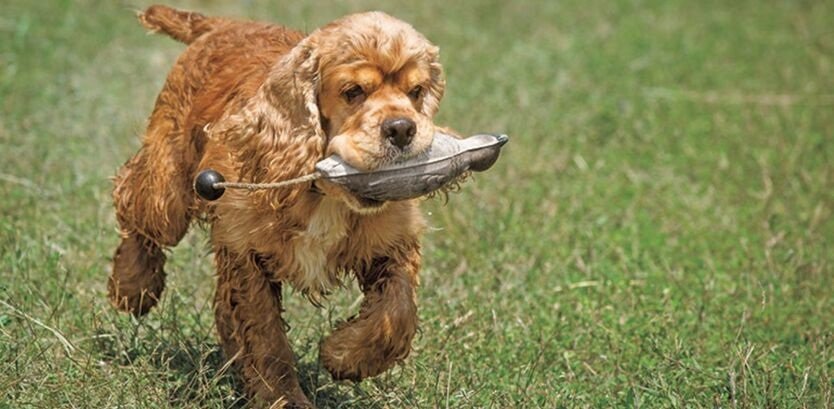
Even if you don’t plan on taking your dog into the field, training them in basic hunting skills is a great way to satisfy their natural instincts. Cocker Spaniels were originally bred to “flush” birds out of the brush and retrieve them.
Building a Strong Fetch The “retrieve” is in their blood. Start in a hallway where they can’t run off with the toy. Throw a soft toy and encourage them to bring it back. When they do, swap it for a high-value treat. This teaches them that giving up the “prey” results in something even better.
Introducing Scent Work A Cocker Spaniel lives through its nose. You can play scent games by hiding treats around your house or garden. Use a command like “Find it!” to start the game. This burns a lot of mental energy and keeps them from getting bored and destructive.
The “Whistle” Command In the hunting world, whistles are used because they carry further than the human voice. You can train your dog to sit or return to you based on different whistle blasts. This is incredibly helpful if you enjoy off-lead walks in the woods where your voice might be muffled by trees or wind.
Steady to Shot or Sound Hunting dogs need to be calm around loud noises. You can desensitize your Cocker by playing recordings of loud noises at a very low volume while they eat or play. Gradually increase the volume over several weeks. This prevents them from becoming “gun shy” or fearful of thunder and fireworks.
Quartering the Ground This is the zig-zag pattern dogs use to find scent. You can encourage this on walks by changing your direction frequently. When your dog sees you turning, they will learn to check back in and stay within a certain range, which is perfect for keeping them safe in open spaces.
Cocker spaniel tips and tricks

Once you have the basics down, you can start adding some fun flair to your training. These tips and tricks will help you manage their specific personality quirks.
Manage the “Velcro” Behavior Cocker Spaniels are known as “Velcro dogs” because they want to be with you every second. While this is sweet, it can lead to separation anxiety. Teach them a “place” command where they stay on their bed while you are in another room. Start with just a few seconds and build up the time.
The “Treat Scramble” for Distraction If you see another dog or something that might make your Cocker bark, try a “treat scramble.” Drop a handful of small treats in the grass and say “Find it!” Their nose will hit the ground, and their brain will switch from “barking mode” to “hunting mode” instantly.
Ear Care During Training Because their ears are so long, they can get in the way during training or dipping into water bowls. You can use a “snood” to keep their ears back while they eat or work. It keeps them clean and prevents them from tripping over their own ears!
Wait for the Food Bowl Make your dog sit and stay before you put their food bowl down. This is a simple daily exercise that reinforces your role as the leader and teaches them patience. They should only eat once you give a release command like “Okay!”
The “Middle” Command Teach your dog to come and stand between your legs. This is a “safe spot” for them if they feel overwhelmed in public. It also gives you total control of their body if you need to move out of the way of a car or a cyclist.
Daily Mental Puzzles A tired Cocker is a good Cocker. Instead of just physical walks, use puzzle feeders. Making them work for their kibble engages their brain and prevents the “zoomies” late at night.
Conclusion
Training your Cocker Spaniel is a rewarding journey built on love, patience, and clear communication. By focusing on positive reinforcement and understanding their sensitive nature, you will transform your energetic pup into a loyal, well-mannered companion. Stay consistent with your coaching, keep sessions fun, and you will enjoy a lifetime of happy, tail-wagging devotion from your best friend.
FAQS
Why does my Cocker Spaniel ignore me outside
They are likely distracted by smells. Use high-value treats like chicken to keep their focus on you.
Are they hard to house train?
No, but they have small bladders. Frequent potty breaks and rewards for going outside will work quickly.
How much exercise do they need?
Expect to provide at least one hour of daily exercise, combining walks with mental games.
Can they live in apartments?
Yes. They are happy in smaller spaces as long as they get enough outdoor time and attention.
Is it too late to train an older dog?
Never. Older Cockers have better focus and respond well to the same positive reinforcement methods.