Your Collie is truly a magnificent dog. With their gentle eyes, loyal heart, and that flowing, beautiful coat, they often look like they stepped right out of a classic movie.
But that amazing coat doesn’t just stay beautiful by itself, does it?
It takes consistent care and the right tools. If you’ve ever felt overwhelmed by the thought of tackling all that fur, you’re not alone. The goal of grooming isn’t just to make your dog look pretty; it’s about ensuring your dog’s comfort and health.
We are here to help! As experienced content strategists and lovers of the dog world, we know exactly what it takes to keep your Collie looking regal and feeling great.
This comprehensive guide breaks down the secrets of maintaining the Collie’s distinct double coat whether you have a Rough Collie with the long mane or a Smooth Collie with the shorter, denser fur. By the time you finish this guide, you’ll have all the knowledge and confidence to make grooming a delightful ritual for both you and your elegant companion.
Let’s dive into the world of collie dog Grooming Guides and turn routine maintenance into quality time.
border collie grooming requirements
The Border Collie, known for its incredible intelligence and boundless energy, usually has one of two coat types: rough (long and feathered) or smooth (short and dense). Regardless of the type, every Border Collie has a double coat.
Understanding this double coat is the first and most crucial step in meeting their grooming needs.
The Double Coat Explained
A double coat means your dog has two layers of fur that work together like a natural thermostat:
- Outer Coat (Guard Hairs): These hairs are longer, tougher, and coarser. Their job is to repel dirt, shed water, and protect your dog’s skin from the sun. This is the coat you see and admire.
- Undercoat: This is the soft, dense, woolly layer closest to the skin. It acts as insulation, keeping your dog warm in winter and cool in summer. This undercoat is the main culprit behind shedding and matting if not properly managed.
Because the Border Collie is an active herding breed, their coat needs to be strong enough to withstand all sorts of weather and environments from grassy fields to dusty trails.
Grooming Frequency
The required frequency of grooming depends heavily on the coat type and their lifestyle:
- Rough-Coated Border Collies: These beautiful, long-haired dogs require brushing at least three times a week. During heavy shedding seasons (spring and fall), you might need to brush them daily to manage the loose undercoat. They need a bath approximately every 4-6 weeks, or when they are visibly dirty from their adventures.
- Smooth-Coated Border Collies: While they look easier, they still shed quite a bit! They benefit from brushing once or twice a week with a rubber curry brush or a shedding blade. Bathing frequency is similar, every 6-8 weeks, depending on their activity level.
Remember, consistency is far more important than intensity. Short, regular grooming sessions are better than one long, painful session after a mat has formed.
Essential Grooming Tools Checklist
Having the right tools makes all the difference. Investing in quality equipment will save you time and keep your Collie much happier.
- Pin Brush: Great for lifting the outer coat and removing surface tangles. Look for one with rounded tips.
- Slicker Brush: Your heavy-duty tool for dealing with mats and reaching the thick undercoat. Use this carefully, as the wire bristles can scratch the skin if pressed too hard.
- Undercoat Rake (or Deshedding Rake): This is essential for both coat types during shedding season. It is designed with long teeth to reach deep down and pull out the dead, loose undercoat without cutting the guard hairs.
- Wide-toothed Comb: Perfect for checking your work after brushing. If the comb glides through the entire coat from root to tip, you’ve done a great job!
- Nail Clippers (Guillotine or Grinder): Keeping nails trimmed is crucial for comfort and posture.
- Dog-Specific Shampoo and Conditioner: Never use human shampoo. Dog-specific products maintain the proper pH balance of their skin.
border collie grooming tips

Grooming your Border Collie can be a wonderful bonding experience, but you need to approach it with patience, especially if your dog is young or new to the routine. Early positive introduction is key.
Making Grooming Fun (Not Scary)
When introducing your puppy or adult dog to grooming, start slowly. You want them to associate the tools and the process with treats and praise.
- Start Short: Keep initial sessions to just 5-10 minutes. Focus on one small part of their body.
- Use Positive Reinforcement: Give treats frequently while you are brushing. Stop brushing, give a treat. Start again, give praise.
- Introduce Tools Slowly: Let your dog sniff the brush and the nail clippers before you even use them. Gently touch the tools to their body without actually brushing or clipping.
- Handle Paws Often: Border Collies are active, and their paws need special attention. Gently handle their paws and toes frequently, even when you aren’t trimming their nails. This makes them less sensitive when the clippers come out.
The Proper Brushing Technique
The biggest mistake owners make is brushing only the top layer of the coat. Mats start close to the skin, where the undercoat is thickest.
- The “Line Brushing” Method: This is the pro technique you need to master.
- Start at the very bottom of the dog’s body (like a back leg).
- Use one hand to part the fur, holding the top coat up and out of the way. You are creating a “line” where you can see the skin.
- Brush the fur under your line, working from the root out.
- Once you’ve brushed that thin section, drop down a little more of the fur and brush the next section.
- Slowly work your way up the body, section by section, ensuring your brush and rake reach the skin every time.
This method guarantees you remove all dead undercoat and prevent those sneaky mats from forming underneath the surface. Pay extra attention to the areas where friction occurs: behind the ears, under the “armpits,” and the long feathers on their legs and tail.
Shedding Season Survival
Border Collies generally shed moderately year-round, but they “blow their coat” twice a year, usually in spring and fall. This is when the old, dense undercoat is dropped to prepare for the new season.
- Deshedding Tools Are Your Friend: This is when the undercoat rake and slicker brush become daily necessities. Dedicate 20 minutes a day to a full line-brushing session during this time.
- The Power of the Bath: A warm bath using a quality deshedding shampoo, followed by a thorough blow-dry (not just air-drying!), helps release the dead undercoat dramatically. The water loosens the hair, and the high-velocity dryer pushes it off the dog’s body.
collie grooming needs
While Border Collies are often discussed separately due to their work history, the Rough Collie and Smooth Collie have the most distinctive grooming needs within the Collie family. Both share the same gentle, reserved temperament, but their coats couldn’t be more different to manage.
The Smooth Collie: Easy, but Still Needs Attention
The Smooth Collie has a shorter, denser, and flatter coat, meaning they require significantly less time in front of the brush than their rough-coated relatives. However, “easy” doesn’t mean “no grooming.”
- Shedding Management: Smooth Collies shed heavily! Their short, stiff hairs can weave themselves into carpets and furniture. A rubber curry brush or a hound mitt used weekly is excellent for catching these loose hairs before they fall out.
- Bathing: They require less frequent bathing, perhaps every 8-12 weeks, unless they get into something messy. Their coat dries much faster than the Rough Collie’s.
- Quick Check-Overs: Because their coat is less prone to tangles, a quick daily check over their ears and tail for any tiny debris is usually sufficient outside of the weekly full brush.
The Rough Collie: The Majestic Coat
The Rough Collie, famously known as Lassie, possesses the coat that truly requires dedication. This dense, long, luxurious coat is their defining feature but is also a magnet for dirt, burrs, and mats.
- Daily Maintenance: If you want to avoid marathon brushing sessions, a 15-minute daily commitment to brushing the areas prone to matting is a must. These hot spots are:
- The ruff (the beautiful mane around the neck).
- Behind the ears.
- The “pants” (the long fur on the hind legs).
- The tail.
Nail, Ear, and Dental Care (Universal Needs)
Grooming is more than just the coat. These three areas are essential for every Collie’s overall health and comfort.
- Nail Trimming: Overgrown nails cause pain, make walking difficult, and can lead to paw and joint problems. Aim to trim them every 3-4 weeks. If you hear a ‘click-clack’ sound when your Collie walks on a hard floor, their nails are too long.
- Tip: If your dog has clear nails, you can see the pink quick (the blood vessel). Cut just before that. If they have black nails, trim off small slivers at a time until you see a small gray or black circle in the center, which means you are close to the quick.
- Ear Cleaning: Collies have ears that can trap moisture and debris. Check their ears weekly for redness, odor, or excessive wax. Use a veterinarian-approved cleaning solution on a cotton ball (never cotton swabs) and gently wipe the visible part of the ear canal.
- Dental Care: This is the most often overlooked part of grooming. Brushing your dog’s teeth daily or at least three times a week with dog-specific toothpaste prevents tartar buildup, bad breath, and serious dental disease.
rough collie grooming tips
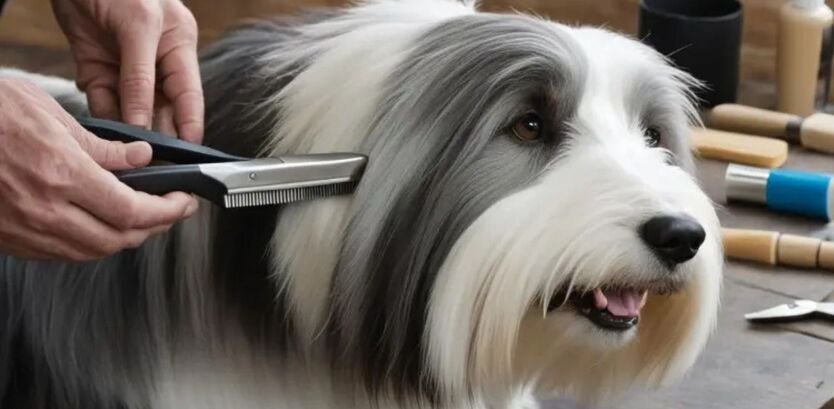
The Rough Collie’s coat is what makes them so breathtaking, and it is entirely manageable with the right approach. Your goal is to keep the undercoat separate from the topcoat and keep air circulating right down to the skin.
Dealing with the Ruff and the Frills
The long hair around the neck (the ruff) and on the legs and tail (frills or feathering) are the most glamorous parts of the coat, but also the most challenging.
- Ruff Maintenance: The ruff is prone to collecting food, water, and debris. When brushing the ruff, brush the hair forward toward the dog’s chin first, then brush it backward into place. Always use the line-brushing method here, as the neck area is a prime spot for mats.
- Feathering Care: The long hair on the legs and tail can get tangled very easily, especially after a run in the woods or tall grass. Comb these sections out gently, holding the hair near the skin so you don’t pull too hard if you hit a tangle.
- Dematt Gently: If you find a mat (a tight clump of fur), do not pull it!
- Use a detangling spray or cornstarch powder directly on the mat.
- Use a metal comb or a special mat splitter tool.
- Work on the edges of the mat first, gently pulling small sections of hair out from the main clump.
- Never try to cut the mat out with scissors unless you know exactly where the skin is. It is incredibly easy to accidentally cut your dog.
The Bathing Challenge: A Guide to Thorough Drying
Bathing a Rough Collie is a commitment, not just because of the time it takes to wash all that fur, but because of the time it takes to fully dry it.
- Pre-Bath Brushing: You absolutely must brush out every single mat and tangle before the bath. Water tightens mats and makes them nearly impossible to remove later, which can cause severe discomfort for your dog.
- Saturate Deeply: Wet the coat completely, which takes time. Use a diluted shampoo and work it deep into the undercoat. Pay attention to the undercarriage and legs.
- Conditioning is Key: A good conditioner will help the coat shed water and make brushing easier later. Rinse thoroughly until the water runs completely clear and you feel no slippery residue.
- The Power of the Dryer: This is the most important step. A human hairdryer is too weak and only dries the top layer, leaving the undercoat damp. A damp undercoat is a breeding ground for mildew and is guaranteed to mat overnight (a condition called “coat rot”).
- Use a high-velocity dog dryer. These specialized dryers blow air powerfully, separating the hairs and pushing the water out of the undercoat.
- As you dry, use your slicker brush or pin brush to lift and brush the coat against the direction it naturally falls. This ensures the air reaches the skin.
- Do not stop until your Collie is 100% dry down to the skin. This can take over an hour, but it is necessary for coat health.
rough collie grooming
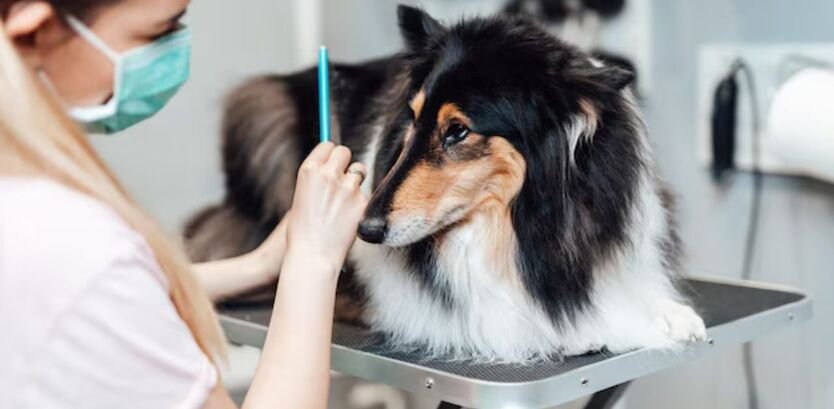
Successful rough collie grooming isn’t just about regular brushing; it’s about establishing a consistent routine that integrates trimming and general hygiene. While many owners opt for professional grooming every 6-8 weeks, knowing how to handle the maintenance in between is crucial.
Understanding Trimming and Shaping
Rough Collies are a “natural” breed, meaning they should not be extensively clipped or shaved. In fact, shaving a double-coated dog is one of the biggest mistakes an owner can make.
- Never Shave the Double Coat: Shaving removes the insulation (the guard hairs) that protect them from the sun and heat. It can lead to severe sunburn and heatstroke. In many cases, the coat can grow back incorrectly, becoming patchy, fuzzy, or failing to grow back at all (a condition known as post-clipping alopecia).
- The Light Trim: Trimming is mainly for neatness and hygiene. Areas that benefit from a light trim using thinning shears include:
- Paws: Trim the excess hair growing between the paw pads. This helps prevent slipping and keeps mud and debris from tracking into the house.
- Hocks: Tidy up the long hair on the back of the rear legs (the hocks) to create a neat, clean appearance.
- Ears: Gently trim stray hairs around the edges of the ears to maintain the Collie’s elegant head shape.
The Sanitary Trim
The sanitary trim is a non-negotiable part of rough collie grooming for cleanliness.
- This involves carefully trimming the hair immediately around the rear end (anal area) and the belly/genital area.
- Keeping this hair short prevents feces and urine from clinging to the fur, which is unhygienic and can cause skin irritation or infections.
- Use small, blunt-tipped scissors or electric clippers with a short blade (like a #10 blade) and exercise extreme caution near sensitive areas.
Dealing with the “Lion’s Mane”
The ruff is the Collie’s crowning glory, making them look so grand. To keep it full and flowing without becoming a disaster zone, you need the right brushing habit.
- Every time your Collie drinks or eats, the hair around their neck and chest gets wet and matted.
- Make it a habit to quickly comb out the chest hair after they eat or drink. A small, fine comb kept near their feeding station is a great reminder. This small effort saves huge headaches later.
By focusing on these practical and consistent maintenance tips, you ensure that the beautiful, protective coat of your Rough Collie remains healthy, comfortable, and truly majestic.
Conclusion:
Grooming your Collie, whether rough or smooth, is more than just a chore; it’s an essential act of care that contributes directly to your dog’s health and happiness. Their magnificent coat is a double-edged sword: beautiful to look at, but demanding of time and attention.
By adopting the line-brushing method, investing in the right tools (especially a good undercoat rake and high-velocity dryer), and prioritizing a consistent schedule, you can effectively manage shedding, prevent painful mats, and ensure that their natural thermostat is working perfectly.
Remember, start grooming early, keep sessions positive with lots of praise and treats, and never, ever shave that precious double coat. With these Collie Dog Grooming Guides in hand, you are fully equipped to keep your loyal, elegant companion looking their very best every single day.
Happy grooming!
Frequently Asked Questions (FAQs)
Do I really need a high-velocity dryer for my Rough Collie?
Yes, it is highly recommended. A regular hairdryer or air-drying leaves the dense undercoat damp, which is the main cause of severe, painful matting (coat rot) and can lead to skin problems. A high-velocity dryer quickly forces air down to the skin, ensuring your Collie is 100% dry and preventing mats.
How often do Border Collies need professional grooming?
- Rough/Long-Haired: A professional bath and blow-out every 4 to 8 weeks is beneficial, especially during shedding season, to thoroughly clear the undercoat.
- Smooth-Haired: Generally need professional attention for nails, ears, and sanitary trims every 8 to 12 weeks.
- The consistency of your at-home brushing will determine how often you need a professional.
Is it okay to cut my Collie’s hair short for the summer to keep them cool?
No, never shave or cut a Collie’s double coat short. Their coat naturally regulates their temperature: the outer layer protects them from UV rays and heat, while the undercoat insulates and keeps them cool. Shaving removes this protection, increasing the risk of heatstroke, sunburn, and potential coat damage (growing back incorrectly). Focus on deep brushing to remove the dead undercoat instead.
What is the best type of brush for a Rough Collie?
You need a set of tools for a Rough Collie:
- Undercoat Rake: Essential for pulling out the dead, shedding fur closest to the skin.
- Slicker Brush: Best for preventing and removing surface mats.
- Metal Grooming Comb: Used as a final check to ensure the coat is completely mat-free from root to tip.