
Your German Shepherd is more than just a pet. They are a loyal companion, a smart athlete, and a powerhouse of energy. Keeping them strong, healthy, and happy requires proper nutrition that fuels their active lifestyle. The right food can help maintain their muscles, support their joints, keep their coat shiny, and give them the energy to enjoy every day.
Feeding your German Shepherd well isn’t just about filling a bowl. It’s about giving them the nutrients they need to thrive. Whether you’re raising a puppy or caring for an adult dog, understanding what makes the best food for German Shepherds is essential. From protein-rich meals to joint supplements and sensitive stomach options, there’s a lot to consider.
Best Dog Food for German Shepherds
Choosing the best dog food for German Shepherds means focusing on high-quality protein, healthy fats, and easily digestible ingredients. Protein supports strong muscles, while healthy fats provide steady energy. Look for foods that include chicken, beef, lamb, or fish as primary ingredients.
Grains like brown rice and oatmeal can provide energy, but some German Shepherds may thrive better on grain-free options if they have sensitivities. Vegetables like sweet potatoes, peas, and carrots add fiber and essential vitamins. Avoid fillers, artificial colors, or by-products that don’t contribute to your dog’s health.
When selecting a commercial dog food, check that it meets the standards of the Association of American Feed Control Officials. This ensures that your German Shepherd receives balanced nutrition tailored for their age and activity level.
Practical Tip: Always transition to a new food gradually over 7–10 days to prevent digestive upset.
German Shepherd Puppy Food

German Shepherd puppies have special nutritional needs to support their rapid growth. High-quality puppy food should provide plenty of protein for muscle development and calcium for strong bones. Puppies also need higher levels of fat for energy.
Look for foods specifically formulated for large breed puppies. These formulas help prevent rapid growth that can put stress on developing joints. Avoid overfeeding, as excess weight can lead to long-term joint problems.
Feeding Schedule for Puppies:
- 8–12 weeks: Four meals per day
- 3–6 months: Three meals per day
- 6–12 months: Two meals per day
Practical Tip: Consult your vet for portion sizes based on your puppy’s weight and activity level.
German Shepherd Joint Supplements
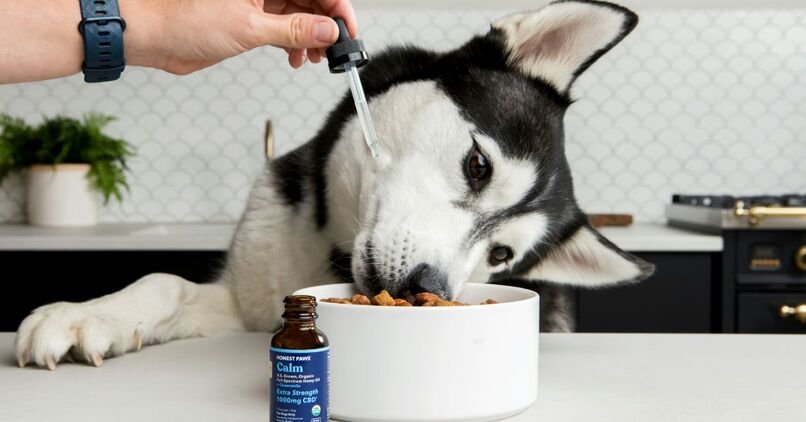
German Shepherds are prone to joint issues, such as hip dysplasia and arthritis. Joint supplements can help maintain healthy joints and support mobility. Common ingredients include glucosamine, chondroitin, and omega-3 fatty acids.
Glucosamine helps repair cartilage, while chondroitin keeps joints lubricated. Omega-3 fatty acids, often found in fish oil, reduce inflammation and support overall joint health. Supplements should be considered in addition to a balanced diet, not as a replacement.
Practical Tip: Always consult your veterinarian before adding any supplements to your dog’s diet.
How Much to Feed a German Shepherd
The amount of food your German Shepherd needs depends on their age, weight, activity level, and metabolism. Active adult dogs may require 3–5 cups of high-quality dry food per day, split into two meals.
Puppies need smaller, more frequent meals. Avoid free-feeding, as it can lead to obesity. Monitor your dog’s body condition, and adjust portions if they are gaining too much weight or seem underweight.
Practical Tip: Use your dog’s body condition score as a guide. You should be able to feel their ribs without pressing too hard and see a defined waist from above.
German Shepherd Sensitive Stomach Food
Some German Shepherds have sensitive stomachs that require special care. Foods formulated for sensitive digestion are typically made with easily digestible ingredients like rice, lamb, and chicken. They are low in fat and free from artificial additives that can cause upset.
Probiotics can be very helpful for German Shepherds with sensitive stomachs. These beneficial bacteria support healthy digestion and can prevent diarrhea or constipation.
Practical Tip: Introduce any new sensitive stomach food gradually and observe your dog for any signs of digestive upset.
Raw Food Diet for German Shepherds
A raw food diet is an option some owners consider for German Shepherds. This diet typically includes raw meat, bones, and vegetables. Advocates claim it supports strong muscles, healthy skin, and higher energy levels.
If you choose to feed raw, it’s essential to follow safety guidelines. Raw meat can carry bacteria, so hygienic handling and proper storage are critical. Balance is key: ensure your dog receives appropriate nutrients for all life stages.
Practical Tip: Consult a veterinary nutritionist before switching to a raw diet to avoid nutritional deficiencies.
Conclusion
Feeding your German Shepherd is more than a routine; it’s an investment in their health and happiness. The right nutrition supports strong muscles, healthy joints, a shiny coat, and abundant energy. Whether you are selecting food for a puppy, managing joint health, or addressing a sensitive stomach, understanding their needs will help your dog thrive.
By providing balanced meals, monitoring portions, and considering supplements when necessary, you give your German Shepherd the best chance to live a long, healthy, and active life. With proper nutrition, your loyal companion will be by your side, full of strength, energy, and love for many years to come.
FAQs
What is the best food for German Shepherds?
High-quality protein-based dog food with healthy fats and easily digestible ingredients is ideal.
How often should I feed my German Shepherd puppy?
Puppies need 3–4 small meals per day depending on their age and weight.
Do German Shepherds need joint supplements?
Joint supplements can help support mobility, especially as they age or if they have a history of joint issues.
Can German Shepherds eat a raw food diet?
Yes, but it must be carefully balanced and handled safely to prevent nutrient deficiencies and bacterial infections.
What should I do if my German Shepherd has a sensitive stomach?
Feed easily digestible food, avoid artificial additives, and consider adding probiotics for digestive support.