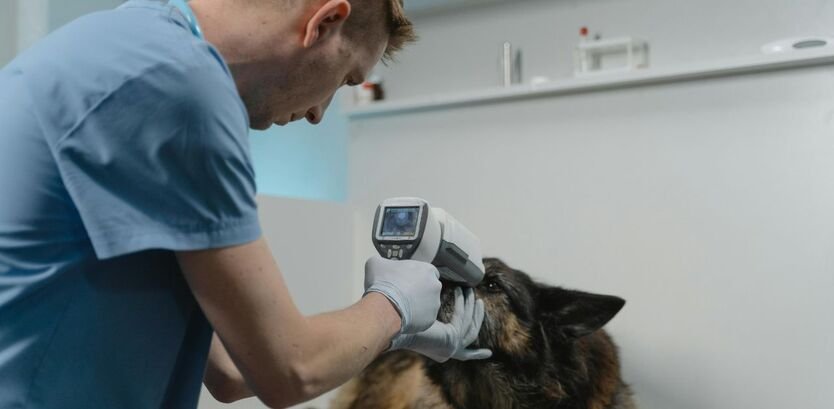
If you live with a German Shepherd, you already know two things: they’re incredibly loyal, and their hair is everywhere. Your couch, your car, your coffee nothing is safe from their fur! These loyal, hardworking dogs are beautiful, athletic, and intelligent, but they’re also notorious shedders.
From clumps of fluffy undercoat in spring to a steady stream of hair year-round, it can feel like you’re constantly battling the fluff.
But before you start pricing out lint rollers in bulk, know that an effective German Shepherd grooming routine can make all the difference! Grooming your majestic companion is a vital part of maintaining their health, comfort, and noble presence.
According to professional groomers, the best way to control German Shepherd shedding is through consistent, thorough brushing. This is the cornerstone of their care.
In this comprehensive guide, we will explore the characteristics of their unique coat. We will walk you through the basics of brushing that dense double coat, share smart bathing tips, and cover all the essentials, including nails, ears, and teeth. Let’s dive in and learn how to keep your magnificent German Shepherd looking regal and feeling their absolute best.
German Shepherd Grooming Requirements
The German Shepherd’s grooming needs are directly tied to their most famous feature: their magnificent double coat. Understanding this coat is the first step to mastering their care.
Understanding the Double Coat
A German Shepherd’s coat is made up of two distinct layers, each serving a crucial purpose.
The Outer Coat (or guard hair) is the top layer. It consists of long, coarse hair that acts like a protective shell, repelling dirt and water. It shields the dog’s skin from sun exposure and injury.
The Undercoat is the soft, thick, and fluffy layer closest to the skin. Its main job is insulation. It keeps them warm in the winter and actually helps keep them cool in the summer by trapping air.
Because of this unique double-layer design, never shave your German Shepherd. Shaving removes the protective outer coat, which disrupts their natural temperature regulation. This makes them vulnerable to overheating and sunburn.
The Shedding Reality: Blowing the Coat
German Shepherds shed moderately year-round. However, twice a year, usually in the spring and fall, they go through a period called “blowing the coat.”
During this time, they rapidly shed their entire undercoat to prepare for the upcoming season. This is when daily brushing moves from “helpful” to “absolutely essential.”
Essential Grooming Frequency
Grooming a German Shepherd is a consistent process. Here is the general schedule you should aim for:
- Brushing: 3-4 times per week, at least. Daily during seasonal shedding (spring and fall).
- Bathing: Once every 4-6 weeks, or as needed if they get dirty. Over-bathing can dry out their skin.
- Nail Trimming: Every 3-4 weeks. Trim them before you can hear them clicking on hard floors.
- Ear Cleaning: Check and wipe them weekly.
- Dental Care: Brush their teeth 2–3 times a week.
Consistency is key. By sticking to this schedule, you can drastically reduce the amount of fur floating around your home and keep your German Shepherd comfortable and healthy.
Grooming a German Shepherd Puppy
Starting early is the secret ingredient to a calm and cooperative adult German Shepherd. Puppyhood is the critical window for getting them used to the grooming process.
Introduce Tools Early and Gently
A German Shepherd puppy’s coat is softer than an adult’s, so you can start with a very soft brush or a simple rubber grooming mitt. The goal right now isn’t to remove massive amounts of hair, but to create a positive association with the tools and the process.
Let your puppy sniff and explore the brush and clippers. Offer high-value treats every time you bring out a tool.
Keep Sessions Short and Positive
Puppies have short attention spans. Start with sessions lasting only 2 to 5 minutes.
Gently run the brush over their back and sides, talk to them in a soothing voice, and reward them with treats and praise every few seconds. If they get squirmy, stop the session and try again later. Never turn grooming into a punishment or a struggle.
- Handling Practice: Gently handle their paws, lift their ears, and touch their tail. Getting them used to handling now will prevent fights during nail trimming and cleaning later.
- The Bath: Use a mild, tear-free puppy shampoo. Make sure the water is lukewarm and never spray water directly into their face. Make the whole experience fun.
The Puppy Coat Change
Around 4 to 6 months of age, your German Shepherd will start transitioning from their soft puppy coat to their dense, adult double coat. This is when the real shedding begins! You will need to upgrade your tools and increase your brushing frequency.
German Shepherd Grooming Tips
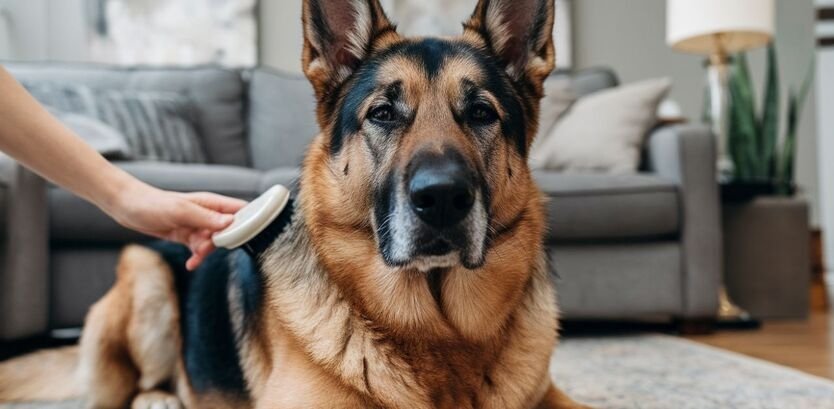
Mastering the routine requires the right techniques and the right equipment. Here are the professional tips for conquering the German Shepherd coat.
Choosing the Right Tools
Using the wrong brush is the biggest mistake German Shepherd owners make. You need tools designed to reach deep into the undercoat.
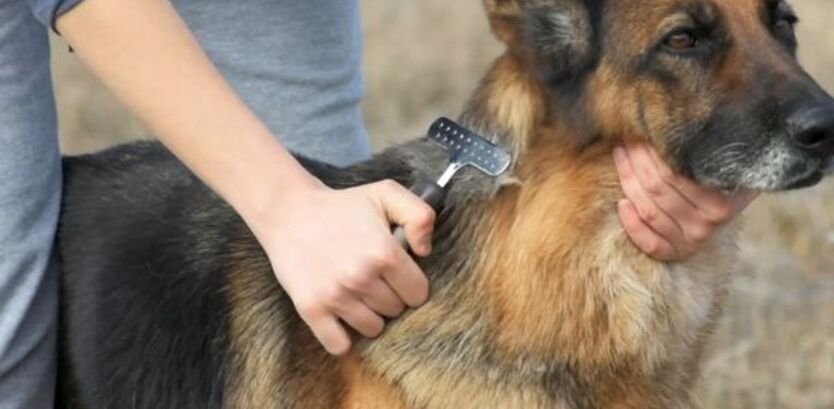
- Undercoat Rake/De-shedding Tool: This is the most important tool for a GSD. It penetrates the outer coat and pulls out the loose undercoat before it can mat. Use this as your primary tool during heavy shedding.
- Slicker Brush: Excellent for removing minor tangles, finishing the topcoat, and catching any remaining loose hair the rake missed.
- Metal Comb (Greyhound Comb): Essential for checking your work. Run it through the coat after brushing to ensure you haven’t missed any knots or dense undercoat patches.
- Pin/Bristle Brush: Used as a finishing tool to smooth the topcoat and give it shine.
Mastering the Brushing Technique
Always brush your German Shepherd when the coat is completely dry.
Step-by-Step Brushing Routine:
- Section by Section: Work your way from the neck to the tail, going one small section at a time.
- Use the Undercoat Rake: Gently pull the rake through the fur, brushing in the direction the hair grows. If the rake seems to be getting stuck, slow down—you might be hitting a knot.
- Target Trouble Spots: Pay extra attention to areas prone to matting: behind the ears, the ‘pants’ on their hindquarters, and the chest area.
- Follow with the Slicker Brush: Use the slicker brush to smooth the guard hairs and remove remaining surface hair.
- Final Check with the Comb: Use the metal comb to check for hidden mats. If the comb goes through the fur easily, you’re done!
Pro Tip for Shedding Season: Brush your German Shepherd outside during the heavy shedding periods to keep the mountains of fur out of your house.
Bathing the Right Way
Bathing is a great opportunity to loosen and remove even more undercoat, but it must be done carefully.
- Pre-Bath Brush: Brush and de-shed thoroughly before the bath. Getting matted undercoat wet makes it tighten into painful felted knots.
- The Right Shampoo: Always use a high-quality, dog-specific shampoo (de-shedding or oatmeal formulas). Human shampoo is too harsh.
- Rinse, Rinse, Rinse: Because their coat is so thick, it’s easy to leave soap residue behind, which causes skin irritation. Rinse the coat until the water runs completely clear.
- The Power of the Blow Dryer: Towel drying is not enough. If the undercoat remains damp, it creates a perfect environment for hot spots. Invest in a pet-safe, high-velocity blow dryer. The force of the air helps blast out any remaining loose undercoat and ensures the skin is completely dry.
German Shepherd Grooming Needs
Grooming is about more than just the coat. A truly comprehensive guide covers all areas of your German Shepherd’s body.
Nail Trimming: An Often-Overlooked Necessity
Long nails are not just a nuisance; they can cause significant discomfort and damage to your dog’s posture and joints.
- Frequency: Trim the nails every 3 to 4 weeks. If you hear a click-clack sound on hard floors, the nails are too long.
- Tools: You can use clippers or a nail grinder. A grinder is often less intimidating.
- The Quick: Be careful of the quick, the bundle of nerves and blood vessels inside the nail. Cutting the quick is painful. For dark nails, trim off only the very tip until you see a small black circle in the center that signals you are close to the quick.
Getty Images - If You Nick the Quick: Have styptic powder (or cornstarch) ready to stop the bleeding immediately.
Ear Care: Clean and Alert
German Shepherds have large, upright ears that need regular attention.
- Weekly Check: Look inside your dog’s ears weekly. Check for any signs of redness, swelling, excessive waxy buildup, or a foul odor. Any of these could indicate an ear infection.
- Cleaning: Use a vet-approved, dog-specific ear cleaning solution. Never use water or cotton swabs. Apply the solution, gently massage the ear base, and then wipe out the outer ear flap with a cotton ball or soft gauze.
Dental Hygiene: The Key to Overall Health
Dental health is crucial for a dog’s overall well-being.
- Brushing: Aim to brush your German Shepherd’s teeth 2 to 3 times per week. Use a dog-specific toothbrush and dog toothpaste. Never use human toothpaste, as it contains toxic ingredients like Xylitol.
- Alternatives: Dental chews and special additives can help reduce plaque, but they are not a substitute for regular brushing.
How to Groom a German Shepherd Dog at Home
Creating a smooth, stress-free grooming session at home is all about preparation, patience, and making it a bonding time.
Set the Scene for Success
- Choose the Location: Use a secure area that is easy to clean, like a bathroom or outdoors.
- Use a Non-Slip Surface: A bath mat is essential in the tub or on slippery floors.
- Gather Your Supplies: Have every tool ready before you start.
- Schedule It: Stick to a routine. Dogs thrive on predictability.
The Full Home Grooming Session
The complete routine might take between 60 and 90 minutes. It is much better to break it into smaller, manageable chunks if needed.
Trimming and Tidy-Ups
German Shepherds do not require fancy hairstyles, but some tidying keeps them comfortable.
- Paw Pads: Trim the hair that grows between the paw pads to prevent the hair from collecting dirt and mud.
- The Hock (Back Legs): You can lightly trim the “feathering” on the back of the rear legs to keep it neat. Use thinning shears for a natural, blended look.
- Never Shave: Do not shave the body coat unless a veterinarian explicitly tells you to for medical reasons.
The Role of Diet in Coat Health
A healthy coat starts from the inside out. A high-quality diet rich in essential fatty acids is vital for a shiny coat and healthy skin.
Look for dog foods or supplements that contain:
- Omega-3 and Omega-6 Fatty Acids: These nutrients promote a healthy, less-shedding coat.
- Protein: A high-quality protein source supports strong hair growth.
Conclusion:
Grooming a German Shepherd is truly an act of love and a cornerstone of responsible ownership. Yes, their double coat is a commitment. But by following these German Shepherd Grooming Guides, you can take control of the fluff and transform what might feel like a chore into a rewarding routine.
Regular grooming strengthens the bond between you and your loyal companion. The time you spend brushing, checking their paws, and cleaning their ears is a quiet, positive way to communicate and build trust.
Grab your rake and get to work. Your happy, healthy, and magnificent German Shepherd is worth every minute!
Frequently Asked Questions
1. Will bathing my German Shepherd more often stop the shedding?
No. Shedding is a natural process you can only manage, not stop. Bathing every 4 to 6 weeks with a de-shedding shampoo helps loosen hair, but bathing too often strips natural oils, causing dryness and irritation.
2. How can I tell the difference between normal shedding and excessive shedding?
Normal shedding is hair loss that happens year-round, increasing heavily twice a year (blowing the coat). Excessive shedding is abnormal if you notice bald patches, irritated skin, or constant scratching. If you see these signs, consult your veterinarian.
3. Is it okay to use a human hair dryer on my German Shepherd after a bath?
No, avoid human hair dryers. They get too hot and can easily burn your dog’s skin. Instead, use a pet-safe, high-velocity forced-air dryer (dog blaster). This tool uses powerful, unheated air to safely push water and loose undercoat out.
4. When should I introduce a professional groomer?
You can introduce a professional groomer anytime, often for specific needs, such as:
- Heavy Shedding Season: They have powerful tools for a full “de-shed” twice a year.
- Nail Trimming: If you are nervous about clipping the quick.