
Your Golden Retriever is a bundle of joy, loyalty, and energy. This breed is known for its friendly nature, intelligence, and love for family life. To keep that golden coat shining and their playful tail wagging, proper nutrition is key.
Feeding your Golden Retriever is more than filling a bowl. It’s about giving your dog the nutrients needed to grow strong, stay active, and live a long, healthy life. The right food supports strong muscles, shiny fur, and healthy joints.
In this guide, we’ll walk you through everything you need to know about Golden Retriever food and nutrition, from puppy meals to senior diet tips.
Golden Retriever Nutritional Requirements
Golden Retrievers are medium to large dogs with high energy levels. They need a diet rich in quality proteins, healthy fats, and the right balance of vitamins and minerals.
High-Quality Protein for Muscle Strength
Protein helps your Golden Retriever build and maintain strong muscles. Look for foods with real meat listed first, such as chicken, turkey, lamb, or salmon. Avoid foods with meat by-products or fillers like corn and soy.
Healthy Fats for Coat and Energy
Healthy fats are vital for your Golden’s thick, shiny coat and active lifestyle. Omega-3 and Omega-6 fatty acids from fish oil, flaxseed, or chicken fat support skin health and reduce shedding.
Balanced Carbohydrates for Energy
Golden Retrievers are playful and energetic. Complex carbs like brown rice, oatmeal, and sweet potatoes give them lasting energy throughout the day.
Vitamins and Minerals for Overall Health
A balanced diet with antioxidants (vitamins C and E), calcium, and phosphorus supports bone health, immune strength, and proper development.
Best Food for Golden Retriever Joint Health

Golden Retrievers are prone to joint problems such as hip dysplasia and arthritis, especially as they age. Nutrition can play a big role in preventing or easing joint pain.
Choose dog foods that contain glucosamine and chondroitin, which help maintain joint flexibility and cartilage health. Ingredients like salmon and sardines are rich in Omega-3 fatty acids, which fight inflammation and keep joints moving smoothly.
For homemade meals, adding natural sources like cooked eggs, pumpkin, and turmeric can also help reduce stiffness and improve mobility.
Keep your dog at a healthy weight since extra pounds put stress on their joints. Regular exercise and portion control are key to maintaining joint health.
Golden Retriever Weight Management Diet
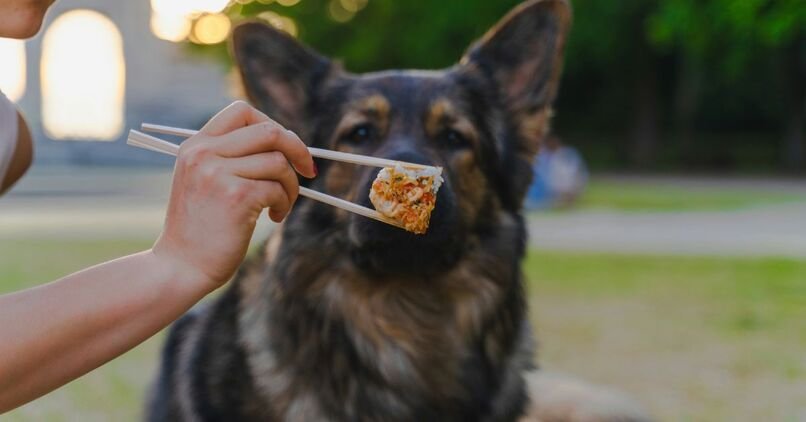
Golden Retrievers love food, and it’s easy for them to gain extra weight. Obesity can lead to heart problems, joint pain, and diabetes.
To manage their weight, choose low-fat, high-protein dog food with limited carbohydrates. Lean meats like chicken, turkey, and white fish are excellent protein sources.
Feed your adult Golden Retriever two meals a day instead of leaving food out all day. This helps control calorie intake and supports healthy digestion.
Include fiber-rich ingredients like pumpkin, peas, or brown rice to help them feel full without overeating. Treats should be healthy and given in moderation. Try small bites of apple, carrot sticks, or specially made low-calorie dog treats.
Golden Retriever Puppy Feeding Schedule

Puppies grow fast and need the right nutrients for strong bones, muscles, and brain development. Their food should be designed for large-breed puppies.
Feed your Golden Retriever puppy three to four small meals a day until they are six months old. After that, reduce it to two meals per day.
Look for puppy food that contains DHA (an Omega-3 fatty acid) to support brain and vision development. Choose formulas that have a balance of calcium and phosphorus to ensure proper bone growth and prevent skeletal issues.
Avoid feeding your puppy adult dog food too early. Puppies have different nutritional needs, and switching too soon can cause growth problems.
Fresh water should always be available. Remember, healthy eating habits developed early can set your Golden up for a lifetime of wellness.
Golden Retriever Sensitive Stomach Food
Some Golden Retrievers have sensitive stomachs or allergies. Signs include loose stools, itchy skin, or frequent ear infections.
If your dog has a sensitive stomach, choose limited-ingredient diets or grain-free options with easily digestible proteins like salmon, lamb, or duck. Avoid foods with artificial colors, preservatives, or fillers.
Probiotics and prebiotics in dog food help support digestion and maintain a healthy gut. Sweet potatoes, brown rice, and pumpkin are gentle on the stomach and provide natural fiber.
Always introduce new foods slowly. Mix a small amount with your dog’s current food for a few days to help their digestive system adjust smoothly.
Senior Golden Retriever Diet Tips

As your Golden Retriever gets older, their metabolism slows, and their activity level decreases. Adjusting their diet helps them stay healthy and comfortable.
Senior Golden Retrievers benefit from food with lower calories but higher-quality protein to maintain muscle mass. Choose lean meats like chicken or fish and avoid high-fat foods.
Add ingredients like blueberries and spinach for antioxidants that support the immune system. Joint-supporting supplements such as glucosamine, chondroitin, and fish oil should remain part of their diet.
Older Goldens may also need softer food or moistened kibble if they have dental issues. Regular vet visits can help you track their weight and health changes.
Practical Feeding Tips for Every Stage
- Measure food portions using a proper measuring cup to prevent overfeeding.
- Avoid giving table scraps or human food, especially fatty or spicy items.
- Stick to a consistent feeding schedule to keep digestion stable.
- Monitor your dog’s weight and adjust portions based on their activity level.
Conclusion
Feeding your Golden Retriever right is one of the best ways to keep them healthy, active, and happy. A balanced diet full of high-quality ingredients, healthy fats, and essential nutrients will support their growth, coat, and joint health.
Whether your Golden is a playful puppy, an energetic adult, or a wise senior, the right nutrition makes all the difference. Take time to choose foods that match their life stage, watch portion sizes, and offer love in every meal.
Your Golden Retriever gives you endless joy. Return that love with a diet that helps them shine inside and out.
FAQs
What is the best food for a Golden Retriever?
High-quality dog food with real meat like chicken or salmon as the main ingredient is best. Look for Omega-3-rich ingredients to support coat and joint health.
How much should I feed my Golden Retriever?
Adult Golden Retrievers usually need two meals a day. The amount depends on age, weight, and activity level. Follow feeding guidelines on the food label and adjust as needed.
Can Golden Retrievers eat homemade food?
Yes, but make sure it includes balanced nutrients. Combine lean proteins like chicken with vegetables such as carrots and sweet potatoes. Consult your vet for portion advice.
What foods should Golden Retrievers avoid?
Avoid chocolate, onions, garlic, grapes, and foods high in fat or salt. These can be harmful to your dog.
Do Golden Retrievers need supplements?
If your dog’s diet is balanced, supplements may not be necessary. However, glucosamine, fish oil, or probiotics can help with joint and digestive health if your vet recommends them.