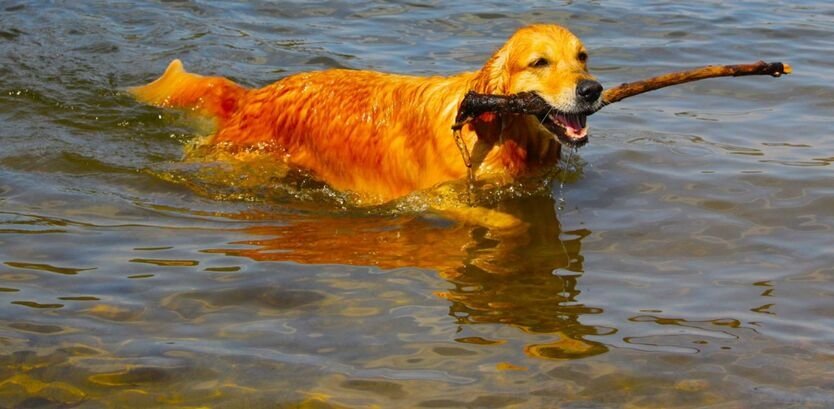
Is there anything more joyful than watching your dog paddle through the water with their tail wagging like a propeller? Dog swimming is not just fun. It is also a great way to keep your pup active, fit, and cool during hot months. Whether you are considering a dog swimming pool at home or searching for the best accessories, we have got you covered.
Beneath that iconic golden coat and joyful spirit beats the heart of a natural-born athlete. They are powerful, water-loving companions in a majestic package. To master your golden retriever swimming guide, consistency is your ultimate power move for building confidence in the water. These lovable retrievers are famous for their webbed paws and water-resistant coats. This makes a sturdy life jacket and a drying towel your essential tools for a safe splash.
While it might seem harmless, allowing your dog to drink pool water is not a good idea. Chlorine, saltwater, and other chemicals can cause stomach upset. This leads to nausea and vomiting. If your dog swallows too much pool water, it could even result in water intoxication. Always keep a fresh bowl of clean drinking water nearby to prevent them from lapping up pool water.
The dog days of summer are here. It is time for you and your favorite pooch to head outdoors and love the weather. Swimming is one of the most popular American summer pastimes for canines and humans alike. Most dogs love the water. This makes summertime at the beach or lake a real fun experience for everyone in the family.
how to train a golden retriever to swim
Training your furry friend to swim is a journey that requires patience. Even though they are natural swimmers, some may feel nervous at first. The best way to start is by finding a shallow area with a gentle slope. This allows your dog to walk into the water at their own pace rather than jumping into the deep end.
Start by staying in the shallow water yourself. Call your dog to you using a happy and encouraging voice. You can use their favorite floating toy to grab their attention. When they take those first few steps into the water, give them lots of praise. Positive reinforcement is the secret to a confident swimmer.
If your dog seems hesitant, you can support their belly with your hand. This helps them stay level in the water and prevents them from “splashing” too much with their front paws. You want them to use all four legs to paddle. This is often called the doggy paddle. It is the most efficient way for them to move through the water.
Keep the first few sessions very short. Five to ten minutes is plenty of time for a beginner. You want to end the session while they are still having fun. This makes them excited to come back next time. Never throw your dog into the water. This can cause a permanent fear of swimming and ruin their confidence.
As they get more comfortable, you can move a little deeper. Encourage them to swim toward you for a few feet and then return to the shallow area. This teaches them where the “exit” is. Knowing how to get out of the water is the most important safety skill any dog can learn.
are golden retrievers good swimmers
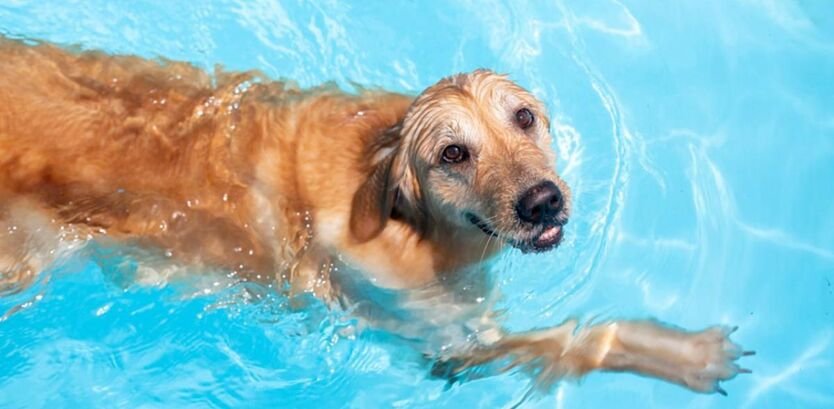
The short answer is yes. Golden Retrievers are among the best swimmers in the canine world. They were originally bred in Scotland to retrieve waterfowl like ducks and geese from lakes and rivers. This history means their entire body is built for the water.
One of the coolest golden retriever swimming facts is that they have webbed feet. If you look closely at their paws, you will see extra skin between their toes. This acts like a natural flipper, helping them push through the water with ease. Their thick, double-layered coat is another amazing feature. The undercoat keeps them warm in chilly water, while the oily top coat helps shed water quickly.
Their powerful muscular build and broad chest give them the strength to swim for long periods. They also have a thick, rudder-like tail that helps them steer while they are paddling. Because of these physical traits, most Goldens find swimming to be a very low-impact exercise that is easy on their joints.
However, being a “good swimmer” by nature doesn’t mean they are invincible. Every dog is an individual. Some Goldens might be scared of the sound of waves or the smell of chlorine. Even the best swimmers can get tired or suffer from cramps. Always supervise your dog, no matter how skilled they seem to be.
golden retriever puppies swimming for the first time
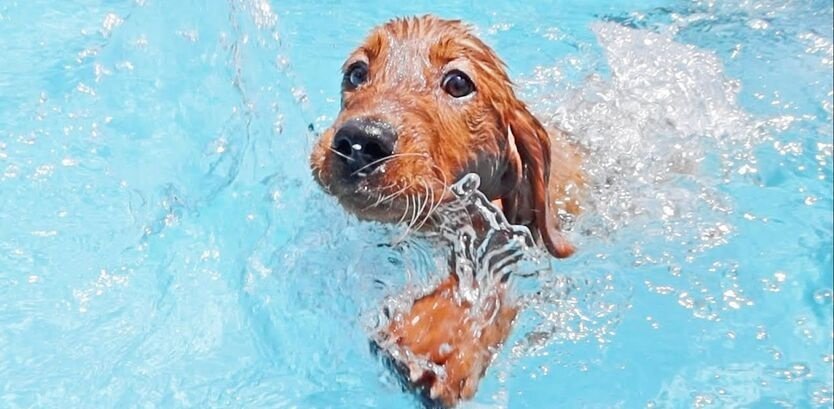
Bringing a puppy to the water is a big milestone. It is important to remember that puppies are like toddlers. They have lots of energy but very little coordination. When golden retriever puppies swimming for the first time happens, safety must be your top priority.
Wait until your puppy is at least three to four months old before introducing them to large bodies of water. Their immune systems are still developing, so you want to make sure they have had their core vaccinations. A small kiddie pool in the backyard is the perfect place to start. It allows them to get their paws wet without the fear of deep water.
When you head to a lake or pool, use a dog life jacket. Even though Goldens are great swimmers, a puppy can tire out in seconds. A life jacket with a handle on the back allows you to lift them out of the water quickly if they get into trouble. It also gives them extra buoyancy, which builds their confidence.
Make sure the water temperature is comfortable. If the water is too cold, your puppy might have a negative experience. Choose a calm day with no waves or strong currents. The goal is to make the water feel like a giant, fun playground. Bring plenty of treats and celebrate every small win.
After the swim, always rinse your puppy with fresh water. Their young skin can be sensitive to salt or chemicals. Dry them thoroughly, especially inside their floppy ears. Moisture trapped in the ears can lead to infections, which is common in retrievers who spend time in the water.
golden retriever swimming facts
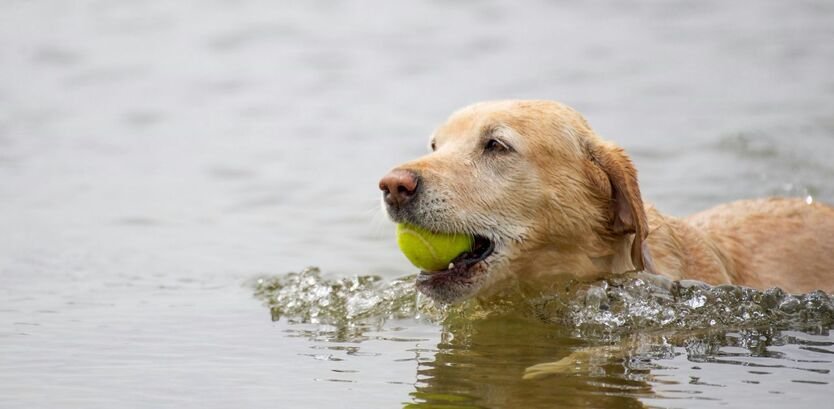
There are many fascinating things to learn about this breed and their relationship with water. Knowing these facts helps you appreciate your dog even more.
- The Double Coat: Their fur is water-repellent. If you watch a Golden shake after a swim, you will notice they get relatively dry very quickly.
- The History: They were created by crossing water spaniels with other retrievers. This was done specifically to create the perfect water-dog.
- The Stamina: A healthy Golden can swim for quite a while without getting tired. This makes them great companions for boat trips or long days at the lake.
- The Soft Mouth: They were bred to carry birds without damaging them. This “soft mouth” trait means they love to carry floating toys in the water without popping them.
- The Temperature Control: Swimming is the best way for them to regulate their body temperature. Since dogs don’t sweat like humans, a cool dip prevents heatstroke.
Understanding these traits helps you see why your dog reacts to water the way they do. It is in their DNA to jump in and explore.
can golden retriever swim
Yes, they can! In fact, most of them can’t wait to get into the water. But the real question is “should they swim everywhere?” Not all water is safe for your dog. You need to be aware of your surroundings to keep your aquatic powerhouse healthy.
In backyard pools, the main concern is the chemicals. While a quick dip is fine, you should never let them stay in for hours without a rinse. Also, make sure there is a ramp or steps that are easy for them to find. Many dogs drown in pools because they can’t find the way out and become exhausted.
In lakes and ponds, you must watch out for blue-green algae. This can be toxic to dogs. If the water looks slimy or has a strange color, keep your dog out. Also, check for hidden branches or fishing lines that could tangle your dog’s legs.
At the beach, the ocean waves can be much stronger than they look. Even a strong Golden can be swept away by a riptide. Stick to the shore and watch out for jellyfish or sharp shells. Saltwater is also very drying for their skin and can cause “salt poisoning” if they drink too much of it.
Practical Swimming Safety Tips
To ensure every trip to the water is a success, follow these simple rules:
- Use a Life Jacket: Even if they are pros, a life jacket provides safety during emergencies.
- Watch for Tiredness: If your dog’s back starts to sink, they are getting tired. Call them out immediately.
- Fresh Water Access: Always have a bowl of clean water nearby so they don’t drink from the pool or lake.
- Ear Care: Use a vet-approved ear cleaner after swimming to prevent painful infections.
- Sun Protection: Goldens can get sunburned on their noses. Use dog-safe sunscreen if you are out all day.
Swimming is a wonderful bonding activity. It keeps your dog lean and builds muscle without putting stress on their bones. By following this guide, you are making sure your Golden has a long, happy life filled with splashes and tail wags.
Conclusion
In conclusion, your Golden Retriever is built for the water. With the right training and safety gear, you can turn any summer day into an aquatic adventure. Just remember to stay positive, keep a close eye on your pup, and always bring a towel. Your dog will thank you with plenty of wet kisses and a happy heart!
Frequently Asked Questions
How long can a Golden Retriever swim safely?
Most healthy adults can swim for 20 to 30 minutes at a time. However, you should always watch for signs of fatigue. If they are panting heavily or swimming slower, it is time for a break in the shade.
What should I do if my Golden is afraid of water?
Never force them. Use high-value treats and go very slowly. Sometimes, seeing another dog enjoying the water can help them feel more brave. Patience is key to overcoming their fear.
Can swimming help a Golden Retriever with joint pain?
Yes, it is one of the best exercises for senior dogs or those with hip dysplasia. The water supports their weight, allowing them to move their joints without any painful impact.
Do I need to wash my dog after every swim?
Yes, a quick rinse with fresh water is highly recommended. This removes chlorine, salt, or bacteria from their thick fur. It keeps their skin from getting itchy and dry.
Can my dog get sick from swimming in a lake?
It is possible if the water contains harmful bacteria or algae. Always check local water quality reports and avoid stagnant water that looks or smells bad.