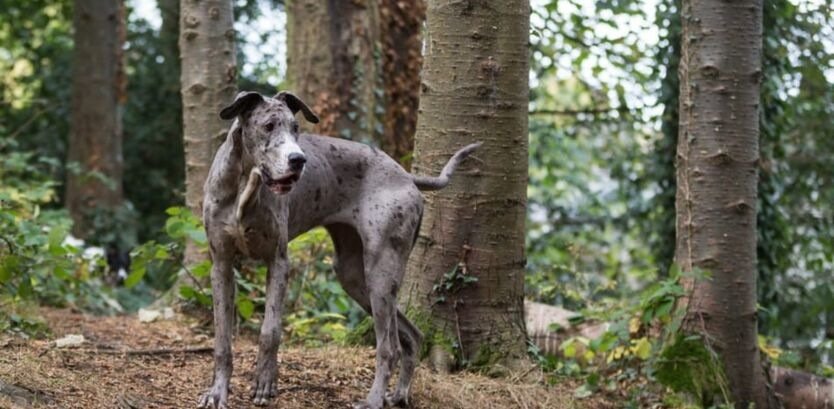
Taking your Great Dane hiking seems like it would be as simple as going for a walk. But a hike is a different adventure altogether. Just like humans need special gear, water, and planning, your Great Dane also needs careful preparation. These gentle giants might look powerful enough to handle anything, but their size, joints, and stamina require thoughtful care to make hiking safe and fun for both of you.
When you picture a Great Dane, you probably imagine a towering, graceful dog. With some males reaching up to 175 pounds, they are truly one of the largest breeds in the canine world. That means hiking with one isn’t just about strength it’s about balance, pacing, and protection. Let’s dive into everything you need to know to make your next trail adventure a success.
Can Great Danes Hike?
Yes, Great Danes can hike but not like smaller, high-endurance breeds. Their massive size gives them power but also limits how far and how long they can comfortably go. The key is to tailor your hike to their ability.
Here’s what to keep in mind:
- Start Slow: If your Dane isn’t used to long walks, start with short, flat trails. Gradually increase distance over time.
- Watch the Weather: Great Danes are sensitive to heat. Hike early in the morning or late in the day to avoid overheating.
- Mind the Terrain: Steep or rocky trails can be hard on their joints. Choose smooth, shaded paths whenever possible.
- Bring Water and Rest Often: Big dogs overheat faster. Carry a collapsible bowl and take water breaks every 15–20 minutes.
Great Danes love being outdoors with their owners, but their stamina varies. Some can go for miles, while others tire out quickly. The goal isn’t distance, it’s enjoyment and safety.
Hiking with a Great Dane Puppy
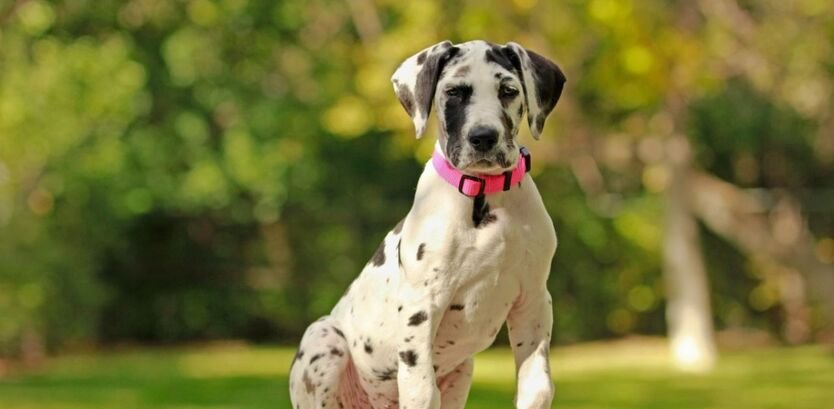
Puppies need a different approach. Their bones and joints are still developing, which means too much exercise can cause long-term harm.
For Great Dane puppies:
- Avoid Long Hikes: Stick to short walks on soft surfaces like grass or dirt. Long trails or steep climbs can damage growing joints.
- Let Them Set the Pace: Never push a puppy to keep walking if they’re tired. Frequent rest breaks are essential.
- Use Positive Reinforcement: Bring treats to reward calm walking and recall. Early training builds good habits.
- Socialize Slowly: Use shorter hikes to introduce new sounds, smells, and people. It helps build confidence and calmness.
Once your Great Dane reaches around 18 months to 2 years old, you can start increasing distance and trail difficulty. Until then, focus on gentle, fun walks that let them explore without strain.
Great Dane Walking Guide
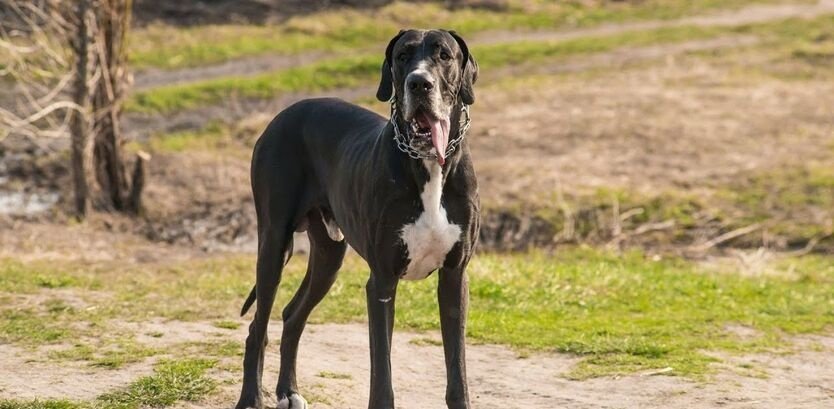
Walking is the foundation of every successful hike. Building strong walking habits at home helps your Great Dane handle the demands of the trail.
Here are some essentials:
- Invest in the Right Gear: A sturdy, padded harness gives better control than a collar and reduces strain on the neck. A hands-free leash can also help balance control on uneven ground.
- Focus on Leash Training: Great Danes are strong. Practicing loose-leash walking will make hikes smoother and safer.
- Train for Commands: Commands like “sit,” “wait,” and “leave it” are vital when encountering wildlife or other hikers.
- Check Their Paws: After every walk or hike, inspect for cuts or debris. Large dogs are prone to cracked pads if walking on hot or rough surfaces.
A Great Dane that walks politely on-leash makes for a relaxed, enjoyable hike. It also ensures they stay safe when you’re out in nature.
Great Dane Hike: Preparing for the Adventure
Preparation is everything when hiking with a Great Dane. These dogs have unique needs due to their size and build, so proper planning makes all the difference.
Here’s what to pack and plan for:
- Plenty of Water: Great Danes need more hydration than smaller dogs. Bring at least 1 liter for every hour of hiking.
- Portable Water Bowl: Lightweight, foldable bowls make water breaks easier.
- First Aid Kit: Include paw balm, antiseptic wipes, and bandages sized for large dogs.
- Cooling Vest or Bandana: Helpful during warmer months to prevent heat exhaustion.
- Dog Backpack (Optional): Some Danes can carry their own supplies, but only if they’re adults and used to it. Keep the weight below 10% of their body weight.
Before setting out, always do a quick health check:
- Make sure your Dane is at a healthy weight.
- Check for any limping or stiffness.
- Keep up with flea, tick, and heartworm prevention.
A short warm-up walk before hitting the trail helps loosen muscles and joints, reducing injury risk.
Great Dane Good Hiking Dogs
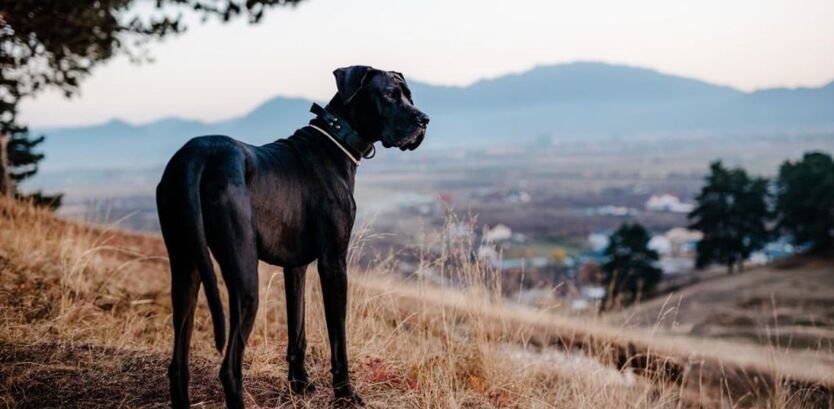
Are Great Danes naturally good hiking dogs? The answer depends on the individual. Some have strong athletic builds and love long walks. Others prefer short, steady strolls. What makes them great companions is their loyalty and calm temperament.
Here are some reasons Great Danes make excellent hiking partners:
- They Stay Close: Danes love being near their humans, so they rarely wander off.
- They’re Alert but Gentle: They make great watchdogs on the trail without being overly aggressive.
- They Enjoy the Scenery: Their calm nature means they’re content walking at your pace and soaking in the surroundings.
Still, it’s important to recognize their limits:
- Their large frames make them prone to joint and hip problems.
- They overheat easily in warm weather.
- Long hikes with steep elevation aren’t ideal.
For the best experience, choose trails that are moderate, shaded, and under 3 miles for most adult Great Danes. With practice and conditioning, some can handle longer distances, but always prioritize comfort and health.
Tips for a Safe and Fun Great Dane Hike
- Plan early morning or late evening hikes to avoid midday heat.
- Keep your dog leashed at all times for safety.
- Carry a towel for quick cleanups if your Dane finds a muddy spot.
- After the hike, check for ticks, burrs, and sore spots.
- Offer a gentle massage or joint supplement if your vet recommends it.
Trail Etiquette for Great Dane Owners
Having a large dog like a Great Dane means you represent the breed on every walk or hike. Good trail manners help keep everyone comfortable and safe.
Follow these simple etiquette tips:
- Always clean up after your dog.
- Step aside for smaller dogs or nervous hikers.
- Keep control when passing others use “sit” or “wait” commands.
- Avoid crowded trails if your dog is anxious around strangers.
A well-behaved Great Dane makes a lasting positive impression, helping others see just how gentle these giants truly are.
After the Hike: Recovery and Care
Once you’re back home, your Great Dane needs recovery time. Just like us, they can get sore after exercise.
Post-hike care tips:
- Let them rest in a cool, quiet space.
- Offer plenty of fresh water.
- Feed a light meal after they’ve cooled down.
- Monitor for limping, stiffness, or unusual fatigue.
- Gently wipe their paws and inspect for thorns or cuts.
If your dog shows any signs of pain or exhaustion lasting more than a day, consult your vet. Early attention helps prevent long-term joint issues.
Conclusion
Hiking with a Great Dane is an incredible way to bond while exploring nature. With the right pace, preparation, and mindset, your gentle giant can enjoy every step of the journey safely. These dogs thrive on companionship and fresh air just remember that their size means hiking smart, not fast. Every trail can be a joyful adventure when you move with patience, care, and understanding.
Whether it’s a short morning hike or a weekend trail, Great Danes remind us that strength and gentleness can go hand in hand. Enjoy the journey with your loyal friend by your side.
FAQs About Great Dane Hiking
1. How far can a Great Dane hike?
Most adult Great Danes can handle 2–4 miles comfortably, depending on age and fitness. Start small and gradually increase distance.
2. At what age can I start hiking with my Great Dane?
Wait until they’re at least 18 months old for longer hikes. Before that, stick to short, gentle walks.
3. How can I protect my Great Dane’s joints while hiking?
- Avoid hard or rocky terrain.
- Keep hikes moderate in length.
- Use joint supplements if your vet recommends them.
4. What should I do if my Great Dane gets tired on the trail?
Stop immediately, find shade, and offer water. Don’t force them to keep moving. Let them rest fully before heading back.
5. Are Great Danes good off-leash hiking dogs?
Usually, it’s best to keep them leashed. Their size and strength can be intimidating to others, and they may not realize how big they are in excitement.
With patience, training, and preparation, hiking with your Great Dane can become one of the best parts of your outdoor adventures. Enjoy every moment of it!