
Editor’s Note:
We have updated this article with the latest insights on health, nutrition, and training to ensure you have the most current information.
A Quick Clarification:
While the Labrador Retriever is a single breed, there are two distinct styles: the American (Field) Lab and the English (Show) Lab. This guide breaks down the differences in their energy levels and body types to help you understand which one fits your lifestyle.
Labrador Retrievers are one of the most loved dog breeds in the world. Full of energy, love, and playful spirit, they make perfect companions for families, singles, and seniors alike.
Known for their intelligence and friendliness, Labs bring joy and loyalty wherever they go. Understanding their history, traits, health needs, and training tips will help you give your Lab a happy and healthy life.
Labrador Retriever History
Labradors originally come from Newfoundland, Canada, and were called St. John’s Dogs. Fishermen used them to pull nets and retrieve fish from cold waters. These early Labs were hardworking, smart, and naturally loved water.
In the 1800s, British hunters brought the breed to England. They refined their traits, training Labs as gun dogs for retrieving games. Their friendly nature and intelligence soon made them popular as family pets and service dogs.
Over time, Labs became highly versatile. Today, they work as guide dogs, therapy dogs, search-and-rescue dogs, and beloved family companions. Their history shows why they are hardworking, loyal, and friendly.
Labrador Retriever Breed and Characteristics

Labradors are medium to large dogs. Males typically weigh 65 to 80 pounds, and females 55 to 70 pounds. They have short, dense coats that are water-resistant, perfect for swimming.
They come in yellow, black, and chocolate colors. Labs are friendly and outgoing, loving everyone they meet. They usually get along well with children, other pets, and strangers.
Intelligent and eager to please, Labs respond very well to training. Their playful nature means they need regular exercise, but they also enjoy relaxing with their family.
Labs love food, which makes training easier. However, their tendency to overeat means owners need to watch their diet to prevent obesity.
Labs are energetic dogs. Daily walks, runs, or swimming sessions help them stay fit and happy. Without enough activity, they can become bored and mischievous.
Labrador Retriever Food and Nutrition

Feeding your Lab properly is key to their health. Puppies need high-protein and fat-rich meals to grow strong. Adult Labs thrive on balanced diets that provide energy but prevent weight gain.
High-quality commercial dog food for medium to large breeds is recommended. Portion control is essential. Avoid too many treats and table scraps.
Fresh vegetables and occasional lean meats add variety and extra nutrition. Always make sure your Lab has plenty of fresh water, especially after exercise or swimming.
Labs can develop a strong love for treats, so using them wisely in training ensures they stay healthy. Monitoring weight and adjusting portions is important throughout their life.
Labrador Retriever Health Issues

Labradors are generally healthy, but they can face some common issues. Hip and elbow dysplasia, eye problems, heart conditions, and obesity are areas to watch.
Regular vet check-ups help catch problems early. Watch for unusual lumps, weight changes, or shifts in energy and appetite. Preventive care, vaccines, and dental hygiene are vital.
Maintaining a healthy weight through proper diet and exercise prevents many health problems. Labs love swimming, running, and playing fetch, which helps keep their joints and heart in shape.
Paying attention to small signs, like limping or reluctance to move, can prevent serious issues. Early intervention is always better than waiting.
Behaviour and Training Tips for Labrador Retriever

Labradors are intelligent and eager to please. They are highly trainable but need early socialization to grow into well-behaved dogs. Introduce them to new people, pets, and environments when they are puppies.
Positive reinforcement works best. Treats, praise, and play as rewards make training fun and effective. Keep sessions short and consistent for the best results.
Mental stimulation is as important as physical exercise. Puzzle toys, obedience games, and interactive activities prevent boredom. Labs thrive when their minds are challenged along with their bodies.
They love being part of family activities. Involving your Lab in walks, games, and even basic chores strengthens your bond and keeps them happy.
Labrador Retriever Grooming Guides
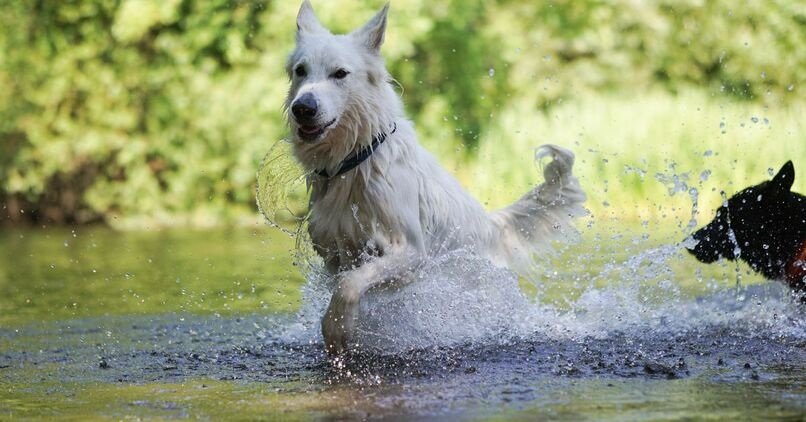
Labs have short, dense coats that are relatively easy to maintain. Brush them once or twice a week to remove loose hair. During shedding seasons, brushing more often helps manage hair around the house.
Bathing is needed only occasionally or when they get dirty. Labs enjoy swimming, which also doubles as fun exercise. Nail trimming, ear cleaning, and dental care are essential parts of grooming.
Grooming sessions are a great way to bond with your Lab. Make them enjoyable with praise and treats to keep your dog relaxed and happy.
Fun Facts About Labrador Retrievers
Labs naturally love water and swimming. They enjoy retrieving games and can play fetch for hours.
They are highly adaptable, which is why they excel in family homes, as service dogs, and in various working roles.
Their intelligence and friendly nature make them easy to train and incredibly loving companions.
Labs have an innate curiosity, which means they often explore their surroundings. Supervised play ensures safety while keeping their minds engaged.
Additional Tips for Labrador Owners
Regular exercise is key. Labs need at least an hour of physical activity each day, such as walks, runs, swimming, or fetch.
Balanced diet management prevents obesity. Measure meals, avoid excessive treats, and incorporate fresh veggies.
Mental stimulation keeps them happy. Puzzle toys, training games, and interactive play prevent boredom.
Social interaction is crucial. Labs love being around people, other pets, and enjoying family activities.
Routine health check-ups ensure early detection of issues. Keep vaccinations, dental care, and joint health in mind.
FAQs
1 .How long do Labrador Retrievers live?
They usually live between 10 to 12 years with proper care.
2 .How much exercise does a Lab need?
Adult Labs need at least one hour of daily exercise, including walks, play, and mental activities.
3 .Are Labs good with children?
Yes, they are gentle, friendly, and great with kids.
4 .Do Labs shed a lot?
Yes, moderately year-round, with heavier shedding in spring and fall. Regular brushing helps.
5 .What should I feed my Lab?
High-quality dog food for large breeds, with occasional vegetables and lean meats. Monitor portion sizes.
6 .Can Labs be left alone?
Short periods are fine, but too much alone time can lead to boredom and destructive behavior.
7 .Can Labs swim?
Yes, Labs love water and swimming is a great way to exercise and have fun.
8 .How often should I groom a Lab?
Brush 1-2 times per week, with extra attention during shedding seasons. Bathe occasionally and maintain nails, ears, and teeth.
Conclusion
Labrador Retrievers are loving, intelligent, and playful dogs that bring joy to every home. Understanding their history, traits, diet, health, and training needs helps them grow into happy and healthy companions.
With proper care, attention, and love, your Lab will thrive, giving you years of tail wags, joyful playtime, and endless cuddles.
By following these tips and building a strong bond, you and your Labrador Retriever will enjoy a lifetime of fun, loyalty, and companionship.
Author’s Note
: As a lifelong fan of the breed, I believe a Labrador’s loyalty is unmatched. They aren’t just pets; they are family members who thrive on your time and affection. I hope this guide helps you build a wonderful life with your furry friend!