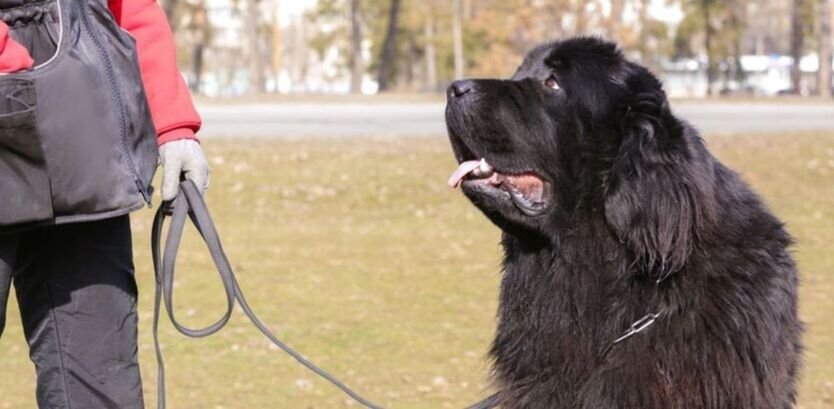
Newfoundland, often referred to as “Newfies,” are gentle giants known for their calm demeanor, loyalty, and incredible strength. Originally bred as working dogs for water rescue and hauling heavy loads, Newfoundland are intelligent and eager to please.
However, due to their large size and independent nature, it’s important to know how to train Newfoundland effectively. With the right techniques, you can guide your Newfoundland to be a well-behaved, obedient companion while also ensuring they thrive in their home environment.
Newfoundland are known for their laid-back, patient, and friendly personalities. Despite their large size, they are often referred to as “gentle giants.” However, their natural calmness can sometimes be mistaken for laziness, and they may not be as motivated to learn commands quickly compared to more high-energy breeds.
Not only are you raising a giant breed dog that is growing at lightning speed, but you are also raising a dog that mentally matures slower than most other smaller breeds. He’s sliding all over your floors, he’s ripping off the baseboards with his razor-sharp teeth, and the next minute he’s curled up next to you on the couch sleeping like a baby.
Newfies are large dogs that can challenge even experienced dog owners due to their size and rapid growth rate. However, training these smart dogs is not difficult. If you are thinking about getting one of these dogs but are worried about training them, keep reading for several tips and tricks that you can use to make the process a little easier and improve your chances of success.
how to train a newfoundland dog
Training a Newfoundland requires a mix of patience and soft-spoken authority. These dogs are incredibly sensitive to your tone of voice. If you yell or use a harsh tone, a Newfie is likely to shut down or act “stubborn.” Instead, they thrive when they feel they are part of a partnership.
The first step in training is building a strong bond based on trust. Because they were bred to work alongside humans in high-stress water rescues, they have a natural instinct to look to their owners for cues. Use this to your advantage by staying calm and using a happy, encouraging voice.
Positive reinforcement is the absolute best way to reach them. This means rewarding the behaviors you want to see rather than punishing the ones you don’t. Since many Newfies love food, small treats are a great motivator. However, many are just as happy with a chest scratch or a “good boy” in an excited voice.
Consistency is your secret weapon. Because they are independent thinkers, if you let them get away with a behavior once, they might decide that the rule doesn’t really exist. Ensure everyone in your home uses the same commands and reward systems so your dog doesn’t get confused.
newfoundland training guide
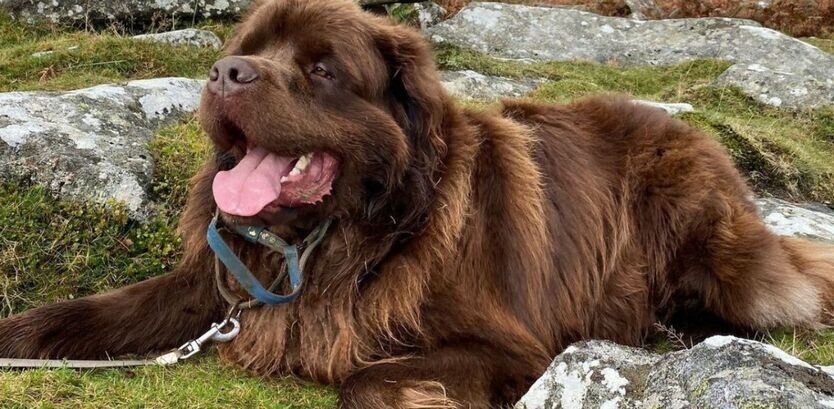
A complete training guide for a Newfoundland focuses on more than just “sit” and “stay.” It involves managing their physical presence and their unique working heritage.
Focus on Socialization Early Socialization is the foundation of a well-adjusted giant. Because they will eventually weigh over 100 pounds, they need to be comfortable around all types of people, animals, and environments. Take them to busy parks, let them hear the sound of traffic, and introduce them to people wearing hats or carrying umbrellas. A socialized Newfie is a confident Newfie.
Mastering the “Recall” Command Having a giant dog that doesn’t come when called is a safety risk. Start practicing “come” in a quiet room with no distractions. Use high-value treats that they only get for this specific command. Gradually move to more distracting areas like the backyard and eventually a public park. Always make reaching you the best part of their day.
Desensitization to Touch Newfoundlands have massive paws and thick coats that require a lot of grooming. You should handle their ears, mouth, and paws every single day from the moment they come home. This makes future vet visits and grooming sessions much easier. If they are used to having their toes touched, they won’t struggle when it’s time for a nail trim.
Incorporate Water Work Since these dogs are built for the water, using swimming as a training tool is fantastic. It burns off energy without putting stress on their growing joints. Teaching them to “fetch” a floating toy or swim out to you on command builds their confidence and fulfills their natural rescue instincts.
training a newfoundland puppy
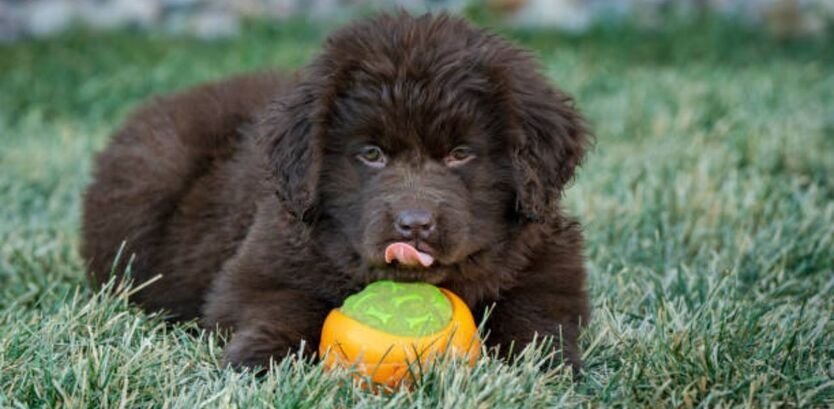
Training a Newfoundland puppy is a race against time. They grow so fast that a 4-month-old can already be strong enough to pull a person over. This is why “puppy manners” are actually life skills for this breed.
Start with crate training immediately. A crate should never be a punishment; it is their “den” or safe space. Newfies love to be near their people, so keep the crate in a room where the family spends time. This helps with housebreaking because dogs naturally don’t want to soil where they sleep.
Housebreaking a giant puppy requires a strict schedule. Take them out after every nap, every meal, and every play session. Because their bladders are small but their “messes” are large, being proactive is much better than cleaning up accidents. Praise them wildly when they go in the right spot.
Bite inhibition is another huge hurdle. Those “razor-sharp teeth” can do a lot of damage even if the puppy is just playing. If your puppy nips, give a high-pitched “ouch” and immediately stop the play. This teaches them that biting makes the fun stop. Always have a chew toy nearby to redirect their mouthy behavior.
best way to train a newfoundland puppy
The best way to train a Newfoundland puppy is through short, frequent sessions. These puppies have very short attention spans and can get physically tired quickly. Aim for 5 to 10 minutes of focused training, three times a day, rather than one long hour-long session.
The “Be Boring” Method When your puppy is jumping or acting wild for attention, the best response is to be completely boring. Turn your back, cross your arms, and look at the ceiling. When the puppy sits or stands calmly, immediately turn around and give them affection. This teaches them that calm behavior is the “key” that unlocks your attention.
Leash Training from Day One Never wait until they are big to teach them how to walk on a leash. Start inside the house where there are no distractions. Use a flat collar or a front-clip harness. The goal is “loose leash walking,” where the leash looks like a “J.” If the puppy pulls, stop walking instantly. Wait for them to look back at you or move closer before you start moving again.
Engagement Games Keep their sharp minds busy with puzzle toys or “find it” games. Hide treats around the living room and encourage them to use their nose. This mental work is often more tiring for a Newfie than a long walk, which is great for protecting their joints while they are still growing.
newfoundland puppy training problems
Even with the best plan, you will likely run into a few common “Newfie” problems. Knowing they are coming helps you stay patient.
Selective Hearing
Sometimes it feels like your Newfoundland has forgotten every command they ever learned. This often happens during the “teenage” phase (around 6 to 18 months). Don’t get frustrated. Simply go back to basics. Use higher-value treats and keep sessions very simple until they regain their focus.
The “Stubborn” Sit
Newfoundlands are notorious for deciding they are done with a walk or a training session by simply sitting or lying down. Because they are so heavy, you cannot move them. If this happens, don’t pull on the leash. Instead, use a treat to lure them back into a standing position and then head home. It’s usually a sign they are tired or bored.
Counter Surfing
With their height, the kitchen counter is right at nose level. A Newfie can easily steal a snack without even jumping. The best way to handle this is prevention. Keep counters clear and teach a rock-solid “leave it” command. If they never find a “prize” on the counter, they will eventually stop looking.
Over-Friendliness
A 120-pound dog “saying hi” can be terrifying to a toddler or an elderly person. You must train your Newfie to wait for a command before greeting people. Practice “settle” or “on your mat” when guests come over. They can say hello once they are calm and all four paws are on the floor.
Conclusion
Training a Newfoundland is a unique and rewarding journey that requires a balance of firm guidance and a soft heart. While their massive size can be intimidating, these dogs truly want to be your best friend and will work hard for your praise. By focusing on early socialization, consistent leash manners, and positive reinforcement, you can manage their strength and harness their natural rescue instincts. Remember to keep training sessions short and sweet to accommodate their slower maturity and heavy build. With time and patience, your playful puppy will grow into a calm, loyal, and well-mannered companion that fits perfectly into your family home.
Frequently Asked Questions
Are Newfoundlands easy to train?
Yes, they are highly intelligent and eager to please their owners. However, they are very sensitive and mature slowly, so you must use a gentle approach and stay patient as they learn.
At what age should I start training my Newfie?
Start training immediately, ideally between 8 and 10 weeks old. It is much easier to establish good habits and social skills while they are small before they reach their massive adult size.
How do I stop my Newfoundland from pulling on the leash?
The best way is to stop walking the moment the leash gets tight and wait for them to step back toward you. Using a front-clip harness and rewarding them for staying by your side will also help manage their strength.
Why is my Newfoundland being “stubborn” during training?
What looks like stubbornness is often just a sign that your dog is tired, bored, or overheated. Because they are sensitive to your energy, they may shut down if they feel too much pressure, so keep sessions light and fun.
Do Newfoundlands need a lot of exercise?
They require moderate daily exercise, such as a steady walk or a swim, to stay healthy and prevent obesity. Avoid intense running or jumping on hard ground while they are young to protect their growing joints.