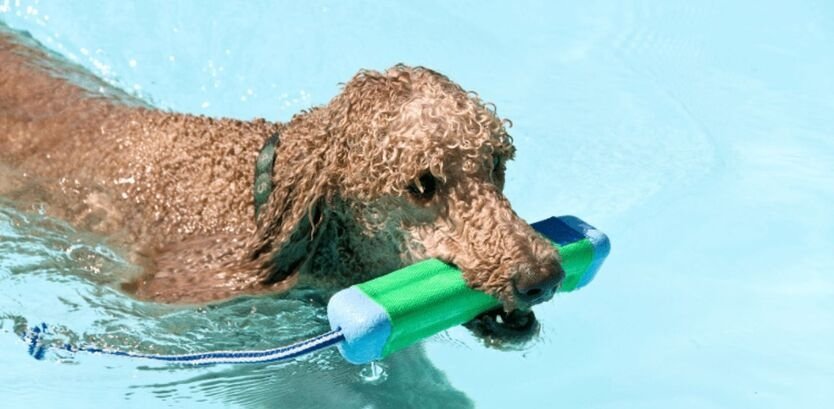
Beneath that elegant, high intelligence frame and iconic curls beats the heart of a natural born athlete. Poodles are sophisticated, water loving companions in a graceful, high energy package. To master your poodle dog swimming guide, consistency is your ultimate power move for turning those innate paddling skills into total aquatic mastery.
While their stylish coats are famous, these legendary retrievers were originally bred for the water and possess incredible endurance. To keep your aquatic explorer safe, a streamlined, high buoyancy life jacket is your essential gear for every splash. This ensures they stay buoyant while showcasing their impressive strokes. Pack a professional grade drying towel to maintain those signature curls, and you are ready to transform your clever Poodle into the ultimate summer swim star!
Some Poodles, depending on their bloodlines, might be more hesitant about water. Never force your Poodle in or throw them in the water. Start by letting your Poodle wade into shallow water to help them feel more comfortable. Throw toys to make water time into playtime. Keep the time in the water short and sweet as your dog gets more used to it.
Poodles hail from Germany, even though it is a broadly misunderstood notion that these dogs come from France. In fact, Poodles were named after the German word pudelin, which literally translates to English as to splash. When the breed developed, they were skilled masters at helping hunters with retrieval of waterfowl. As they progressed, they put down roots in France where they were employed by circuses, performing in the ring.
So, while magic card tricks and other shenanigans are quite far from where they started, it was the start of their life in show. This is how most people know them today. Do not let them fool you though. Poodles are generally strong swimmers. Swimming is a fun way for your dog to exercise and cool off, as well as a great way for you to bond with your pet.
can poodle dog swim
Yes, most Poodles can swim naturally well. Because they were bred to be water retrievers, their bodies are designed for the water. They have a high level of intelligence and an athletic build that makes navigating the water much easier than it is for many other breeds.
However, even though they have the DNA of a swimmer, every dog is an individual. Some Poodles might be naturally brave and jump right in, while others might be a bit shy. It is important to remember that being able to swim and actually liking the water are two different things.
A Poodle that has never seen a pool or a lake might be a little scared at first. This is why a proper introduction is so important. You want to make sure their first experience is positive so they do not develop a fear of water.
Physical traits also play a huge role. Poodles have a single layer coat of hair rather than fur. This coat is quite water resistant. It acts almost like a wool sweater, keeping them warm even when they are wet. This is one reason why they were so successful as hunting dogs in cold European waters.
poodle dog puppies swimming
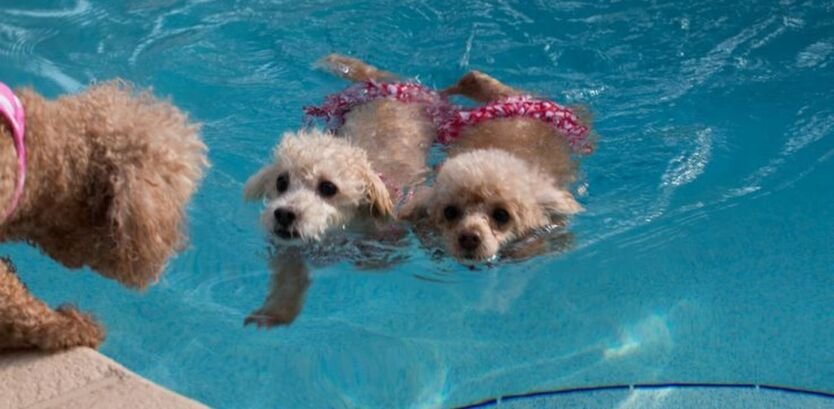
Starting your Poodle puppy on their swimming journey is an exciting milestone. Most experts suggest waiting until your puppy is at least 10 to 12 weeks old before introducing them to deeper water. You also want to make sure they have had their necessary vaccinations before visiting public lakes or ponds.
When you start with poodle dog puppies swimming lessons, keep the water very shallow. A plastic kiddie pool in the backyard is the perfect “classroom.” Fill it with just a few inches of water so the puppy can stand comfortably.
Use their favorite floating toys to encourage them to move around. Praise them constantly. If they look at the water, give them a treat. If they step in, give them a bigger treat. You want them to think that the water is the most rewarding place on earth.
Never leave a puppy alone near water. Even a small amount of water can be dangerous if they get tired or slip. Keep the sessions very short, maybe only 5 to 10 minutes at a time. Puppies tire out much faster than adult dogs, and a tired puppy can lose their confidence quickly.
As they get more comfortable, you can gradually move to a larger body of water. Always use a small life jacket for puppies. It gives them extra buoyancy and helps them learn the correct swimming posture without having to work too hard to stay afloat.
are poodle dog good swimmers
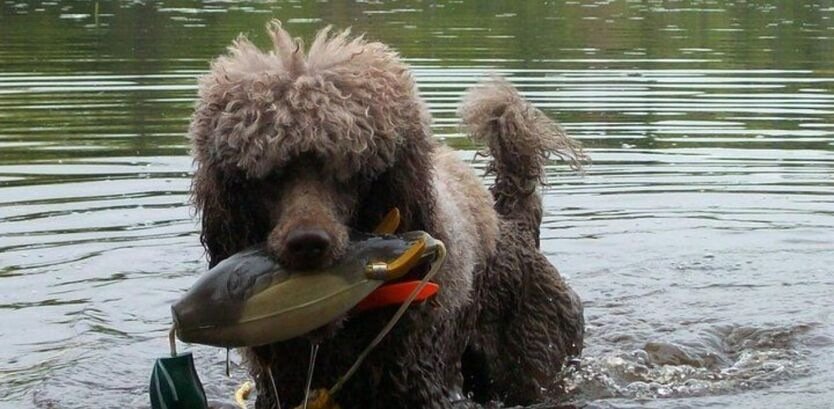
Poodles are widely considered some of the best swimmers in the canine world. In fact, they often rank right up there with Labrador Retrievers and Portuguese Water Dogs. Their poodle dog swimming ability comes from a combination of physical features and a high “work drive.”
One of the coolest facts about Poodles is that they actually have webbed feet. If you look closely at their paws, you will see extra skin between their toes. This acts like a natural swim fin, helping them push more water with every stroke.
Their chest is deep and broad, which provides plenty of lung capacity for long swims. They also have very strong, lean legs that act like powerful oars. This athletic build allows them to swim for longer periods without getting as tired as a heavier, bulkier breed might.
Even the famous “Poodle clip” or haircut you see in shows has a history in swimming. Hunters would shave parts of the Poodle to help them move faster through the water. They left the hair long around the chest and joints to keep the dog’s vital organs and heart warm in the chilly water.
So, while they might look like they belong on a fashion runway, they are actually built for the rugged life of a water athlete. Their intelligence also means they can learn water safety rules quickly, like where the exit steps are in a pool.
poodle dog swimming ability
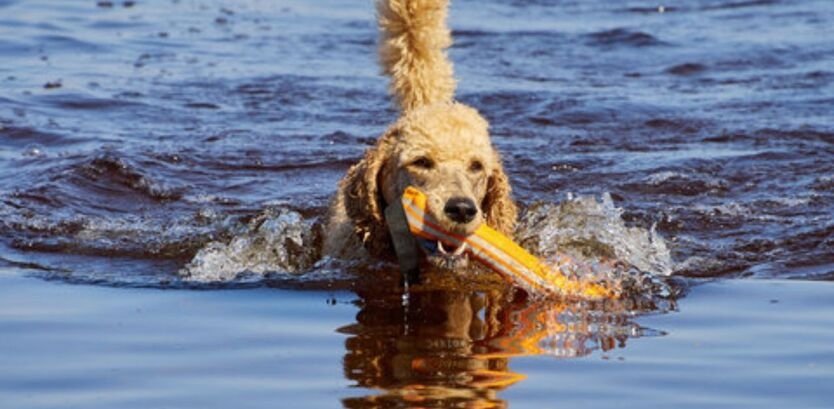
When we talk about poodle dog swimming ability, it is important to look at the three different sizes: Standard, Miniature, and Toy. While all three share the same genetic background, their size affects how they handle different water conditions.
Standard Poodles are the “marathon runners” of the group. They have the most power and stamina. They can handle slightly more movement in the water, such as slow moving rivers or calm lakes. Because of their height, they can also wade further out before they actually have to start swimming.
Miniature Poodles are also very capable. They have plenty of energy and love to retrieve. However, because they are smaller, they might tire out a bit faster than a Standard. They are perfect for backyard pools and calm pond environments.
Toy Poodles are the smallest, and while they can swim, you have to be extra careful with them. Small waves or a slight current can be very overwhelming for a tiny dog. They also get cold much faster than the larger varieties. If you have a Toy Poodle, a life jacket is not just a good idea—it is a requirement for safety.
Regardless of the size, the poodle dog swimming ability is something that can be improved with practice. The more often they swim, the more they will learn how to use their legs efficiently and how to breathe properly while moving through the water.
poodle dog swimming facts
Understanding the history and unique traits of this breed can help you be a better coach for your dog. Here are some interesting poodle dog swimming facts that every owner should know:
- Name Origin: The word Poodle comes from the German word “Pudel,” which means to splash in water.
- Functional Fashion: The “pompons” on a Poodle’s ankles and hips were originally meant to protect their joints from the cold water.
- Webbed Toes: Poodles have webbing between their toes, making them natural-born swimmers with built-in flippers.
- High IQ: They are ranked as the second smartest dog breed in the world. This means they can learn to swim and follow water safety commands faster than most other dogs.
- Water-Resistant Coat: Their curly hair is great at shedding water, which helps keep them from getting weighed down while swimming.
Safety Tips for the Water
Even the best swimmers need rules to stay safe. Here is a quick checklist for your next trip to the water:
- Always use a life jacket: Even if your dog is a pro, a life jacket provides safety if they get a cramp or get tired.
- Check the temperature: If the water is too cold for you, it is probably too cold for your Poodle.
- Watch for “Swimmer’s Ear”: Poodles have floppy ears that can trap moisture. Always dry their ears thoroughly after a swim to prevent infections.
- Fresh water only: Do not let your dog drink pool water (chemicals) or lake water (bacteria). Bring a bowl of fresh tap water for them to drink.
- Rinse after every swim: Chlorine and salt can dry out their skin and damage their beautiful curls. A quick freshwater rinse is a must.
Conclusion
Your Poodle is more than just a pretty face. They are powerful athletes with a rich history of water exploration. By following this poodle dog swimming guide, you are giving your dog a gift of health, fun, and confidence.
Remember to take things slow, especially in the beginning. Focus on making the water a place of joy and rewards. Whether you are splashing in a backyard pool or exploring a quiet lake, the bond you build with your dog in the water will last a lifetime.
Grab a life jacket, find a floating toy, and get ready for a summer of aquatic adventures. Your Poodle was born for this now it is time to let them shine!
Faqs
Can all Poodles swim automatically?
While most have the instinct, they still need to be taught. Some might panic if they fall in unexpectedly. It is best to introduce them slowly and build their confidence.
How do I dry my Poodle’s hair after swimming?
Poodle hair can mat easily when wet. Use a heavy-duty towel to soak up most of the water. If your dog has a longer coat, you might need to use a blow dryer on a low, cool setting while brushing them out.
Is swimming good exercise for older Poodles?
Yes! Swimming is a “low-impact” exercise. This means it is very easy on their joints. It is a great way for senior Poodles to stay fit and keep their muscles strong without the stress of running on hard ground.