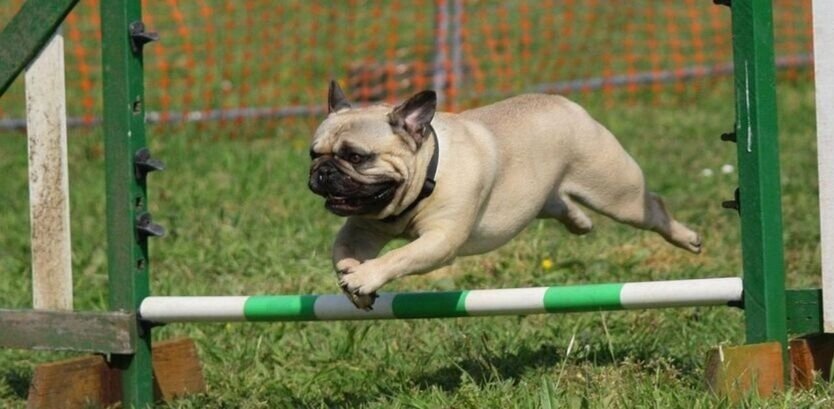
Inside that sturdy, wrinkled frame and behind those soulful, bulging eyes beats the heart of a playful companion! To master your Pug’s spunky personality, positive reinforcement is your ultimate power move. These charming comedians are food-motivated souls who thrive on tasty rewards but can be quite stubborn if they aren’t having fun.
Because of their compact size and unique breathing, keeping training sessions cool and breezy is your golden rule. Teaching your Pug to focus on you ensures your outings are a delightful parade rather than a wheezing tug-of-war! To keep their clever minds sharp without overexerting them, prioritize short, game-like bursts of obedience and plenty of belly rubs to satisfy their legendary need for attention. Stay patient and upbeat, and you’ll transform that snorting pup into a well-behaved, loyal sidekick who truly rules the roost.
With their loving nature and eagerness to please, they make wonderful pets. However, to ensure success in training, you’ll need to have a few tricks up your sleeve. Starting your training as early as possible and using a training schedule are good ways to start, but you can use some extra tips to make training sessions as effective as possible.
You’ll need to work with your Pug if you want your training to succeed. We’ve gathered some of the best tips and tricks in this guide to help you teach your Pug how to behave. Pugs are undeniably one of the most charming dog breeds out there. With their wrinkly faces, expressive eyes, and playful personalities, they easily win hearts. But don’t let that adorable face fool you. Pugs can be stubborn, and without proper training, their mischievous streak can get the best of them.
If you’re wondering how to train your pug to be a well-behaved, happy companion, you’re in the right place. Whether you’re a first-time pug parent or simply looking to improve your pup’s manners, these tips will help you raise a well-adjusted, obedient, and joyful pug.
Training isn’t just about teaching your dog to sit or stay. It is about setting the foundation for a healthy, happy relationship between you and your pug. Well-trained pugs are more confident, less anxious, and easier to take out in public. It also ensures their safety and the well-being of others around them. Because pugs are highly social dogs, they thrive on routine, attention, and positive reinforcement. With a little patience and consistency, your pug can become a star student.
Pug training guide
When you start your journey, it is important to understand the breed. Pugs are classified as toy dogs, but they have big personalities. They were bred to be companions to royalty, and sometimes they still act like they are the ones in charge. A good training guide starts with understanding that your Pug wants to be with you at all times.
The first step in any training guide is establishing yourself as a gentle leader. Pugs do not respond well to shouting or physical force. In fact, if you are too harsh, they will simply shut down and ignore you. Instead, use their love of food to your advantage. Most Pugs will do almost anything for a small piece of kibble or a healthy treat.
Consistency is the next major pillar. If you allow your Pug on the couch on Monday but scold them for it on Tuesday, they will become confused. Every member of your household needs to use the same commands and follow the same rules. This prevents your Pug from getting mixed signals.
Socialization is also a huge part of a successful training guide. You should introduce your Pug to new people, other dogs, and different environments as soon as they are fully vaccinated. This helps prevent them from becoming overly fearful or reactive as they grow up.
Pug puppy training tips
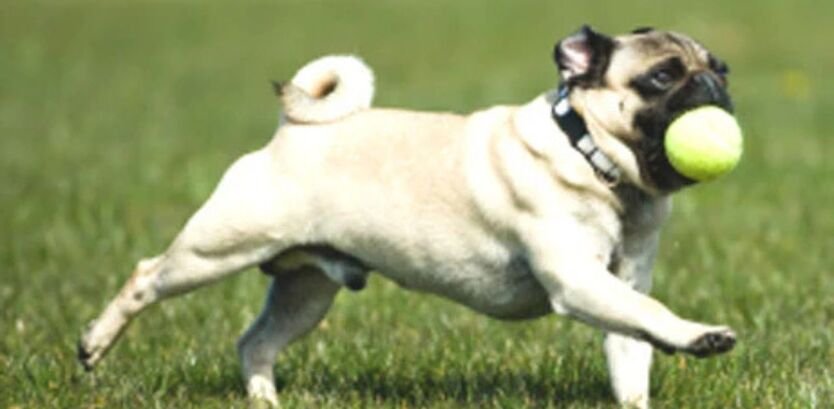
Starting early is the best thing you can do for your new friend. Between the ages of 8 and 16 weeks, puppies are like little sponges. This is the perfect time to implement pug puppy training tips that focus on the basics.
Potty training is usually the first hurdle for Pug owners. Pugs are known for being a bit slow to housebreak. This is often because they don’t like going outside when it is raining or cold. To succeed, you need to take them out frequently. Every time they wake up from a nap, finish eating, or play hard, head outside immediately.
Crate training is another essential tip. Many owners feel guilty putting their puppy in a crate, but dogs actually enjoy having a safe, den-like space. A crate helps with potty training because dogs naturally avoid making a mess where they sleep. It also keeps them safe when you cannot supervise them.
Bite inhibition is also important. Puppies explore the world with their mouths. If your Pug puppy nips at your hands, make a high-pitched “ouch” sound and stop playing for a moment. This teaches them that their teeth are too sharp for human skin.
Focus on these basic puppy behaviors:
- Learning their name
- Walking on a loose leash
- The “sit” and “stay” commands
- Leaving objects alone when told
Pug tricks training
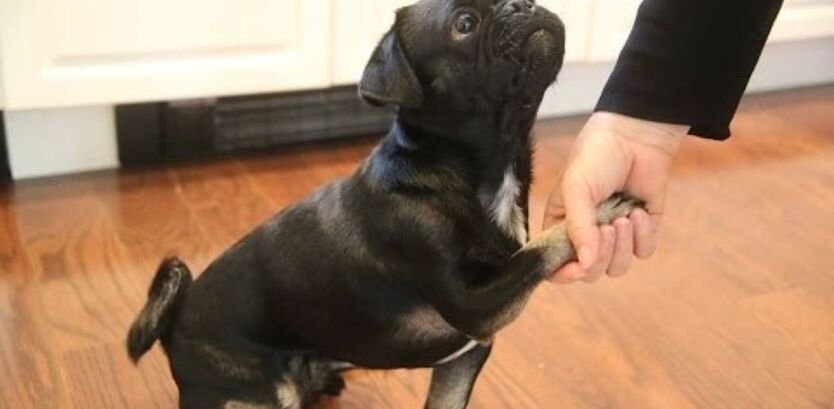
Once your Pug has mastered the basics, it is time to have some fun! Pug tricks training is a fantastic way to bond with your dog and burn off some of that mental energy. Since Pugs love being the center of attention, they usually enjoy learning tricks that make people laugh.
“Shake” or “Give Paw” is a classic trick that is very easy for Pugs to learn. Because they naturally use their paws to grab at toys or your legs, you can easily capture this behavior. Simply hold a treat in your closed fist, wait for them to paw at your hand, and say “Yes!” while giving them the treat.
“Spin” is another crowd favorite. Hold a treat in front of your Pug’s nose and slowly lead them in a circle. Once they complete the full rotation, give them the reward. Pugs are quite agile for their size, and they often find spinning to be a fun game.
You can also teach them to “Speak” or “Quiet.” Pugs can be quite vocal, making all sorts of grunts and barks. Teaching them to bark on command actually makes it easier to teach them when to be silent. This gives you more control over their “talking” habits.
Remember that pug tricks training should always be kept short. Five to ten minutes is plenty of time. If you go too long, your Pug might get bored or distracted by a passing butterfly.
Pug training secrets
Every breed has a few “hidden” ways to get better results. When it comes to pug training secrets, the biggest one is weight management. Because Pugs are so food-motivated, it is easy to overfeed them during training. Always use tiny, low-calorie treats or even pieces of their regular dinner kibble.
Another secret is managing their “selective hearing.” Pugs are smart enough to know when you have a treat and when you don’t. To avoid a dog that only listens when food is visible, you must eventually “fade” the treats. This means sometimes rewarding them with a belly rub or a favorite toy instead of food.
Temperature control is a safety secret every owner should know. Because of their flat faces, Pugs can overheat very quickly. Never train your Pug in a hot room or outside in the sun. If you hear them gasping or see them panting heavily, stop the session immediately and give them water.
The final secret is the power of the “lean.” Pugs are very physical dogs. They love to lean against your legs. Use this physical closeness to reward them. If they sit correctly, let them lean against you as you pet them. This physical touch is a high-value reward for this specific breed.
How to train a pug puppy at home
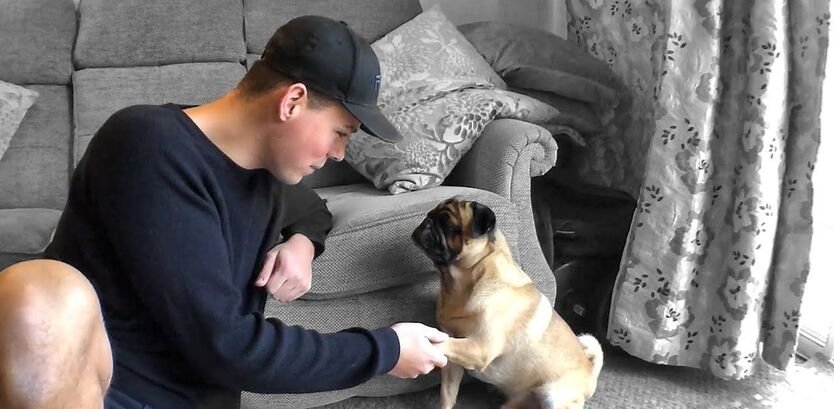
You don’t need a professional trainer to have a well-behaved dog. Learning how to train a pug puppy at home is mostly about setting up a winning environment. Start by “puppy-proofing” your house so they don’t get into trouble when you aren’t looking.
Set up a consistent schedule. Pugs thrive when they know exactly when they will eat, sleep, and train. A typical day at home might look like this:
- Morning: Potty break followed by breakfast.
- Mid-morning: Short 5-minute training session.
- Afternoon: Playtime and a nap.
- Evening: Walk and a final review of commands.
When training at home, find a quiet spot without distractions. Turn off the TV and put your phone away. Your Pug needs to know that for those few minutes, they are the most important thing in the world to you.
Use the “Lure and Reward” method. This involves using a treat to guide your dog’s body into the position you want. For example, to teach “down,” move the treat from their nose to the floor. Their body will naturally follow. As soon as their chest hits the ground, give them the treat.
Be patient with the “Pug stubbornness.” If your puppy refuses to do something they usually know, don’t get angry. They might just be tired or bored. End the session on a positive note with a command they know well, then try again later.
Conclusion
Training a Pug is a journey filled with laughter, a bit of patience, and a lot of love. By using these pug dog training tips, you are doing more than just teaching commands. You are building a lifelong bond with a dog that will truly become your best friend.
Keep your sessions fun, stay consistent with your rules, and never forget the power of a good belly rub. Your Pug might be a little stubborn at times, but their loyalty and charm make every bit of effort worth it. Soon, you will have a poised, loyal titan who truly rules the heart of your home.
Frequently Asked Questions
Are Pugs hard to housebreak?
Pugs can be more difficult to potty train than some other breeds. They are small and don’t like bad weather. However, with a strict schedule and lots of praise, they will eventually get the hang of it. Most Pugs are fully housebroken by 6 to 8 months of age.
How much exercise does a Pug need?
Pugs don’t need miles of running, but they do need daily activity to stay healthy. Two short walks a day and some indoor playtime are usually enough. Always monitor their breathing and avoid over-exercising them in heat.
Can Pugs be left alone while I work?
Pugs are very social and can suffer from separation anxiety. If you have to leave them, make sure they have plenty of toys and a comfortable space. It is often best to have someone check on them during the day if you are gone for more than 4-5 hours.
Why does my Pug bark at everything?
Pugs are alert and often bark to “alert” you of visitors or strange noises. You can manage this by teaching the “Quiet” command and rewarding them when they stop barking on cue.
What are the best treats for Pug training?
- Small pieces of carrot or green beans
- Low-calorie commercial training treats
- Tiny bits of plain, cooked chicken
- Their regular dry kibble