Bichon Frise are playful, affectionate, and full of personality, making them one of the most popular companion dogs. However, training them can sometimes be challenging. These little dogs have small bladders, making potty training tricky. Very young puppies may need to go outside every 30 minutes to avoid accidents.
Despite these challenges, Bichon Frises are smart and eager to please. With the right techniques, consistency, and plenty of positive reinforcement, you can turn your Bichon into a well-behaved, happy, and obedient companion. In this guide, we will explore practical training tips, common challenges, and secrets to help your Bichon thrive.
How to Train Your Bichon Frise
Training a Bichon Frise starts with understanding their personality. They are intelligent but can be stubborn, so patience is key. Positive reinforcement is the most effective method.
Start with short, focused sessions of 5 to 10 minutes, several times a day. Use treats, praise, and gentle encouragement to reward good behavior. Avoid punishment, as it can create fear or anxiety.
Consistency is essential. Make sure everyone in the household uses the same commands and rules. Bichons respond well to routine, so try to train at the same time each day.
Potty training requires special attention. Take your Bichon outside frequently, especially after meals, naps, or playtime. Reward them immediately after they go in the right spot. Accidents will happen, so remain patient and clean them without scolding.
Crate training can also be very effective. A properly sized crate provides a safe space for your dog and can help with housebreaking. Make sure the crate is comfortable and never use it as a punishment.
Socialization is another crucial part of training. Introduce your Bichon to different people, pets, and environments from a young age. This helps reduce fear, anxiety, and behavioral problems later.
Training a Bichon Frise Puppy

Training a Bichon Frise puppy requires extra patience and consistency. Puppies have short attention spans, so keep sessions short and engaging. Start with basic commands such as sit, stay, come, and leave it.
Reward-based methods work best. Use small, soft treats or verbal praise. Puppies thrive on encouragement and positive attention. Repetition and consistency are essential to help them learn.
Early socialization is important. Take your puppy to safe environments with different sounds, surfaces, and people. This exposure will help them adapt and become confident adult dogs.
Prevent bad habits early. For example, discourage nipping and jumping by redirecting their attention to toys or training commands. Be patient and avoid harsh punishment, which can hinder learning.
Introduce leash training gradually. Use a lightweight leash and allow your puppy to get used to wearing it indoors first. Slowly practice walking with short distances and rewarding calm behavior.
Remember that potty training may take time. Puppies have small bladders and may have accidents frequently. Regular bathroom breaks and a consistent routine will help your puppy succeed.
Bichon Frise Training Problems
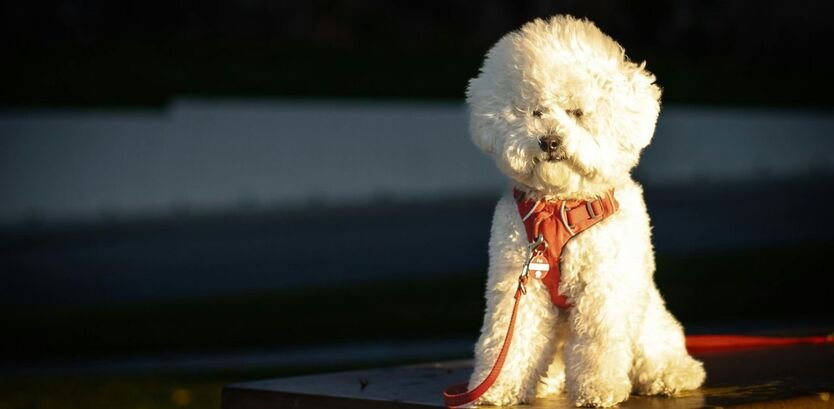
Bichon Frises are generally friendly and cheerful, but some training challenges may arise. Common problems include:
Potty training difficulties: Small bladders make accidents frequent, requiring patience and frequent bathroom breaks.
Separation anxiety: Bichons bond closely with their owners, which can cause distress when left alone. Gradually increase alone time and provide toys to keep them occupied.
Stubbornness: While intelligent, Bichons can be willful. Consistent training, rewards, and clear boundaries help overcome this.
Excessive barking: Boredom or lack of training can lead to barking. Mental stimulation, exercise, and teaching a “quiet” command can help.
Nipping and chewing: Puppies explore with their mouths. Providing chew toys and redirecting behavior can prevent unwanted habits.
Addressing these problems early with consistent, positive training is crucial. Each issue can be managed with patience and the right approach.
Tricks to Teach a Bichon Frise
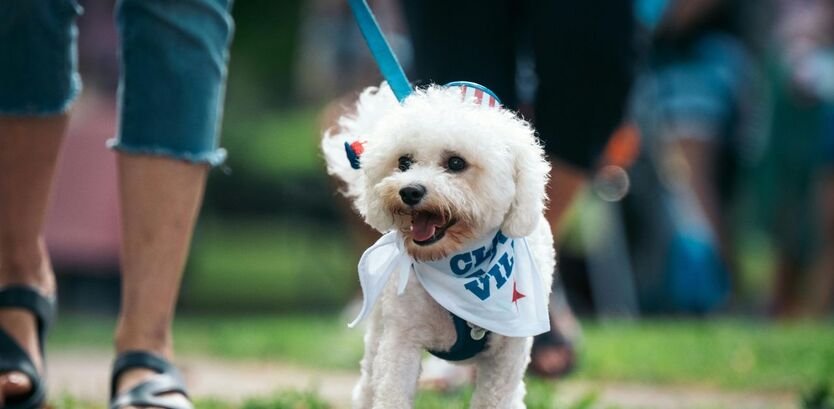
Bichon Frises enjoy learning new tricks, which keeps their minds active and strengthens your bond. Start with simple tricks such as:
- Sit: Hold a treat above their nose and slowly move it back, encouraging them to sit. Reward immediately.
- Stay: Ask your dog to sit, then use a hand signal to stay. Start with a few seconds and gradually increase.
- Come: Use a cheerful voice and treat to call your dog towards you. Reward them when they respond.
- Shake paw: Gently lift their paw while giving a command and reward them.
- Roll over: Start with a down position, use a treat to guide them into a roll, and praise.
Keep sessions fun and brief. Practice regularly but avoid overtraining, which can cause frustration. Always end on a positive note to reinforce learning.
Trick training also provides mental stimulation, which can reduce behavioral problems like barking or chewing.
Bichon Training Secrets

Training a Bichon Frise effectively requires understanding their unique traits and applying a few key strategies.
Positive reinforcement: Praise, treats, and affection work better than punishment.
Short, frequent sessions: Bichons have limited attention spans. Multiple short sessions are more effective than one long one.
Consistency: Use the same commands and routines every day. This helps your dog understand expectations.
Socialization: Expose your Bichon to different people, pets, and environments early to prevent fear or aggression.
Mental stimulation: Puzzle toys, trick training, and interactive games keep their minds sharp and reduce boredom.
Patience: Training takes time, especially for potty training and overcoming stubbornness.
Clear boundaries: Establish rules from the beginning, such as where they can go in the house and what behaviors are allowed.
Use of crates: Proper crate training provides security and aids in potty training without causing stress.
By applying these secrets, you can raise a Bichon Frise that is obedient, confident, and happy.
FAQs
How long does it take to potty train a Bichon Frise?
Potty training can take several weeks to a few months. Consistency, frequent bathroom breaks, and positive reinforcement speed up the process.
What is the best age to start training a Bichon Frise puppy?
Training can start as early as 8 weeks. Early socialization and basic commands set a strong foundation for future learning.
Why does my Bichon Frise bark excessively?
Excessive barking is usually due to boredom, lack of training, or separation anxiety. Provide mental stimulation and teach a “quiet” command.
Can Bichon Frises learn tricks easily?
Yes, they are intelligent and love pleasing their owners. Short, fun, and rewarding sessions work best.
How do I handle separation anxiety in my Bichon?
Gradually increase alone time, provide toys, and create a safe, comfortable space. Avoid making departures dramatic.
Conclusion
Training a Bichon Frise requires patience, consistency, and lots of positive reinforcement. By understanding their personality, addressing common challenges, and applying effective training strategies, you can raise a happy, obedient, and confident companion.
Start with short training sessions, reward good behavior, and socialize your dog early. Teach tricks to keep their mind active and follow the training secrets to ensure long-term success.
With the right approach, your Bichon Frise will not only learn obedience but also become a cheerful, loving member of your family. A well-trained Bichon Frise is a joyful companion that brings smiles and happiness wherever they go.