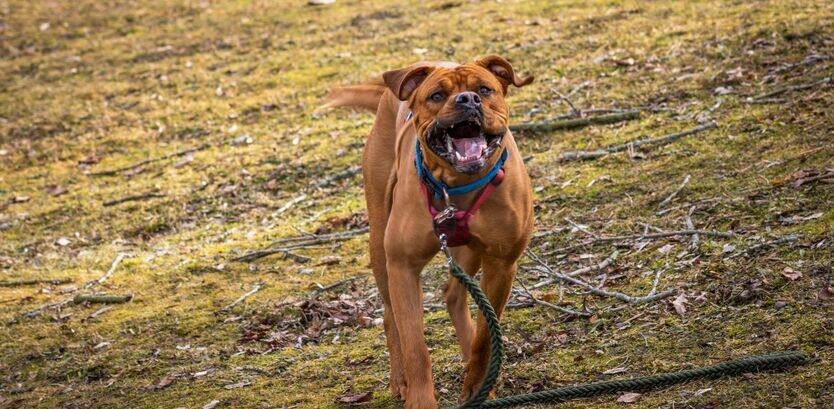
Believe it or not, training a puppy begins in the whelping box! While the mother handles most of the care, early human interaction helps shape a Boxer puppy’s confidence. Petting, cuddling, and gently talking to them builds trust and marks the start of their lifelong training journey.
Every Boxer should know basic commands like sit, stay, and come. These skills not only make daily life smoother but also keep your Boxer safe and under control. Boxers are the sixth most popular dog breed in the United States and are known for their intelligence, loyalty, and strength. Their alertness and natural protectiveness make them excellent companions when properly trained. Let’s dive into how you can guide your Boxer to become the best version of themselves.
Boxer Dog Training Tips for Beginners
If you’re new to training Boxers, the first thing to remember is that patience and positivity are your best tools. Boxers are intelligent and sensitive dogs that respond much better to praise than punishment. Start training as soon as you bring your Boxer home, ideally around eight weeks old.
Keep training sessions short five to ten minutes at a time. This prevents boredom and helps your Boxer stay focused. Use treats, verbal praise, and play as rewards for good behavior. For example, when your Boxer sits on command, reward them immediately with a cheerful “Good job!” and a treat.
Socialization is just as important as obedience. Expose your Boxer to new sights, sounds, people, and other dogs. Take them for short walks in busy areas and let them meet friendly dogs. This helps prevent fear-based reactions later in life.
A few quick tips for beginners:
- Be consistent with commands and tone of voice.
- Train in a quiet space without distractions.
- End every session on a positive note.
- Never yell or physically punish your Boxer.
- Always reward desired behavior right away.
Consistency is key. If you let bad habits slide, your Boxer will assume the behavior is acceptable. Setting clear rules and boundaries from the start makes a big difference.
Training Tips for Boxer Puppies

Boxer puppies are full of energy and curiosity. They love to play and learn but can easily get distracted. That’s why training should feel like a game. Make it fun and engaging, and your puppy will enjoy the process.
Start with crate training. A crate gives your puppy a safe space to relax and helps with potty training. Choose a crate that’s large enough for your Boxer to stand, turn around, and lie down comfortably. Keep it cozy with a blanket and toys.
Next, focus on housebreaking. Take your puppy outside every two hours, especially after eating, playing, or waking up. Praise them every time they go potty outside. Boxers are quick learners, so they usually catch on fast when training is consistent.
Introduce basic commands early, such as sit, down, come, and stay. Keep training sessions upbeat. Use a gentle voice, plenty of praise, and small treats as motivation. Avoid training when your puppy is tired or overly excited.
Puppies also need to learn bite inhibition. If your Boxer nips during play, let out a short “Ouch!” and stop playing immediately. This teaches them that biting ends the fun. Redirect their attention to a chew toy instead.
You can also introduce leash training early. Start indoors with a lightweight leash, letting your puppy get used to it. Once they’re comfortable, practice walking short distances outdoors, rewarding calm behavior.
Best Training for Boxer Dogs
As your Boxer grows, you can move on to more advanced training. Adult Boxers are intelligent, athletic, and eager to please, which makes them excellent students.
Obedience classes are a great option, especially for first-time owners. Group classes help with socialization and reinforce consistent commands. You’ll also learn techniques from professional trainers that you can apply at home.
Here are some of the best training types for Boxers:
- Basic Obedience Training: Commands like sit, stay, down, come, and heel. These create the foundation for good manners.
- Leash Training: Boxers are strong and can pull if not taught early. Teach them to walk calmly beside you using treats and praise.
- Impulse Control: Boxers get excited easily. Practice “wait” and “leave it” commands to help them stay calm in stimulating environments.
- Clicker Training: This positive reinforcement method uses a small clicking sound to mark good behavior. It’s effective for Boxers since they respond well to clear feedback.
- Agility Training: Once basic commands are mastered, agility training can be a great way to channel your Boxer’s energy. It strengthens their body and mind while deepening your bond.
Keep training sessions varied. Boxers love new challenges, and switching things up keeps them engaged. Rotate between obedience, fetch, agility, and puzzle toys to stimulate their sharp minds.
Obedience Training for Boxers

Obedience training is not just about teaching commands; it’s about building communication and trust. Start with essential commands and gradually move to more complex tasks.
Sit: Hold a treat close to your Boxer’s nose and move your hand up. When they sit, reward them right away.
Stay: Ask your Boxer to sit. Hold your hand out, palm facing them, and say “Stay.” Take a few steps back, then return and reward them for staying put.
Come: This command is vital for safety. Call your Boxer’s name followed by “Come!” Reward them enthusiastically when they run to you.
Down: From a sitting position, lower a treat to the ground and slide it forward. Once your Boxer lies down, reward and praise them.
Boxers learn quickly but can also test boundaries. If they ignore a command, stay calm and repeat it clearly. Avoid frustration it can make your Boxer anxious. End every training session with something your dog does well so they finish feeling successful.
Mental exercise is just as important as physical activity. Teach your Boxer to pick up toys, find hidden treats, or learn fun tricks like high-five or spin. These activities keep their minds sharp and strengthen obedience.
How to Properly Train a Boxer Puppy

Training a Boxer puppy takes patience and love. The earlier you start, the easier it will be to shape their behavior. Here’s a simple approach to get the best results.
- Start Early: Begin training as soon as your puppy comes home. Boxers learn best between 8 and 16 weeks of age.
- Use Positive Reinforcement: Always reward good behavior instead of punishing mistakes. This builds trust and confidence.
- Keep a Routine: Feed, walk, and train your puppy at the same times each day. Predictability helps them feel secure.
- Handle with Care: Touch their paws, ears, and tail often to get them used to handling. This helps with future grooming and vet visits.
- Prevent Jumping: Boxers love to jump when excited. Teach them to sit before greeting people to replace the jumping habit.
- Focus on Recall: Practice calling your puppy to you daily. Make it exciting and rewarding so they learn to come immediately.
Avoid overtraining. Puppies need plenty of rest. Two or three short sessions a day are enough to make steady progress.
If your Boxer puppy gets stubborn, stay patient. Consistency and positive attention will always win over time. Boxers are eager to make their owners happy—they just need clear direction.
Conclusion
Training a Boxer is about understanding their energy, intelligence, and affection. With the right mix of patience, consistency, and fun, you can shape your Boxer into a well-behaved, confident companion. Start early, keep sessions upbeat, and always celebrate progress. The bond you build through training will last a lifetime.
FAQs
1. How long does it take to train a Boxer dog?
Every Boxer is different, but basic obedience can take 3 to 6 months of consistent training. Advanced skills and off-leash control may take longer.
2. Are Boxers easy to train?
Yes, Boxers are intelligent and eager to please, but they can also be stubborn. Positive reinforcement works best.
3. What’s the best age to start Boxer puppy training?
Begin training around 8 weeks old. Early socialization and simple commands build a strong foundation.
4. How do I stop my Boxer from jumping on people?
Ignore the jumping and reward calm behavior instead. Ask your Boxer to sit before greeting anyone.
5. How much exercise does a Boxer need daily?
Boxers are active dogs that need at least 60 minutes of exercise every day. Include walks, playtime, and mental challenges to keep them balanced.