Your Cavalier King Charles Spaniel is one of the most affectionate breeds around. They’re gentle, loving, and eager to please, which makes them a joy to train when you know how to approach it.
Some Cavaliers even work as therapy dogs or compete in obedience and agility sports. Their natural charm, soft nature, and willingness to learn make them perfect companions for families and individuals alike. But to bring out the best in your Cavalier, you’ll need patience, kindness, and consistency.
In this guide, we’ll explore everything you need to know about training your Cavalier King Charles Spaniel from basic obedience and puppy training to potty training and house manners. Let’s dive in.
How to Train a Cavalier King Charles Spaniel
Cavaliers are people-pleasers by nature. They thrive on praise, affection, and gentle direction. Harsh discipline doesn’t work well with this breed. Instead, use positive reinforcement rewarding good behavior with treats, toys, or verbal praise.
Start with short, fun sessions. Aim for 10–15 minutes a few times a day rather than one long session. Their attention span can be short, especially for puppies, and keeping it playful helps them stay motivated.
1. Begin with simple commands
Teach “sit,” “stay,” “come,” and “down.” Use treats or a clicker to mark the correct behavior. Always follow up with praise like “good job!” so your Cavalier links the action to your happiness.
2. Keep your tone warm and calm
Your dog will respond best when your voice is friendly and encouraging. Cavaliers are sensitive and can become anxious if they sense frustration.
3. Be consistent
Use the same command words and gestures each time. Consistency helps your dog understand what you expect.
4. Use rewards wisely
Find what motivates your Cavalier: some love food, others love attention. Keep treats small and healthy so you don’t overfeed.
5. Socialize early
Introduce your Cavalier to people, kids, other pets, and new environments. Early socialization helps prevent shyness and barking later on.
Training your Cavalier should feel like teamwork, not a chore. When they realize that listening to you brings joy and attention, they’ll happily follow your lead.
Training a Cavalier King Charles Puppy

Bringing home a Cavalier puppy is pure happiness until they start chewing your slippers or refusing to come when called. Puppyhood is the perfect time to build good habits that last a lifetime.
Start with a routine
Dogs thrive on structure. Set regular times for meals, potty breaks, playtime, and training. This helps your puppy feel safe and know what to expect.
Crate training
A crate can be a valuable tool for both house training and safety. Choose a cozy crate just big enough for your puppy to stand, turn, and lie down. Make it comfortable with a blanket and toys, and never use it as punishment.
Focus on positive behavior
Reward calm and polite actions, such as sitting patiently for attention or waiting before going through a door. Cavaliers are very responsive when they know good behavior earns rewards.
Redirect bad habits
Puppies love to chew. Provide durable chew toys and gently redirect them when they nibble on furniture or fingers. Praise them when they chew on the right items.
Early leash practice
Cavaliers can get distracted outdoors, especially by birds or squirrels. Use a lightweight leash and practice walking beside you indoors first, rewarding them for staying close.
Keep it light and fun
Training a puppy shouldn’t feel strict. Use toys, treats, and games like “find it” or “come and get it” to make learning exciting.
Tip: Always end each session on a positive note, so your puppy looks forward to the next training time.
Cavalier King Charles Spaniel Potty Training Tips
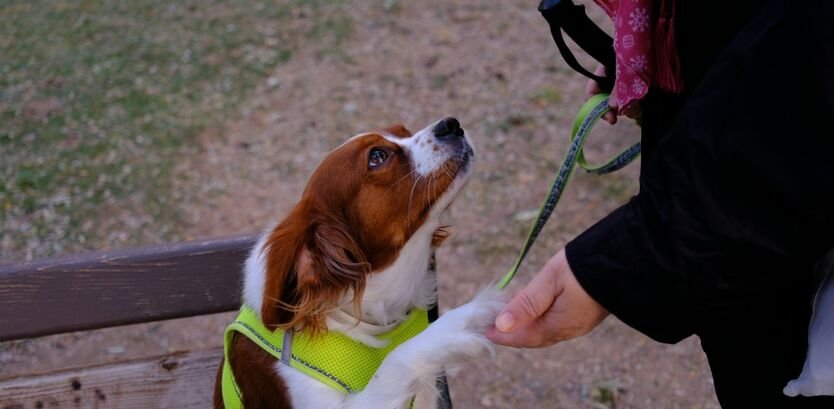
Potty training takes patience, but Cavaliers are smart enough to learn quickly when you stay consistent.
Set a schedule
Take your puppy outside first thing in the morning, after meals, after naps, and before bedtime. Puppies usually need to go every 2–3 hours.
Choose one potty spot
Always guide your dog to the same outdoor area. The familiar scent helps them understand that it’s their bathroom spot.
Watch for signals
Sniffing the floor, circling, or whining are signs they need to go. Take them out right away when you notice these cues.
Praise instantly
When your Cavalier goes in the right place, reward them immediately with praise and a small treat. This timing is key they’ll connect the act with the reward.
Handle accidents calmly
Accidents happen. Clean them thoroughly with an enzyme cleaner to remove odors. Avoid scolding, as it can cause confusion or fear.
Use crate time wisely
Dogs don’t like to soil their sleeping area. Using a crate between potty breaks can help reinforce good habits.
Tip: Try saying a consistent phrase like “go potty” each time you take them outside. Over time, they’ll associate the words with the action.
Best Way to Train a Cavalier King Charles Spaniel
The best training method for this breed centers around patience, routine, and reward. Cavaliers are extremely loyal and sensitive, so kindness always works better than firmness.
1. Keep it positive
Always focus on what your dog does right. Replace “no” with guidance toward the behavior you want. For example, if they jump up for attention, ask them to “sit” and reward that instead.
2. Practice recall early
Because Cavaliers have a hunting background, they may chase birds or squirrels. Teach “come” as soon as possible using high-value treats and plenty of praise when they return. Practice in safe, fenced areas first.
3. Encourage calm behavior
If your Cavalier gets overly excited when guests arrive, ask visitors to ignore them until they calm down. Reward them for quiet, polite greetings.
4. Make training a lifestyle
Training shouldn’t just happen during lessons. Reinforce good manners throughout the day — before walks, during meals, and while relaxing at home.
5. Exercise the mind and body
A tired Cavalier is a well-behaved Cavalier. Short daily walks, puzzle toys, and gentle play sessions help burn energy and keep them focused.
6. Patience pays off
Every dog learns at their own pace. Celebrate small wins, stay calm during setbacks, and remember that consistency is more powerful than speed.
Extra tip: Incorporate fun games like hide-and-seek or treat puzzles to strengthen their focus and recall skills.
Are Cavalier King Charles Spaniels Easy to House Train

In general, Cavaliers are moderately easy to house train, but success depends on routine, supervision, and timing. Their gentle personality helps because they want to please you, but they may need extra reminders when young.
Here’s what to keep in mind:
- Start early: The younger the puppy, the more frequent the potty breaks.
- Stick to one command: Use a phrase like “outside” or “go potty” every time.
- Reward immediately: Don’t wait until you come inside to praise them.
- Supervise closely: If they wander off quietly indoors, they might be looking for a spot. Redirect right away.
- Stay patient: Even smart dogs take time to learn bladder control. Avoid punishment; it slows progress.
Most Cavaliers are fully house trained by around six months if you’re consistent. Some may take longer, but steady routines make all the difference.
Conclusion
Training a Cavalier King Charles Spaniel is a rewarding journey that deepens your bond with your dog. Their affectionate nature and eagerness to please make them one of the most trainable breeds when handled with care.
Focus on positive reinforcement, structure, and patience. Celebrate every bit of progress and remember that learning should always be fun. With time, you’ll have a well-mannered, loving companion who brings joy to every day.
FAQs About Training Cavalier King Charles Spaniels
1. How long does it take to train a Cavalier King Charles Spaniel?
Most Cavaliers learn basic commands within a few weeks if you train daily. Full obedience and house training can take a few months, depending on age and consistency.
2. What treats work best for training?
- Small soft treats like chicken bits or training-specific snacks
- Avoid sugary or fatty foods
- Always use tiny portions to prevent overfeeding
3. Can Cavalier King Charles Spaniels be left alone during training?
Not for long periods. They’re social dogs and can develop separation anxiety. Start by leaving them alone for short intervals and gradually increase the time.
4. Why does my Cavalier ignore commands sometimes?
They might be distracted, tired, or confused. Return to basic training, keep sessions short, and make rewards more exciting.
5. Is crate training cruel?
No — when used correctly, a crate becomes your dog’s safe space. It helps with house training and gives them a quiet place to relax.
6. Can Cavaliers learn tricks easily?
Yes! They are intelligent and motivated by praise. Simple tricks like “shake,” “roll over,” and “spin” are usually learned quickly with positive reinforcement.
7. How do I stop my Cavalier from jumping on guests?
Ignore them until they calm down, then reward polite greetings. Consistency and patience are key.