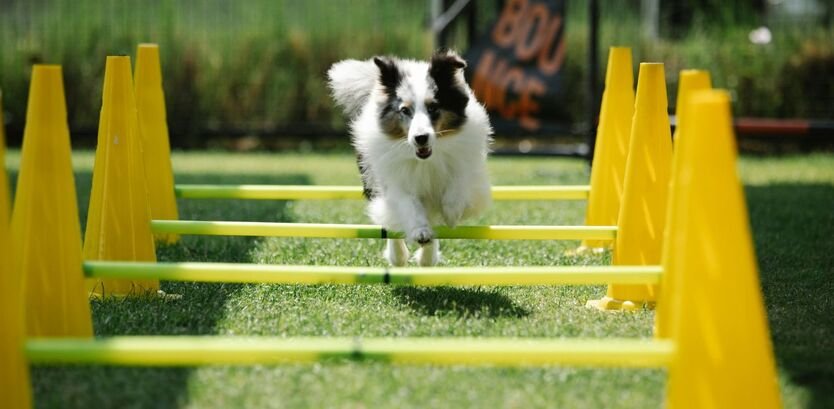
Border Collies are known for their sharp intelligence, loyalty, and incredible energy. Originally bred to herd livestock, they are driven by instinct and a strong work ethic. You may notice your Collie exhibiting herding behaviours like stalking, circling, or flanking. While fascinating, these instincts can be challenging if not guided properly.
If your Collie seems stubborn or struggles with recall, you’re not alone. Many owners face similar challenges. But with patience, understanding, and a consistent approach, you can turn those high instincts into focused learning and obedience.
Training your Collie isn’t just about discipline; it’s about teamwork. With positive reinforcement and the right structure, your dog will not only follow commands but also enjoy the learning process. Let’s explore how to make training both effective and enjoyable for your Collie.
How to Train Your Collie
Training a Collie starts with understanding what motivates them. Collies are people-pleasers but also thinkers. They learn quickly, but if training becomes repetitive or boring, they may lose interest.
Begin with basic commands like sit, stay, and come. Use positive reinforcement praise, treats, and affection work best. Collies respond to encouragement more than punishment. If your dog makes a mistake, stay calm and redirect rather than scold.
Start training sessions when your Collie is calm and focused. Keep lessons short, around 10–15 minutes, and end each one with a success. That positive ending reinforces confidence and keeps them excited for the next session.
Consistency is key. Use the same commands and tone every time. Collies are excellent at reading human emotions, so your tone should always match what you want them to feel.
If your Collie is overly energetic or distracted, try some exercise before training. A quick game of fetch or a brisk walk helps release excess energy so they can focus better.
Another tip: combine obedience with play. For example, have your Collie sit before throwing a ball. This turns learning into a fun and natural part of daily life.
Consider using daily short challenges like asking your Collie to follow you through a mini obstacle course at home. These keep their mind sharp and improve their listening skills.
Tips for Training a Border Collie Puppy
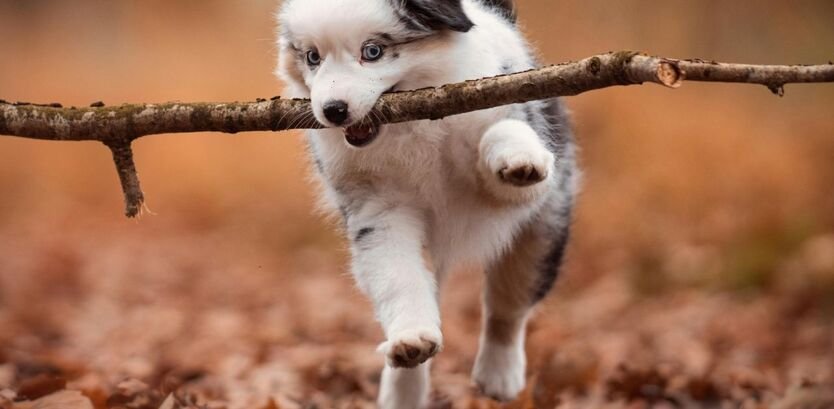
Training starts the moment you bring your puppy home. Border Collie puppies are like sponges; they absorb everything. The earlier you introduce structure, the better they adapt.
Start with socialization. Expose your puppy to different environments, people, and gentle dogs. This helps prevent fear-based reactions later in life. Keep these experiences positive and short.
House training should come next. Stick to a routine by taking your puppy outside after meals, naps, and playtime. Praise them every time they go to the right place. Consistency and timing matter most here.
When teaching commands, use small steps. Puppies have short attention spans, so 5–10 minutes of focused training is enough. End each session on a positive note with lots of praise and gentle play.
Introduce crate training early. The crate should be a safe, comfortable space, never a punishment zone. It helps with house training and gives your puppy a place to rest and recharge.
Redirect nipping or biting behavior with toys. Border Collie puppies love to chew and use their mouths to explore. Offer to chew toys and use the command “leave it” gently but consistently.
Stay patient. Puppies may take time to grasp commands, but Collies learn fast when training is kind, clear, and consistent.
Add short mental games daily. Hide treats in safe spots around the house or under cups and encourage your puppy to find them. These games develop problem-solving skills early.
Agility Training for Border Collie Puppies

Agility training taps into a Collie’s natural instincts. It challenges their mind and body, keeping them active and satisfied.
Start with basic coordination exercises. Teach your puppy to weave around cones, walk on different surfaces, or jump over small obstacles. Always ensure the height and difficulty level are age-appropriate to avoid injury.
Agility doesn’t just mean competition-level obstacles. You can create a fun mini-course at home with simple household items. For example:
- Use broomsticks on the ground for low jumps.
- Set up chairs and a blanket for tunnels.
- Lay out cones for weaving exercises.
Keep it playful. Reward effort, not perfection. Collies thrive on praise and enthusiasm.
As your puppy grows, you can join a beginner agility class. It’s a great way to bond, build confidence, and strengthen focus. Remember, agility training should always feel like a game, not a test.
If your Collie seems hesitant at first, take it slow. Encourage exploration and curiosity. Over time, agility training enhances obedience, coordination, and trust between you and your dog.
Incorporate short agility exercises into daily walks. For example, ask your Collie to step over logs, jump low branches, or weave between trees. This keeps training natural and dynamic.
Collie Training Techniques
Every Collie is unique, but certain training methods work universally well with this breed.
- Positive Reinforcement: Always reward desired behavior. Praise, treats, and playtime strengthen the bond between you and your dog. Avoid punishment; it breaks trust and causes confusion.
- Clicker Training: This technique helps mark good behavior clearly. The sound of the click tells your Collie exactly what they did right. Pair it with a treat every time you click to reinforce the association.
- Impulse Control Exercises: Collies can be impulsive. Teach patience through simple games. For instance, hold a treat in your hand and wait until your dog looks away before giving it. This helps them learn self-control.
- Mental Stimulation: Collies need brain workouts. Puzzle toys, scent games, and learning new tricks prevent boredom and unwanted behavior.
- Recall Training: This is one of the most important commands for safety. Start indoors, saying “come” in a happy tone, and reward them when they return. Gradually add distance and distractions as your Collie improves.
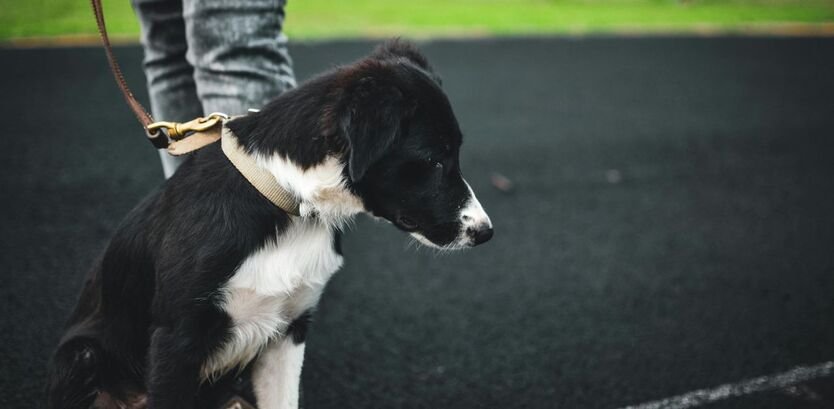
- Leash Training: Collies often pull out of excitement. Use short, positive sessions to teach loose-leash walking. Stop moving when they pull, and reward calm walking beside you.
Collies respond best when training feels like teamwork. They love to work with you, not against you, so always make sessions engaging and upbeat.
Advanced Training Ideas
For experienced owners, you can try:
- Teaching Collies to identify and fetch specific objects by name.
- Using scent detection games to engage their natural instincts.
- Introducing short, timed challenges that combine obedience and agility for mental stimulation.
These advanced exercises keep your dog motivated and prevent boredom, which is common in intelligent breeds like Collies.
How to Train Border Collie Tricks
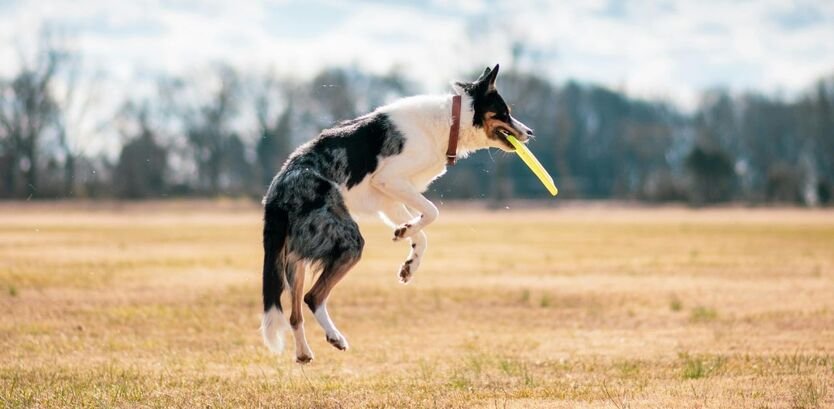
Teaching tricks is a great way to keep your Collie mentally stimulated and proud of their achievements. These dogs love to learn the more variety you offer, the happier they’ll be.
Start with simple tricks like shake hands, spin, or lie down. Once your Collie masters the basics, move to advanced ones like fetching specific items or weaving through your legs.
Break each trick into small steps. Reward every correct attempt to keep motivation high. If your Collie struggles, go back a step rather than repeating mistakes.
You can also teach practical tricks that help around the house, such as fetching the newspaper or putting toys in a basket. These combine obedience with usefulness.
Here are a few fun tricks to try:
- High Five: Hold your hand up and wait for your dog to lift a paw. Reward immediately.
- Spin: Lure your Collie in a small circle with a treat. Add the cue word “spin.”
- Bow: When your dog stretches, say “bow” and reward. They’ll start to associate the action with the command.
Trick training strengthens focus, builds trust, and deepens your bond. Keep it lighthearted and celebrate every win.
Common Challenges and How to Overcome Them
Even experienced owners face training hurdles. Collies are sensitive and can pick up on frustration easily. Here are a few common issues and solutions:
- Problem: Your Collie gets bored during training.
Solution: Add variety. Mix obedience commands with play and challenges. - Problem: Your Collie ignores recall outdoors.
Solution: Practice in a quiet area first, then slowly increase distractions. - Problem: Excessive herding behavior (nipping or chasing).
Solution: Redirect energy with agility games and toys. Avoid scolding focus on alternatives. - Problem: Overexcitement when meeting people or dogs.
Solution: Train calm greetings using the “sit” command before interaction.
Patience, empathy, and structure go a long way in overcoming behavioral issues.
Conclusion
Training a Collie is a journey of trust, patience, and joy. Their intelligence and energy can be a handful, but when guided correctly, these traits make them one of the most rewarding breeds to train.
Remember to celebrate progress, no matter how small. Every command learned, every trick mastered, is a sign of growing understanding between you and your Collie. Keep sessions positive, engaging, and full of encouragement. With time, your Collie will not just follow commands, they’ll anticipate your cues with excitement and pride.
Frequently Asked Questions
1. How long does it take to train a Border Collie?
It depends on age, consistency, and experience. Basic obedience can take a few weeks, while advanced skills or agility training might take months. Collies learn fast with daily practice.
2. What are the best treats for training a Collie?
Use small, soft treats that your dog loves. Chicken bits, cheese, or store-bought training treats work well. Keep portions small to avoid overfeeding.
3. How do I stop my Collie from herding other pets or kids?
Redirect the behavior. Offer toys or activities that mimic herding, such as fetch or agility games. Avoid yelling; instead, teach calm commands like “leave it.”
4. Can Collies be left alone for long periods?
Collies prefer company and can develop separation anxiety. If you need to leave, ensure they have puzzle toys, background noise, and enough exercise beforehand.
5. What’s the best age to start agility training?
You can begin basic coordination exercises around 3–4 months old. However, full agility training should wait until your Collie’s joints are fully developed, usually around one year old.