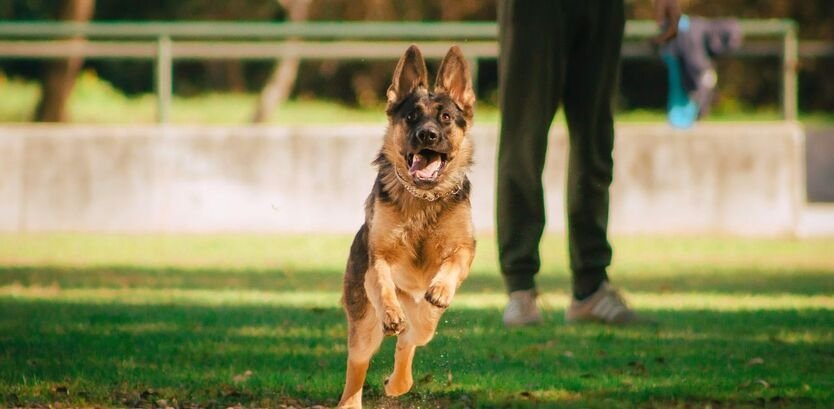
A well-trained dog is a joy to live with and a proud reflection of your care and patience. When it comes to German Shepherds, training isn’t just about teaching obedience, it’s about guiding their sharp mind and strong instincts in the right direction. This breed is smart, loyal, and always eager to learn. With the right approach, you can help your German Shepherd become both a disciplined companion and a confident protector.
German Shepherds are known for their high energy and intelligence. They were originally bred for herding and working alongside humans, so they naturally thrive when they have structure, purpose, and mental challenges. Training your German Shepherd is not only about controlling behavior but also building a lasting bond based on trust and respect.
Let’s explore the best ways to train your German Shepherd from puppyhood to adulthood and create a training routine that keeps them happy, engaged, and well-behaved.
How to Train Your German Shepherd
Training a German Shepherd starts with understanding their personality. These dogs are highly intelligent and quick to pick up commands, but they also need consistent guidance. They respond best to positive reinforcement rewarding them for doing the right thing rather than punishing mistakes.
Start with basic obedience commands such as sit, stay, come, and down. Use short, clear words and a calm but firm tone. Always pair each command with a hand signal and reward. Treats, toys, and praise are powerful motivators for this breed.
German Shepherds love to please their owners, but they can also test boundaries. Set rules early and stick to them. For example, if you don’t want your dog on the furniture, enforce that rule from day one. Inconsistency will confuse them and make training harder later.
Socialization is another key part of training. Expose your German Shepherd to different people, sounds, and environments from an early age. This helps them stay calm and confident as they grow up. Dogs that aren’t socialized properly may develop fear or aggression toward strangers or other animals.
Make training sessions short but frequent. Five to ten minutes at a time is perfect for puppies. For adult dogs, you can extend sessions to fifteen minutes. Always end on a positive note so your dog associates training with success and fun.
Lastly, be patient. German Shepherds learn quickly, but they also sense frustration. Stay calm and consistent, and your dog will respond better to your direction.
Adding real-life scenarios can help your dog understand commands better. For example, practice the “come” command during walks in the park, or the “stay” command when visitors arrive at the door. The key is repetition in multiple settings.
Best Training Tips for German Shepherds
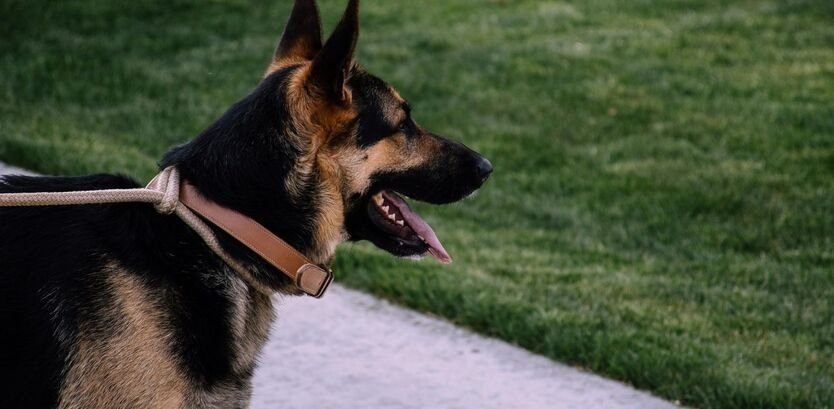
Training a German Shepherd requires a mix of mental and physical challenges. They get bored easily if things are too repetitive, so make sure you keep the process interesting.
- Be consistent: Use the same words and gestures for commands. Changing them often will confuse your dog.
- Use positive reinforcement: Reward good behavior immediately. A treat, praise, or a favorite toy helps your dog understand what you want.
- Avoid harsh corrections: German Shepherds are sensitive and may lose trust if you yell or punish them harshly. Use calm correction instead.
- Include daily exercise: A tired German Shepherd is a happy one. Walks, runs, and games like fetch or tug-of-war help release energy.
- Add mental stimulation: Puzzle toys, scent games, and obedience drills keep their sharp minds active.
- Practice leash training: These strong dogs can pull hard if not taught to walk nicely. Start with a short leash and reward calm walking beside you.
- Teach impulse control: Commands like “wait” or “leave it” prevent problems when your dog gets too excited or distracted.
- Build trust through play: Playtime is not just fun; it strengthens your relationship. Your dog learns to follow your lead even during excitement.
- Mix in agility exercises: Introducing simple agility tasks like tunnels, poles, and jumps challenges both mind and body.
- Use problem-solving games: Hide treats or create obstacle courses to engage your German Shepherd’s intelligence.
Every German Shepherd is unique, so adjust your methods based on their personality. Some are more independent, while others are very eager to please. Learn what motivates your dog and tailor training to fit their temperament.
Training Tips for German Shepherd Puppies
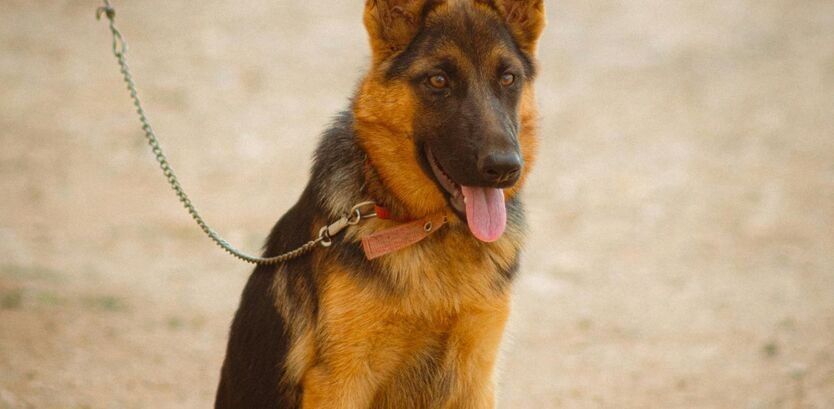
Puppy training is the foundation for everything your German Shepherd will learn later. The earlier you start, the easier it will be to build good habits.
Start as soon as your puppy comes home, usually around eight weeks old. Focus first on basic commands like sit, stay, and come. Keep lessons short, around five minutes, because puppies have short attention spans.
Crate training is another valuable step. It helps with potty training and gives your puppy a safe space of their own. Make the crate comfortable with bedding and toys, and never use it as punishment.
Housebreaking is also essential. Take your puppy outside after eating, playing, or waking up from a nap. Praise and reward them every time they go to the right place. Consistency and patience are key here.
Socialization should start early too. Invite friends over, introduce your puppy to other vaccinated dogs, and take them on car rides or short walks in different environments. The more positive experiences they have, the more confident they’ll become.
Don’t forget bite inhibition training. Puppies often nip during play, but they need to learn that human skin is sensitive. If your puppy bites, say “no” calmly and redirect them to a chew toy.
Introduce gentle grooming sessions early. Brushing, nail trimming, and handling paws from a young age make adult care less stressful.
Training a German Shepherd puppy can be challenging, but with structure and patience, they grow into obedient, well-adjusted adults. Frequent praise and early rewards help them understand expectations quickly.
Easiest Way to Train a German Shepherd
The easiest way to train a German Shepherd is by keeping things simple, positive, and consistent. Complicated routines or harsh corrections will only slow down progress.
Start by building a strong bond. Your dog needs to see you as both a leader and a source of comfort. Spend time together outside of training walking, playing, or simply relaxing nearby. A dog that trusts you learns faster and listens better.
Next, focus on reward-based training. Every time your dog performs a desired action, immediately follow with a reward. This teaches them to connect behavior with outcome. Over time, you can reduce treats and rely more on praise.
Break training into small steps. For example, if teaching “stay,” start with one second and gradually increase the time. Reward each success before expecting more.
Use clear signals. Dogs understand tone and consistency better than long explanations. Keep your commands short and use the same tone every time.
Incorporate short, fun games like fetch with obedience commands. This allows them to learn in a playful, stress-free environment.
Lastly, set up a routine. German Shepherds thrive on structure. Train, walk, feed, and play at similar times each day. This helps your dog feel secure and makes learning easier.
By using these simple methods, you’ll make training smoother for both you and your dog and build a partnership based on trust and understanding.
Training Guide for New German Shepherd Owners
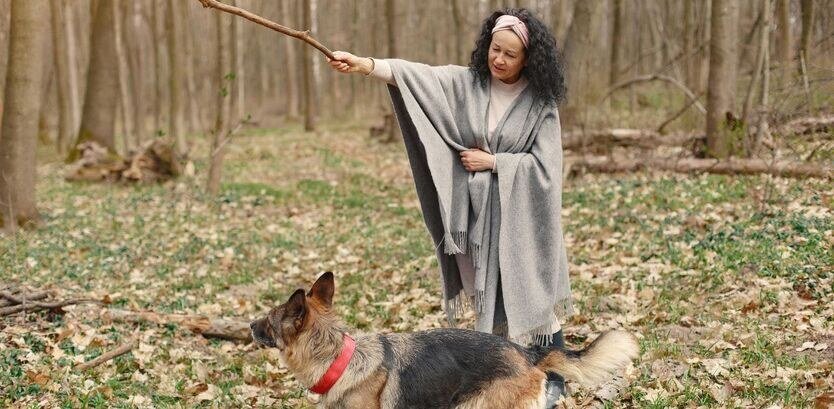
Owning a German Shepherd for the first time can feel overwhelming, but with the right guidance, it becomes a rewarding experience. This breed loves to work and respond to direction, so it’s all about channeling their energy in positive ways.
Here’s a simple guide to help you stay on track:
- Start early: Don’t wait until your dog develops bad habits. Begin training and socialization right away.
- Set clear rules: Be firm but gentle. Your German Shepherd should know what’s expected of them.
- Be patient: Training takes time. Stay calm, and celebrate small victories.
- Focus on socialization: Introduce your dog to different people, sounds, and settings so they grow up confident.
- Use variety: Mix obedience with play and problem-solving exercises.
- Stay active: Physical and mental exercise are equally important. Long walks, agility drills, or scent games are perfect outlets.
- Enroll in obedience classes: Professional guidance helps you learn new techniques and strengthens your bond with your dog.
- Maintain regular routines: Predictable schedules make your dog feel secure and more willing to cooperate.
- Provide mental challenges: Rotate toys, hide treats, and teach new tricks to keep their intelligence engaged.
- Observe body language: Learning to read signs of stress or excitement helps you adjust training in real time.
Remember that a well-trained German Shepherd doesn’t happen overnight. Consistency is your greatest tool. With time, your dog will naturally look to you for guidance in every situation.
Conclusion
Training your German Shepherd is one of the most rewarding parts of being a dog owner. These dogs are smart, loyal, and full of potential. With patience, structure, and positive reinforcement, you can shape them into the perfect companion confident, obedient, and always ready to please.
Every session is a step toward a stronger bond. Keep your training sessions fun, predictable, and filled with encouragement. The result will be a happy, well-mannered German Shepherd that truly reflects your effort and care.
Frequently Asked Questions
1. When should I start training my German Shepherd puppy?
You can start basic training as early as eight weeks old. Keep sessions short and positive to match their attention span.
2. How long does it take to train a German Shepherd?
Basic obedience can take a few months, but full training is ongoing. German Shepherds learn fast but need regular practice to stay sharp.
3. What’s the best reward for training?
- Small treats, praise, or playtime work well.
- Use whatever your dog loves most and vary it to keep them motivated.
4. How can I stop my German Shepherd from barking too much?
- Identify what triggers the barking.
- Teach the “quiet” command with rewards for silence.
- Give enough daily exercise to reduce excess energy.
5. Can an older German Shepherd still be trained?
Yes. While puppies learn faster, adult dogs can still pick up new commands. Use patience, clear cues, and consistent rewards to help them learn.
6. How do I handle German Shepherd separation anxiety?
- Gradually increase alone time.
- Provide stimulating toys and puzzles.
- Keep departures calm to prevent stress.
7. How often should I train my German Shepherd?
- Daily short sessions are best, 10–20 minutes each.
- Include both physical and mental exercises for balanced development.