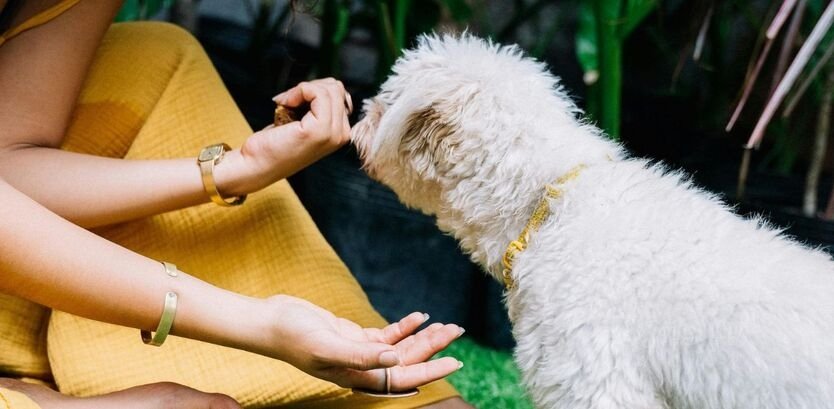
Poodles are known for their intelligence, elegance, and agility. These traits make them highly trainable but also mean they need a thoughtful approach to learning. Whether you have a Toy, Miniature, or Standard Poodle, the right methods will help you raise a well-behaved, confident, and joyful dog.
Your Poodle is smart, playful, and eager to impress. With the right mix of consistency, patience, and fun, training can be an enjoyable experience for both of you. In this guide, you’ll learn how to train a Poodle effectively, how long it usually takes, and the best tricks and techniques for success.
Training your Poodle isn’t just about commands. It’s about building a connection, understanding their personality, and keeping them mentally and physically engaged. Poodles thrive in homes where learning is fun and rewarding.
How to Train a Poodle Dog
Training a Poodle starts with understanding what motivates them. These dogs are driven by praise, treats, and play. They thrive when learning feels like a game rather than a chore.
1. Use Positive Reinforcement
Poodles respond best to encouragement. Reward good behavior with treats, verbal praise, or a favorite toy. Avoid harsh corrections, as they can make your dog anxious or stubborn. Positive reinforcement creates a strong bond and makes your Poodle eager to learn.
2. Keep Training Sessions Short
Their intelligence means they pick up new commands fast, but their attention span can fade if sessions are too long. Aim for 10–15 minutes per session, two or three times a day. Short, focused sessions are far more effective than occasional long ones.
3. Be Consistent
Use the same words and gestures for each command. For example, if you say “sit” one day and “sit down” the next, it can confuse your dog. Consistency builds clarity and reduces frustration for your Poodle.
4. Socialize Early
Expose your Poodle to different people, sounds, and places early on. This helps prevent anxiety and builds confidence in new environments. Take them to parks, meet friendly dogs, and introduce them to gentle strangers gradually.
5. Use a Calm, Encouraging Tone
Your voice matters. A calm but upbeat tone helps your Poodle understand that training is safe and fun. Avoid yelling or expressing frustration, as it can create fear or stubbornness.
6. Introduce Hand Signals
Poodles are very visual learners. Pair verbal commands with hand signals. This makes training easier, especially in noisy or distracting environments.
7. Reward Progress, Not Perfection
Celebrate small wins. Even if your Poodle doesn’t perform perfectly, reward effort and improvement. This keeps them motivated and confident.
Training Poodle Dog Puppies

Training starts from day one. Puppies are curious, full of energy, and eager to learn. Early training builds good habits that last a lifetime.
Crate Training a Poodle Puppy
A crate gives your puppy a safe space and helps with house training. Make it cozy with soft bedding and a few toys. Never use it as punishment. Introduce the crate slowly by letting your puppy explore it freely and rewarding them for going inside. Gradually extend the time spent in the crate to build comfort and security.
House Training Basics
Take your puppy outside frequently after meals, naps, and playtime. Praise them each time they go in the right spot. Consistency is key; soon, your puppy will learn where to go. Keep a schedule to help them establish routine and reduce accidents.
Teaching Basic Commands
Start with simple commands like sit, stay, and come. Use small treats and repeat often. Puppies learn best when training is short, fun, and full of praise. Gradually increase difficulty as your puppy becomes confident.
Preventing Bad Habits Early
If your Poodle puppy starts nipping, barking excessively, or jumping on people, correct it early. Redirect their attention to a toy or give a gentle command like “no” or “sit.” Consistency in correction prevents the habit from becoming a problem.
Mental Stimulation
Poodles need mental exercise as much as physical activity. Puzzle toys, interactive games, and short training sessions keep their sharp minds busy. Introducing new scents, objects, or simple problem-solving tasks can challenge them mentally.
Socialization with Other Pets
If you have other pets, gradually introduce your Poodle puppy. Supervised play sessions help them learn boundaries, manners, and social cues.
How Long Does It Take to Train a Poodle
The time it takes depends on the dog’s age, personality, and consistency of training. In general:
- Poodle puppies can start learning basic commands within a few weeks. House training may take 4–6 months to perfect.
- Adult Poodles may take less time to learn new tricks since they have longer attention spans.
- Consistency is the biggest factor. Daily practice helps your dog learn faster and remember commands longer.
Poodles are quick learners. With daily training, you might see progress in just a few days. However, mastering obedience and manners is a gradual process. Keep sessions fun and positive to maintain motivation.
Tip: If your Poodle seems distracted, take a short break. Overtraining can lead to frustration for both of you.
Factors That Affect Training Time
- Breed Size: Toy and Miniature Poodles may be quicker to train on some commands due to their smaller size, while Standard Poodles might need more physical activity incorporated.
- Personality: Some Poodles are naturally more focused, while others may be more playful and distractible.
- Environment: A calm, low-distraction environment helps faster learning compared to busy, noisy settings.
Standard Poodle Training Tips

Standard Poodles are energetic, athletic, and intelligent. They were originally bred for retrieving, so they love activities that involve running, jumping, or fetching.
1. Exercise Before Training
Give your Standard Poodle some exercise before training. A short walk or play session helps them release energy, making them more focused.
2. Focus on Obedience First
Before teaching tricks, master the basics: sit, stay, come, and heel. A strong foundation makes advanced training easier later on.
3. Use Variety
Standard Poodles enjoy new challenges. Mix things up with new commands, agility courses, or scent games to keep them engaged. Mental stimulation is as important as physical exercise.
4. Address Separation Anxiety
This breed forms strong bonds with owners and may become anxious when left alone. Gradually increase the time apart to help your dog adjust. Provide toys, chews, or a special blanket to comfort them.
5. Stay Patient and Positive
Training should be a bonding experience. Use gentle correction and reward-based encouragement to build trust and reliability. Avoid punishment, as it can harm the bond and slow learning.
6. Regular Grooming and Handling Training
Because Poodles need frequent grooming, train your dog to stay calm while being brushed or clipped. Handle their paws, ears, and tail gently from a young age to make grooming stress-free. Reward calm behavior during grooming to make it positive.
7. Incorporate Fun Challenges
Set up obstacle courses or fetch challenges to keep Standard Poodles mentally and physically active. This prevents boredom and promotes good behavior.
Best Poodle Tricks

Once your Poodle masters obedience, teaching fun tricks is a great way to challenge their mind and strengthen your connection.
1. Shake Hands
Hold out your hand and say “shake.” When your dog lifts a paw, gently take it and give it a treat. Repeat until they offer their paw on command.
2. Spin
Hold a treat near your dog’s nose and slowly move it in a circle. When they follow it all the way around, say “spin” and reward them.
3. Roll Over
Ask your Poodle to lie down. Move a treat over their shoulder so they roll onto their back. Say “roll over” and reward once they complete the motion.
4. Fetch Specific Items
Teach your dog to bring you a toy by name. Start with one toy, say its name, and reward your dog for picking it up. Over time, add more objects.
5. Play Dead
This trick looks impressive but is simple to teach. Ask your Poodle to lie down, then gently guide them onto their side while saying “play dead.” Reward when they stay still.
6. Hide and Seek
Hide a toy or treat and let your Poodle find it. This enhances problem-solving and scent-tracking skills.
7. Target Training
Teach your Poodle to touch a specific object with their nose or paw. This is useful for advanced tricks and agility training.
Conclusion
Training a Poodle is as rewarding as it is fun. Their intelligence and eagerness make them one of the easiest breeds to train as long as you stay consistent, patient, and kind.
Remember, every Poodle is unique. What works quickly for one may take longer for another. Celebrate small victories, keep learning playful, and you’ll have a well-behaved, happy companion who shines both at home and outdoors.
Consistent training, early socialization, and mental stimulation are the keys to a happy, balanced Poodle. With the right approach, your dog will not only follow commands but will enjoy the learning process with you.
FAQs About Training Poodle Dogs
1. What is the best age to start training a Poodle?
Start training as early as 8 weeks old. Puppies learn quickly at this age, and early lessons build lifelong habits.
2. Are Poodles easy to train?
Yes. Poodles rank among the most intelligent breeds. They pick up commands quickly and enjoy pleasing their owners.
3. How long should each training session last?
Keeping sessions short, 10 to 15 minutes is ideal. Frequent, fun practice works better than long, tiring lessons.
4. What should I do if my Poodle doesn’t listen?
Stay calm and check your approach. Use smaller rewards, reduce distractions, and keep your tone positive.
5. Tips to make training more effective:
- Be consistent with commands.
- Use positive reinforcement.
- Avoid punishment.
- Make learning fun with games.
- It always ends in success.
6. Can Poodles learn advanced tricks?
Absolutely. With patience and daily practice, Poodles can learn complex tricks like agility routines, fetching multiple items by name, and target training.
With these training tips for Poodle dogs, you’ll build not only good manners but also a joyful, lifelong bond with your furry friend.