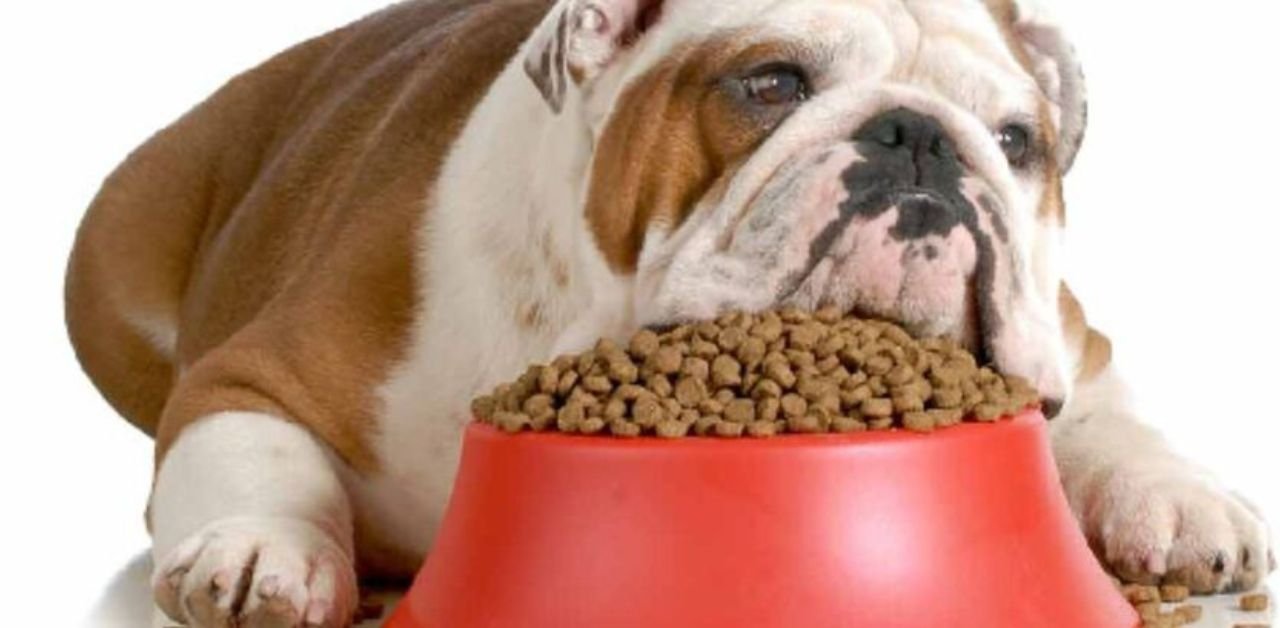
Your Bulldog is a truly special companion. With that stout, muscular frame and that signature “sourmug” face, they are lovable, loyal, and utterly unique.
But their distinctive look comes with special needs, especially when it comes to their diet.
Originally bred for fighting and bull-baiting, Bulldogs have changed dramatically over the centuries. Their nature has become more placid and loving over time. Because they tend to be less active than they used to be, they are susceptible to gaining weight.
With that in mind, it is very important to be careful what you feed them at every meal time.
Thankfully, there is advice and help at hand! We will guide you through the dietary requirements of your beloved Bulldog and which food is best to give them over the course of their life.
This breed’s unique build requires careful dietary management to maintain a healthy physique.
Bulldogs love to eat, and they’ll eat just about anything if you let them. Whether you’ve got an English, French, American, or Victorian Bulldog, the wrong diet or just too much of it can lead to skin issues, stomach upset, weight gain, and that infamous, stinky gas.
These simple rules will keep your Bully healthy, comfortable, and happy at mealtime.
RULE #1: Absolutely No People Food
No table scraps, no “special bites,” and try to keep crumbs off the floor. If your Bulldog never learns that your food is up for grabs, begging won’t become a habit.
Random people’s food is a common trigger for bad breath, gas, diarrhea, and itchy skin. It also teaches picky eating and crowds out balanced nutrition. Feed only their dog food and approved treats. Ask family and guests to follow the same rule, consistency wins!
Bulldog Nutrition Facts: What Your Powerhouse Needs
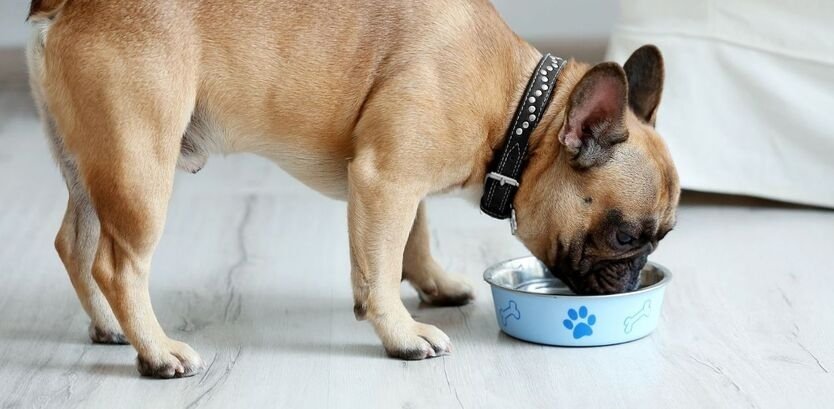
The secret to a healthy Bulldog starts with the right balance of nutrients. You can’t just feed them any standard dog food. They need a diet that supports their heavy, low-to-the-ground body and addresses their common health challenges like joint issues and sensitive digestion.
The three main building blocks of the perfect Bulldog food and nutrition plan are protein, fat, and carbohydrates.
The Muscle Fuel: High-Quality Protein
Bulldogs are muscle-bound dogs, even if they aren’t sprinting marathons. They need a protein-rich diet to maintain their robust muscle tone.
- Adult Bulldogs: Should aim for a diet with a minimum of 18% protein.
- Puppies: Need even more, around 22% or higher, to support their rapid growth.
Look for dog foods where the first ingredient is a specific, high-quality meat source, like chicken, beef, lamb, or fish. These sources are rich in the essential amino acids they need. Avoid foods that just say “meat by-products.”
The Energy Source: Balanced Fat
Because Bulldogs have a natural tendency toward weight gain, you have to be careful about their fat intake. Too much fat equals too many calories, leading to obesity.
- Adult Bulldogs: A moderate fat content of around 5% to 15% is usually ideal, but this depends on their activity level.
- Focus on Healthy Fats: The quality of the fat matters most. Look for Omega fatty acids (like Omega-3 from fish oil) which are crucial for two of your Bulldog’s key trouble spots: their joints and their famous, glossy coat.
The Digestion Helpers: Fiber and Carbs
Bulldogs aren’t marathon runners, so they don’t need an extremely high-carb diet. Instead, focus on complex carbohydrates and high fiber.
- Complex Carbs: Ingredients like sweet potatoes, brown rice, and oats provide a slow, steady release of energy without the sugar spikes.
- Fiber: Ingredients like dried plain beet pulp or specific vegetables help regulate digestion and can seriously help reduce gas and promote healthy stool.
Joint Support is Essential
This is one of the most critical Bulldog nutrition facts. Their short, heavy bodies place a lot of stress on their elbows, hips, and knees.
Always look for formulas that include natural joint support ingredients:
- Glucosamine
- Chondroitin
- EPA and DHA (types of Omega-3 fatty acids)
These nutrients help cushion the joints and reduce inflammation, which can improve their quality of life as they age.
Bulldog Food Amount: Avoiding the Weight Trap
The greatest challenge in Bulldog food and nutrition is managing their weight. A plump Bulldog might look cute, but excess weight puts terrible strain on their joints, heart, and breathing, significantly shortening their lifespan.
How Much Food Should a Bulldog Eat a Day?
The exact amount of food your Bulldog needs depends on several factors: their age, their current weight, their ideal weight, and their activity level.
General Calorie Guidelines:
- Average Adult Bulldog: Typically needs between 1,000 to 1,200 calories per day.
- Inactive or Senior Bulldogs: May need less, sometimes around 800 to 1,000 calories.
- Puppies (Growing): Need a much higher caloric density, often 1,200 to 1,500 calories or more, depending on their size.
Portion Control is Key:
Instead of pouring food straight from the bag, use a measuring cup for every single meal. Never guess.
Most manufacturers provide a feeding chart on the back of the bag. This chart is a good starting point, but remember to adjust it based on your dog’s body condition.
A simple rule of thumb for kibble is often around 1 to 2 cups of high-quality food, split into two meals per day, for an average 40-50 pound adult Bulldog. But always check the specific food bag and talk to your veterinarian.
The Body Condition Score (BCS)
You should be able to feel your Bulldog’s ribs without pressing hard, and they should have a slight visible tuck in their waist when viewed from above (even if it’s just a small one!). If you can’t easily feel their ribs, your Bulldog is carrying too much weight, and you need to cut back on their daily bulldog food amount.
Feeding Schedule:
- Puppies (up to 9 months): Need 3 to 4 smaller meals per day.
- Adults: Should be fed twice a day (once in the morning, once in the evening). Splitting the total daily amount into two meals aids digestion and helps prevent dangerous bloat.
Bull Dog Diet Strategies for Sensitive Stomachs

Bulldogs are famous for their flatulence. While some gas is normal, excessive, foul-smelling gas is often a sign that their current bull dog diet is causing digestive distress.
Their flat, or brachycephalic, faces make them gulp air when they eat, which contributes to gas and a more serious, life-threatening risk called bloat (Gastric Dilatation-Volvulus or GDV).
Combatting Gas and Bloat
The best way to reduce digestive issues is to change how and what they eat.
1. Slow Down Their Eating:
- Use a Slow-Feeder Bowl: These bowls have obstacles or maze patterns that force your Bulldog to eat slower, significantly reducing the amount of air they swallow.
- Use an Elevated Bowl (Controversial): For a long time, elevated bowls were recommended for large-chested dogs to prevent bloat. However, some newer studies suggest that for some deep-chested breeds, an elevated bowl might actually increase the risk of bloat. The general consensus now is to feed from the floor unless your vet advises an elevated bowl due to a specific joint condition (like neck arthritis). Always consult your veterinarian on this specific point.
2. Focus on Highly Digestible Ingredients:
- Digestible Protein: Look for L.I.P. (Low Indigestible Protein) or other highly digestible protein sources, as these are processed more easily and create less gas-causing waste in the colon.
- Probiotics and Prebiotics: These are often found in high-quality dog foods and help balance the good bacteria in the gut, which is a powerful way to reduce odor and gas.
- Avoid Common Offenders: Many Bulldogs react poorly to common fillers like corn, wheat, and soy. Even if they don’t have a true allergy, these ingredients can be difficult to digest and lead to excessive gas.
The Power of Hydration
Bulldogs can overheat and dehydrate quickly due to their breathing structure. They need constant access to fresh, cool water. Good hydration is also essential for healthy digestion and preventing constipation. Always have fresh water available, especially after play or on warmer days.
Do Bulldogs Need Grain-Free Food?
This is one of the most debated topics in pet nutrition. When the popularity of grain-free diets exploded, many owners switched their Bulldogs thinking it would help with allergies or gas.
The Grain-Free Myth vs. Reality
The Myth: Grains are cheap fillers and cause all dog allergies.
The Reality: The vast majority of food allergies in dogs are caused by proteins (like chicken, beef, or dairy), not grains.
Grains like oats and brown rice are excellent sources of energy, fiber, and important nutrients for your Bulldog. Unless your vet specifically diagnoses your Bulldog with a grain allergy (which is rare), eliminating grains entirely may not be necessary.
The Heart Health Concern
In recent years, the FDA investigated a potential link between certain grain-free diets (especially those heavily relying on legumes and potatoes as the main carbohydrate source) and a heart condition called Dilated Cardiomyopathy (DCM) in some dogs.
What to Do:
- Don’t Switch Without Reason: If your Bulldog is doing well on a quality food that contains grains like rice or oats, there is usually no need to switch.
- Talk to Your Vet: If you suspect a food sensitivity (like itchy skin or chronic ear infections), your vet might recommend a Limited Ingredient Diet (LID), which may or may not be grain-free. This helps pinpoint the exact ingredient causing the issue.
- Focus on Quality, Not Just ‘Grain-Free’: Prioritize foods from established, science-backed companies that meet the AAFCO (Association of American Feed Control Officials) nutritional standards.
The key takeaway is that you should choose a diet based on your Bulldog’s actual health needs, not just marketing trends like “grain-free.” For most Bulldogs, a high-quality food with easily digestible grains is perfectly fine.
Bulldog Nutrition at Every Life Stage

A Bulldog’s diet needs to change as they grow from a puppy to a senior.
Puppy Power (Up to 12-15 Months)
Bulldog puppies grow incredibly fast, but unlike giant breeds, their growth needs to be carefully managed to avoid over-stressing their developing joints.
- Diet: Must be a high-quality “Puppy Formula” or an “All Life Stages” formula.
- Protein/Fat: Higher protein (22%+), higher fat (8%+).
- Calorie Control: Do not overfeed! Controlled growth is essential for healthy joint development.
Adult Maintenance (1 to 7 Years)
This is the main maintenance phase where the focus is on weight control and joint support.
- Diet: High-quality adult dog food or a breed-specific formula designed for Bulldogs.
- Protein/Fat: Maintenance levels (18%+ protein, moderate fat).
- Focus: Omega fatty acids, Glucosamine, and Chondroitin.
Senior Comfort (7+ Years)
As your Bulldog slows down, their metabolism also slows, and joint problems become more common.
- Diet: A “Senior” or “Weight Management” formula is often best, as it has fewer calories and higher fiber.
- Protein: Should remain high (or even increase slightly) to maintain muscle mass as they lose activity.
- Joint Support: Supplements like fish oil or extra joint aids are often recommended by a vet.
Practical Takeaways for Optimal Bulldog Health
To bring all these Bulldog food and nutrition rules together, here is your quick-start checklist:
- Measure Everything: Use a measuring cup for kibble and limit treats to 10% or less of their daily calories.
- Use Tools: Invest in a slow-feeder bowl to reduce air intake and minimize gas.
- Check the Ingredients: Ensure the first ingredient is a named, high-quality protein source (like chicken or salmon).
- Prioritize Supplements: Make sure your dog’s food contains Glucosamine, Chondroitin, and Omega-3 fatty acids for joint and skin health.
- Routine is Royalty: Feed your adult Bulldog the same measured amount, twice a day, at the same time, every day. Consistency helps their sensitive digestive system.
- Talk to Your Vet: Any change in diet, especially if dealing with allergies or obesity, should always be cleared by your veterinarian first.
Conclusion
Caring for your Bulldog’s diet is the single best thing you can do to ensure they live a long, happy, and relatively less gassy life. By sticking to a premium, measured diet that is rich in quality protein and supportive of their joints and sensitive stomach, you are fueling their robust muscles and protecting their one-of-a-kind health. Pay attention to the labels, use portion control, and enjoy every wheezy, contented sigh your healthy Bully gives you!
Frequently Asked Questions (FAQs)
1. How can I tell if my Bulldog has a food allergy?
The most common signs are itchy skin, especially around the paws or belly, frequent ear infections, and chronic gas or loose stools. If you see these signs, consult your vet about trying a food elimination or Limited Ingredient Diet (LID).
2. How much should I feed a 50-pound adult Bulldog?
A typical 50-pound adult Bulldog with a moderate activity level generally needs between 1,000 to 1,200 calories per day, usually split into two meals. This often translates to about 2 to 3 cups of high-quality kibble, but you must check the specific brand’s calorie content and feeding chart.
3. Is raw food a good diet for a Bulldog?
While some owners prefer raw diets, Bulldogs often have sensitive stomachs. Vets frequently advise caution with raw diets because they can be difficult to balance nutritionally and carry a higher risk of bacterial contamination, which can upset a Bulldog’s sensitive digestive system.
4. What are the best ingredients for a Bulldog’s coat?
The best ingredients for a healthy, glossy coat are Omega-3 and Omega-6 fatty acids, typically sourced from fish oil, flaxseed, or specific animal fats. These fats nourish the skin and reduce inflammation, which helps prevent dryness and flakiness.