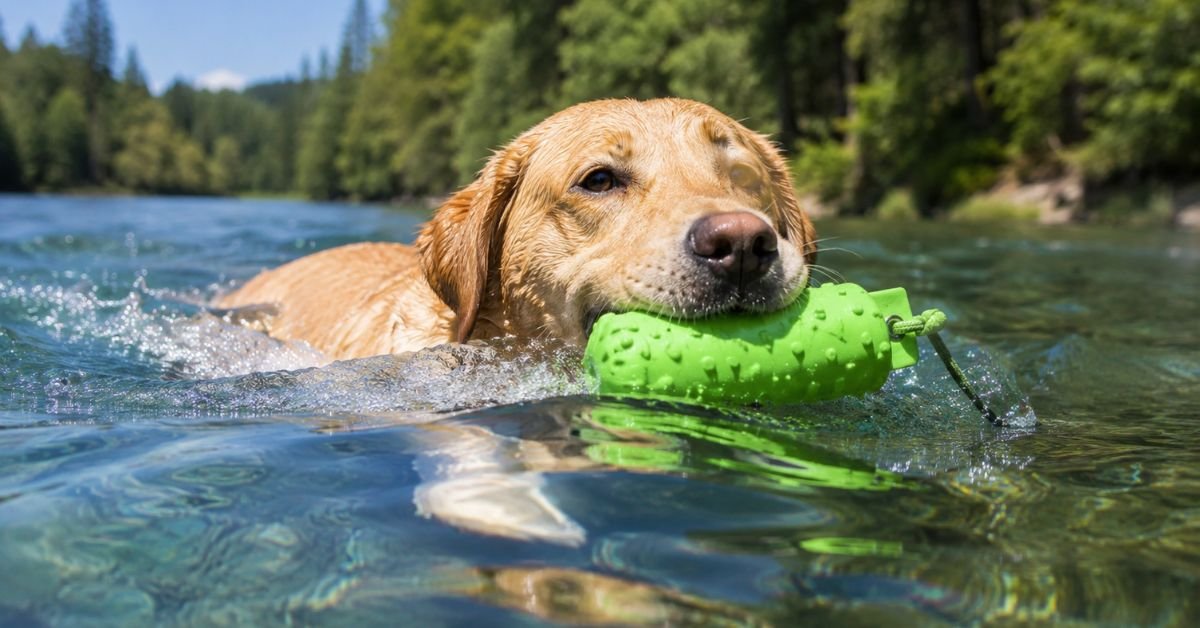
There’s a reason Labradors have webbed feet and a water-resistant double coat. These dogs were literally bred to jump into icy Newfoundland waters and retrieve fishing nets. So when you follow this labrador retriever swimming guide, you might be thinking, “My Lab already knows what to do, right?”
Well… mostly. But knowing how to paddle and swimming safely are two very different things.
In 2026, water safety for dogs has gotten more complex new algae threats, updated vet protocols, and smarter gear mean there’s more to consider than ever. Whether you’re heading to the beach, the lake, or your backyard pool, this guide will make sure every swim is fun, safe, and tail-waggingly good.
Let’s dive in.
Does Your Labrador Actually Like Water? (Don’t Assume)

Most Labs love water but not all of them do, and that’s completely okay.
Some Labrador retriever dog swimming guides are genuinely water-shy, especially if they had a scary experience early on bath time gone wrong, a slippery pool entry, or simply never being exposed to water as puppies. Forcing a reluctant dog into water isn’t just unkind it can create a lasting fear that makes future swimming nearly impossible.
Signs your Lab might be water-hesitant:
- Pulling back on the leash near water
- Trembling or whining at the water’s edge
- Refusing treats when standing near a pool or lake
- Only willing to wade ankle-deep
The fix? Patience and positive association. Start with a kiddie pool in the backyard. Toss their favorite toy just inside the shallow edge. Let them choose when to step in. Never push, pull, or carry them in.
Most hesitant Labs come around sometimes it just takes a few relaxed sessions over a couple of weeks.
Can Labrador Puppies Swim? (Safe Age & What Vets Recommend)
Labrador puppies can safely begin swimming at 3 to 4 months of age, after completing their core vaccination schedules. Shallow water exposure (wading only) can begin as early as 8–10 weeks, but full swimming sessions carry real risks before the 3-month mark.
Why the wait matters:
| Risk Factor | Why It’s Dangerous Before 3–4 Months |
| Muscle fatigue | Puppies exhaust in minutes; paddling becomes drowning risk |
| Incomplete vaccines | Natural water bodies carry Leptospirosis and Giardia |
| Thermoregulation | Puppies cannot efficiently maintain body temperature in water |
| Joint development | Repetitive swim strokes stress underdeveloped growth plates |
The golden rule for Lab puppies: Shallow, warm, supervised, and short. Cap sessions at 10 minutes maximum for puppies under 5 months. Dry them thoroughly ears included immediately after every session.
How to Teach a Labrador to Swim: Step-by-Step Execution Matrix

Teaching a Labrador to swim correctly is a phased process. Use this execution matrix to track progress and know exactly what success looks like at each stage.
| Phase | Action | Success Criteria |
| 1. Location Selection | Choose a calm, shallow entry point gradual lake slope, pool steps, or backyard kiddie pool. No rivers, oceans, or steep drop-offs. | Lab can enter and exit water independently without hesitation |
| 2. Owner Entry | Get in the water first. Wade in calmly, call your Lab with a happy tone, reward every step forward with high-value treats. | Lab follows owner to at least knee-depth water willingly |
| 3. Belly Support | When Lab attempts to swim, gently support hindquarters just beneath the surface so they experience proper horizontal body position. | Lab maintains horizontal swim posture without sinking at the rear |
| 4. Floating Toy Target | Toss a brightly colored floating toy just beyond standing depth. Trigger the retrieval instinct. Keep the first swim under 15 minutes. | Lab completes one full swim-retrieve cycle independently |
| 5. Positive Close | End every session before fatigue sets in. Finish on a successful retrieve, praise heavily, offer a treat. | Lab shows excitement (tail wagging, pulling toward water) at the start of the next session |
Pro tip: Never progress to the next phase until your Lab is relaxed and willing in the current one. Rushing the matrix is the #1 cause of permanent water aversion.
Labrador Swimming Safety Tips You Can’t Skip
These labrador swimming safety tips aren’t optional they’re the difference between a great day and an emergency vet visit.
Always Use a Life Jacket (Yes, Even for Labs)

The best dog life jacket for Labradors is not just for non-swimmers. Even experienced Lab swimmers should wear one in:
- Open water (ocean, large lakes)
- Fast-moving rivers or currents
- Any water deeper than 5 feet
- All boating trips
Look for life jackets with a top grab handle, high-visibility colors, and reflective strips for low-light use.
2026 gear update: Leading brands now produce jackets with quick-dry neoprene panels and integrated GPS clip attachment points. If your Lab falls between sizes, always size up a too-snug jacket restricts the swimming stroke and causes faster fatigue.
Toxic Blue-Green Algae: How to Test Water Before Every Natural Swim

Blue-green algae (cyanobacteria) is a lethal threat to dogs. In 2026, expanded toxic strains have been confirmed across freshwater lakes and ponds in North America, Europe, and Australia driven by rising water temperatures and agricultural runoff. Dogs can die within hours of ingesting contaminated water or licking affected fur.
Pre-swim water safety check run all three steps:
| Check | Method | Pass Condition |
| Visual inspection | Scan surface for greenish, bluish, or brownish paint-like scum or foam | No surface film, unusual color, or foul odor |
| Agency alert | Check your regional environmental agency’s real-time water quality map online | No active bloom advisory for the location |
| Test strip | Use a home algae test strip (available at pet stores, under $15/pack of 10 in 2026) | Strip reads negative for cyanotoxins |
When in doubt, stay out. No swim is worth the risk.
Symptoms of algae poisoning in dogs: vomiting, excessive drooling, seizures, muscle tremors, collapse. If exposure is suspected rinse your dog immediately with clean fresh water and go to an emergency vet. Do not wait for symptoms to worsen.
Current, Tides & Exit Planning
A strong Lab swimmer can still be overcome by an unexpected riptide or river current. Check tide charts before the ocean swims. At rivers, never allow swimming in water moving faster than a brisk walking pace.
Before your Lab enters any body of water, locate the exit point. Dogs cannot climb sheer pool walls or rocky ledges. A pool ramp (the Skamper-Ramp style or 2026 equivalents) is a non-negotiable investment for pool-owning Lab households.
Secondary Drowning in Dogs: 2026 Vet Guidance (The Myth vs. The Real Risk)
Secondary drowning (post-immersion respiratory syndrome) occurs when inhaled water causes delayed lung inflammation, triggering respiratory distress hours after a swim. It is a real condition but far less common than online forums suggest.
It typically occurs when: a dog goes fully underwater unexpectedly and inhales water into the lungs not from normal swimming or swallowing.
Monitor your Lab for these symptoms in the 4–8 hours after any swim:
| Symptom | Urgency Level |
| Persistent coughing or hacking | Call vet within 1 to 2 hours |
| Labored or rapid breathing | Call vet immediately |
| Unusual fatigue, stumbling | Call vet within 1–2 hours |
| Loss of appetite | Monitor; call vet if combined with other symptoms |
| Blue or pale gums | Emergency go to vet now |
The current vet consensus (2026): A Lab that swam confidently, retrieved happily, and exited the water normally has an extremely low secondary drowning risk. If your Lab went underwater unexpectedly, coughed heavily during the swim, or seems lethargic and “off” afterward call your vet immediately. Don’t wait it out.
Normal post-swim exhaustion is just a well-exercised Lab. Enjoy the quiet.
Post-Swim Ear Care for Dogs: The Step That Prevents Costly Infections

Labradors are anatomically predisposed to otitis externa (ear canal infection) due to their pendulous ear flaps, which trap moisture against the canal after swimming. Without a consistent post-swim routine, recurring ear infections are nearly inevitable in Labs that swim regularly.
Complete post-swim ear care protocol:
| Step | Action | Notes |
| 1 | Dry the outer ear flap with a soft absorbent towel | Do this within 2 minutes of exiting water |
| 2 | Apply 3–5 drops of vet-approved ear drying solution into the canal | Ask your vet for a specific product recommendation |
| 3 | Massage the base of the ear firmly for 30 seconds | You should hear a squelching sound that’s normal |
| 4 | Step back and let your Lab shake vigorously | This expels loosened moisture naturally |
| 5 | Never insert cotton swabs into the ear canal | Swabs compact debris deeper and cause micro-tears |
For Labs swimming more than twice per week: Use a preventative ear cleaner after every single session. The 60-second routine prevents weeks of infections, vet visits, and expensive antibiotic ear drops.
Early infection warning signs: redness inside the ear flap, foul or yeasty odor, excessive head shaking or pawing at the ear, or discharge. Catch it early a simple cleaner fixes early-stage irritation; a full infection requires prescription treatment.
2026 Eco-Friendly Gear Guide for Swimming Labs
The pet gear industry has evolved significantly. These are the categories worth investing in this year:
Self-Drying Microfiber Vests
Wearable post-swim wraps that wick moisture from the coat in 20 to 30 minutes. Leading brands in 2026 manufacture these from recycled ocean plastic functional and environmentally responsible. Far more effective than chasing a soaking Lab around the yard with a regular towel.
Eco-Safe Dog Sunscreen
Dogs require UV protection on low-fur areas nose, ear tips, and belly. In 2026, reef-safe, biodegradable dog-specific sunscreen formulas are widely available. Never use human sunscreen on dogs zinc oxide and PABA, found in most human products, are toxic to dogs even in small amounts.
Dog Water Shoes
Genuinely useful for Labs swimming near rocky lakebeds or coral areas. Look for neoprene soles with built-in drainage holes. Introduce them during land walks first dogs that are desensitized to footwear on dry ground tolerate them far better in water.
Portable Canine Water Filters
Compact trail-ready filtration systems allow your Lab to drink clean water near any swim location, eliminating the risk of them gulping from potentially algae-contaminated or bacteria-rich natural sources.
How Long Can a Labrador Safely Swim?
Safe swim duration depends on age, fitness level, and water conditions. Use this table as your baseline always build up gradually across multiple sessions.
| Age / Condition | Recommended Max Swim Duration |
| Puppy (under 5 months) | 10 minutes maximum |
| Young adult (1–3 years) | 30 to 45 minutes with rest breaks |
| Prime adult (3–7 years) | Up to 60 minutes with rest breaks |
| Senior (8+ years) | 15 to 20 minutes, calm conditions only |
| Any dog — first swim ever | 15 minutes maximum, regardless of age or fitness |
Never push past these limits based on how enthusiastic your Lab appears. Labs will swim past the point of safe exhaustion their retrieval drive overrides their fatigue signals. You are their safety net.
Post-Swim Checklist: Before You Leave the Water
Run through this every single time:
- Rinse with fresh water removes chlorine, salt, algae residue, and lake bacteria from coat and skin
- Dry and treat ears follow the full ear care protocol above
- Inspect paws check for cuts, lodged pebbles, or raw skin between paw pads
- Check eyes brief mild redness is normal; persistent squinting, swelling, or discharge warrants a vet call
- Provide fresh drinking water swimming dogs dehydrate; never let them drink from the swim source
- Allow rest a full swim session is genuine cardiovascular exercise. Your Lab earned the nap.
Conclusion:
Swimming with your Labrador is more than exercise it is one of the purest forms of bonding available to a dog and owner. The full-sprint dash to the water’s edge, the focused lock on a floating toy, the triumphant return shaking water everywhere these are the moments that define Lab ownership.
By applying the structured training matrix, following the safety protocols, staying ahead of 2026’s modern water hazards, and respecting your individual dog’s pace and comfort, you are building the foundation for years of joyful, safe aquatic adventures together.
Go at their pace. Keep it safe. And bring at least three towels you’ll use all of them.
Happy swimming.
Frequently Asked Questions (FAQs)
1. At what age can a Labrador puppy start swimming?
Labrador puppies can safely begin swimming at 3 to 4 months of age, after completing their core vaccination schedule. Shallow wading can begin as early as 8–10 weeks in controlled, clean environments. Keep all sessions under 10 minutes until 5 months of age, and never allow access to natural water bodies (lakes, ponds, rivers) before vaccinations are complete due to Leptospirosis and Giardia risk.
2. Do Labradors need a life jacket?
Yes even strong Lab swimmers benefit from a life jacket in open water, on boats, in rivers with current, or any unfamiliar environment. The best dog life jacket for Labradors includes a top grab handle for emergency extraction, high-visibility color, and reflective strips. In 2026, models with quick-dry neoprene and GPS clip points offer the highest safety standard.
3. How do I prevent ear infections after swimming?
Dry the outer ear flap immediately after every swim, apply a vet-approved drying solution to the ear canal, massage the base for 30 seconds, and let your Lab shake naturally. Never use cotton swabs inside the canal. Labs swimming more than twice per week should receive preventative ear cleaner treatment after every session to avoid chronic otitis externa.
4. What if my Labrador is scared of water?
Never force a water-shy Lab into swimming it will deepen the fear and may make the aversion permanent. Instead, use the phased execution matrix above: start with a backyard kiddie pool, use high-value treats, enter the water yourself to model confidence, and let your Lab set the pace entirely. Most water-hesitant Labs respond within two to four patient sessions when pressure is completely removed.
5. How do I know if a lake or pond is safe for my Lab to swim in?
Run three checks before every natural water swim: visually inspect the surface for blue-green algae (paint-like scum, unusual color, foul smell), check your regional environmental agency’s real-time water quality map, and use a home algae test strip (available at pet stores in 2026 for under $15 per pack). If any check raises a concern, do not allow your Lab to enter. Cyanotoxin poisoning can be fatal within hours.