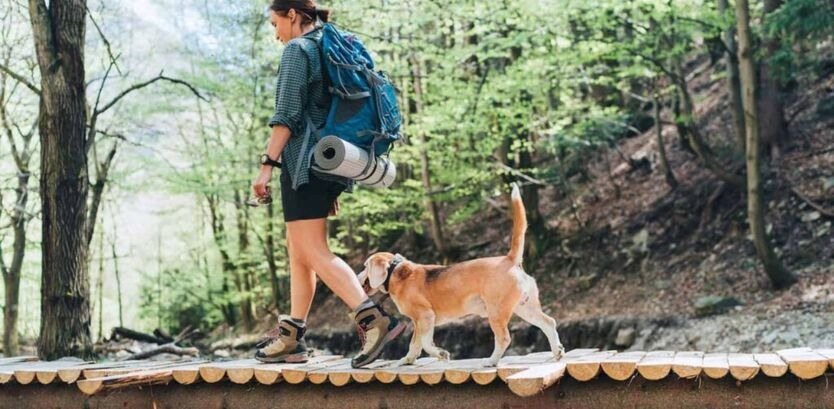
Hiking with a dog is awesome, but it is without a doubt more complicated than hiking alone. There is something truly special about watching a dog experience the wild. Their ears perk up at sounds we cannot hear, and their noses twitch at scents we will never know.
I have spent a lot of time on trails like the Appalachian Trail, and I have learned that bringing a furry friend changes everything. You are never alone, and even the toughest, muddiest days feel better when you have a happy dog by your side. You get extra snuggles, extra warmth at night, and a partner who is always excited to see what is around the next bend.
However, hiking with dogs demands special preparation and considerations. Beagles, in particular, bring a unique set of skills and challenges to the mountain. They are legendary for their “follow your nose” spirit. While that makes them great explorers, it also means they need a bit of extra guidance to stay safe.
The goal is to have fun with your best buddy while keeping them healthy and minimizing their impact on nature. This guide will walk you through everything you need to know about hit the trails with your hound. From managing that relentless scent drive to protecting those agile joints, we have you covered.
Can Beagle Dog Hike
If you are wondering if your Beagle is up for a mountain adventure, the answer is a resounding yes. Beagles were bred for long days in the field. They have incredible stamina and a sturdy build that makes them natural athletes. They are not just “lap dogs” who happen to like the backyard; they are true hounds built for movement.
A healthy adult Beagle can usually handle several miles of hiking without much trouble. Their size is actually a big advantage on the trail. They are small enough to be lifted over a fallen log or a rushing stream if needed, but they are hardy enough to scramble over rocks on their own.
Because they are scent hounds, their energy often comes from their brain as much as their muscles. A hike is like a giant puzzle for a Beagle. Every new smell gives them a “job” to do. This mental stimulation helps tire them out just as much as physical walking does.
However, you have to consider the weather and the terrain. Beagles have relatively short coats. While this makes them easy to clean after a muddy hike, it means they can get cold in high altitudes or snowy conditions. They also have those iconic long, floppy ears that can get caught on brambles or thick brush if you aren’t careful.
Before you head out, always consider your dog’s current fitness level. Just because they are a Beagle doesn’t mean they can go from the couch to a ten-mile mountain trek in one day. Start with shorter walks and slowly build up their endurance so their muscles and paw pads can get used to the rougher ground.
Hiking With Beagle Dog Puppy
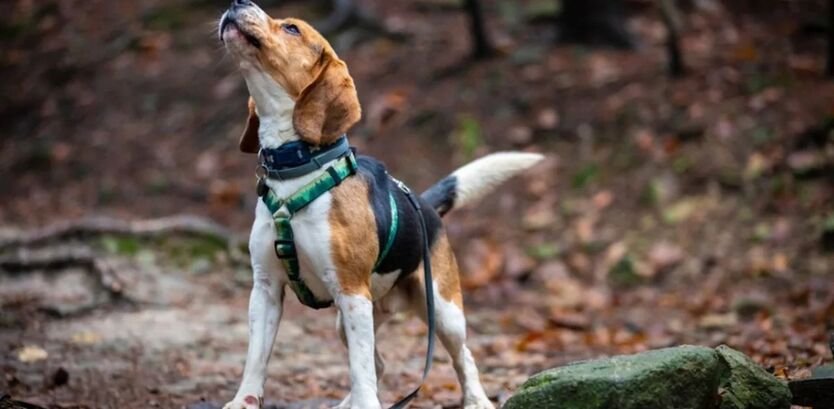
Taking a Beagle puppy on a hike is an exciting way to start their life of adventure, but you have to be very careful. Puppies are not just small versions of adult dogs. Their bodies are still growing, and their bones are not fully hardened yet.
When it comes to hiking with a Beagle dog puppy, the most important rule is to keep it short. Their growth plates are sensitive. If a puppy exercises too hard for too long on rough terrain, it can cause permanent damage to their joints. A general rule is five minutes of exercise for every month of age, twice a day.
Socialization is another big reason to take a puppy on the trail. You want them to get used to the sounds of the woods, the sight of other hikers, and the feeling of different surfaces like gravel, mud, and grass.
Always keep your puppy on a leash. Since Beagles are born hunters, a puppy will want to chase every leaf that blows by. If they are off-leash, they could easily trip or tumble into a hole while distracted. Use a harness rather than a collar for a puppy to protect their neck if they suddenly lunge at a butterfly.
Remember to bring plenty of water and snacks for them. Puppies burn through energy very fast and can get dehydrated or tired much quicker than an adult. If your puppy sits down and refuses to move, do not force them. It is time to carry them or turn back. Their “off switch” is very sudden!
Beagle Dog Walking Guide
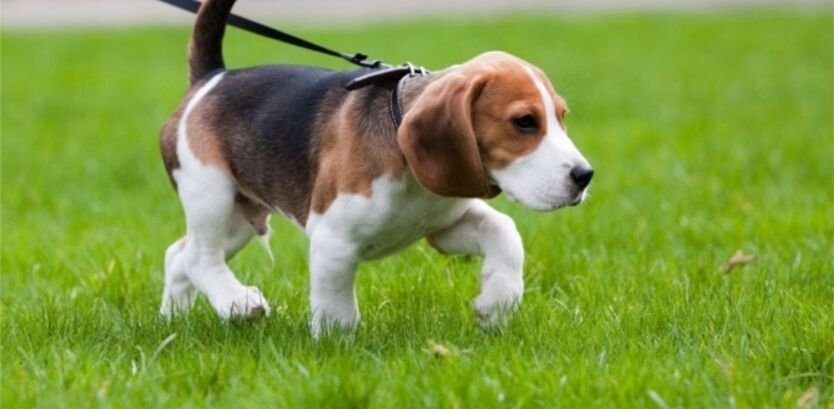
Walking a Beagle is different from walking a Golden Retriever or a Lab. For a Beagle, a walk is a mission. Their nose hits the ground the moment they step outside, and they stay in that “scent zone” until they get back home. This is why a specific Beagle dog walking guide is so important.
The most important rule for walking or hiking with a Beagle is this: they must stay on a leash. Beagles have been bred for hundreds of years to follow scents. When they catch a trail, their brain switches off everything else. They won’t hear you call them, and they won’t look for cars. They are simply “on the job.”
Even the best-trained Beagle can disappear into the brush in seconds if they smell a rabbit. To keep them safe, use a sturdy six-foot leash. Retractable leashes are usually a bad idea on hiking trails because they can get tangled in bushes or snap if the dog lunges suddenly.
Training a Beagle to walk politely can be a challenge. They are known for being stubborn. This isn’t because they aren’t smart; it is because they are independent thinkers. They would often rather follow a smell than listen to a command.
Using high-value treats is the secret to a successful walk. Since Beagles are very food-motivated, carrying pieces of dried liver or cheese can help keep their attention on you. Use these treats to reward them when they look up at you or walk with a loose leash.
Beagle Dog Hike
When you are actually out on a Beagle dog hike, preparation is your best friend. Your gear list will be a bit longer than if you were going alone. You have to think about food, water, safety, and waste management.
First, let’s talk about water. You should never let your Beagle drink from stagnant ponds or puddles. These can carry parasites like Giardia that can make your dog very sick. Always carry enough fresh water for both of you and bring a collapsible bowl for easy drinking.
Food is another big factor. Hiking burns a lot of calories. If you are going on a long trek, your Beagle will need extra food. However, don’t feed them a huge meal right before a steep climb, as this can cause stomach upset. Smaller, frequent snacks are better for keeping their energy levels steady.
Paw protection is something many owners forget. Rugged paths can be sharp or hot. In the winter, ice and salt can irritate their paws. You might want to try dog boots, though many Beagles find them funny at first. If they won’t wear boots, a paw balm can provide a protective layer against the elements.
Lastly, you have to manage the “vocal” side of the Beagle. They are famous for their baying and howling. While it is a beautiful sound in the woods, it can bother other hikers or spook wildlife. Keep your dog calm and focused to prevent them from “singing” to every squirrel they see.
Beagle Dog Good Hiking Dogs
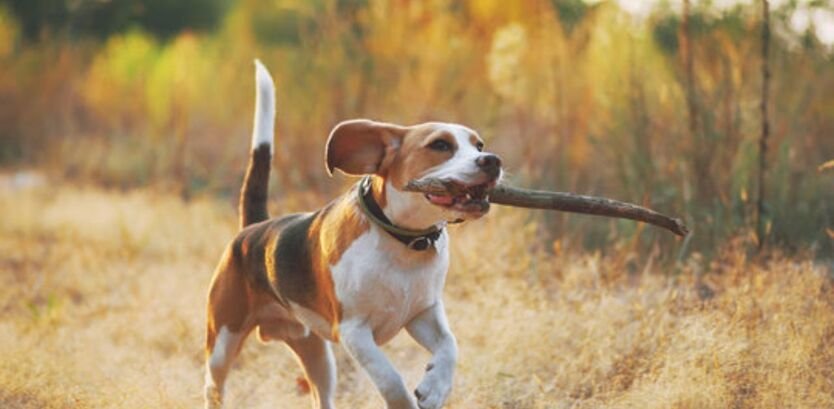
So, are Beagles good hiking dogs? Absolutely! They bring a sense of joy and curiosity to the trail that is contagious. Their compact size makes them great for travel, and their sturdy nature means they can handle most moderate trails with ease.
One of the best things about Beagles is their attitude. To a dog, there are no bad days on the trail. Even if it is raining and you are tired, your Beagle will be wagging that white-tipped tail, ready to see what is around the next corner. They are excellent at boosting morale.
However, they are “high maintenance” in terms of attention. You cannot just let a Beagle roam the campsite while you set up your tent. They need to be tethered or in a secure area at all times. Their drive to wander is just too strong to ignore.
They also require a bit of extra grooming after a hike. Those long ears often sweep the ground, picking up burrs, ticks, and dirt. After every hike, make sure to do a “nose-to-tail” check. Look inside their ears and between their toes for any hitchhikers like ticks or sharp seeds.
Safety and Survival on the Trail
Safety is the number one priority when exploring the wild with your Beagle. Because Beagles are so low to the ground, they encounter things that we might miss from our height. This includes snakes, sharp rocks, and poisonous plants.
One of the biggest risks on the trail is the local wildlife. A Beagle’s instinct is to chase. If they see a coyote, a bear, or even a raccoon, they may try to engage with it. Keeping them on a short leash is the only way to prevent a dangerous confrontation.
You should also be aware of the “leave no trace” principles. This means picking up after your dog. Dog waste can introduce non-native bacteria into the wilderness and can disrupt the local ecosystem. Carry poop bags and a dedicated container to pack out whatever your dog leaves behind.
Another safety concern is trail etiquette. Not everyone loves dogs, and some people are even afraid of them. Always yield to other hikers and keep your Beagle close to your side when passing people. If you see horses on the trail, move well off to the side and keep your dog calm, as a barking Beagle can easily spook a horse.
Lastly, make sure your Beagle is wearing a collar with up-to-date ID tags. Even better, make sure they are microchipped. If the unthinkable happens and your dog gets loose, having clear identification is the fastest way to get them back home.
Essential Gear for Beagle Adventures
To have a successful hike, you need the right tools. While you don’t need to spend a fortune, a few key items will make the trip much more comfortable for your hound.
- A Y-Shaped Harness: This type of harness allows for full shoulder movement. It is much better for hiking than a standard collar because it won’t choke your dog if they pull or if you need to help them up a steep ledge.
- Collapsible Water Bowl: These are lightweight and clip right onto your backpack. They are much more convenient than trying to pour water into your hands for your dog to drink.
- Dog First Aid Kit: This should include things like tweezers for ticks, antiseptic wipes, self-adhesive bandages, and a small bottle of saline to wash out their eyes or ears.
- High-Visibility Gear: If you are hiking during hunting season or in low-light conditions, a bright orange vest for your Beagle is a must. Since they are small, they can easily blend into the brush.
- A Long-Line Leash: For breaks at the campsite or at the summit, a 15-foot long line can give them a little more freedom to explore while still staying safely attached to you.
Understanding the Beagle Scent Drive
The most unique thing about hiking with a Beagle is their nose. They have roughly 220 million scent receptors. For comparison, humans only have about 5 million. When they are on a trail, they are essentially “reading” a story that we can’t see.
This drive is so powerful that it can actually cause a Beagle to go into a “trance.” You might notice their tail starts wagging in a specific circular motion, or they start letting out little whines. This means they have found something very interesting.
While it is tempting to let them sniff everything, you have to be the leader. If you let them stop every five seconds, you will never reach the summit! Set boundaries by allowing “sniff breaks” every mile or so. This rewards their natural instincts without letting the nose take over the entire hike.
Understanding this drive also helps you prepare for their behavior. If a Beagle suddenly stops and stares into the woods, they likely smell something you haven’t seen yet. Pay attention to their body language; they are often the best early-warning system you have for wildlife nearby.
Managing Joint Health and Recovery
Because Beagles are active dogs, their joints take a lot of impact, especially on rocky trails. Protecting their long-term health means being proactive about how they recover after a long day of hiking.
After a hike, give your Beagle a gentle massage. Focus on their shoulders and hips, which do most of the work during climbing. Look for any signs of stiffness or limping. If your Beagle seems unusually sore the next day, it might be a sign that you pushed them a little too hard.
Nutrition also plays a role in joint health. Many hikers add a joint supplement like glucosamine to their dog’s diet, especially as they get older. This helps keep the cartilage healthy and reduces inflammation after exercise.
Don’t forget the importance of a good rest. After a big weekend on the trails, your Beagle will likely sleep for the next two days. This is normal! Their bodies need time to repair and recharge. Make sure they have a soft, warm place to sleep where they won’t be disturbed.
Weather and Seasonal Considerations
Different seasons bring different challenges for Beagle hikers. In the spring, the biggest issues are mud and ticks. Beagles are the perfect height to brush against tall grass where ticks wait for a host. Always use a high-quality flea and tick preventative.
Summer brings the risk of heatstroke and burnt paws. Always test the ground with the back of your hand. If it is too hot for you to hold your hand there for five seconds, it is too hot for your dog’s paws. Stick to forest trails with lots of canopy cover to keep them cool.
Fall is often the best time for hiking, but you have to watch out for fallen leaves that can hide holes or slippery rocks. It is also the time when wildlife is most active as they prepare for winter, so keep those leashes tight.
Winter hiking can be fun, but Beagles need protection. A fleece-lined jacket will help them maintain their body heat. Watch out for “ice balls” that can form between their paw pads. If your dog starts lifting their paws or shivering, it is time to head back to the car.
Conclusion
Hiking with your Beagle is one of the best ways to bond and enjoy the great outdoors. By following these beagle dog hiking tips, you can ensure that every trip to the mountains is safe, fun, and full of wagging tails. Your Beagle is more than just a pet; they are a fellow explorer ready to conquer the world, one scent at a time!
Frequently Asked Questions
How far can a Beagle hike in one day?
Most healthy adult Beagles can comfortably hike between 5 to 10 miles, depending on the terrain and weather. If the trail is very steep or rocky, they might tire out faster. Always watch for signs of fatigue, such as lagging behind or heavy panting, and take plenty of breaks.
What should I do if my Beagle catches a scent and won’t move?
This is common! Beagles can get “stuck” on a smell. To get them moving again:
- Use a high-value treat to lure their nose away from the ground.
- Gently change direction to break their focus.
- Use a consistent command like “Let’s go” followed by a reward.
- Never jerk the leash harshly; be patient but firm.
Are Beagles okay to hike in hot weather?
Beagles can handle some heat, but they can overheat quickly because they work so hard. Avoid hiking in the middle of the day during summer. Stick to shaded trails and ensure they have access to water at all times. If their tongue is hanging out very far and looks bright red, it is time to find shade and cool down.
Do I really need a harness for hiking?
While a collar is fine for ID tags, a harness is much safer for hiking. It gives you better control if your Beagle lunges at a scent and prevents pressure on their throat. A harness with a handle on the back is especially helpful for lifting them over obstacles.
How do I keep my Beagle safe from wildlife?
The best way to keep them safe is to keep them on a leash. Beagles will naturally want to follow the scent of deer, bears, or coyotes. A leash prevents them from running into a dangerous encounter. Additionally, make sure your dog is up to date on all vaccinations and heartworm prevention before heading into the woods.