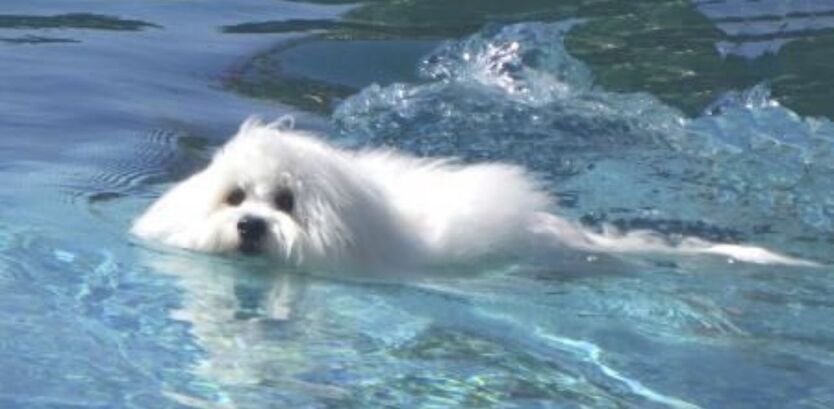
Many dogs like water but, of course, there are exceptions. Certain dog breeds dislike swimming because their bodies are simply not built for it. They struggle to stay afloat, breathe normally, or regulate their temperature, turning swimming into an unpleasant experience. That’s why you should always consider your pal’s physical characteristics before taking them to the beach or pool.
This guide focuses on the individual characteristics of the Bichon Frise that will help you to understand why so many people walk around with fluffy-looking dogs that actually have all the positive qualities of a brave explorer. Considering how popular the phrase “dog paddle” is, most people assume that all dogs are natural swimmers.
However, depending on their breed, the size of their legs, or how much body fat they have, dogs may have difficulty swimming. Forcing your dog into the water is never a good idea but there are ways to help your dog become a better swimmer. Keep in mind some breeds are just not suited for swimming so talk with your veterinarian if you have any concerns.
Just when you think you’ve gotten all the dog breeds figured out, you take a look at a dog that looks like a Maltese and find out that it’s not a Maltese at all. It’s actually a Bichon Frise. Fantastic! More time studying dog breeds is clearly called for, which means you get to expand your knowledge of pets just a little more.
Okay, so maybe not everyone likes homework. With that in mind, let’s get it all out of the way and focus on this curious dog known as the Bichon Frise, French for “curly white lap dog.” Hey, the French are nothing if not a little bit literal.
This dog can be considered a large toy dog and, while it looks similar to the Maltese, does have some distinctions that make it a breed in and of itself. And although the fluffy white coat can intimidate potential dog owners who don’t like the idea of a lot of grooming, the Bichon Frise is surprisingly low-maintenance. They’re not big shedders and won’t be a hamper on that roommate of yours with dog allergies.
Can Bichon Frise Swim?
The short answer is yes, a Bichon Frise can swim. However, it is important to remember that they were not specifically bred for water retrieval like Labradors or Poodles. While they have the physical ability to move their legs and stay afloat, their experience in the water depends heavily on their individual personality and how they are introduced to the pool or lake.
Bichons are sturdy little dogs. They have a solid build that provides a good foundation for physical activity. Unlike some extremely top-heavy breeds, the Bichon is relatively well-balanced. This balance helps them maintain a level position in the water, which is the first step toward successful swimming.
That being said, their thick, double coat can become a bit of a challenge. When that famous white fur gets soaking wet, it becomes very heavy. Imagine trying to swim while wearing a thick wool sweater. This added weight can tire a small dog out much faster than a dog with a sleek, short coat.
So, while they can swim, they are not marathon swimmers. They are more like casual splashers who enjoy a bit of cooling off rather than a long-distance trek across a lake. Your role as a pet parent is to ensure that their “can do” attitude is supported by safe environments.
Bichon Frise Puppies Swimming
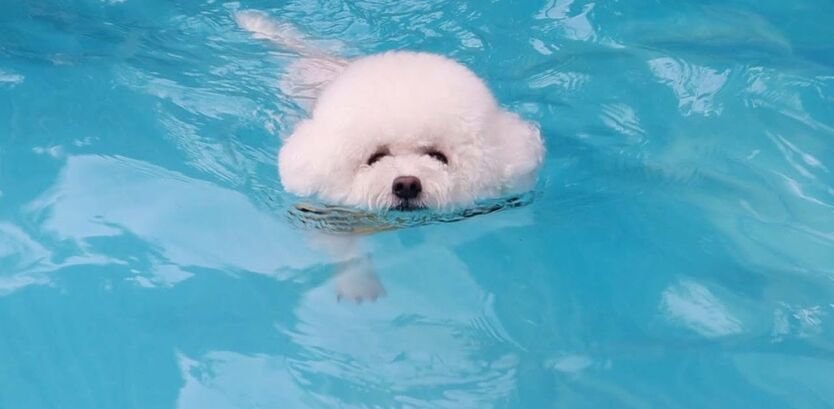
Starting your Bichon Frise on their swimming journey while they are puppies is a fantastic idea. This is the stage where they are most curious and willing to learn. However, you must be extremely gentle and patient. A bad experience in the water as a puppy can lead to a lifetime of fear.
For a Bichon puppy, the “pool” should start as a shallow plastic container or a very low-entry bathtub. The water should only reach their mid-chest. This allows them to feel the sensation of water on their paws and belly without the panic of losing their footing.
Safety is the number one priority for puppies. Their muscles are still developing, and they can tire out in a matter of seconds. When you are working with a puppy, always keep your hands under their belly for support. Even if they are paddling well, that physical touch gives them the confidence they need to keep going.
Keep sessions very short. Five minutes of positive splashing is much better than twenty minutes of stressful paddling. Reward every tiny milestone with a high-value treat. If they even just step into the water willingly, that is a massive win!
Remember that puppies are also more sensitive to temperature. Ensure the water is lukewarm. Cold water can be a shock to their small systems and might make them associate the water with being uncomfortable.
Are Bichon Frise Good Swimmers?
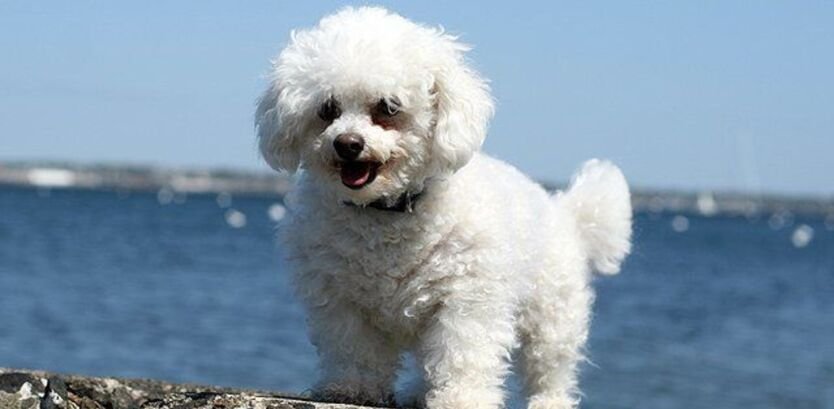
Whether or not a Bichon Frise is a “good” swimmer is often a matter of opinion. Compared to a Bulldog, they are Olympic athletes. Compared to a Portuguese Water Dog, they are beginners. Generally, they are considered average swimmers who can become quite proficient with the right training.
One factor that makes them “good” is their high intelligence and desire to please their owners. Because they are so bonded to their humans, they will often try new things just because you are doing them. If you are in the water and calling them with a happy, excited voice, they are much more likely to give it a try.
Their athletic nature also helps. People often mistake the Bichon for a delicate “purse dog,” but they are actually quite agile. They have a history of performing in circuses, which means they have great coordination. This coordination translates well to the “doggy paddle” motion.
However, a “good” swimmer still needs a life jacket. Because of their small size and the weight of their wet fur, even a good swimmer can get into trouble if they get a cramp or get spooked. A life jacket with a handle on the back is a game-changer for this breed.
Bichon Frise Swimming Ability
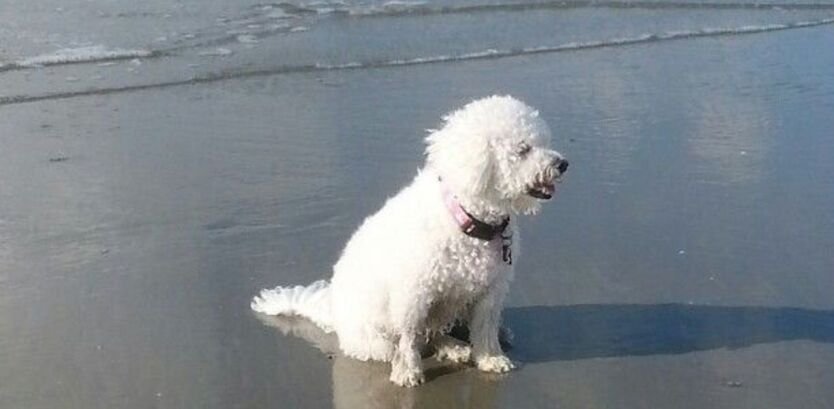
The swimming ability of a Bichon Frise is influenced by their unique physical traits. Let’s look at the mechanics of how they move. Their legs are proportional to their bodies, which gives them a decent amount of thrust. They don’t have the “sinking” problem that breeds with very short legs and heavy chests often face.
Their coat is a major factor in their ability. The Bichon has a soft undercoat and a curly outer coat. While this makes them look like a cloud, it acts like a sponge in the water. As the coat absorbs water, the dog’s buoyancy decreases. This means the dog has to work harder just to keep its head above the surface.
To improve their swimming ability, consistency is key. Regular, short sessions help build the specific muscles needed for swimming. It’s a different kind of workout than walking or running. It builds core strength and improves cardiovascular health without putting stress on their joints.
Always monitor their breathing. Because they are working hard against the weight of their fur, they may start to pant quickly. If you see their “butt” starting to sink lower in the water, it’s a sign that their back legs are getting tired. This is the signal to end the session immediately.
Bichon Frise Swimming Facts
Understanding the “why” behind their behavior can help you be a better coach. Here are some interesting facts about the Bichon Frise and their relationship with water:
- Ancestry Matters: The Bichon Frise is part of the Barbichon group, which includes the Havanese and Maltese. These dogs were often used as sailing dogs and companions to sailors in the Mediterranean. This maritime history means the “water gene” is buried somewhere in their DNA!
- The “Bichon Buzz”: Many owners notice that after a bath or a swim, their Bichon gets a sudden burst of energy, running around the house at top speed. This is often called the “zoomies” or the “Bichon Buzz.” It’s a natural way for them to dry off and release the adrenaline from the activity.
- Hypoallergenic Challenges: While their coat is great for people with allergies, it doesn’t shed. This means that any chlorine or salt from the water gets trapped in the curls. You must always rinse them thoroughly with fresh water after a swim to prevent skin irritation.
- Ear Health: Like many dogs with floppy ears, Bichons are prone to ear infections. Water can easily get trapped in the ear canal during a swim. It is vital to dry their ears carefully with a soft cloth after every water session.
- Buoyancy Issues: Because they are lean and muscular, they don’t have a lot of body fat. Fat helps with floating. This is another reason why a life jacket is highly recommended for the breed.
Training Tips for Success
Teaching your Bichon to swim should be a step-by-step process. Never throw your dog into the water. This is dangerous and cruel. Instead, follow these simple steps:
- Start on Land: Put their life jacket on them at home. Let them walk around, eat treats, and play while wearing it so they realize it isn’t a scary thing.
- The Shallow Entry: Find a spot with a gradual entry, like a beach or a walk-in pool step. Let them choose to get their paws wet.
- Use Motivation: Bring their favorite floating toy. Toss it just a few inches away into the water.
- The Support Lift: Once they are deep enough to paddle, place one hand under their chest and one under their belly. Help them feel what it’s like to float.
- The Exit Strategy: Always show them exactly where the stairs or the shore are. They need to know how to get out of the water as much as how to get in.
Safety Gear Essentials
You wouldn’t go mountain climbing without a rope, and your Bichon shouldn’t go swimming without the right gear.
A high-visibility life jacket is the most important item. Look for one that is bright orange or yellow so you can see them easily. Ensure it has a sturdy handle on the top. This allows you to pluck them out of the water quickly if a boat goes by or if they look tired.
Next, you need a long training lead if you are in open water. This ensures they don’t drift too far away while they are still learning. Avoid retractable leashes, as these can get tangled easily in the water.
Finally, have a “Bichon Station” ready on the shore. This should include:
- Two plush, quick-dry towels.
- A bottle of fresh drinking water (to keep them from drinking pool or lake water).
- Ear cleaning solution.
- A brush to detangle the coat once it’s dry.
Post-Swim Care
The work isn’t over when the swimming ends. Because the Bichon has such a unique coat, post-swim care is essential for their health.
First, do a full “fresh water rinse.” You want to get all the chemicals, salt, or lake bacteria out of their fur. If you leave these in, your Bichon might start scratching, leading to “hot spots” or skin infections.
Dry the ears immediately. Use a cotton ball (don’t stick it deep in the ear) to absorb moisture from the outer part of the ear. If their ears stay damp, yeast will grow, and that leads to a vet visit.
Lastly, don’t brush the coat while it is soaking wet and tangled. Pat them dry with a towel first. Once they are “damp-dry,” you can use a leave-in conditioner spray to help work through any knots that formed during the swimming session.
Conclusion
Mastering the water with your Bichon Frise is all about patience, safety gear, and lots of praise. With their spirited nature and your guidance, your fluffy friend can become a confident little water explorer in no time.
Frequently Asked Questions
Do all Bichon Fries like water?
Not necessarily. While many do enjoy it, some Bichons are naturally more timid. Every dog has a unique personality. If your dog shows signs of extreme stress, like shaking or tucking their tail, don’t force them. They can have a perfectly happy life staying on the dry sand.
How long can a Bichon Frise swim for?
For beginners, 5 to 10 minutes is plenty. Even for “pro” swimmers, 20 minutes is usually the limit. Their heavy coat and small size mean they use up energy much faster than we do. Always watch for signs of fatigue.
Is pool water safe for my Bichon?
Yes, in small amounts. However, you should discourage them from drinking the pool water as the chlorine can upset their stomach. Always have a bowl of fresh, clean water nearby so they have a better option to stay hydrated.
Can I take my Bichon swimming in the ocean?
Yes, but you must be very careful with waves and currents. A small wave that looks tiny to us can be a wall of water for a 12-pound dog. Stick to calm bays or very shallow tide pools where the water isn’t moving quickly.
What if my Bichon won’t use their back legs when swimming?
This is common! Many dogs only use their front legs at first. This is called “vertical swimming” and it’s very tiring. Gently tickle their back paws or support their belly to help them level out. Once they feel level, they will naturally start to use their back legs for balance.