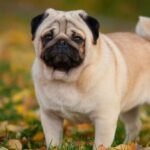
Whether you’ve never had a dog before or you’re a seasoned pet owner, there’s something undeniably captivating about the Bulldog breed. With their iconic grumpy-yet-charming face, powerful build, and signature waddle, Bulldogs have captured hearts around the globe. They are truly a ‘gentle giant’ packed into a low-slung, compact frame.
This breed often carries a misleading look of perpetual seriousness, but beneath the deep wrinkles is one of the most devoted, comical, and overwhelmingly affectionate companions you could ask for. They are beloved mascots, cherished family members, and historical icons.
If you’re considering welcoming one of these fascinating dogs into your life, you need to be prepared for both the incredible joy and the very specific care they require.
This comprehensive guide covers everything from the ancient roots of the Bulldog breed history to practical tips on Bulldog food and nutrition, common Bulldog health issues, and essential Bulldog grooming guides. Let’s dive into the world of this unique and lovable dog.
Bulldog Breed History
The history of the Bulldog breed is a story of transformation, moving from a brute of the arena to a beloved companion of the hearth.
The Early, Brutal Beginnings
The Bulldog’s origins trace back to the British Isles. The name “bull dog” actually came from the breed’s original use in a cruel and bloody sport called “bull-baiting.” This activity involved a Bulldog fighting a bull, often to the death, and was popular in England from the 13th century until it was outlawed.
These early Bulldogs were vastly different from the sweet dogs we know today. They were fiercer, taller, and bred specifically for aggression, strength, and incredible jaw power. They needed to be tenacious and insensitive to pain to excel in the ring.
A Breed Transformed
Thankfully, public outcry and changing laws led to the ban of bull-baiting and similar blood sports in England by 1835. This was a critical point for the breed. With their original purpose gone, the Bulldog’s numbers began to decline dramatically.
Dedicated admirers of the breed, however, saw the potential for a wonderful companion under the tough exterior. They began the long, careful process of selective breeding. They focused on eliminating the aggression and exaggerating the gentle, loyal qualities that were already present in the dogs.
Crossing the Atlantic and Gaining Popularity
The Bulldog arrived in America and was officially recognized by the American Kennel Club (AKC) in 1886. As the dogs became calmer, they evolved into the distinct, stout, and wrinkled charmers we recognize today.
This transformation cemented their status as a national symbol in both Britain and the United States, representing courage and steadfastness. Today, the Bulldog breed is one of the most popular family pets in the world.
Understanding the Different Bulldog Types
When people say “Bulldog,” they usually mean the English Bulldog (or simply Bulldog). However, the word applies to several related breeds, each with its own specific charm and requirements:
- English Bulldog: The classic, wrinkled breed. They are medium-sized, low to the ground, and known for their calm, docile nature.
- French Bulldog (Frenchie): Smaller than the English Bulldog, defined by their trademark “bat ears” and playful, clownish personalities. They are extremely popular companion dogs.
- American Bulldog: Much larger, more athletic, and taller than their English cousins. They have a stronger prey drive and need more exercise and experienced handling. They are excellent working dogs and guardians.
- Olde English Bulldogge (OEB): This is a newer breed developed to recreate the look of the 18th-century Bulldog but with a much healthier constitution and less severe breathing issues than the modern English Bulldog.
Bulldog Breed Characteristics
The Bulldog breed characteristics are what make them so unique. From their physical appearance to their endearing personality, everything about them is distinct.
Physical Traits
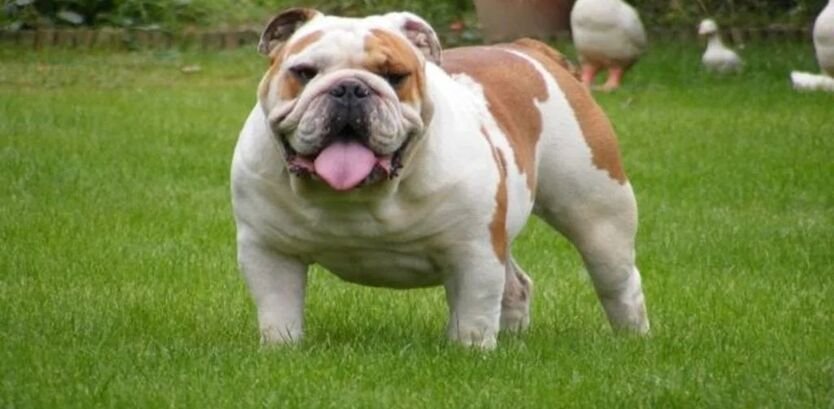
A Bulldog is a walking contradiction: powerfully built but surprisingly compact.
- Head and Face: The most defining feature is the massive, broad head and the short, flat muzzle. They have what is called a “brachycephalic” (flat-faced) skull shape. Their lower jaw usually sticks out past the upper, giving them that classic underbite and sometimes a permanent, charming scowl.
- Wrinkles and Skin: They possess loose, thick skin, especially around the head, neck, and shoulders, resulting in deep, pronounced wrinkles or “ropes.”
- Body: They are famous for their stout, stocky, and muscular bodies. They are low to the ground and possess broad shoulders and powerful legs, leading to their characteristic waddling gait.
- Tail: Their tail is naturally short and can be straight, but it is often curled, screwed, or tight to the body.
Temperament and Personality
The modern Bulldog’s temperament is its greatest asset. They are universally known as affectionate and gentle dogs.
- Docile and Calm: Bulldogs are generally very calm and low-energy. They are perfectly content to be lap dogs, even though they weigh quite a bit! They are often described as “nanny dogs” because of their patient nature with children.
- Mischievous and Comical: Despite their tough appearance, Bulldogs have a goofy, comic side. They love to play, often in short, energetic bursts followed by long naps. They are known for making funny snorting and grunting noises.
- Loyal and Devoted: They form incredibly strong bonds with their families and are fiercely devoted. They thrive on human companionship and do not do well when left alone for long periods.
- Stubborn Streak: Bulldogs are intelligent, but they also have a famous stubborn streak. They often know what you want them to do, but they may need a good reason (usually a tasty treat) to do it when you ask!
Bulldog Food and Nutrition
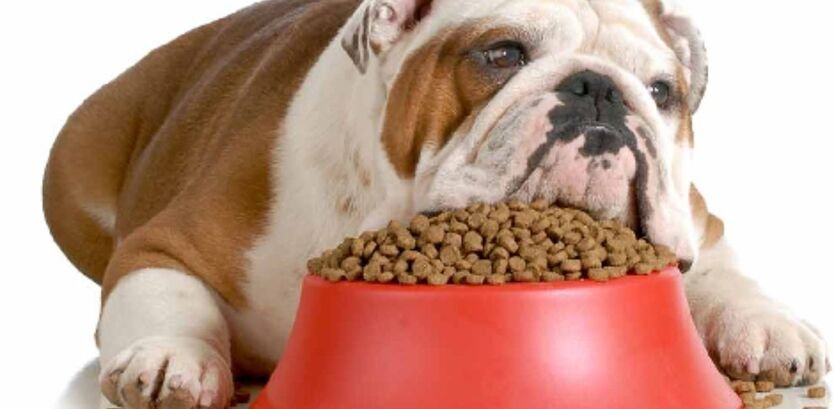
Proper Bulldog food and nutrition are crucial for maintaining their powerful build and managing common health issues, especially weight.
Managing Weight is Key
Because Bulldogs have low energy levels, they are highly susceptible to becoming overweight. Excess weight puts severe strain on their joints, which can lead to serious mobility problems later in life, and it can also worsen their breathing difficulties.
- Portion Control: Follow the feeding guidelines on the dog food bag, but always adjust the amount based on your dog’s age, activity level, and body condition score. It’s better to feed slightly less and supplement than to overfeed.
- High-Quality Diet: Choose high-quality dog food that lists a recognized meat source (like chicken, beef, or lamb) as the first ingredient. The food should provide a balanced mix of protein, fats, and essential vitamins.
- Avoid Over-Treating: Treats are wonderful for training, but they should make up no more than 10% of your Bulldog’s total daily calories. Stick to healthy, low-calorie options, and always account for treats in the daily food ration.
Brachycephalic Feeding Tips
Due to their flat faces, Bulldogs can sometimes struggle with eating too quickly, which can lead to bloating or gas.
- Slow Feeder Bowls: A slow feeder bowl can help regulate their eating speed, making mealtime safer and easier on their digestive system.
- Elevated Bowls (Consult Your Vet): Some owners use elevated bowls, which can help some dogs eat more comfortably, but you should always consult your veterinarian, as this practice is controversial for large, deep-chested dogs due to concerns about bloat.
Supplements
Discuss potential supplements with your veterinarian. Because of their tendency toward joint problems, some Bulldogs may benefit from supplements like glucosamine and chondroitin, which support joint health.
Bulldog Health Issues
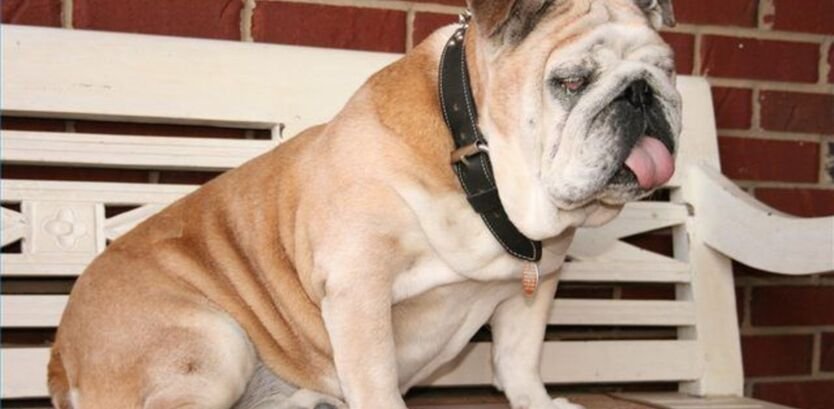
As a responsible owner, understanding common Bulldog health issues is perhaps the most important part of owning this breed. Bulldogs are susceptible to several specific problems due to their unique structure.
Brachycephalic Syndrome
This is the most critical health issue for the breed. “Brachycephalic” means “short-headed.” The squished, flat-faced look, while cute, means the soft tissues in their nose and throat are compressed, leading to breathing problems.
- Symptoms: This condition causes noisy breathing, snorting, gasping, and snuffling.
- Danger of Overheating: Bulldogs cannot pant efficiently to cool themselves down. They are extremely prone to heatstroke, even in moderate weather or during mild exercise. Never exercise a Bulldog in the heat, and always keep them in an air-conditioned environment during warm months.
- Actionable Advice: Keep activity light and short, especially when it’s warm. If your Bulldog is struggling to breathe or collapses, this is a medical emergency requiring immediate veterinary attention.
Skin and Wrinkle Problems
The Bulldog’s charming folds and wrinkles require daily attention to prevent infections.
- Skin Fold Dermatitis: The moisture and warmth trapped in the deep facial and tail wrinkles create a perfect breeding ground for yeast and bacteria.
- Actionable Advice: Clean the “rope” above the nose and the wrinkles around the mouth daily using a dry cloth or a cotton ball soaked in a vet-approved cleaning solution. Always ensure the folds are completely dry afterward to prevent bacterial growth.
Orthopedic and Joint Problems
Due to their stocky build and rapid growth rate, Bulldogs are prone to several bone and joint conditions.
- Hip and Elbow Dysplasia: This is a condition where the joints don’t fit together correctly, leading to pain and arthritis later in life.
- Patellar Luxation: This involves the kneecap slipping out of place.
- Actionable Advice: Keep your Bulldog at a lean, healthy weight to minimize joint stress. Avoid excessive jumping or running, especially when they are young and their joints are still developing.
Eye Problems
- Cherry Eye: This is a common condition where the gland of the third eyelid pops out and looks like a small red cherry in the corner of the eye. It usually requires surgical correction.
- Dry Eye: A condition where the eyes don’t produce enough tears, leading to irritation and potential vision problems.
Behaviour and Training Tips of Bulldog
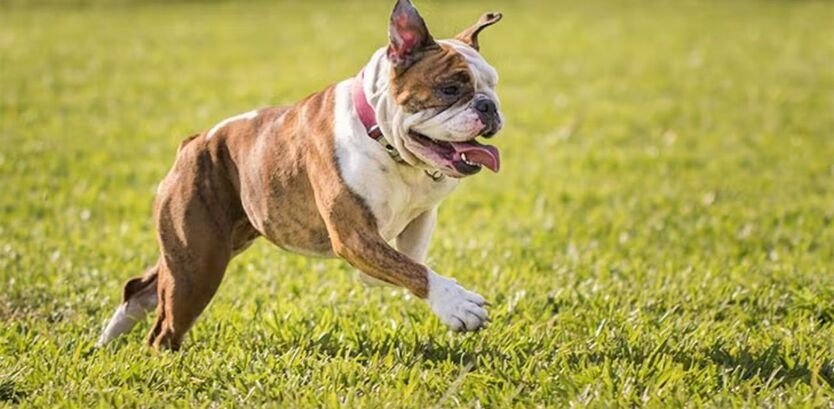
Training a Bulldog breed requires patience, consistency, and a good sense of humor, mainly because of that famous stubborn streak.
Early Socialization is Crucial
Like all dogs, Bulldogs benefit immensely from early and frequent exposure to the world.
- Puppy Classes: Enroll your Bulldog puppy in socialization classes to expose them to new sights, sounds, people, and well-behaved dogs.
- Actionable Advice: While they are inherently sweet, good socialization ensures they grow into confident, well-adjusted adult dogs who are comfortable in any situation.
Positive Reinforcement Only
Bulldogs respond best to reward-based training. They are not dogs that will tolerate harsh treatment or scolding.
- Motivation: They are highly food-motivated! Use high-value, small training treats to capture their attention and motivate them to learn commands.
- Short Sessions: Due to their low stamina and short attention span for repetition, keep training sessions very short (5 to 10 minutes) and fun. End on a successful note.
Housetraining and Crate Training
Housetraining can sometimes take longer with a Bulldog due to their sometimes stubborn nature.
- Consistency: Establish a strict, regular potty schedule and stick to it. Always reward immediately after they eliminate outside.
- Crate: A crate is an invaluable tool. It gives your dog a safe, den-like space and is the best aid for speeding up the housetraining process since dogs naturally avoid soiling their sleeping area.
Managing Stubbornness
When a Bulldog decides they don’t want to move (a common occurrence called “Bulldog planting”), forcing them won’t work.
- Make it Worthwhile: Always offer a positive trade. If they plant on a walk, a cheerful voice and a treat usually get them moving again. Never let training become a confrontation.
Exercise Needs
Despite their muscular appearance, Bulldogs have modest exercise needs.
- Daily Walks: Two short, brisk walks a day are usually sufficient.
- Avoid Over-Exertion: Remember their breathing issues. If they start heavy panting or snorting, stop immediately. Never force them to run or keep up with activities meant for high-energy breeds.
- Temperature Awareness: Never walk your Bulldog in hot, humid, or direct mid-day sun. Early morning and late evening are the safest times.
Bulldog Grooming Guides

A proper Bulldog grooming guide routine focuses less on hair care and more on essential hygiene to prevent the common skin, ear, and eye issues associated with the breed.
Wrinkle Care: The Daily Necessity
This is the most critical part of Bulldog grooming.
- Facial Wrinkle (The Rope): Gently lift the nose rope and clean underneath with a cotton pad or soft, dry cloth. Ensure no food debris or moisture remains. If prescribed by your vet, apply a gentle antiseptic wipe or cream.
- Tail Pocket: Many Bulldogs have a “tail pocket” or deep crease under their short, stubby tail. This area is a moisture trap and must be checked and cleaned daily.
Coat Care
The Bulldog has a short, fine, smooth coat that is relatively low-maintenance.
- Brushing: Use a rubber grooming mitt or a brush with soft bristles once or twice a week to remove loose hair. This helps keep shedding manageable and spreads natural oils for a healthy, glossy coat.
- Bathing: Bathe your Bulldog as needed, usually every few weeks. Use a high-quality, gentle shampoo. Always ensure they are completely dry, especially within the skin folds, after the bath.
Nails, Ears, and Teeth
Regular maintenance of these areas is vital for their overall comfort and health.
- Nails: Bulldogs naturally wear down their nails less due to their low activity. Trim their nails every 3 to 4 weeks. Long nails can cause pain and lead to issues with their gait.
- Ears: Check their ears weekly for redness, odor, or discharge, which could signal an infection. Clean the visible part of the ear canal gently with a vet-approved cleaner.
- Dental Care: Due to their unique jaw structure, Bulldogs are prone to dental disease. Daily brushing with dog-specific toothpaste is the best way to prevent issues.
Conclusion:
The Bulldog breed is truly a special dog. They are the epitome of “much in little,” a compact powerhouse of personality, loyalty, and charm. They offer overwhelming affection and are simply outstanding family dogs who excel at being loving, goofy companions.
While they come with certain health and care requirements primarily their need to stay cool and their wrinkle care routine the commitment you make to a Bulldog is returned tenfold in snorts, waddles, and unwavering devotion.
If you’re ready for a lifetime of lazy cuddles, surprising bursts of puppy play, and a face that never fails to make you smile, the Bulldog might just be the most loyal and lovable dog you’ll ever welcome into your home.
Frequently Asked Questions (FAQs)
Are Bulldogs good with children and other pets?
Yes! Bulldogs are famous for being gentle and patient with children and typically get along very well with other family pets, especially if they are introduced properly when young. They are often described as having a very loving, protective, and non-aggressive nature, making them a great fit for busy family homes.
How much do Bulldogs shed?
Bulldogs are considered moderate shedders. While their hair is short, they do shed year-round. Regular brushing with a rubber mitt or curry brush once or twice a week is usually enough to manage the shedding and keep the coat healthy.
How long do Bulldogs typically sleep?
Bulldogs are famous for being champion sleepers. An adult Bulldog can easily sleep for 12 to 14 hours a day, sometimes even more. They are true low-energy dogs who cherish their naps, often in the funniest or most awkward positions, and they often snore loudly while doing it!
Can Bulldogs swim?
No. Because of their heavy, muscular front ends, short legs, and flat faces, Bulldogs are not natural swimmers. They cannot easily keep their noses above the water and can quickly sink. Always supervise them closely near water, and have them wear a life vest if they are ever near a pool or lake.