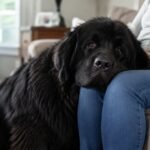
As someone who has spent years listening to those trademark Bulldog snores and wiping those stubborn nose wrinkles clean at 11 PM, trust me, the bull dog breed is unlike anything else you’ll ever own. They’re equal parts hilarious, infuriating, and deeply lovable.
But here’s what most guides won’t say upfront: this breed demands more than love. It demands research, preparation, and a willingness to adapt especially in 2026, when Bulldog care has evolved dramatically thanks to new vet tech, smarter diets, and a growing ethical breeding movement.
This isn’t a fluff piece. This is the real, raw, research-backed guide you actually need.
What Google’s Top Results Are Getting Wrong in 2026
Most articles about Bulldogs are stuck in 2018. They recycle the same “they’re lazy and lovable” narrative without addressing the massive shifts happening right now in breeding ethics, smart-home technology, and owner mental health.
Here’s what you won’t find anywhere else.
The “Functional Bulldog” Movement Is Rewriting the Breed

For decades, Bulldogs were bred for flatter faces and it nearly destroyed them. Brachycephalic Obstructive Airway Syndrome (BOAS) became an epidemic, leaving dogs gasping for air on a walk to the kitchen.
In 2026, a global movement called Functional Bulldogs is pushing back hard. Responsible breeders are now selectively breeding for:
- Longer muzzles even 1 to 2 cm more makes a measurable difference in airflow
- Open, wide nostrils instead of pinched slits
- Wider tracheas confirmed via pre-breeding CT scans
- Lower-set, less corkscrew tails to reduce tail-pocket infections
Organizations like the UK Kennel Club and the European Bulldog Health Initiative updated their breed standards in 2024–2025 to reward these healthier traits. If you’re buying a Bulldog puppy in 2026, always ask for the parents’ BOAS grading certificate.
Smart Homes Are Saving Bulldog Lives
Bulldogs are extremely vulnerable to heatstroke their compromised airways make temperature regulation nearly impossible. Modern smart-home owners are now using:
- IoT temperature & humidity sensors (like Govee or SwitchBot) placed at floor level, where Bulldogs rest
- Automated AC triggers set to kick in the moment room temps hit 24°C (75°F)
- Wearable dog health monitors (like PetPace 2.0) that track respiratory rate and body temp in real-time
- Smart phone alerts if your Bulldog’s resting heart rate spikes during summer naps
This isn’t luxury tech anymore. For Bulldog owners in 2026, it’s practically standard care.
The “Stubbornness” Myth What’s Actually Happening
Veterinary behaviorists are now confirming: Bulldogs aren’t stubborn. They’re visually slow processors. Research shows brachycephalic breeds have slightly altered neural pathways related to visual stimulus processing. When your Bulldog stares blankly for 4 seconds before responding to “sit” they’re not ignoring you. They’re processing.
Combined with their extreme emotional sensitivity, this means:
- Positive reinforcement only punishment-based training backfires badly
- Short, 5-minute training sessions work far better than 20-minute ones
- Calm, consistent body language matters more than verbal commands
Real Talk: What Bulldog Owners Are Saying on Reddit & Quora
Spend an hour on r/bulldogs and you’ll see the same pain points repeated constantly. Let’s address them honestly.
The “Hidden” Daily Cost Nobody Talks About
Everyone discusses vet bills. Nobody talks about the daily drain. Here’s what a realistic month actually costs:
| Expense | Monthly Cost (USD) |
| Hydrolyzed protein or limited-ingredient diet food | $80–$140 |
| Wrinkle wipes (vet-grade, unscented) | $15–$25 |
| Tail pocket spray/antiseptic | $10–$20 |
| Ear cleaning solution | $8–$15 |
| Allergy supplements (omega-3, quercetin) | $20–$40 |
| Pet insurance premium | $60–$120 |
| Estimated Monthly Total | $193–$360 |
That’s before any vet visits, boarding, or the orthopedic dog bed they absolutely need for their joints.
The Tail Pocket: A Step-by-Step Cleaning Guide

A tail pocket is the fold of skin directly beneath or around a Bulldog’s corkscrew tail. It traps moisture, debris, and bacteria. Left uncleaned, it becomes a hotbed for yeast and bacterial infections yet most blogs ignore how to actually clean it.
Here’s how to do it correctly:
- Gather supplies first unscented baby wipes OR veterinary wrinkle wipes, a small cotton pad, and drying powder (Gold Bond or Zymox Topical Powder)
- Gently lift the tail use one hand to hold the base of the tail upward; never force it
- Insert the wipe horizontally using two fingers go side to side, not in and out, to avoid irritating the skin
- Check the color yellow or brown = normal debris; green or dark = possible infection; red, raw skin = vet visit needed immediately
- Dry thoroughly moisture left behind is worse than skipping the clean; apply a light dusting of drying powder
- Frequency minimum 3x per week; daily in summer or when your dog is active outdoors
Never use alcohol wipes, hydrogen peroxide, or fragranced products. They destroy the skin barrier and invite worse infections.
Separation Anxiety in the Return-to-Office Era (2026 Reality)
After years of remote work, millions of Bulldogs became deeply attached to owners being home 24/7. The 2025–2026 RTO wave has hit Bulldog households particularly hard. Bulldogs rank among the top 5 breeds for separation anxiety. Common signs include:
- Destructive chewing of soft items like cushions or shoes
- Excessive drooling the moment you grab your keys
- Refusal to eat until you return home
- Repetitive licking or chewing of paws
What’s actually working in 2026:
- Gradual desensitization start with 5-minute departures and slowly extend over weeks
- Puzzle feeders and Kong toys stuffed with frozen peanut butter or wet food
- Dog-specific calming music playlists there is genuine research supporting their effectiveness
- Doggy daycare 2–3x per week Bulldogs thrive with structured social interaction
- Adaptil diffusers synthetic calming pheromone, vet-recommended, genuinely effective
Comprehensive Breed Overview
From Bull-Baiting to Couch Potato: A Brief History

Bulldogs were originally bred in 13th-century England for bull-baiting a brutal sport requiring fearlessness, tenacity, and pain tolerance. When the practice was banned in 1835, the breed could have disappeared entirely.
Instead, breeders transformed them into companions. Aggression was bred out. Loyalty, stubbornness, and the stocky build stayed. Today’s Bulldog shares almost nothing behaviorally with its ancestors but carries all of their physical quirks, for better and worse.
Quick-Reference Breed Comparison: English vs French Bulldog
| Feature | English Bulldog | French Bulldog |
| Weight | 40–50 lbs (18–23 kg) | 20–28 lbs (9–13 kg) |
| Lifespan | 10–12 years | 12–14 years |
| Exercise Needs | Low (20 min/day) | Low–Moderate (30 min/day) |
| Grooming Frequency | Daily wrinkle cleaning | 2–3x/week |
| Monthly Care Cost | $200–$360 | $150–$280 |
| Heat Sensitivity | Extreme | High |
| Apartment Friendly | Yes | Yes |
| Average Puppy Price (2026) | $2,500–$5,000 | $3,000–$6,000 |
| Avg. Lifetime Vet Cost | $15,000–$25,000 | $10,000–$20,000 |
Diet: Best Food for the Bull Dog Breed in 2026

The best food for the bull dog breed consists of a hydrolyzed protein or limited-ingredient diet specifically formulated to eliminate common allergen triggers like chicken and beef, supplemented with daily Omega-3 fatty acids to reduce skin inflammation and support joint health.
This is not a preference it’s a clinical recommendation backed by repeated dermatology and gastroenterology findings in brachycephalic breeds.
Top recommended diet types:
- Hydrolyzed protein kibble proteins are broken into fragments too small to trigger an immune response; ideal for allergy-prone Bulldogs
- Limited-ingredient formulas single novel protein sources (duck, venison, rabbit) reduce reaction risk dramatically
- Gently cooked or raw diets services like The Farmer’s Dog and Nom Nom have grown rapidly among Bulldog owners; reduces systemic inflammation markers
- Omega-3 fatty acid supplements 1,000–2,000 mg fish oil daily; clinically shown to reduce skin fold dermatitis severity
What to actively avoid:
- Grain-free diets with high legume content (linked to Dilated Cardiomyopathy in ongoing FDA studies)
- Cheap kibble containing corn syrup, artificial dyes, or unnamed “meat by-products”
- Free feeding Bulldogs have almost zero self-regulation and will eat until respiratory distress occurs
Feeding structure that works:
- Two measured meals per day, morning and evening
- Always use a raised food bowl (reduces gulped air and bloat risk)
- Measure every serving Bulldogs gain weight invisibly until it becomes a joint and breathing crisis
- Weigh your Bulldog monthly; even 3 to 4 lbs of extra weight strains their airway significantly
2026 diet trend worth noting: Veterinary nutritionists are increasingly recommending rotating proteins every 3–4 months to prevent the development of new food sensitivities a pattern seen frequently in English Bulldogs kept on a single protein source for years.
Exercise: The Precise 2026 Bulldog Activity Protocol

The correct daily exercise amount for the bull dog breed is 20 minutes of low-intensity physical activity per day, divided into two separate 10-minute sessions, always scheduled during cooler parts of the day ideally before 9 AM or after 7 PM in summer months.
This is not a loose guideline. Exceeding this without veterinary clearance especially in un-operated BOAS dogs risks respiratory crisis, hyperthermia, and cardiovascular strain.
The 2026 Bulldog exercise breakdown:
| Activity Type | Duration | Intensity | When to Use |
| Morning leash walk | 10 minutes | Low | Daily, pre-9 AM |
| Evening leash walk | 10 minutes | Low | Daily, post-7 PM |
| Indoor tug/fetch play | 5–10 minutes | Low–Moderate | Rainy days, hot seasons |
| Supervised swimming | 15–20 minutes | Moderate | 2–3x/week max, with life jacket |
| Nose work / scent games | 10–15 minutes | Mental only | Excellent for mental fatigue |
Stop all activity immediately if you observe:
- Audible wheezing or rasping that doesn’t settle within 60 seconds of rest
- Blue, grey, or purple tinge to gums or tongue
- Sudden collapse or refusal to move
- Excessive foamy drooling combined with distress
2026 update on post-BOAS surgery exercise: Bulldogs who have undergone corrective airway surgery (soft palate resection, nare widening) can typically tolerate 30–35 minutes of activity per day by 6 months post-op. Always follow your surgeon’s specific clearance timeline.
2026 Veterinary Diagnostic Checklist: What to Demand Before You Buy
This is the section most breeders hope you never read. Before purchasing or adopting any Bulldog in 2026, request documented proof of the following health screenings for both parents, not just the puppy:
Respiratory & Structural Health
- BOAS Grading Grade 0 (clear) or Grade 1 (mild) is acceptable; Grade 2 or 3 is a red flag
- CT Scan of Upper Airway now considered gold-standard over visual assessment alone; confirms tracheal diameter
- Nare Assessment Score documented, not just verbally described
Orthopedic Clearances
- Hip Dysplasia OFA Clearance Bulldogs have a disproportionately high rate of hip dysplasia; OFA Fair, Good, or Excellent ratings only
- Elbow Dysplasia Screening increasingly required by ethical breeders; OFA certification preferred
- Patella Luxation Evaluation common in shorter, stockier builds; Grade 0–1 acceptable
Genetic & Ocular Tests
- Juvenile Hereditary Cataract (JHC) DNA Test a DNA-based test, not just an eye exam; clear or carrier status must be disclosed
- Hyperuricosuria (HUU) DNA Test Bulldogs are predisposed to urate bladder stones; breeding two carriers together is irresponsible
- Degenerative Myelopathy (DM) DNA Test late-onset neurological condition; at-risk pairings should be avoided
Cardiac Screening
- Cardiac Evaluation by a Board-Certified Cardiologist not a general vet; performed after age 12 months
Any breeder who cannot produce these documents or dismisses them as unnecessary is not operating ethically by 2026 standards. Walk away.
Conclusion: Who Is This Breed Actually For?
The Bulldog is one of the most rewarding companions you’ll ever own if you go in fully prepared.
This breed is perfect for you if:
- You work from home or have genuinely flexible hours
- You want a deeply loyal, calm, low-energy companion
- You’re financially prepared for above-average ongoing care costs
- You live in a temperate or well air-conditioned home
- You have patience for slow training and emotional sensitivity
Reconsider if:
- You’re away from home 8+ hours daily with no dog-care support
- You’re on a tight budget with no pet insurance plan in place
- You live in a hot, humid climate without reliable climate control
- You want a jogging partner or high-activity dog
- You travel frequently without reliable pet care arrangements
Bulldogs don’t ask for much. But what they do ask for your presence, your patience, and your consistency they ask for completely. Give them that, and you’ll have a companion unlike anything else.
FAQs
1. What is the average lifespan of a bull dog breed in 2026 with modern vet care?
With modern veterinary care including early BOAS surgery, precision nutrition, and proactive skin and dental management English Bulldogs now average 10–12 years, up from 8–10 years a decade ago. French Bulldogs are reaching 12–14 years with similar intervention. The single biggest longevity factor is maintaining a healthy body weight and addressing airway issues before age 2.
2. How do I prevent my Bulldog from overheating during summer?
Keep all walks to before 9 AM or after 7 PM. Use cooling mats, ensure constant fresh water access, and set your home’s AC to maintain temperatures below 24°C (75°F). In 2026, smart floor-level temperature sensors have become standard for serious Bulldog owners. Warning signs of heatstroke: heavy panting, excessive drooling, red or pale gums, staggering. Apply cool (not ice cold) water to the paws and neck and get to an emergency vet immediately.
3. Why does my Bulldog get aggressive or stubborn during walks?
It is almost never aggression it is discomfort or respiratory distress. Bulldogs who plant themselves or refuse to move are typically too hot, too tired, or struggling to breathe adequately. Their visual processing delay also means chaotic outdoor environments cause genuine confusion and anxiety. Switch to a well-fitted harness (collars compress already-restricted airways), shorten your route, and walk during cooler hours. Persistent behavioral issues warrant a certified veterinary behaviorist consultation, not punishment-based training.
4. Are modern Bulldogs healthier than they were 10 years ago?
Yes meaningfully so, but unevenly. The Functional Bulldog movement, updated UK and European breed standards, and mandatory pre-breeding health screening have raised the floor for responsibly bred dogs. More breeders now require BOAS grading, hip OFA clearance, and cardiac certification. However, puppy mills and backyard breeders still flood the market with unscreened dogs. Always demand the full 2026 Veterinary Diagnostic Checklist documented above before purchasing.
5. What is the best food for the Bulldog breed in 2026?
The best food for the bull dog breed in 2026 is a hydrolyzed protein or limited-ingredient diet with a novel protein source (duck, venison, or rabbit), supplemented with 1,000–2,000 mg of fish oil daily. Top-rated options include Royal Canin Bulldog Breed Specific, Hill’s Science Diet Sensitive Stomach & Skin, and fresh-cooked delivery services like The Farmer’s Dog or Nom Nom. Always measure portions, use a raised bowl, and consult your vet before switching especially if your Bulldog has active skin or digestive issues.