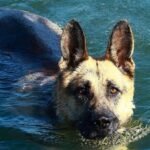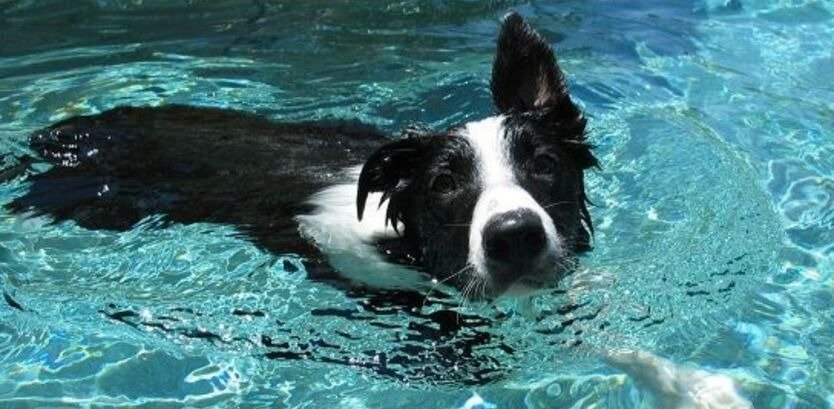
Beneath that elegant, flowing coat and agile, slender frame beats the heart of a high-speed navigator. The Collie is a brilliant, light-footed explorer wrapped in a graceful, athletic package. To master your Collie dog swimming guide, confidence is your ultimate power move for turning those curious splashes into smooth, rhythmic glides.
While they are famous for their legendary intuition and gentle spirit, these focused herders have a tireless drive that makes them natural “aquatic scouts.” To keep your deep-chested Collie safe, a premium, high-buoyancy life jacket is your essential gear for every adventure. This provides vital support as they navigate the water.
Keep a soft, ultra-absorbent towel ready to dry that iconic, weather-resistant coat. With the right preparation, you are ready to transform your majestic Collie into the ultimate shoreline superstar! However, there’s a common misconception that all dogs are born with an innate ability to swim.
In reality, some dogs need to be taught. Every dog’s first introduction to water should be a safe, positive, and gradual experience. This guide will provide you with a step-by-step process for safely teaching your dog to swim. We will cover everything from the initial lesson to navigating different water environments and crucial post-swim care.
Can Collie Dog Swim
The short answer is yes, Collies can swim, but they aren’t always natural-born fish. While many people imagine every dog instinctively knows the “doggy paddle,” Collies often require a bit of a helping hand. Their physical build and coat type play a huge role in how they handle the water.
Based on data from Collie enthusiasts, swimming Collies are actually in the minority. Only about 21% of Collies are considered true swimmers who enjoy submerging themselves. About 42% are “waders” who like to splash in the shallows but won’t go deep. Meanwhile, 37% are as water-averse as cats and will avoid wetting their paws at all costs.
Rough Collies, known for their long, beautiful coats, often find swimming more challenging. Once that fur gets wet, it becomes incredibly heavy. This weight can pull them down and make them tire quickly. Smooth Collies, with their shorter hair, are slightly more willing to take the plunge because they stay lighter in the water.
If you want your Collie to swim, you have to look at them as an individual. Just because they are an athletic herding breed doesn’t mean they will automatically love the pool. It takes patience and a slow introduction to prove to them that the water is a fun place to be. You should never force them into the deep end, as this can create a lifelong fear of water.
Collie Dog Puppies Swimming
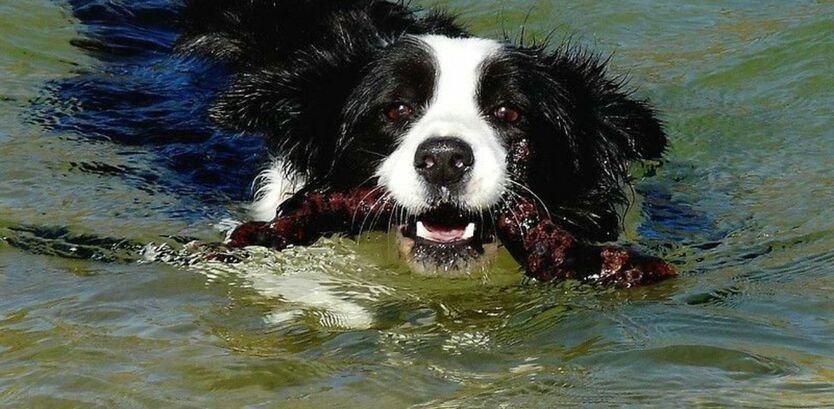
Teaching a Collie puppy to swim is much easier than starting with an adult. Puppies are naturally curious and haven’t usually developed a fear of the water yet. However, you must be extremely careful because puppies can tire out in a matter of seconds.
Start your puppy’s journey in a very shallow area, like a plastic kiddie pool. Fill it with just an inch or two of water. Let them walk around and discover the sensation of wet paws. Use high-value treats and lots of praise to make this a “party” atmosphere. Toss a few of their favorite floating toys into the kiddie pool to encourage them to move around.
When you move to a larger body of water, always use a puppy-sized life jacket. Even in shallow water, a small puppy can lose their footing. The life jacket provides buoyancy and a handle on the back, allowing you to lift them out quickly if they panic. It also builds their confidence because they feel “held” by the vest.
Keep these early sessions very short. Five to ten minutes is plenty of time for a young pup. You want them to end the session feeling successful and happy, not exhausted and shivering. Remember, a positive experience now will set them up for a lifetime of aquatic fun. If they start to shiver, get them out and wrap them in a towel immediately.
Are Collie Dog Good Swimmers
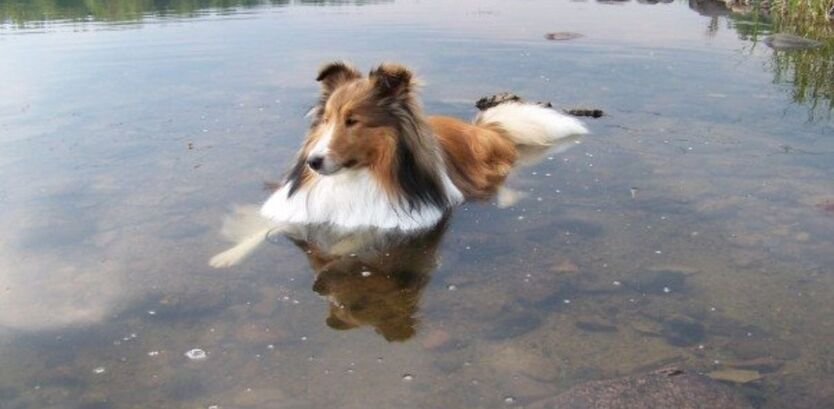
Collies have the potential to be good swimmers, but they are not in the same league as Labradors or Water Spaniels. Those breeds were specifically bred for water work. Collies were bred for the highlands and fields, focusing on agility and endurance on solid ground.
Because they are deep-chested dogs, they can sometimes have a “vertical” swimming style. This means their back end sinks while their front paws splash frantically. This is not efficient and can lead to quick exhaustion. A good swimmer should stay horizontal in the water. If you see your Collie splashing excessively with their front legs, they are struggling to stay level.
The “goodness” of a Collie’s swimming ability often depends on their coat and confidence. A Smooth Collie is generally a more streamlined and effective swimmer. A Rough Collie can be a good swimmer, but they are fighting against the drag of their own fur. Once that double coat absorbs water, it acts like a sponge, adding significant weight to the dog.
To help them become better swimmers, you can support their belly in the water. This helps them learn to keep their rear legs up and moving. Once they find their balance and stop “clacking” their front paws, you will see that graceful Collie athleticism translate into the water. With practice, they can become very efficient at moving through the water.
Collie Dog Swimming Ability
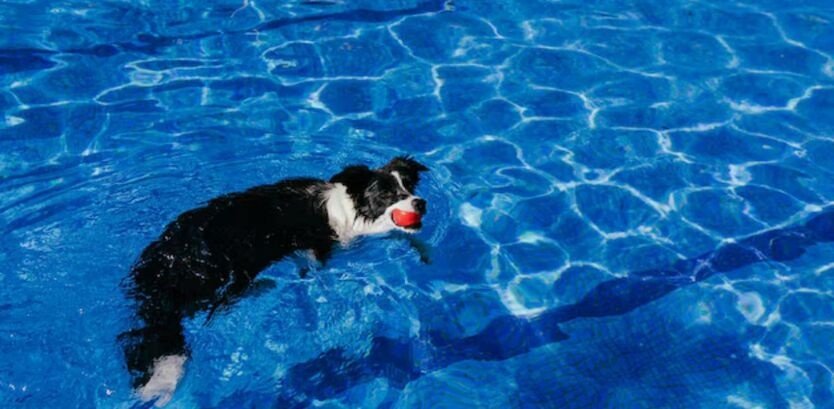
The swimming ability of a Collie is tied to their physical structure. They are built for speed and quick turns. In the water, this translates to a strong kick, provided they aren’t overwhelmed by the weight of their coat. Their long legs provide decent leverage for paddling once they get the hang of it.
One thing to watch for is their “aquatic scout” mentality. Collies are very observant. They might spend a long time standing at the water’s edge, watching the waves and calculating the risk before they ever step in. This is part of their legendary intuition. They aren’t being stubborn; they are being careful.
If your Collie has a very thick, heavy double coat, their swimming ability is naturally limited. Think of it like trying to swim while wearing a heavy winter parka. It is possible, but it takes much more energy. This is why a life jacket is non-negotiable for the breed. It levels the playing field and lets them focus on moving forward rather than just staying afloat.
Physical benefits of swimming for Collies include:
- Low-impact exercise: Great for their joints, especially as they age or if they suffer from hip issues.
- Cooling down: A perfect way to beat the summer heat since their thick coats trap heat easily.
- Muscle toning: Uses different muscles than running or herding, leading to a well-rounded physique.
- Mental stimulation: Navigating water is a “job” that keeps their smart brains busy and engaged.
Collie Dog Swimming Facts
To give you a better idea of what to expect, here are some interesting facts about Collies and water. These might help you understand your own dog’s behavior better.
- The 21% Rule: Only about one in five Collies will naturally choose to swim in deep water without being coaxed.
- Wading is Winning: Most Collies (42%) are perfectly happy just “wading” where they can still feel the ground.
- The “Water Diva” Factor: Nearly 37% of Collies hate water. They may bark at you from the shore or jump over puddles to keep their feet dry.
- Temperature Sensitivity: Collies can be picky. Some love a cool mountain stream but will refuse to step into a chemically scented swimming pool.
- The Drying Marathon: A wet Rough Collie can take hours, or even a full day, to dry completely. This is due to their weather-resistant undercoat.
Choosing the Right Environment
Not all water is created equal for a Collie. Depending on where you live, you might have access to pools, lakes, or the ocean. Each one requires a different safety approach.
Swimming Pools: Pools are great because they are controlled environments. However, chemicals like chlorine can be hard on a Collie’s skin. Also, make sure your dog knows where the steps are. Dogs cannot climb pool ladders, so they must be trained to swim to the shallow end steps to get out.
Lakes and Ponds: These are often the best places for Collies because of the gradual slope of the shore. However, watch out for blue-green algae, which can be toxic to dogs. Also, check the water for submerged branches or fishing lines that could get caught in a Collie’s long fur.
The Ocean: The salt water is fun, but the waves can be scary for a breed that likes to feel in control. Only let your Collie swim in the ocean if the water is calm. If they swallow too much salt water, it can lead to “salt poisoning,” which causes vomiting and dehydration. Always bring plenty of fresh water for them to drink.
Advanced Training Drills
Once your Collie is comfortable in the water, you can try these drills to improve their stamina and skill.
The Toy Retrieval: Start by throwing a floating toy just a few feet away. Gradually increase the distance. This keeps them moving and gives them a “mission,” which Collies love.
The Parallel Swim: Instead of having your dog swim away from you, swim alongside them in the shallow area. This encourages them to keep their body straight and horizontal.
The Recall from Water: Practice calling your dog back to you while they are swimming. This is a vital safety skill in case they wander too far or toward a hazard.
Post-Swim Grooming and Health
After the swim, your work isn’t done. Proper care is essential for maintaining that famous Collie coat and keeping them healthy.
- Fresh Water Rinse: Always rinse off salt, sand, or chlorine. These can irritate their skin and damage their fur. Use a hose or a portable shower to get deep into the undercoat.
- Ear Cleaning: Use a gentle ear cleaner to dry out their ears. Moisture trapped in a Collie’s ears can quickly lead to painful infections. Wipe the outer ear with a soft cotton ball.
- Deep Drying: Use an ultra-absorbent towel first to soak up the bulk of the water. For Rough Collies, you will almost certainly need a high-velocity dryer. Ensure the undercoat isn’t damp, as moisture trapped against the skin can cause “hot spots.”
- Paws and Pads: Check their paws for any cuts from rocks or irritation from sand. If the water was hot, their pads might be sensitive.
- Brush Out: Once the dog is mostly dry, give them a thorough brushing. Wet fur mats incredibly easily. Brushing helps separate the hairs and prevents painful tangles from forming.
Signs of Swimming Fatigue
Because Collies are so driven to please their owners, they might not stop even when they are tired. You must be the one to decide when the session is over. Watch for these signs:
- Low Tail: A tail that starts to droop or tuck under while swimming.
- Increased Splashing: If the front legs are splashing more than usual, they are struggling to stay afloat.
- Heavy Panting: If their tongue is hanging out far and they are breathing rapidly while in the water.
- Ignoring Commands: A tired dog loses focus. If they stop responding to their name, they are likely over-exhausted.
Safety Equipment Checklist
Before you head to the water, make sure you have these essentials packed in your “swim kit.”
- A High-Buoyancy Life Jacket: Even if they are good swimmers, the extra lift is vital for long-haired breeds.
- Floating Toys: Brightly colored toys that are easy for the dog to spot in the water.
- A Long Lead: If you are in an open area like a lake, a waterproof long lead (15-20 feet) keeps them safe while allowing freedom.
- Collapsible Water Bowl: To ensure they drink fresh water instead of pool or lake water.
- Microfiber Towels: These work much faster than standard cotton towels.
Conclusion
Mastering the Collie dog swimming guide is all about understanding the unique personality of your pet. Whether you have a “selkie” who dives right in or a “water diva” who prefers the shore, the goal is always safety and fun. By using a life jacket, keeping sessions short, and focusing on positive reinforcement, you can help your Collie enjoy the water.
Remember to be patient. Your Collie’s legendary intuition means they are constantly looking to you for cues. If you stay calm and encouraging, they will eventually see the water as just another exciting place to explore with their favorite human. With the right care and the proper equipment, your Collie can become a confident and happy aquatic companion.
Frequently Asked Questions
Do all Collies know how to swim instinctively?
No. While they have the physical ability to paddle, many Collies lack the instinct to stay horizontal. They may also lack the confidence to enter deep water without specific training and encouragement from their owners.
Is chlorine safe for a Collie’s coat?
Chlorine can be very drying and can strip the natural oils from a Collie’s weather-resistant coat. It is safe for occasional swims, but you must rinse your dog thoroughly with fresh water immediately after they exit the pool.
How can I tell if my Collie is getting tired while swimming?
Look for signs like their rear end sinking, heavy splashing with the front paws, or wide, panicked eyes. If they try to climb on you or head straight for the exit, they have had enough and need a break.
What is the best life jacket for a Collie?
Look for a high-buoyancy jacket with a sturdy handle on the back. For Rough Collies, ensure the straps are adjustable enough to fit over their thick fur without being too tight. A “chin flap” is also helpful to keep their long snout above the water level.
Why does my Collie bark at the water but won’t go in?
This is often their herding instinct. They might be “protecting” you from the water or trying to “herd” the waves. It shows they are mentally engaged with the environment, even if they aren’t ready to submerge themselves yet.