Imagine looking into the eyes of a dog so tall they are nearly your height, only to find a gaze full of sweet affection. This is the magnificent reality of the Great Dane dog breed.
Often referred to as the “Apollo of Dogs,” this breed is famous for its powerful size and elegant, noble appearance. Yet, their most defining characteristic is their huge, gentle heart.
They are truly one of the most recognizable and devoted companions in the canine world.
If you are considering sharing your life and home with one of these gentle giants, understanding their history, unique needs, and loving personality is the first step toward a wonderful partnership. Let us dive into everything that makes the Great Dane dog breed so captivating.
Great Dane Dog Breed History
The history of the Great Dane dog breed is one of unexpected origins and high-stakes bravery. Despite their name, this dog did not come from Denmark. Their true ancestral roots are in Germany.
The reason for the name “Great Dane” in English remains a mystery, but it stuck after European travelers encountered the breed.
From Boar Hunter to Noble Companion
The ancestors of the modern Great Dane were developed centuries ago by German nobility. Their original and highly dangerous job was hunting wild boar.
Wild boar were massive, aggressive prey. To handle them, hunters needed a dog that was fast, fearless, and incredibly powerful. This need for strength and agility led to the creation of the mighty Great Dane lineage.
These early dogs were so well-known for their hunting prowess that they were called the “German Boarhounds.” Even today in Germany, they are still officially known as the “Deutsche Dogge” or “German Mastiff.”
As big game hunting declined, the breed smoothly transitioned into a new role: elegant estate guards and close companions to wealthy families. This shift helped soften their temperament from fierce hunter to the calm, gentle giant we know today.
The Gentle Heart
It is this strong historical background that explains their impressive stature and muscular build. However, their devotion to family and their easy-going nature quickly earned them the nickname “gentle giant.” They thrive on companionship and want nothing more than to be included in all family activities.
Great Dane Dog Breed Characteristics
The Great Dane dog breed commands attention everywhere they go, primarily because of their awe-inspiring size. But their appearance is just one part of their charm.
Size, Stature, and Look
The Great Dane is one of the world’s largest breeds, exhibiting true nobility and power.
Typical Size:
- Height: Males stand between 30 and 32 inches (or more) at the shoulder. Females are slightly shorter, around 28 to 30 inches.
- Weight: Males range from 120 to 175 pounds. Females are typically 100 to 130 pounds.
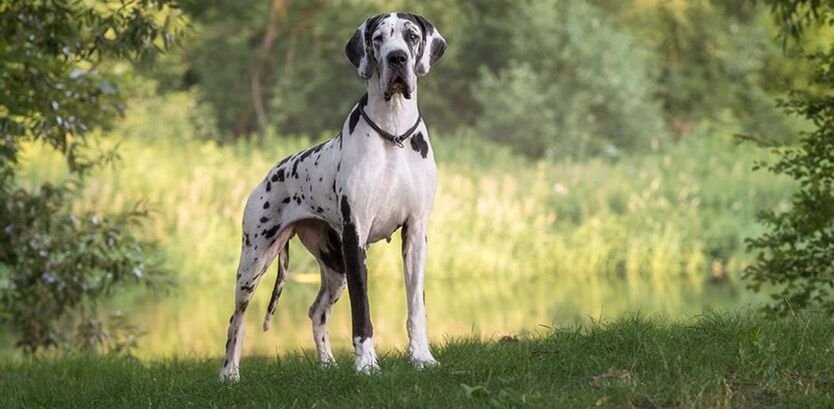
They possess a striking, muscular build, a long, rectangular head, and a naturally short, sleek, and glossy coat. This short coat adds to their elegant, defined look.
A Critical Note on Growth: Great Dane puppies grow incredibly fast. Their growth must be carefully managed with the right nutrition to protect their developing bones and joints.
Temperament: Deeply Loving
The personality of the Great Dane dog breed is its greatest asset. Their sweet, patient, and affectionate nature completely contradicts their powerful appearance.
They are known for their:
- Affection: They are intensely bonded with their owners and often forget their size, leading to the famous “lap dog” behaviour.
- Patience: They are generally wonderful with children, showing great tolerance, though due to their size, adult supervision is always needed.
- Devotion: They are sensitive dogs that thrive on close family interaction and should not be left alone for long periods.
Their strong presence makes them excellent natural guardians, always watching over their home with a calm demeanor.
Recognized Coat Colours
The Great Dane dog breed comes in several stunning and distinct colours:
- Fawn: Golden yellow coat with a dark, black mask.
- Brindle: Fawn base covered with black, cross stripes (like a tiger).
- Blue: Solid, deep steel-blue colour.
- Black: Solid, shiny black coat.
- Harlequin: White base coat covered with irregular black patches, often with a white neck.
- Mantle: Black and white, featuring a solid black blanket over the body and a white chest/collar.
Great Dane Dog Food and Nutrition
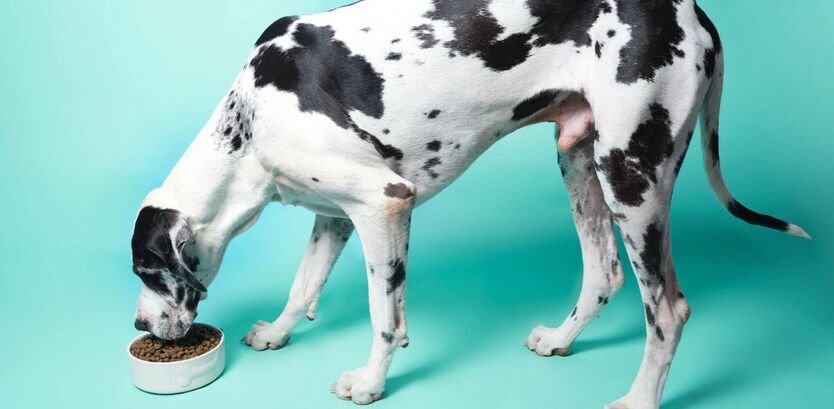
Proper feeding is vital for the Great Dane dog breed, particularly during their rapid growth phase, which extends until they are nearly two years old.
Large Breed Puppy Diet
The most critical nutritional rule is feeding them a high-quality Large Breed Puppy Formula.
These specialized foods have a controlled balance of calcium, phosphorus, and lower fat content. This formulation is designed to slow down their growth rate. Slowing growth is essential for preventing serious skeletal and joint disorders later in life, such as Osteochondrosis Dissecans (OCD) and hip dysplasia.
Consult your veterinarian about the best time to transition your Great Dane puppy to an adult formula, typically between 18 and 24 months.
Adult Feeding and Bloat Prevention
As adults, the Great Dane requires a significant amount of food to fuel their large bodies. However, this breed is highly susceptible to Gastric Dilatation and Volvulus (GDV), commonly called bloat. Bloat is a life-threatening emergency where the stomach twists.
Actionable Advice for Bloat Prevention:
- Multiple Meals: Feed two or three smaller meals per day instead of one large one.
- No Post-Meal Exercise: Do not allow any vigorous exercise or play for at least one hour before and one hour after eating.
- Slow Down Eating: Use a slow-feeder bowl or place large, clean rocks in their bowl to prevent them from gulping food and air.
- Preventative Surgery: Discuss a surgical procedure called a gastropexy with your vet, which permanently tacks the stomach to the abdominal wall to prevent twisting.
Great Dane Dog Health Issues

The Great Dane dog breed has a shorter average lifespan (7 to 10 years) compared to smaller breeds. Owners must be vigilant and proactive about the specific health issues associated with their size.
Primary Health Concerns
1. Bloat (GDV): This is the most urgent health issue. Signs include unproductive retching, pacing, drooling, and a distended, hard abdomen. If you suspect bloat, seek emergency veterinary care immediately.
2. Dilated Cardiomyopathy (DCM): DCM is a serious heart disease where the heart muscle weakens. This condition is prevalent in Great Danes.
- Actionable Advice: Regular veterinary cardiac check-ups, including potential heart screenings, are crucial for early diagnosis and management.
3. Orthopedic Problems: As discussed in the nutrition section, rapid growth makes them prone to joint issues:
- Hip Dysplasia: A malformation of the hip joint.
- Osteochondritis Dissecans (OCD): A condition affecting joint cartilage, commonly in the shoulders.
- Takeaway: Maintain a lean weight, especially during their youth, to minimize stress on their developing joints.
4. Wobbler Syndrome: This neurological condition affects the spine in the neck area and results in an unsteady, “wobbly” gait.
Vet Visits and Proactive Care
Finding a veterinarian experienced with giant breeds is highly beneficial. Due to the Great Dane’s genetic predispositions, consistent annual or bi-annual wellness checks are non-negotiable for early detection and management of potential issues.
Behaviour and Training Tips for Great Dane Dog
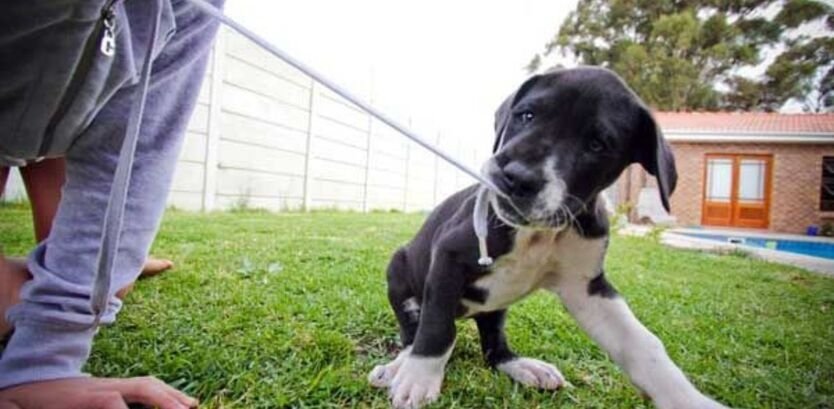
Training a Great Dane dog breed is essential for safety and manageability. Training is easier than you might think because they are intelligent and highly motivated to please their owners.
Socialization and Confidence
Given their imposing size, proper socialization is the single most important training component.
- Early and Wide Exposure: Start introducing your puppy early to many new sounds, people, environments, and safe, vaccinated dogs.
- Goal: You want your Great Dane to grow into a calm, confident, and well-adjusted adult who is comfortable in all situations, preventing fearful or overly protective reactions.
Gentle Training Methods
Great Danes are sensitive and respond best to patient, gentle methods centered on positive reinforcement.
- Positive Rewards: Use treats, praise, and gentle play to reward desired behaviors. They wilt under harsh corrections or yelling.
- Basic and Advanced Commands: Prioritize commands like “Sit,” “Stay,” “Leave It,” and especially “Down.” The “Down” command can quickly anchor a massive dog in an emergency or during high excitement.
- Leash Training: This is paramount. A well-trained dog on a loose leash is necessary for safety. Start training with a gentle leader or head halter early on.
Managing Giant Size Indoors
The Great Dane naturally assumes they are a small lap dog, leading to clumsy behavior and boundary testing.
- Establish Rules: Be consistent with rules, such as “Off” the furniture, if that is your preference.
- Designated Space: Provide a giant, comfortable dog bed or crate near the family to satisfy their need to be close without physically being on you.
Exercise Needs
Adult Great Danes are not marathon runners; they are built for short bursts of activity and need moderate exercise.
- Adults: Require 30 to 60 minutes of brisk walking or controlled play daily.
- Puppies: Never push a Great Dane puppy to strenuous exercise like long jogs. Stick to short, gentle play to protect their open growth plates from injury.
Great Dane Dog Grooming Guides

Grooming a Great Dane dog breed is straightforward thanks to their short coat, but their size makes even simple tasks a commitment. They are average year-round shedders.
Grooming Routine:
- Brushing: Use a rubber curry brush or grooming mitt 1-2 times per week. This removes dead hair and keeps their coat shiny by distributing natural oils.
- Bathing: Bathe only when needed. Due to their size, many owners utilize self-wash stations or professional groomers.
- Ear Care: Their floppy ears need weekly checks and gentle wiping with cleaner to prevent moisture build-up and infections.
- Nail Care: Crucial. Clip their nails every 2-3 weeks. Long nails cause serious discomfort and joint issues in giant breeds. Start nail training early and positively.
- Drool Management: Keep “slobber rags” handy. Great Danes, especially those with looser jowls, will drool and leave water trails!
Conclusion: The Devoted Companion
The Great Dane dog breed is an incomparable companion. They require a significant commitment in terms of space, time, training, and resources, but the affection and loyalty they provide is truly unmatched.
They are noble protectors, gentle souls, and hilarious home comedians rolled into one giant, devoted package. If you are prepared for the commitment of owning an “Apollo of Dogs,” you will gain a loving family member whose gentle heart will fill your home completely.
Frequently Asked Questions (FAQs)
Are Great Danes good family dogs?
Yes. They are exceptionally patient, sweet, and affectionate “gentle giants” who are deeply devoted to their families and typically excellent with children.
How much space does a Great Dane need?
They adapt well to different living situations (including apartments), but they need enough floor space to move and sprawl out comfortably. A secure yard is great, but they must live indoors with their people.
Do Great Danes bark a lot?
No. They are not known as excessive barkers. When they bark, it is a loud, deep alert, making them good natural watchdogs.
How long do Great Danes live?
Their average lifespan is shorter than smaller breeds, typically 7 to 10 years. Excellent care and proactive health screening are key to a longer life.
Are Great Danes expensive to own?
Yes. Due to their size, their costs are higher than average for food, large-dose medications (like preventatives), and veterinary care/surgeries which are often calculated by weight. They are a big financial commitment.