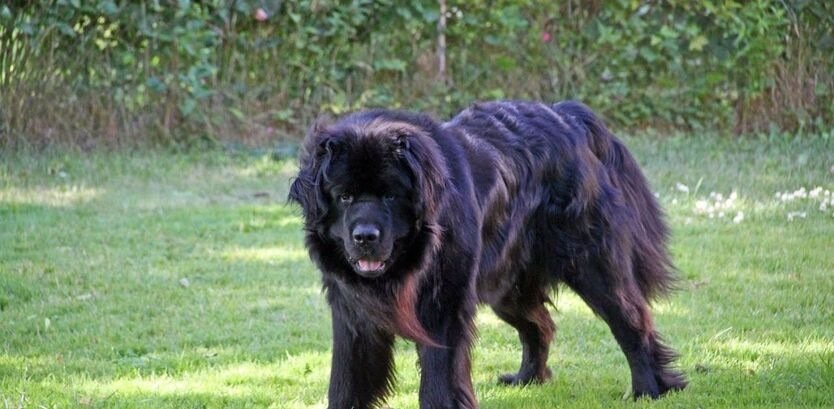
Imagine a dog so big they weigh as much as an adult human, yet so gentle they earned the nickname “Nanny Dog.” That’s the magnificent Newfoundland dog breed for you.
These dogs are massive, powerful, and built for work, but their hearts are pure gold. They are the definition of a gentle giant.
However, owning a dog that can stand 28 inches tall and weigh up to 150 pounds is a serious commitment.
They have a thick, heavy double coat that sheds constantly and a tendency to drool a lot! This means a supersized dog comes with supersized upkeep.
If you have the space in your home and your heart, Newfies make exceptional family pets. They thrive on being close to their people and believe they are lap dogs, regardless of their impressive size.
This guide will give you the complete picture of the Newfoundland dog breed, helping you decide if this noble giant is the right fit for your family.
Newfoundland Dog Breed History
The story of the Newfoundland dog breed is one of heroism, hard work, and loyalty, deeply tied to the cold, harsh coasts of the Canadian island from which they take their name.
These dogs weren’t bred for sitting on a couch; they were bred to work alongside fishermen in the North Atlantic.
Their exact origins are still debated, but the most accepted theory is that the Newfie developed from the dogs indigenous to the island, like the St. John’s Water Dog, interbred with various mastiff and sheepdog breeds brought over by European explorers and settlers around the 15th and 16th centuries.
This mix produced a dog perfectly suited for maritime life.
The Working Dog of the Water
The original Newfies were true working animals. They had several crucial jobs on the docks and aboard ships.
They were used as pack animals to haul heavy loads, carry fishing nets, and pull carts laden with fish to market.
Most famously, the Newfoundland dog breed is renowned for its natural, life-saving instincts in the water.
They are born swimmers, equipped with a thick, oily, water-resistant double coat and partially webbed feet unique traits that made them peerless rescue dogs.
Tales of Newfies braving icy, rough seas to rescue drowning sailors cemented their reputation as brave heroes. They were the St. Bernards of the North Atlantic.
Global Recognition and the “Landseer”
The breed became popular in England in the 19th century, where they were further refined.
One of their biggest fans was the English painter Sir Edwin Landseer. He immortalized the black and white variety of the breed in his artwork, leading to this specific color pattern being known as the Landseer Newfoundland.
While some kennel clubs recognize the Landseer as a separate breed (especially in Continental Europe), most, including the American Kennel Club (AKC), consider it simply a coat color variation within the Newfoundland dog breed.
The breed was officially recognized by the AKC in the late 19th century, and today, they are beloved worldwide not just as heroes, but as affectionate and devoted family companions.
Newfoundland Dog Breed and Characteristics
The Newfoundland dog breed is defined by two things: their immense size and their incredible sweetness.
They possess a dignified bearing, looking like a noble, powerful bear, but with a friendly, soulful expression.
Size and Appearance
Newfies are a giant breed. Males can stand up to 28 inches tall at the shoulder and often weigh between 130 and 150 pounds. Females are slightly smaller, standing about 26 inches and weighing 100 to 120 pounds.
They have a massive, broad head, strong bone structure, and a deep chest, all necessary for their working past. Their signature feature is their thick, medium-length double coat. This coat is not just insulating; it is naturally water-resistant, helping them shed water quickly.
Coat Colors
The breed comes in four main colors that are generally accepted by major kennel clubs:
- Black: The most common color, often with a white spot on the chest, chin, or toes.
- Brown: A rich, solid brown.
- Grey: A dilution of the black coat, a solid grey color.
- Black and White (Landseer): This distinctive pattern features a white base with black markings, typically a black head with a blaze, a black saddle, and a black rump.
Other colors like beige are possible but are generally not accepted in the conformation show ring.
Temperament: The Gentle Giant
The most important trait of the Newfoundland dog breed is its temperament. The breed standard specifically calls their sweet disposition the “most important single characteristic.”
They are calm, patient, and exceptionally devoted to their families.
This gentle nature is why they are affectionately called “Nanny Dogs.” They are famously good with children and seem to possess endless patience for noise, play, and general chaos. They are not aggressive, but they are fiercely protective and watchful of their human family.
Newfies are generally friendly toward strangers and other pets, provided they are socialized early. Their personality is one of loving a quiet, close snuggle over a busy, high-energy activity, despite their background.
Newfoundland Dog Food and Nutrition
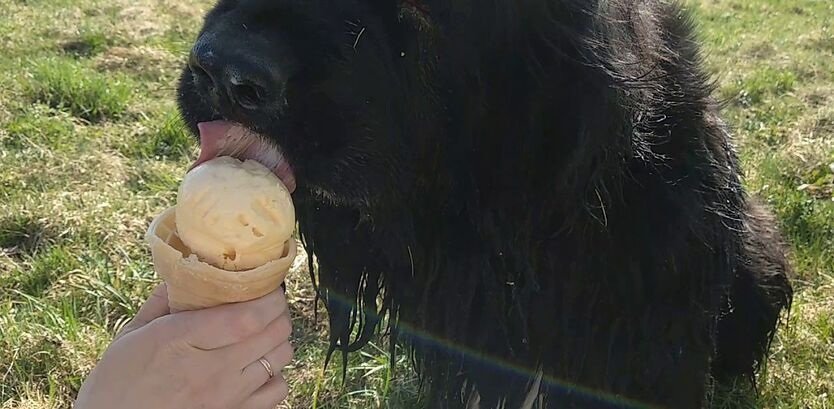
Feeding a Newfoundland dog breed is not the same as feeding a small or medium dog. Their giant size and rapid growth rate food when they are puppies require special attention, particularly to their diet.
Giant Breed Puppy Nutrition
The most critical period for a Newfie’s diet is their first year. Because they grow so quickly, overfeeding can cause them to grow too fast, putting immense strain on their still-developing bones and joints. This can significantly increase the risk of conditions like hip and elbow dysplasia.
Practical Takeaways:
- Choose a large or giant breed puppy formula. These foods are specially designed with a lower calorie density and controlled levels of calcium and phosphorus to support slow, steady growth.
- Avoid free-feeding. Establish consistent meal times, usually three to four small meals a day for puppies, transitioning to two for adults.
- Monitor their weight closely. You should be able to comfortably feel your puppy’s ribs without seeing them.
Adult Newfoundland Feeding Guidelines
An adult Newfoundland, weighing 100 to 150 pounds, has a large appetite, but owners must be careful not to let them become overweight. Obesity puts unnecessary stress on their joints, which are already prone to issues due to their size.
Key Nutritional Advice:
- Two Meals a Day: Feeding two measured meals daily is highly recommended, rather than one large meal. This helps manage weight and, crucially, can help reduce the risk of bloat (GDV), a life-threatening condition giant breeds are prone to.
- High-Quality Food: Feed a high-quality, balanced adult dog food formulated for large breeds.
- Slow Down Mealtime: Because Newfies are at risk of bloat, consider using slow feeder bowls, puzzle feeders, or lick mats to encourage them to eat more slowly.
- Avoid Exercise Around Meals: Never let your Newfie exercise vigorously an hour before or after eating a meal. This is a critical step in bloat prevention.
- Water Access: Always provide fresh, clean water, especially since they can be messy drinkers.
Newfoundland Dog Health Issues

While the Newfoundland dog breed is generally sturdy, their large size and specific genetics make them prone to certain serious health conditions. The average lifespan is typically 8 to 10 years.
Being aware of these issues allows you to be proactive with your veterinarian and provide the best care.
Joint and Bone Problems
Due to their rapid growth and sheer mass, orthopedic issues are common.
- Hip Dysplasia: This condition occurs when the hip joint fails to develop properly, leading to a loose joint. Over time, this causes pain, arthritis, and limping.
- Elbow Dysplasia: Similar to hip dysplasia, this involves abnormal development of the elbow joint.
- Panosteitis: Often called “growing pains,” this is an inflammatory bone disease seen in large, young dogs. It is usually temporary but requires care and pain management.
Actionable Advice: Always purchase a puppy from a reputable breeder who provides health clearances, like OFA (Orthopedic Foundation for Animals) certifications, for the parents. For puppies, carefully manage their exercise to avoid stressing growing joints.
Serious Cardiac Conditions
Heart disease is a major concern in the Newfoundland dog breed.
- Subvalvular Aortic Stenosis (SAS): This is a genetic heart condition where the area just below the aortic valve is narrowed, forcing the heart to work much harder to pump blood. It can be quite severe.
- Dilated Cardiomyopathy (DCM): A disease of the heart muscle where the heart chambers enlarge, leading to weakness and eventual heart failure.
Actionable Advice: Puppies should receive a preliminary heart screening from a veterinary cardiologist before coming home. Regular veterinary check-ups are essential for early detection.
Gastric Dilatation-Volvulus (GDV) or Bloat
Bloat is a life-threatening emergency common in deep-chested, giant breeds like the Newfie. It occurs when the stomach fills with gas and twists on itself.
Symptoms are critical and require immediate emergency vet care: Retching without vomiting, pacing, restlessness, a distended abdomen, and distress.
Prevention: Follow the feeding tips mentioned above: feed two smaller meals, use a slow feeder, and avoid exercise around mealtimes.
Behaviour and Training Tips for Newfoundland Dog

The intelligence and sweet nature of the Newfoundland dog breed make them highly trainable, but their immense size means early and consistent training is not just an option, it’s a necessity.
A 150-pound dog that hasn’t learned leash manners can easily overpower an adult.
Early Socialization and Obedience
Start training and socialization the moment your Newfie puppy comes home. Since they are big and clumsy, you must teach them how to exist in the human world safely.
- Puppy Class is Essential: Enrolling in a puppy class is a fantastic way to expose your Newfie to other dogs, people, and distractions in a controlled setting.
- Positive Reinforcement: Newfies are highly sensitive. They respond best to training based on positive reinforcement lots of praise, treats, and rewards for good behavior. Harsh methods can be counterproductive and damage their trusting nature.
- Focus on Foundational Commands: Prioritize commands like “Sit,” “Stay,” “Down,” and especially the “Heel” or polite leash walking. Start using a front-clip harness early to manage their pulling power.
Managing Energy and Exercise
Despite their working history, adult Newfoundlands are not high-energy dogs. They have moderate exercise needs, usually requiring about 30 minutes to an hour of activity daily.
- The Power of Swimming: Given their webbed feet and water heritage, swimming is the absolute best exercise for a Newfie. It’s a low-impact activity that provides excellent cardiovascular fitness without stressing their joints.
- Avoid Over-Exercising Puppies: This is crucial. Stick to short, gentle play sessions and structured walks. Until a Newfie is fully grown (around 15-18 months), avoid forced running, long hikes, or extensive jumping to protect their growth plates.
- Heat Safety: Due to their thick double coat, Newfies are highly susceptible to overheating. They thrive in cool climates. On warm days, exercise should be limited to the cooler parts of the day, and they must always have access to shade and air conditioning.
Addressing Common Behavioral Traits
- Laps Dogs in Giant Bodies: Newfies crave physical closeness. Be prepared for a large dog who wants to be on your lap or leaning on your leg. This is a characteristic trait of the breed’s devotion.
- Separation Anxiety: Because they bond so closely with their family, they can be prone to separation anxiety. They are not dogs that do well when left alone for long periods. Provide mental stimulation (like puzzle toys) and make sure they have companionship.
- Drooling and Mess: Get used to it! The breed is famous for drooling, especially after drinking or eating. Keeping slobber rags or “drool towels” handy is a necessary part of being a Newfie owner.
Newfoundland Dog Grooming Guides
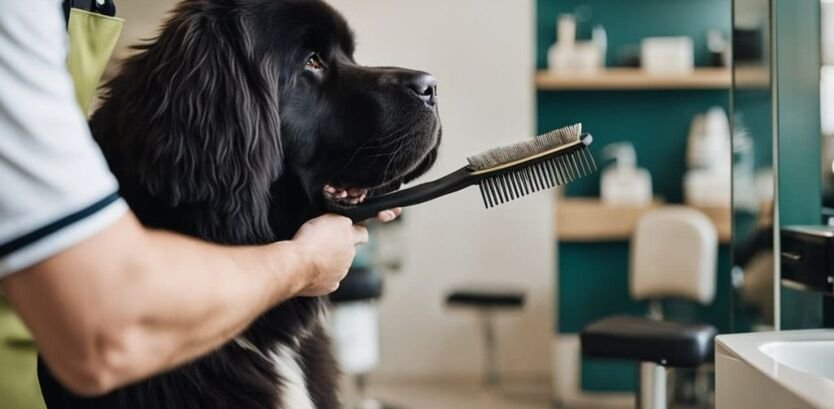
That dense, water-resistant coat that protected them in the icy Atlantic requires commitment. The Newfoundland dog breed needs regular grooming to stay healthy, comfortable, and free of mats.
Brushing: The Daily Duty
Newfies shed year-round, and they “blow their coat” (shed heavily) twice a year during seasonal changes.
- Weekly Brushing (Minimum): Use a slicker brush and a long-toothed metal comb to reach through the thick topcoat and remove dead hair from the dense undercoat. Pay extra attention to areas where matting occurs easily, such as behind the ears, on the legs, and under the tail.
- Daily During Shedding Season: When they are blowing their coat, daily brushing is often necessary to keep the hair under control. Investing in a powerful dog vacuum might save your sanity (and your furniture).
Bathing and Coat Care
While their coat is naturally oily and water-resistant, regular baths are still necessary, usually every 4 to 6 weeks, or whenever they get particularly muddy (which happens often!).
- Use the Right Tools: A high-velocity blow dryer is an invaluable tool for a Newfie. It helps blow out the dead undercoat and, more importantly, ensures their entire thick double coat is completely dry after a bath. If the undercoat stays damp, it can lead to skin problems.
- Ear Care: Newfies have floppy ears that can trap moisture, especially since they love to swim. Clean their ears weekly or immediately after swimming to prevent infections.
Nails and Teeth
- Nail Trimming: Because they are so heavy, long nails can affect their posture and walking, potentially aggravating joint issues. Trim their nails every 2-3 weeks. If you hear them clicking on the floor, they are too long.
- Dental Hygiene: Like all dogs, daily or weekly teeth brushing with dog-specific toothpaste is ideal for preventing dental disease.
Conclusion
The Newfoundland dog breed is more than just a large, furry pet; they are noble companions with a deep history of serving and saving people. They require dedication, especially when it comes to grooming and health monitoring, but they repay that effort tenfold with unmatched loyalty, patience, and affection.
They are a loving fixture in any family that welcomes them, bringing a quiet strength and a deep, soulful presence into the home. If you are prepared for the size, the drool, and the hair, you will find the Newfie to be one of the most rewarding and devoted companions a person could ever ask for. They truly are the gentle giants of the dog world.
Frequently Asked Questions (FAQs)
1. Are Newfoundland dogs good with small children?
Yes. Newfoundlands are known as “Nanny Dogs” because they are exceptionally patient, gentle, and calm with children. Due to their huge size, supervision is always required with toddlers to prevent accidental knocking over.
2. How much does a Newfoundland drool?
Quite a lot. They are known for significant drooling, especially after drinking or eating, due to their loose lips (flies). Owners should be prepared to slobber on floors and furniture.
3. Does the Newfoundland dog breed shed a lot of hair?
Yes, constantly. They have a dense double coat that sheds moderately year-round and heavily (blowing the coat) twice a year. Regular, thorough brushing is essential.
4. How much exercise does a Newfoundland need?
They need a moderate amount of exercise, usually 30 minutes to an hour daily. Swimming is the best low-impact activity for them. Always avoid strenuous exercise in hot weather, as they overheat easily.
5. Are Landseer and Newfoundland the same breed?
It depends on the country. In the US and UK, the Landseer (black and white) is considered a color variation of Newfoundland. In parts of Europe, it is recognized as a separate, distinct breed.