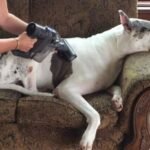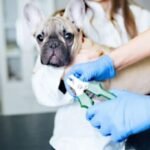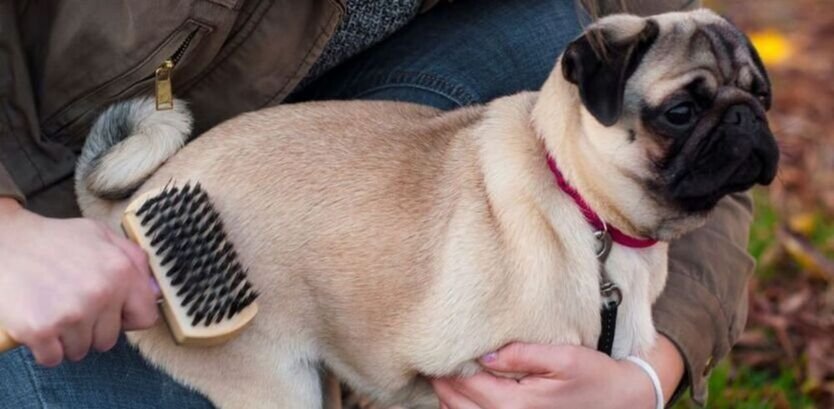
If you are reading this, then you know that your pug is your best friend! Just like you wouldn’t let your human best friend walk around with unbrushed teeth, ratted hair, and long gangly nails, don’t let your pug best friend do it either.
Like humans, pugs require grooming and care. So let’s go over the steps you need to take to make sure your best friend looks and feels his best. Grooming a pug is actually very enjoyable! Pugs love attention and appreciate being handled by the person they love the most, you!
Some grooming tasks are easier and more fun than others, but all are important. Since pugs tend to shed a lot, they need brushing to help minimize shedding and keep their coats glossy and healthy.
Pugs have those cute facial folds that can get infected or stinky if not cleaned regularly. Like any other dog, pugs need their nails trimmed. Pugs also are prone to having their anal sacs fill, and if your pug isn’t able to drain them while taking care of business, then a groomer can help.
Aren’t pugs one of the cutest (squishiest) breeds of dogs? They are cute and cuddly but there are actually a lot of things that make pugs different from other dog breeds. Many of these differences have to do with how we care for, clean, and groom our pug.
One of the most prominent features of pugs is their smushed looking faces. While these faces are absolutely adorable, they also require extra cleaning steps. We broke it down for the busy pug mom on the go. Who has time to read a whole book on pug grooming?
That’s why we have our 10 Minute Pug Grooming Tips up top, and down below we go into a deep dive on pug grooming that will answer any questions from cleaning folds, to bathing, to clipping your pugs nails.
Pugs may not have long flowing coats like some other breeds, but that doesn’t mean they’re low-maintenance. In fact, their short fur, facial folds, and floppy ears create the perfect environment for dirt, moisture, and bacteria to hide. Without regular grooming, pugs are at risk for skin infections, ear problems, and general discomfort.
Pug Grooming Requirements
To keep your pug in top shape, you need to understand their unique anatomy. Pugs are brachycephalic, which is just a fancy way of saying they have short faces and small airways. This means they can overheat easily during grooming or get stressed if they feel they can’t breathe well.
The first requirement for pug grooming is a consistent schedule. Because their skin folds trap moisture and debris so easily, you can’t just wait for them to look dirty. By then, an infection might already be starting.
Daily maintenance should include a quick wipe of their facial wrinkles and an eye check. Since their eyes bulge slightly, they are magnets for dust and hair. A simple daily wipe with a soft, damp cloth prevents eye gunk from building up.
Weekly tasks involve a deep brushing. Even though they have short hair, pugs are legendary shedders. Brushing twice a week with a rubber curry brush or a de-shedding tool will save your vacuum cleaner a lot of work.
Monthly requirements include a full bath, nail trimming, and ear cleaning. Pugs have heavy ears that fold over, trapping wax and moisture. Cleaning them once or twice a month with a vet-approved solution keeps them smelling fresh.
Don’t forget the teeth! Pugs have the same amount of teeth as a big dog but in a much smaller mouth. This leads to crowding and fast plaque buildup. Brushing their teeth at least three times a week is a non-negotiable requirement for their long-term health.
The 10-Minute Morning Pug Refresh
If you are a busy pug parent, you might feel overwhelmed by the list of chores. But you can keep your pug in great shape with a simple ten-minute routine every morning. This ensures that nothing gets out of control.
Spend the first two minutes on the wrinkles. Grab a fresh pet wipe and gently slide it through the nose fold and the folds under the eyes. If the wipe comes out brown or smelly, do a second pass.
The next three minutes should be spent on the eyes and ears. Check for any redness or discharge. Use a fresh corner of your wipe to clear any morning sleep from the corners of their eyes. Gently peek into the ears to make sure they aren’t red.
Use the remaining five minutes for a quick brush. Even a short daily brushing session can reduce the amount of fur on your furniture by half. It also stimulates the skin’s natural oils, giving your pug that famous healthy glow.
Finish this routine with a small treat. When your pug associates the grooming routine with a tasty reward, they will start reminding you when it is time to get cleaned up!
Pug Puppy Grooming Guide
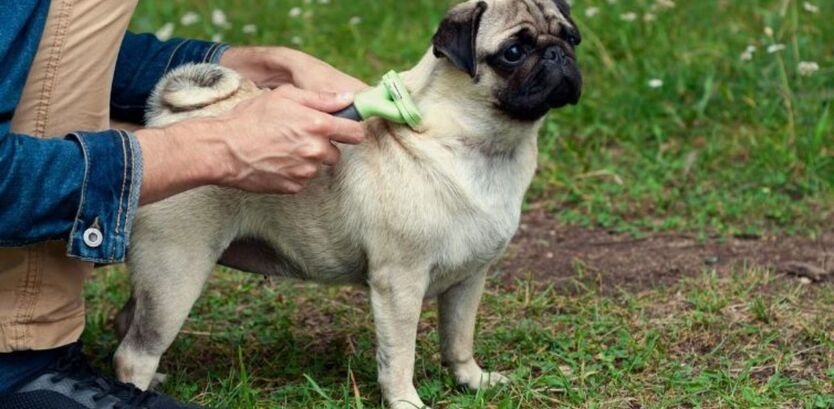
Starting early is the golden rule for pug puppies. If you wait until they are adults to clip their nails or clean their ears, you might end up with a wiggly, stubborn dog who hates the process.
For the first 60 days, keep things very gentle. You don’t usually need a full bath for a young puppy unless they get into something messy. Instead, use dry baths with pet-safe wipes to get them used to the feeling of being handled.
The most important part of a pug puppy grooming guide is desensitization. This means touching their paws, ears, and tail every single day. Give them a tiny treat every time you touch a scary area like their feet.
Introduce the brush early. Even if they don’t have much hair to shed yet, the sensation of the brush should be associated with praise and snacks. This builds a positive bond and makes future shedding seasons much easier for both of you.
Pay special attention to the nose wrinkle even in puppyhood. Milk or food can get trapped in there while they eat. Start the habit of a quick after-meal wipe now so they expect it as they grow.
Always use products specifically designed for puppies. Their skin is more sensitive than adult skin, and human shampoos can strip their natural oils, leading to itchy, flaky skin.
Pug Grooming Tips
If you want to master pug grooming, you need a few pro tricks in your sleeve. Here are some effective pug grooming tips to make your life easier:
- The Lick Mat Trick: Spread some dog-safe peanut butter on a lick mat and stick it to the side of the tub. This keeps your pug’s snout busy while you focus on the bathing or nail trimming.
- Brush Outside: Since pugs can lose a second dog’s worth of fur in one sitting, always do your heavy brushing outdoors. The wind will take away the floaty hairs instead of letting them settle on your rug.
- Dry is Key: After cleaning wrinkles or bathing, the most important step is drying. Use a soft tissue or a dry cotton ball to soak up every bit of moisture in those folds. Bacteria love damp spots!
- Check the Tail Pocket: Many people forget the area under the pug’s curly tail. Dirt can hide there just like in the face wrinkles. A quick wipe here prevents stinky tail syndrome.
- Use the Right Tools: A standard brush doesn’t always work on a pug’s dense coat. A rubber curry mitt or a stainless steel de-shedding tool is much more effective at grabbing the loose undercoat.
Always keep a styptic powder or cornstarch nearby when clipping nails. If you accidentally cut the quick (the blood vessel), a little powder will stop the bleeding instantly.
Pug Grooming At Home
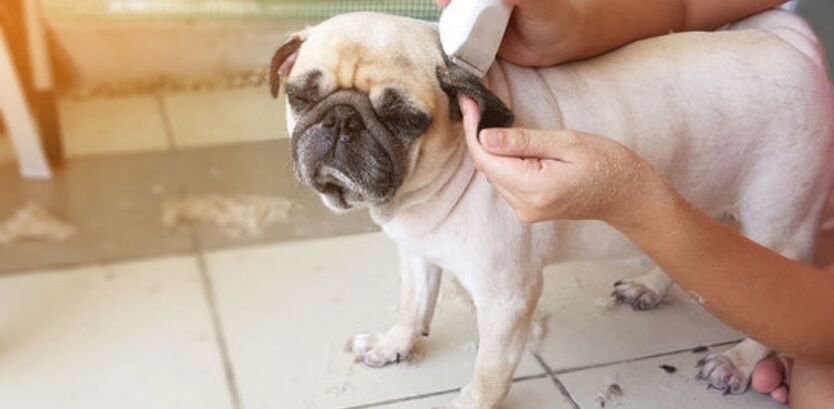
You don’t need a professional groomer to have a dapper pug. Pug grooming at home is totally doable with the right setup. Start by gathering your Pug Spa Kit.
You will need a rubber brush, a high-quality dog shampoo (oatmeal or aloe-based is great for their sensitive skin), ear cleaner, unscented wipes, and a pair of sturdy nail clippers or a nail grinder.
The Bathing Process: Put a towel or a non-slip mat at the bottom of the sink or tub. Pugs can get panicky if they feel their feet slipping. Use lukewarm water, never hot.
Lather them up from the neck down. Be very careful not to get soap or water directly into their eyes or ears. For the face, skip the sprayer and just use a damp washcloth to wipe away dirt.
Rinse until the water runs completely clear. Any soap left behind can cause a hot spot or itchy rash. Once finished, towel dry them thoroughly. If you use a blow dryer, keep it on the cool or low setting to avoid overheating.
Managing the Shedding: For pugs with a double coat (usually the fawn ones), shedding is a year-round event. At home, you can control this by brushing every other day.
If you notice your pug’s skin is getting dry or they are shedding more than usual, check their diet. Adding a bit of fish oil or omega fatty acids to their food can help keep the coat healthy from the inside out.
Proper Grooming for Pug
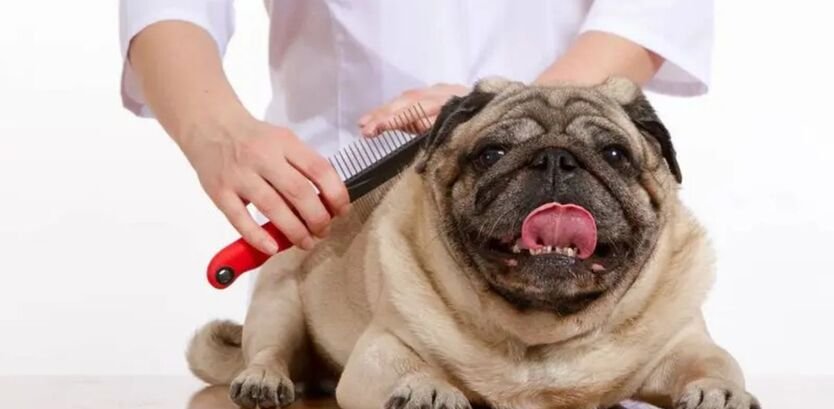
Proper grooming for a pug isn’t just about looks; it is about health. When you follow these pug grooming guides, you are actually performing a mini-health check on your dog.
While you are brushing, look for skin issues. Pugs are prone to allergies and dermatitis. If you see red bumps, flaky skin, or if your pug is scratching a lot, it might be time for a vet visit.
Eye Care: Because pug eyes are so prominent, they can easily get scratched or develop ulcers. If you see your pug squinting, or if their eyes look cloudy, don’t wait. Proper eye care means checking them every single day for redness or unusual discharge.
Nail Care: If you hear click-click-click on the floor, the nails are too long. Long nails can actually change the way a pug walks and lead to joint pain later in life. Aim for a trim every 3 to 4 weeks.
Dental Health: Don’t ignore the mouth! Use a dog-safe toothbrush and flavored toothpaste. If your pug hates the brush, try finger brushes or dental wipes. It prevents stinky breath and expensive vet bills for tooth extractions.
Seasonal Grooming Strategies
Pugs are very sensitive to the weather, and your grooming routine should change with the seasons. In the Summer, your main goal is keeping them cool. A thick, shedding coat can act like a heavy winter coat in the heat.
More frequent brushing in the summer helps air reach their skin. Also, check their paw pads after walks on hot pavement. You might need to apply a soothing paw balm if their feet get dry or cracked.
In the Winter, the dry indoor air can make a pug’s skin very itchy. You might notice more dander (white flakes) on their back. During these months, you can use a moisturizing spray or conditioner after their bath to keep the skin hydrated.
Also, be careful with the wrinkles in winter. If your pug plays in the snow, moisture can get trapped in the folds and freeze or cause a cold, damp irritation. Always dry the face thoroughly after every outdoor adventure.
Understanding the Pug “Double Coat”
Many new owners are surprised by how much a short-haired dog can shed. Most fawn pugs have a double coat, which consists of a soft, insulating undercoat and a coarser outer coat.
Black pugs often have a single coat, but not always. If your pug has a double coat, they will go through a heavy shedding period twice a year, usually in the spring and fall. This is often called blowing the coat.
During these times, you may need to brush your pug daily. Using a de-shedding tool that reaches through the top layer to pull out the dead undercoat is the only way to keep your house fur-free.
If you ignore the undercoat, it can become compacted against the skin. This prevents air from circulating, which can lead to skin infections or a very smelly dog. Regular brushing is the best way to prevent this.
Maintaining the “Pug Glow”
A healthy pug should have a coat that feels velvety and looks shiny. This glow comes from a balance of good nutrition and regular hygiene.
If your pug starts to smell yeasty or like corn chips, it’s usually a sign that moisture is trapped somewhere, usually in the ears, between the toes, or in the facial folds. A quick cleaning routine will usually solve this.
Remember, pugs are sensitive souls. They feed off your energy. If you are stressed during grooming, they will be too. Keep your voice calm, keep the treats flowing, and make it a time for bonding.
Conclusion
Mastering your pug grooming guides is the best gift you can give your squishy-faced friend. While they might require a bit more face time than other breeds, the bond you build during these grooming sessions is priceless.
A clean pug is a comfortable pug. By staying consistent with wrinkle cleaning, managing that legendary shedding, and keeping those nails short, you are ensuring your sturdy companion lives a long, happy life on the sofa.
Stay patient, keep the snacks handy, and enjoy the process. Your pug doesn’t just want to look like a masterpiece, they want to spend that quality time with you!
Frequently Asked Questions
How often should I clean my pug’s wrinkles?
Ideally, you should wipe them daily, especially after meals. At a bare minimum, aim for 3 times a week. This prevents bacteria and yeast from growing in the warm, dark folds of their skin.
Do black pugs shed less than fawn pugs?
Generally, yes! Many black pugs have a single coat, meaning they lack the thick undercoat that fawn pugs have. This leads to much less shedding, though they still need regular brushing.
Can I use baby wipes on my pug?
You can use unscented, alcohol-free baby wipes for a quick clean. However, specialized pet wipes are better because they are balanced for a dog’s skin pH, which is different from a human’s.
Why does my pug hate getting its nails trimmed?
Pugs are very sensitive about their paws. If they had a bad experience where the quick was cut, they might be scared. Use lots of high-value treats and try a nail grinder instead of clippers to see if they prefer it.
How do I know if my pug has an ear infection?
Look for signs like head shaking, scratching at the ears, or a dark, waxy discharge. If the ear smells sour or yeasty, or if the inside looks very red, it’s time to see the vet.