Pugs have been capturing hearts and snuggling into their owners’ laps for generations. With their wrinkly faces, signature curly tails, and playful personalities, it’s no wonder they’re one of the most popular dog breeds in the world.
These small, sturdy dogs are often described using the Latin phrase multum in parvo, which means “much in little.” It’s the perfect way to describe this breed!
Behind that charmingly squished face is a massive personality. The Pug is a devoted, mischievous, and overwhelmingly loving companion.
Whether you’re already a proud Pug parent, thinking about adopting one, or just a fan of their comical antics, this comprehensive guide will cover everything you need to know. We’ll dive deep into their ancient history, unique colors, essential care, and the best ways to keep your little clown healthy and happy.
Pug Dog Breed History
The history of the Pug dog breed is as long and fascinating as their curled tail. These adorable dogs are one of the oldest breeds in existence. Their story involves Chinese emperors, European royalty, and even a heroic act that changed history.
The Dynasty of Wrinkles: Origins in Ancient China
The Pug’s story begins in China, dating back to before 400 B.C.
These dogs were highly prized companions of the ruling elite and Chinese Emperors. They lived in luxury, sometimes even guarded by soldiers!
The distinct wrinkles on their forehead were particularly valued. They were thought to resemble the Chinese character for “prince,” making them symbols of good luck and high status.
Two types of short-nosed dogs were popular at the time: the “Lion Dog” (likely the Pekingese) and the “Lo-Sze,” which is widely believed to be the ancestor of the modern Pug.
From the imperial palace, the breed later spread to other parts of Asia, including Tibet, where Buddhist monks kept them as cherished pets in their monasteries.
From the East to European Royalty
Pugs were first brought to Europe in the 16th century by Dutch traders, often traveling with the Dutch East India Company. They quickly became fashionable among European royalty.
Their popularity skyrocketed in the Netherlands, especially after one very heroic Pug saved a prince.
In 1572, a Pug named Pompey is credited with saving the life of William, Prince of Orange. Pompey alerted the prince to a surprise attack by Spanish troops, cementing the Pug dog breed as the official dog of the House of Orange.
The breed’s royal status continued when William III and Mary II brought their Pugs to England in 1688 to accept the throne.
Later, in France, Napoleon’s wife, Joséphine, relied on her Pug, Fortune, to carry secret messages to her family under his collar while she was imprisoned.
The Modern Pug: A Household Favorite
Queen Victoria of England was also a devoted Pug owner, and she actively bred them. This royal endorsement helped popularize the breed among the public.
It was during this era that the breed was refined, moving toward the standards we know today. Black Pugs, which were imported directly from China, made their first appearance in England around 1886.
The Pug dog breed was first officially recognized by the American Kennel Club (AKC) in 1885. From being companions to emperors and queens, they have become the ultimate, universally loved family pet.
Pug Dog Breed and Characteristics
The Pug’s physical appearance is instantly recognizable. They are toy dogs known for their square, compact body and unique, expressive facial features.
Physical Appearance
A mature Pug typically stands about 10 to 13 inches tall at the shoulder and weighs between 14 and 18 pounds. They are small but sturdy and surprisingly muscular.
Their most famous characteristics include:
- Head and Face: The head is large and round, featuring a short, flat black muzzle. The face is covered in deep, distinct wrinkles that owners must clean regularly.
- Eyes: They have large, prominent, dark, and expressive eyes that give them a perpetually surprised or endearing look.
- Ears: The ears are thin, small, and velvety soft, usually folded into a “button” shape.
- Tail: The tail is a defining feature, curled tightly over the hip. A double curl is considered highly prized in the show ring!
- Coat: The coat is short, fine, and glossy. Despite their short hair, Pugs shed quite a bit, so be prepared for some fluff!
Colors and Types
While you might only see fawn and black Pugs in the show ring, the breed comes in a surprising array of colors and even some fascinating crossbreeds.
Officially Recognized Colors (AKC/KC)
The two most recognized and common colors are:
- Fawn: This is the most common color. It ranges from a pale cream or light beige to a warm apricot hue. Fawn Pugs have a distinct black mask on their face, black ears, and a black “trace” line running down their back.
- Black: These Pugs have a solid, glossy black coat. They share the same wonderful personality as their fawn counterparts but are slightly less common.
Unofficial and Rare Colors
Breeders have worked to produce variations, often leading to beautiful, though not always show-eligible, colors:
- Apricot Fawn: A warmer, richer, slightly orange-gold shade of fawn.
- Silver Fawn: A cooler, pale beige-gray color that can look almost silver.
- White: An uncommon color, often resulting from specific genetics.
- Brindle: Pugs with dark stripes over a lighter base. This pattern is believed to result from cross-breeding with other breeds, like French Bulldogs, and is not accepted by major kennel clubs.
Temperament: The Heart of the Pug
The personality of the Pug dog breed is where they truly shine. They are known for being:
- Charming and Playful: Pugs are the definition of “clowns.” They love to be the center of attention and will use their goofy antics to make their humans laugh.
- Affectionate and Devoted: They thrive on human companionship. They are true lap dogs and are never happier than when they are touching or resting on their favorite person.
- Sociable: Pugs generally get along very well with children, other dogs, and even cats. They are easygoing and adaptable, making them fantastic family pets.
- Intelligent but Stubborn: They are smart and eager to please, but they also have an independent, sometimes stubborn, streak. Training requires patience and lots of positive reinforcement.
- Even-Tempered: Despite their playfulness, Pugs are generally very stable and laid-back dogs. They don’t require intense exercise and are quite happy with a moderate lifestyle.
Pug Dog Food and Nutrition

Proper nutrition is incredibly important for the Pug dog breed, mainly because they have two major hurdles: a tendency to gain weight and their brachycephalic (flat-faced) eating style.
The Pug’s Relationship with Food
Pugs love to eat! They have been described as living to eat, which means owners must be strict with portion control.
Because of their small size, it takes very few extra calories to push a Pug into an unhealthy weight range. Obesity can severely worsen their natural breathing difficulties and put painful stress on their joints.
Choosing the Right Food
When selecting food for your Pug, quality and form are key.
- High-Quality Protein: Look for dog foods that list a real meat source (like chicken, lamb, or fish) as the first ingredient. Protein is vital for maintaining their sturdy muscle mass.
- Healthy Fats: Essential fatty acids, particularly Omega-3s (EPA and DHA), are crucial. These help keep their famous glossy coat shiny and support overall skin health, which is important given their tendency toward skin issues.
- Controlled Calories: Choose formulas labeled for small breeds or weight management. You must monitor their calorie intake closely.
Kibble Shape and Size
The Pug’s short muzzle and crowded teeth can make eating difficult. They often struggle to pick up and chew large, round kibble pieces.
Many owners opt for breed-specific kibbles (often cloverleaf or star-shaped) or small-breed kibbles. These are easier for a Pug to scoop up and chew properly, which prevents them from just gulping down their food and potentially inhaling air, which can cause digestive upset.
Feeding Schedule and Portion Control
Adult Pugs should typically be fed two small, measured meals per day. This is better for their digestion and helps manage hunger throughout the day.
- Puppies need three to four small meals daily to support their rapid growth.
- Adults generally need about 1/2 to 1 cup of high-quality dry kibble per day, split between those two meals, depending on their weight and activity level. Always follow your veterinarian’s and the food bag’s specific instructions.
- Treats should be small and given sparingly, making up no more than 10% of their total daily calories.
Actionable Takeaway: Slow Down Mealtime
Consider using a slow-feeder bowl or a puzzle toy for meals. This forces the Pug to take their time eating, which is better for digestion and provides great mental stimulation.
Pug Dog Health Issues

While the average Pug dog breed lifespan is a respectable 12 to 15 years, their unique physical structure makes them prone to specific health issues. As a responsible Pug owner, understanding these potential concerns is the best way to keep your dog healthy and comfortable.
Brachycephalic Airway Syndrome (BAS)
This is the most significant health concern related to the Pug’s adorable flat face. “Brachycephalic” means short-headed.
Their flattened skull structure can cause several problems, including:
- Narrow Nostrils: Making it harder to draw in air.
- Elongated Soft Palate: Flaps of tissue that can block the windpipe.
- Narrowed Trachea: A smaller windpipe than other breeds.
These factors make breathing difficult, leading to the characteristic snoring, snorting, and snuffling sounds. In severe cases, it requires surgery to correct.
Risk of Overheating
Because dogs cool themselves primarily through panting, their restricted airways make Pugs highly sensitive to heat and humidity.
They can overheat very quickly, which is a medical emergency. Always take precautions:
- Avoid exercise during the hottest parts of the day.
- Ensure constant access to cool water and shade.
- Never leave a Pug alone in a car, even on mild days.
Eye Concerns
The Pug’s large, prominent eyes sit in shallow sockets, making them vulnerable to injury.
- Corneal Ulcers: Scratches on the surface of the eye are common.
- Dry Eye (KCS): The eyes don’t produce enough tears, leading to dryness and irritation.
- Proptosis: In rare but serious cases, a sharp blow or even a vigorous neck shake can cause the eyeball to pop out of its socket. This is an emergency requiring immediate veterinary attention.
Skin Fold Dermatitis
Those beloved wrinkles are a dark, moist, and warm environment—perfect for bacteria and yeast to grow.
If not cleaned daily, the skin folds around the muzzle, nose, and tail can develop painful infections. This is known as skin fold dermatitis.
Joint and Spinal Issues
Despite their sturdy build, Pugs can be prone to certain skeletal problems:
- Hip Dysplasia: An inherited condition where the hip joint doesn’t fit properly, which can lead to pain and arthritis.
- Legg-Calve-Perthes Disease: A condition affecting the hip joint, typically seen in young Pugs, where blood flow to the femur is restricted.
- Spinal Issues: The highly desired curled tail is caused by fused or wedge-shaped vertebrae, which can sometimes lead to instability or nerve compression in the spine.
Pug Dog Encephalitis (PDE)
This is a rare but serious, often fatal, neurological disease that affects the central nervous system. It is thought to be an inherited autoimmune disease. Reputable breeders should screen for this condition.
Behavior and Training Tips of Dog
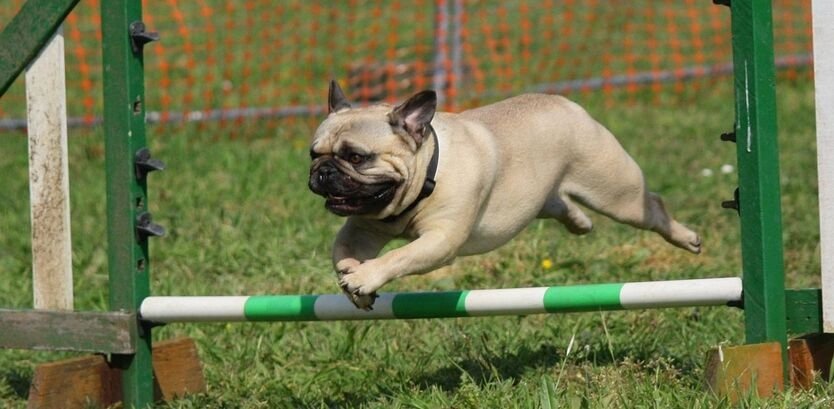
Training a Pug dog breed can be a uniquely rewarding experience. They are highly motivated by food and thrive on positive attention, but their independent nature and short attention span mean you need to adjust your methods.
Training Philosophy: Positive and Playful
Pugs are sensitive dogs. They respond poorly to scolding or harsh correction. The key to successful training is keeping it light, fun, and highly rewarding.
- Positive Reinforcement is King: Use high-value treats (their favorite!) and enthusiastic verbal praise (“Good boy!”) the moment they perform a desired action.
- Keep Sessions Short: Pugs are prone to losing interest quickly. Keep training sessions brief around 5 to 10 minutes but do them frequently throughout the day. End every session with success!
- Start Early: Begin socialization and basic obedience training the very day you bring your Pug puppy home. Early, positive exposure to new sights, sounds, people, and dogs helps them grow into confident adults.
House Training Challenges
Pugs can sometimes be a little challenging to house train because of their small bladders and independent streak. Consistency is the most important factor.
- Establish a Schedule: Take your puppy outside first thing in the morning, immediately after waking up from a nap, after every meal and drink, and right before bedtime.
- Reward Success: Go outside with them and give an immediate, enthusiastic reward when they eliminate outdoors.
- Never Punish Accidents: Accidents will happen. Simply clean them up without scolding, as punishment will only make your Pug fearful of going to the bathroom in front of you.
Managing Common Pug Behavior
Separation Anxiety
Pugs are “Velcro dogs” and form strong attachments to their owners. They can easily develop separation anxiety when left alone.
- Crate Training: A crate can be a safe, comfortable den, but it should never be used for punishment. Make it cozy with bedding and toys.
- Gradual Practice: Start by leaving your Pug alone for just a few minutes, then slowly increase the duration over weeks. Give them a puzzle toy when you leave to distract them.
Leash Training
Because of their brachycephalic airway, never walk a Pug using a neck collar. A harness is essential to prevent pressure on their delicate throat and windpipe.
- Use a sturdy, well-fitting harness.
- Reward them for walking politely beside you with a loose leash. If they pull, simply stop walking until the leash slackens, then resume.
Controlling Begging
Pugs are masters of the “Pug-dog eyes” and will beg for food constantly. Giving in reinforces the behavior and contributes to obesity.
- No Table Scraps: Be absolutely firm that no human food will be given from the table.
- Use a Place Command: Teach them to go to a designated bed or mat during family meals and reward them there for calm behavior.
Pug Dog Grooming Guides

Grooming a Pug dog breed is generally easy but requires daily attention to their unique features especially the wrinkles!
Coat Care and Shedding
The Pug’s short, glossy coat comes with a surprising amount of shed hair. Many Pugs are double-coated, which means they shed year-round, often heavily during seasonal changes.
- Brushing: Brush your Pug’s coat every one to three days. Use a rubber grooming mitt or a slicker brush to grab all that loose, dead undercoat before it ends up on your furniture.
- Bathing: Pugs don’t need to be bathed too often—typically once every 3 to 4 weeks. Over-bathing can dry out their sensitive skin. Always use a gentle, dog-specific shampoo.
Wrinkle Care: The Daily Must-Do
This is the most important part of Pug grooming! Their facial wrinkles trap moisture, food, and debris, which can quickly lead to infection and odor.
- Wipe Daily: A minimum of once a day, and ideally after every meal, use a soft, fragrance-free grooming wipe, cotton pad, or a slightly damp washcloth to gently clean inside every single fold.
- Dry Thoroughly: After cleaning, it is absolutely essential to dry the skin folds completely. Use a dry cotton pad or simply hold the wrinkle open to air-dry. The area must be dry to prevent bacterial growth.
- Check the Tail Curl: The skin under the tail curl should also be checked and cleaned regularly.
Other Essential Grooming Tasks
- Nails: Pugs’ nails grow quickly and should be trimmed every 3 to 4 weeks. If you hear their nails clicking on the floor, they are too long. Long nails can affect their comfort and gait.
- Ears: Check their ears weekly for redness, odor, or discharge. Wipe the inside of the ear flap with a vet-approved cleaning solution.
- Dental Care: Due to their crowded teeth, Pugs are highly prone to dental disease. You should aim to brush their teeth daily with dog-specific toothpaste to prevent tartar buildup, which is a major health risk.
Conclusion:
The Pug dog breed is truly a special creature. They manage to pack the dignity of a royal companion and the comic mischief of a clown into one small, loving package.
They are adaptable, affectionate, and utterly devoted to their families, thriving in almost any setting as long as they are close to their humans.
While they come with their own set of specific care requirements namely weight management, breathing concerns, and daily wrinkle cleaning the love, laughter, and companionship they offer in return are priceless.
Frequently Asked Questions (FAQs)
What is a group of Pugs called?
A group of Pugs is called a Grumble.
Do Pugs shed a lot?
Yes, Pugs shed surprisingly heavily, often year-round, despite having short hair. Regular brushing is essential.
Are Pugs good with kids and other pets?
Yes, Pugs are generally excellent with children and other pets due to their patient, sociable, and stable temperament.
What is the most important thing to know about owning a Pug?
The most important thing is that as a flat-faced (brachycephalic) breed, Pugs cannot handle heat or intense exercise well. Owners must strictly manage their weight and keep them cool to prevent serious breathing emergencies.