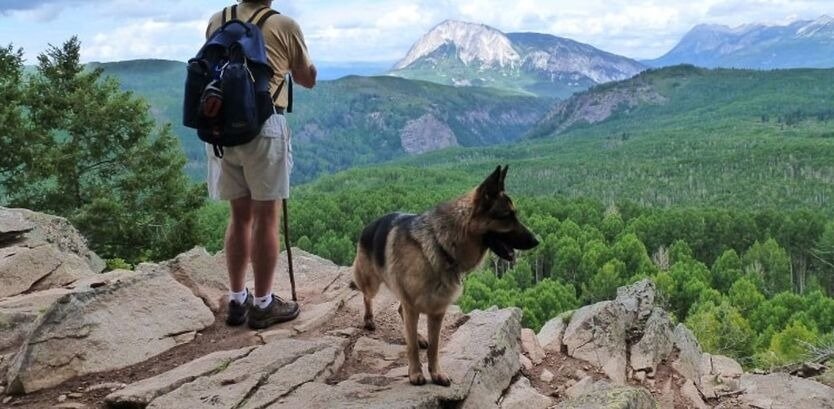
Unleash the noble explorer in your German Shepherd and transform every rugged trail into a legendary expedition! Renowned for their unmatched endurance and sharp intelligence, German Shepherds are the ultimate all-terrain companions. They happily trade the living room for the wilderness with focused intensity.
Every dog needs a proper amount of activity to stay fit and healthy. Since the German Shepherd’s energy level is moderately high to high, they are no exception. If you left your German Shepherd Dog or puppy in a room all the time, it would affect their health.
It is really important to implement proper exercise and train them on a regular basis. They are keenly intelligent, so you can easily teach them exercises and tricks. We are here to help you channel that legendary “working dog” drive into trail mastery.
Whether you are navigating high-altitude ridges or tracking through forest pines, you will learn how to fuel their engine and protect those tireless paws. Get ready to capture the ultimate “alpine guardian” photo with a companion who is as fearless on the ascent as they are devoted at your side!
Can a German Shepherd Hike?
The short answer is a resounding yes! German Shepherds are widely considered one of the best hiking breeds in the world. Originally bred as herding and working dogs, they possess a natural athletic build and a “can-do” attitude that makes them perfect for the trail.
Natural Endurance and Drive
German Shepherds have a “ground-covering” trot. This means they can move efficiently over long distances without wasting much energy. Their high drive means they won’t quit when the trail gets a bit steep. In fact, they often enjoy the challenge of a technical climb.
All-Terrain Capabilities
With their strong legs and deep chests, these dogs are built for power. They can navigate rocky paths, hop over fallen logs, and trek through mud with ease. Their thick double coat also provides a layer of protection against brush and varying temperatures.
The Mind of a Hiker
Hiking isn’t just physical for a German Shepherd; it is mental. They love having a “job” to do. When you are on the trail, they feel like they are part of a pack mission. This mental stimulation is just as important as physical exercise.
Hiking with German Shepherd Puppy
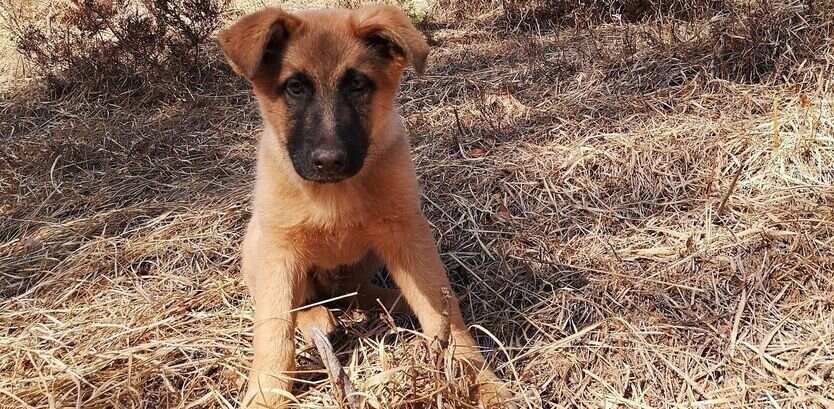
While adult German Shepherds are trail kings, puppies are a different story. You might be itching to take your new fluffy friend into the woods, but patience is your best friend here.
The Danger of Over-Exercising
German Shepherd puppies grow incredibly fast. Their bones and joints are still developing, and their “growth plates” do not fully close until they are 18 to 24 months old. Forcing a puppy to do long, strenuous hikes too early can lead to permanent joint damage or hip dysplasia later in life.
The Five-Minute Rule
A good rule of thumb is five minutes of formal exercise per month of age, up to twice a day. For example:
- A 3-month-old puppy: 15 minutes of walking.
- A 6-month-old puppy: 30 minutes of walking.
Puppy Trail Training
Instead of focusing on distance, use “hiking” as a socialization tool. Take your puppy to the trailhead just to watch people and other dogs. Let them sniff the forest floor and get used to the sounds of nature. This builds a confident adult dog who won’t spook at a rustling bush.
German Shepherd Walking Guide

Before you hit the mountain, you need to master the neighborhood walk. A German Shepherd who pulls on a flat sidewalk will be a nightmare on a slippery mountain switchback.
Mastering the “Heel”
German Shepherds are strong. If they decide to chase a squirrel while you are on a narrow ledge, things can get dangerous. Spend time training a “focused heel” where the dog looks at you for direction.
Leash Etiquette
A standard 6-foot leash is usually best for training. Retractable leashes are generally discouraged on trails because they can get tangled in brush or snap if a 80-pound dog lunges. For more freedom, consider a “long line” (15–30 feet) only in wide-open, safe areas.
Tire Them Out Mentally
A simple walk can be boring for a genius breed. Change your pace, practice “sit-stays” every few blocks, or ask them to jump over small obstacles. This teaches them that walking with you is an active, engaging task.
German Shepherd Hike Safety
When you finally transition to a real hike, safety becomes your top priority. These dogs are stoic and will often hide pain to keep up with you.
Joint Care and Support
Because of their size and genetics, German Shepherds are prone to hip and joint issues.
- Warm-ups: Start the hike with 10 minutes of slow walking to lubricate the joints.
- Supplementation: Talk to your vet about starting joint supplements early.
- Weight Management: Keep your dog lean. Even a few extra pounds put massive stress on their hips during a descent.
The “High-Performance Engine”
German Shepherds burn a lot of fuel.
- Hydration: They need significantly more water than you. Offer small amounts of water every 20 minutes.
- Trail Snacks: Bring high-protein treats to keep their energy levels steady.
- The Bloat Risk: Never feed a large meal right before or right after heavy exercise. This can lead to a life-threatening condition called Gastric Torsion (Bloat).
Protecting Those Paws
Sharp rocks, hot sand, or icy snow can tear a dog’s paw pads. Check their feet frequently for cuts or “foxtails” (sharp seeds that can burrow into the skin). Many owners use paw wax or even dog booties for rough terrain.
German Shepherd Good Hiking Dogs
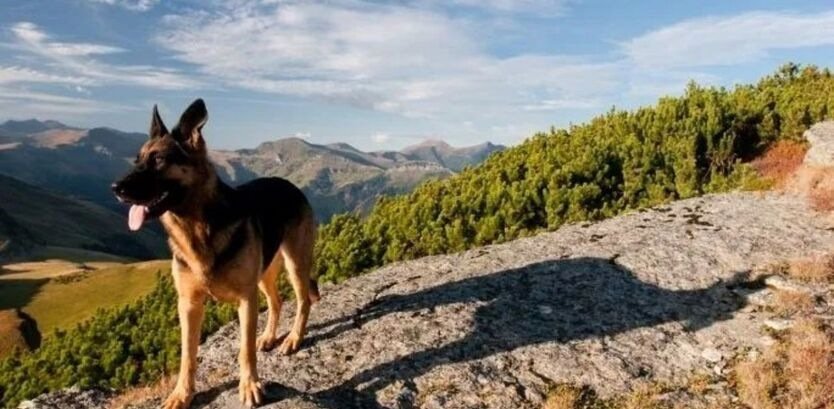
What makes them so special compared to other breeds? It’s the combination of loyalty and versatility.
The Alpine Guardian
German Shepherds are naturally protective. While you should never encourage aggression, their presence alone often makes hikers feel safer. They are alert and will often “alert” you to wildlife long before you see it.
They Can Help Carry the Load
Once your dog is fully grown (usually after 2 years), they can wear a dog backpack. This gives them a sense of purpose. They can carry their own water, poop bags, and treats. Just make sure the pack never exceeds 10-15% of their body weight.
Weather Resilience
Thanks to their double coat, they can handle a variety of climates. They stay warm in the winter and, if brushed out properly, can handle moderate heat better than many other breeds.
Training Tips for Trail Mastery
- Step Aside: Train your dog to move off the trail and sit when other hikers pass. This is polite and keeps everyone safe.
- Leave It: This is the most important command. It prevents your dog from eating toxic mushrooms or chasing wildlife.
- The “Check-In”: Reward your dog every time they look back at you during the hike. This strengthens your bond and keeps them from wandering too far.
Conclusion
Hiking with your German Shepherd is more than just exercise; it is an adventure that builds a bond unlike any other. By respecting their growing bodies as puppies and protecting their joints as adults, you ensure they stay by your side for many years of trail-blazing.
Remember to pack the right gear, stay hydrated, and always “leave no trace.” Your German Shepherd was born to explore the wild now it’s time to show them the way!
Frequently Asked Questions
How many miles can a German Shepherd hike?
An adult, fit German Shepherd can easily hike 10 to 15 miles in a day, depending on the terrain and weather. Always build up to these distances gradually.
Do I need to worry about the heat with a German Shepherd?
Yes. Their thick coats mean they can overheat quickly. Always hike during the cooler parts of the day and look for trails with shade or water access.
Should I keep my German Shepherd on a leash?
Most trails require it by law. Even if they don’t, keeping your dog leashed protects them from wildlife, steep drops, and other dogs who might not be as friendly.
How do I know if my dog is too tired?
Watch for excessive panting, the tongue hanging out far to the side, or “lagging” behind you. If your dog starts seeking shade or lying down, it is time to turn back.
What should I do if my dog gets a tick?
Use tweezers to grab the tick as close to the skin as possible and pull straight out. Clean the area with an antiseptic. Always check your dog thoroughly after every hike!