German Shepherd Dogs are among the most loved breeds in the world. Known for their intelligence, loyalty, and courage, these dogs are versatile companions that can serve as protectors, working dogs, or affectionate family members. However, like all breeds, German Shepherds are prone to certain health issues that can affect their quality of life.
Understanding these health problems early can help you protect your dog’s well-being and ensure they live a long, happy life. In this guide, we’ll explore the most common German Shepherd dog health issues, what causes them, and how you can help prevent or manage them effectively.
German Shepherd Life Span
The average life span of a German Shepherd is around 9 to 13 years. While genetics play a big role, lifestyle, diet, and regular vet care have a huge impact on how long your furry friend lives. Healthy German Shepherds that receive proper care can enjoy their golden years full of energy and strength.
To promote a longer life span:
- Feed your dog a balanced, high-quality diet suitable for large breeds.
- Provide regular exercise to maintain muscle tone and heart health.
- Schedule annual vet checkups to detect issues early.
- Maintain a healthy weight to reduce pressure on joints and internal organs.
Proper nutrition, love, and consistent medical care go a long way in helping your German Shepherd live a longer, healthier life.
German Shepherd Hip Dysplasia
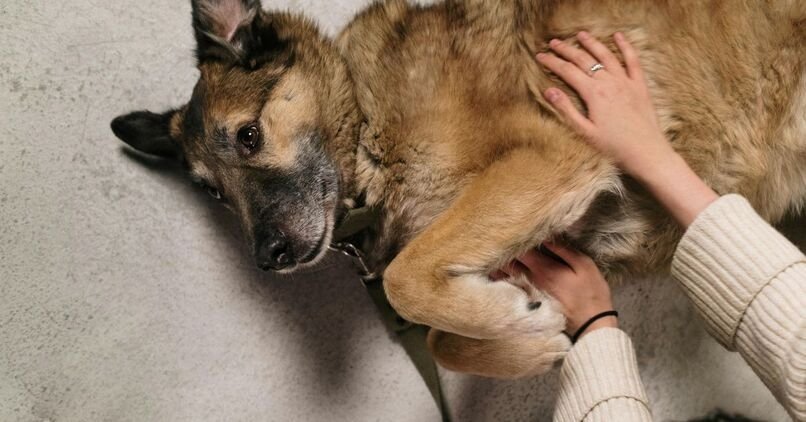
Hip dysplasia is one of the most common health issues seen in German Shepherds. It’s a hereditary condition where the hip joint doesn’t develop properly, leading to pain, stiffness, and mobility problems. Over time, it can cause arthritis and difficulty walking or climbing.
Symptoms include:
- Limping or stiffness after exercise
- Difficulty standing up or climbing stairs
- Reduced activity or reluctance to run
- Pain or discomfort when touched near the hips
What you can do:
Provide your dog with joint-supportive supplements like glucosamine and chondroitin (under vet guidance). Keep their weight under control since extra pounds add stress to joints. Regular, low-impact exercise such as swimming or walking helps keep joints flexible.
If the condition becomes severe, your vet may suggest physical therapy, medication, or surgery. Early detection through X-rays and veterinary checkups can greatly improve your dog’s comfort and mobility.
German Shepherd Bloat (GDV)
Bloat, or Gastric Dilatation-Volvulus (GDV), is a serious and life-threatening condition common in large, deep-chested breeds like the German Shepherd. It happens when the stomach fills with gas and twists, trapping air and blocking blood flow.
Symptoms include:
- A swollen or hard belly
- Restlessness or pacing
- Drooling or attempts to vomit without success
- Rapid breathing or signs of distress
Prevention tips:
Feed smaller meals multiple times a day instead of one large meal. Avoid vigorous activity right before or after eating. Using a slow-feeder bowl can also reduce the risk of swallowing too much air.
If you ever suspect bloat, seek emergency vet care immediately. GDV progresses quickly and can be fatal without urgent treatment.
German Shepherd Degenerative Myelopathy

Degenerative Myelopathy (DM) is a progressive spinal disease that affects older German Shepherds. It slowly damages the spinal cord, leading to weakness and loss of coordination in the hind legs.
Early signs include:
- Wobbling or dragging the hind legs
- Difficulty standing or walking
- Loss of balance or falling frequently
While there’s no cure for DM, early diagnosis can help manage the condition better. Regular physical therapy, controlled exercise, and special support harnesses can maintain mobility for longer.
Feeding a diet rich in antioxidants and omega-3 fatty acids can also support nerve health. Talk to your vet about supplements that may slow disease progression.
German Shepherd Allergies
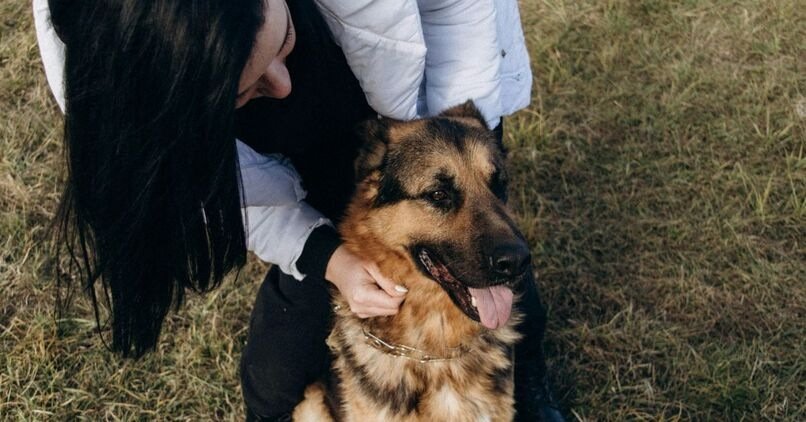
Allergies are another common issue for German Shepherds. They can be triggered by food ingredients, pollen, dust, or fleas. Allergies often show up as itching, redness, or recurring ear infections.
Common signs include:
- Constant scratching or licking
Hair loss or scabs - Watery eyes or runny nose
- Red, irritated skin or ears
Managing allergies:
First, identify the trigger. Your vet may recommend allergy testing or elimination diets. Keeping your home clean, washing bedding frequently, and using flea control can help. Omega-3 supplements and medicated shampoos can soothe the skin.
For food allergies, switching to a limited-ingredient or hypoallergenic diet often brings relief. Regular vet visits help monitor and manage symptoms effectively.
German Shepherd Elbow Dysplasia
Elbow dysplasia is another joint issue seen in German Shepherds. It occurs when the elbow joint forms abnormally, causing pain, lameness, and eventually arthritis.
Signs include:
- Limping or favoring one front leg
- Swollen joints or stiffness
- Reluctance to run or play
Treatment and prevention:
Keep your dog at a healthy weight and avoid high-impact activities while their bones are still developing. If diagnosed early, mild cases can often be managed with physical therapy and medication. In more severe cases, surgery may be needed to improve movement and reduce pain.
How to Keep Your German Shepherd Healthy
Taking proactive care of your German Shepherd can prevent many of these health issues from becoming serious. Here’s how you can keep your pup happy and healthy:
- Provide balanced meals with essential nutrients for large breeds.
- Keep up with vet checkups and vaccinations.
- Give your dog plenty of exercise and mental stimulation.
- Brush their coat regularly to avoid skin problems.
- Watch for any changes in appetite, movement, or behavior.
German Shepherds thrive on love, structure, and activity. When you give them the right care, they repay you with loyalty and affection beyond measure.
Conclusion
Your German Shepherd is more than a pet they’re a loyal protector and loving family member. While the breed is prone to certain health issues, most of these can be managed or even prevented with proper attention, diet, and early care.
By staying informed and proactive, you can help your German Shepherd enjoy a long, happy, and active life by your side.
FAQs
1. What is the most common health issue in German Shepherds?
Hip dysplasia is one of the most common problems, but allergies and joint issues are also frequently seen in the breed.
2. How can I tell if my German Shepherd has hip dysplasia?
Watch for signs like limping, stiffness, or reluctance to run or climb. A vet can confirm the diagnosis with X-rays.
3. What foods should I avoid giving my German Shepherd?
Avoid chocolate, grapes, onions, and fatty or highly processed foods. Stick to vet-approved, balanced meals.
4. How can I prevent bloat in my German Shepherd?
Feed smaller meals throughout the day and avoid heavy activity right before or after eating. Slow-feeder bowls can also help.
5. How often should I take my German Shepherd to the vet?
At least once a year for routine checkups, and more often for seniors or dogs with known health issues.